10 Common Rheem Furnace Problems (And How to Fix Them Before You Call a Tech)
March 20th, 2026
3 min read
Quick Answer:
Most Rheem furnace problems are caused by airflow restrictions, ignition issues, or maintenance neglect. Many issues—like dirty filters or thermostat settings—can be fixed quickly. But repeated shutdowns, gas smells, or electrical problems require proper diagnosis to avoid damage or safety risks.
Introduction
If your Rheem furnace isn’t working right, you’re not alone.
Most furnace problems fall into a handful of predictable categories.
The challenge is knowing:
- What’s a quick fix
- What’s a warning sign
- What should NOT be touched
This guide focuses on what you can check yourself before calling for service.
Written by Scott Merritt
Ohio State HVAC License #36883
Based on 30+ years diagnosing furnace issues across Ohio homes.
Quick list of common Rheem furnace problems
Quick Answer:
The most common Rheem furnace problems include dirty filters, ignition failure, short cycling, airflow restriction, thermostat issues, and sensor malfunctions. Most are caused by maintenance or airflow—not major system failure.
- Dirty air filter
- Ignition failure
- Short cycling
- Blower issues
- No heat
- Error codes (blinking light)
- Strange noises
- Frequent shutdowns
- High energy bills
- Thermostat problems
Most of these problems fall into three categories: airflow, ignition, or control issues.
What are the most common Rheem furnace problems?
Quick Answer:
The most common issues involve airflow restriction, ignition failure, and system controls. These problems are usually tied to maintenance or installation—not equipment failure.
Most furnace issues are not random.
They are caused by:
- Airflow problems
- Wear over time
- Installation issues
- Lack of maintenance
U.S. Department of Energy:
https://www.energy.gov/energysaver/home-heating-systems
What we see most in real homes
Quick Answer:
Most furnace problems we diagnose are caused by airflow issues, not major equipment failure. Dirty filters and duct restrictions are the leading causes of shutdowns and performance problems.
In real service calls across Ohio:
- Dirty air filters are the #1 issue
- Restricted return airflow is extremely common
- Improper sizing shows up in older installations
Most problems start small and build over time.
1. Dirty Air Filter
Quick Answer:
A dirty air filter restricts airflow, causing overheating, shutdowns, and reduced efficiency. This is the most common furnace problem.
Even a partially clogged filter can reduce airflow by 15–20%.
Fix:
- Replace every 1–3 months
2. Furnace Not Igniting
Quick Answer:
Ignition problems are caused by dirty flame sensors, worn igniters, or gas supply issues. The furnace will fail to start or shut down quickly.
If this repeats, it needs proper diagnosis.
3. Short Cycling
Quick Answer:
Short cycling is when the furnace turns on and off quickly due to overheating or airflow problems.
Most short cycling issues are airflow-related—not equipment failure.
ASHRAE guidance:
https://www.ashrae.org/
4. Blower Running Constantly
Quick Answer:
A constantly running blower is usually caused by thermostat settings or control issues.
Check:
- Fan setting (“ON” vs “AUTO”)
- Thermostat wiring
5. No Heat (But Furnace Is Running)
Quick Answer:
If the furnace runs but produces no heat, the issue is usually ignition failure, gas supply, or a safety shutdown.
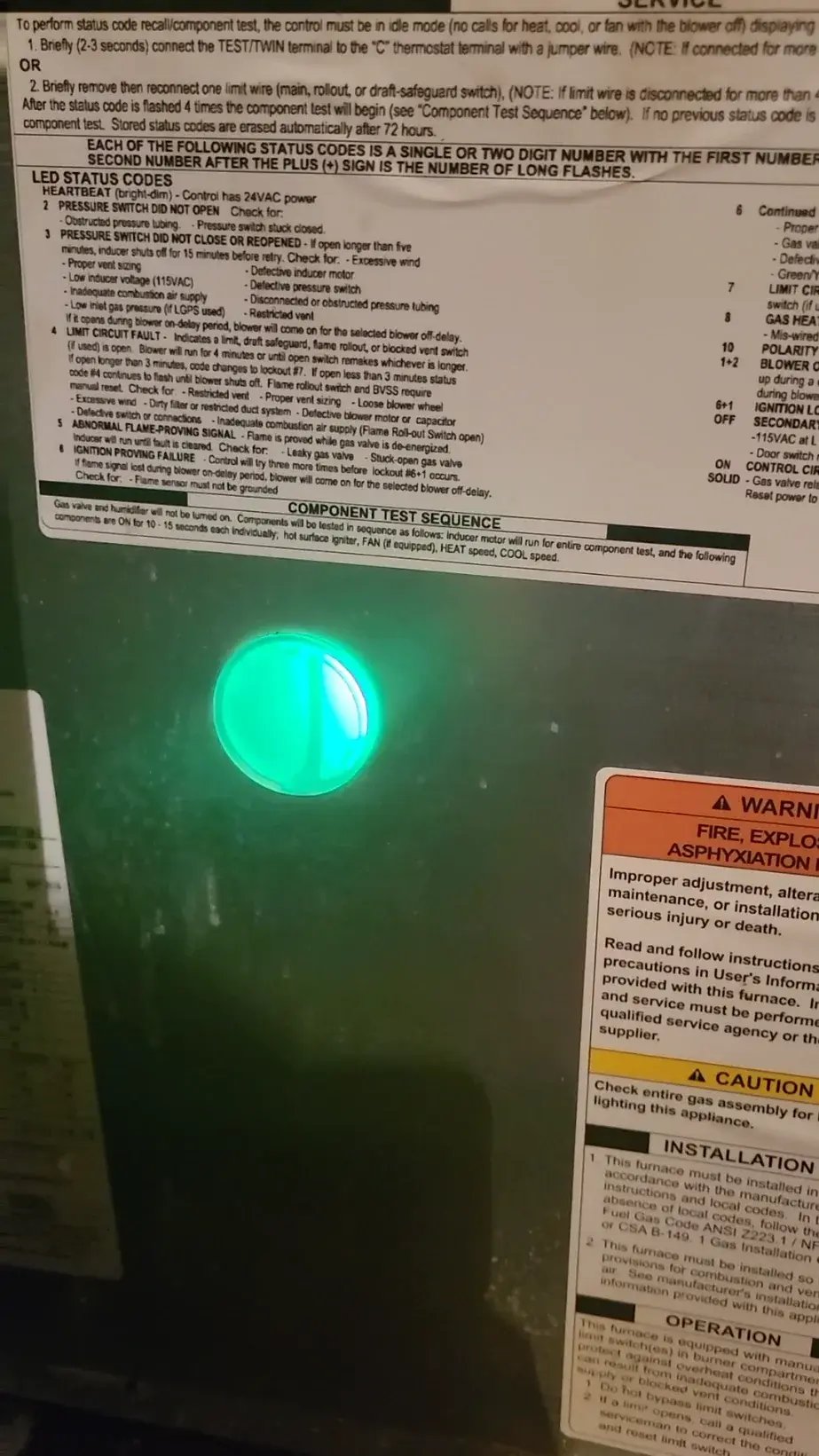
6. Furnace Light Blinking
Quick Answer:
A blinking light is an error code indicating a specific system problem.
Check the chart inside your furnace panel or Rheem documentation:
https://www.rheem.com/support/
7. Strange Noises
Quick Answer:
Unusual noises often indicate mechanical or airflow problems.
Examples:
- Banging → ignition delay
- Squealing → motor issue
- Rattling → loose parts
8. Furnace Keeps Shutting Off
Quick Answer:
Frequent shutdowns are caused by overheating or safety switches being triggered.
NFPA safety standards:
https://www.nfpa.org/
9. High Energy Bills
Quick Answer:
Higher energy bills usually indicate reduced efficiency caused by airflow problems or poor maintenance.
ENERGY STAR guidance:
https://www.energystar.gov/products/heating_cooling
10. Thermostat Problems
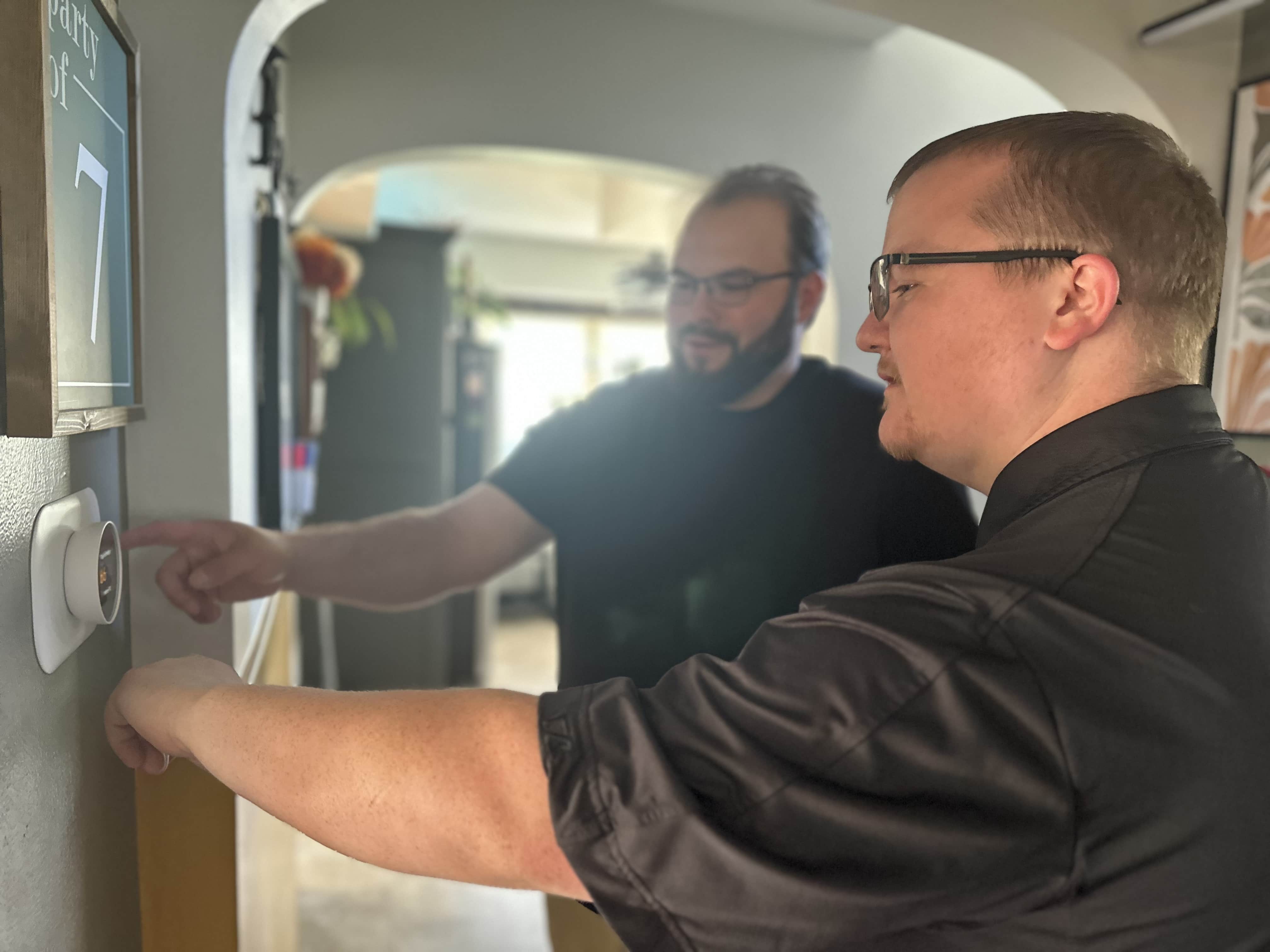
Quick Answer:
Thermostat issues can cause incorrect cycling, no heat, or system instability.
Check:
- Placement
- Calibration
- Wiring
Why is my Rheem furnace not working properly?
Quick Answer:
Most Rheem furnaces stop working properly due to airflow restriction, ignition failure, or thermostat issues. In many cases, a dirty filter or blocked duct is the root cause.
This is how most homeowners actually experience furnace problems.
What problems can you safely fix yourself?
Quick Answer:
You can safely handle basic maintenance issues like replacing filters and checking vents. More complex problems require professional diagnosis.
Safe checks:
- Replace air filter (if dirty or over 1–3 months old)
- Open blocked vents
- Check thermostat settings
- Ensure return airflow is clear
If the issue continues, it’s not fixed.
What problems should you NOT try to fix?
Quick Answer:
Do not attempt repairs involving gas, electrical components, or repeated shutdowns.
Stop immediately if:
- You smell gas
- Breaker keeps tripping
- Furnace repeatedly shuts down
- You hear loud or unusual noises
Gas safety guidance:
https://www.cpsc.gov/Safety-Education/Safety-Education-Centers/Gas-Safety
CDC carbon monoxide safety:
https://www.cdc.gov/co/faqs.htm
What happens if you ignore furnace problems?
Quick Answer:
Ignoring furnace problems leads to higher costs, increased wear, and system failure over time.
Small issues turn into:
- Component failure
- Reduced lifespan
- Higher repair costs
- Safety risks
Problems rarely fix themselves.
What actually matters in Steubenville, Weirton, and surrounding areas
Quick Answer:
Older homes and ductwork limitations make airflow issues more common, which drives most furnace problems.
In local homes, we often see:
- Undersized return ducts
- Aging duct systems
- Basement installations affecting airflow
- Dust buildup clogging filters
In Mingo Junction and Toronto, airflow limitations alone can trigger multiple furnace issues.
Final Answer: When should you call a professional?
Quick Answer:
Call for service when problems repeat, involve safety risks, or are not resolved with basic checks.
If the issue comes back, it’s not fixed.
At that point, the system needs proper diagnosis.
Your next step
If you want to better understand what’s happening, visit our Learning Center for clear, straightforward HVAC guidance built for homeowners.
If your furnace is still having problems or the issue isn’t obvious, schedule a visit and we’ll diagnose it properly—no upsells, no pressure, just honest fixes.
Scott Merritt is a co-founder of Honest Fix Heating, Cooling and Plumbing and brings more than 30 years of experience across HVAC, leadership, and industry education. He serves in a senior leadership and oversight role, providing licensed guidance, reviewing HVAC educational content, and supporting technician training and documentation standards. Prior to co-founding Honest Fix, Scott founded and owned Fire & Ice Heating & Air Conditioning in Columbus, Ohio, which he operated for more than two decades before selling the company in 2025. During that time, he led programs and partnerships including Carrier Factory Authorized Dealer, Trane Comfort Specialist, and Rheem Pro Partner, helping establish high technical and training standards. Scott is the Ohio State HVAC license holder for Honest Fix and provides licensed oversight to help ensure work meets applicable codes and manufacturer requirements. Learn more about Scott’s background and role at Honest Fix by viewing his full leadership bio.
Topics:

.png?width=1097&height=726&name=rheem-parts-guide-featured%20(1).png)