Converting Baseboard Heat To Central Air: Real Cost, Options & Installation Guide (Ohio Valley)
January 15th, 2026
4 min read
By Alex Largent
Quick Answer
Converting baseboard heat to central air costs $13,000–$45,000+ (2025–2028 range) for most homes in the Upper Ohio Valley. Final price depends on ductwork, electrical upgrades, and system type. A properly designed system delivers whole-home comfort, cleaner air, and lasting value when installed by a qualified HVAC contractor.
Why Homeowners Across the Upper Ohio Valley Are Making This Upgrade
From Steubenville to Weirton, Wintersville to Wellsburg, and through Toronto, Mingo Junction, Brilliant, Follansbee, New Cumberland, and Colliers—homeowners are rethinking the comfort limits of baseboard heat.
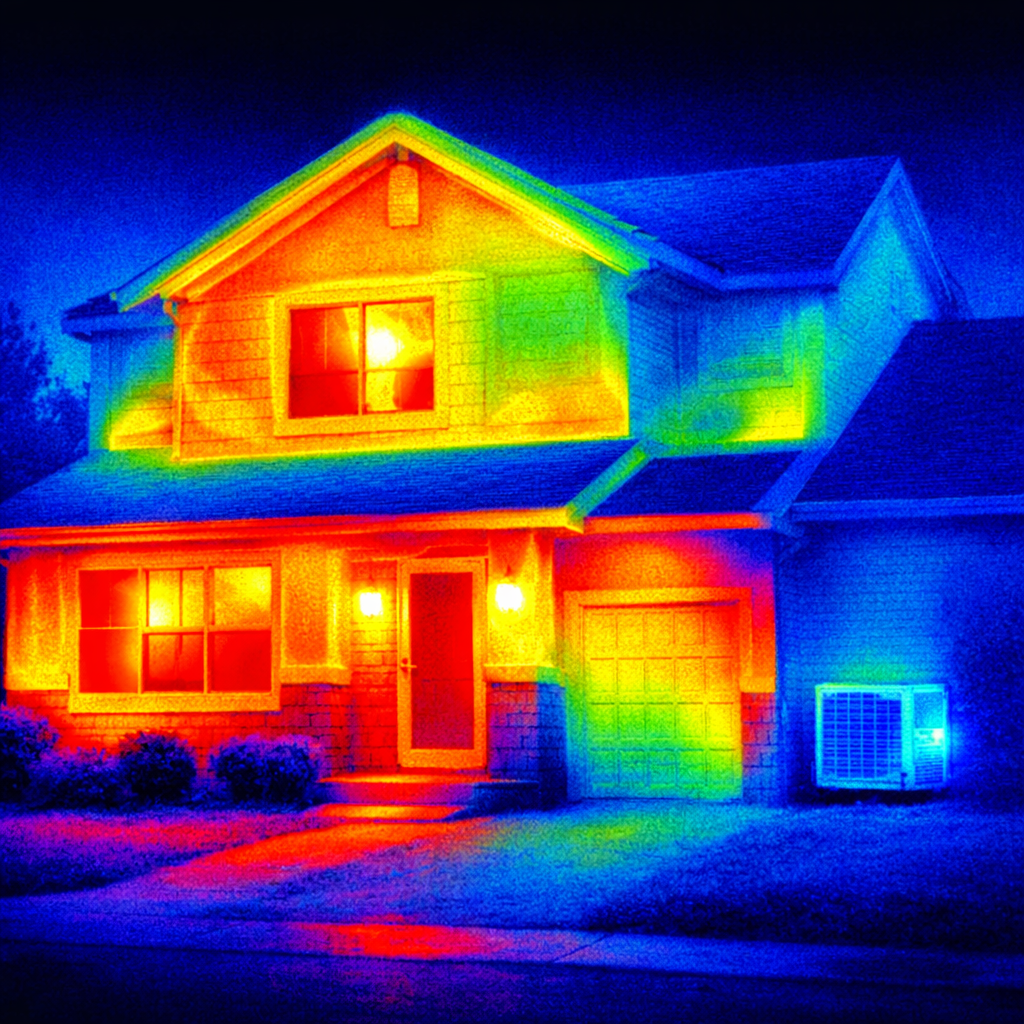
When summer humidity hits, homes without central cooling quickly feel trapped. Baseboard heating—especially electric—can be expensive and uneven. A proper conversion brings even temperatures, filtered air, and true year-round comfort across every floor.
It’s not a quick fix—it’s a home improvement that takes planning, skill, and transparency from start to finish. Here’s what to know before you start.
The Bottom Line: What a Conversion Really Costs (2025–2028)
Expect a total project budget of $13,000–$45,000+, with most Upper Ohio Valley homes landing in the mid-$20Ks when ductwork and electrical upgrades are needed.
These 2025–2028 cost ranges reflect ongoing equipment inflation, labor increases, and efficiency standard changes.
The “appliance” (furnace, AC, or heat pump) is just part of the equation—design, ductwork, and finishing work often cost more than the equipment itself.
| Cost Component | Low | Average | High | What Drives It |
|---|---|---|---|---|
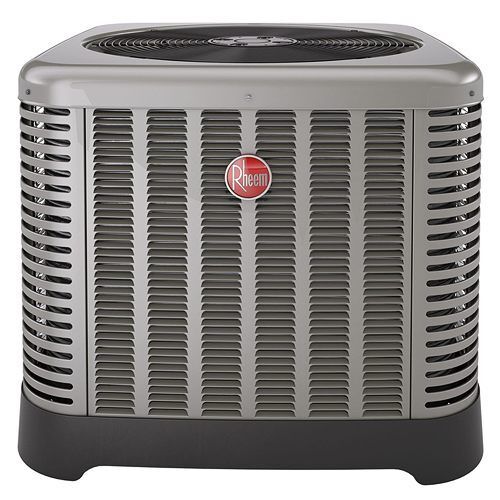
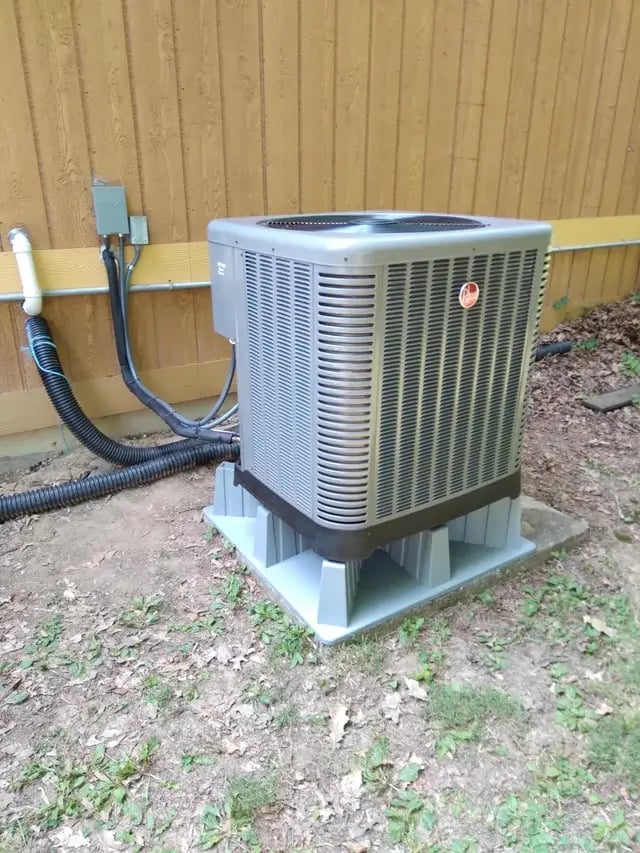
| HVAC equipment (AC + furnace or heat pump) | $5,500 | $8,200 | $14,500 | Tonnage, SEER2/HSPF2/AFUE, brand |
| New ductwork (most conversions) | $2,400 | $4,500 | $7,500+ | Home size/layout; basement vs attic runs; material |
| Labor (retrofit complexity) | $2,000 | $4,000 | $6,000+ | Design quality; accessibility; company overhead |
| Electrical upgrades (100A→200A common) | $800 | $1,800 | $4,000 | Panel size; new dedicated circuits |
| Gas line (if adding a furnace) | $300 | $550 | $1,350 | Distance/route |
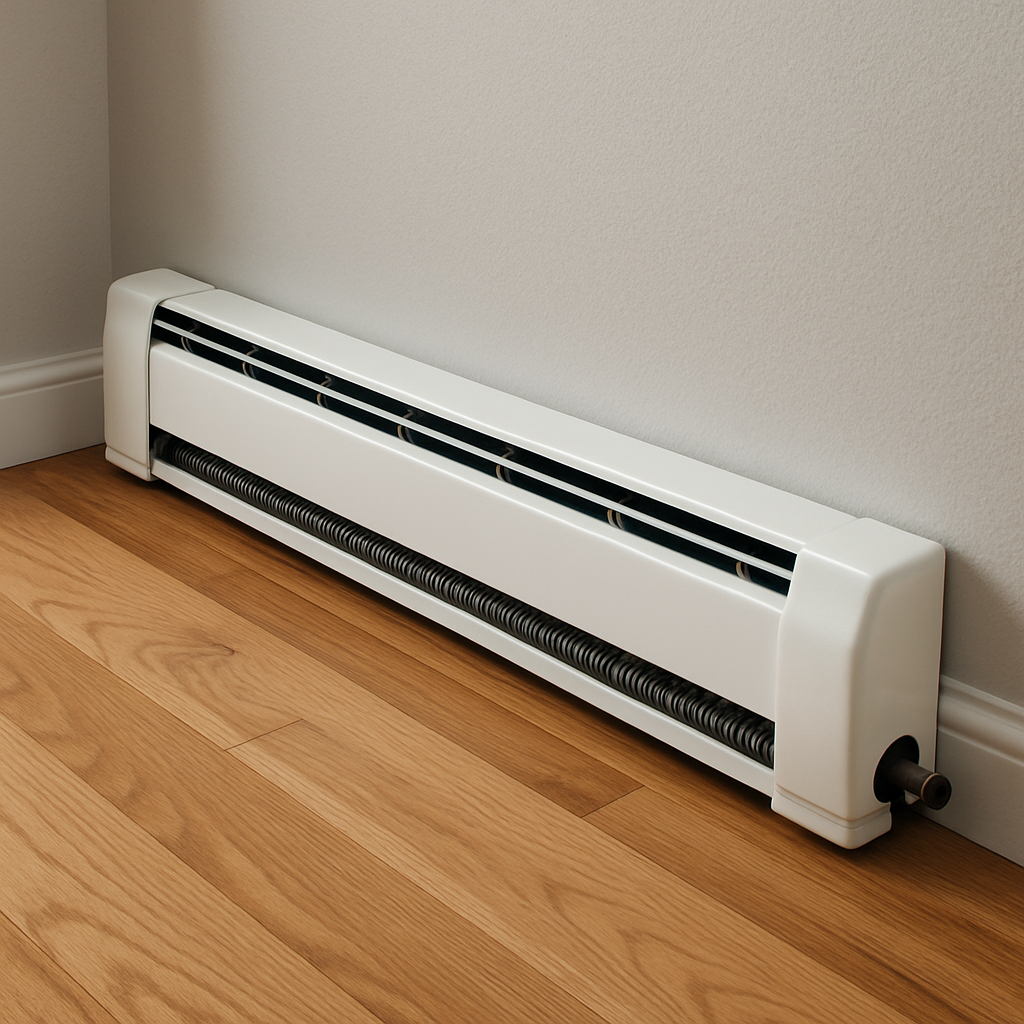
| Baseboard removal | $500 | $1,500 | $3,000+ | Electric vs hydronic; number of units |
| Permits & inspections | $250 | $500 | $1,500 | Local fee structure |
| Finishing (drywall/paint/soffits) | $500 | $1,200 | $2,500+ | How many openings/soffits |
| Suggested contingency (10–15%) | $1,200 | $2,200 | $5,000+ | Hidden issues (asbestos, rot) |
Local tip: Many Ohio Valley homes have 100-amp panels; central systems (especially heat pumps) often require a 200-amp upgrade. Plan for it instead of being surprised on install day.
The Part Most People Underestimate: The Construction Reality
This isn’t a simple swap—it’s controlled demolition and careful rebuild.
Ducts need pathways. Openings get cut and patched. Soffits may be added to hide trunk lines. A clean contractor will isolate work areas, protect floors, and schedule finishing promptly, but expect dust and disruption for several days to a week depending on your layout.
Planning reduces mess: A Manual D duct design plotted before day one keeps soffits smaller and routes smarter. Ask to review the route map and register locations before anyone makes the first cut.
The 5 Biggest Risks (And How To Avoid Them)
- Wrong-Sized System (no Manual J): Oversized units short-cycle and fail early; undersized units run non-stop. Insist on a full load calculation.
- Noisy or Uneven Rooms: Poor duct design causes whistling and cold spots. Manual D fixes that.
- Aesthetic Regret: Approve soffit locations in writing before work begins.
- Hidden Hazards: Older homes in Wellsburg or Brilliant may hide asbestos or old wiring; budget a 10–15% contingency.
- High Winter Bills with Heat Pumps: Cold-climate or dual-fuel setups protect against backup-heat spikes.
Central Air Isn’t Your Only Path—Compare Your Options
Your best choice balances comfort, cost, and your home’s structure.
Option A: Traditional Ducted Central System
- What it is: Furnace + AC or a single heat pump using full ductwork.
- Best for: Most homes where ducts can be added cleanly.
- Why choose it: Hidden indoors, excellent filtration, strong resale value.
- Watch-outs: Highest invasiveness when ducts don’t yet exist.
Option B: Ductless Mini-Splits
- What it is: Outdoor unit(s) + wall/ceiling “heads,” no big ducts.
- Best for: Homes under ≈ 2,000 sq ft, additions, or where ducts are impractical.
- Why choose it: Top efficiency (no duct loss), zoning comfort, minimal construction.
- Watch-outs: Visible heads; multi-zone systems can approach ducted pricing.
Key takeaway: Choose based on home architecture and your tolerance for visible equipment versus construction—then let a pro design the system to fit.
Who Wins (And Who Should Wait)
Best candidates
- Electric-baseboard homes in Steubenville, Weirton, or Brilliant chasing lower bills with a heat pump.
- Families in Toronto or Follansbee upgrading comfort ahead of a remodel.
- Homeowners in Wellsburg, Colliers, or New Cumberland planning long-term stays.
Who should pause
- Lovers of radiant hydronic warmth.
- Anyone stretching budget too thin—this project rewards quality, not shortcuts.
- Historic homes in Mingo Junction or Wellsburg where ductwork might harm character—consider ductless instead.
The Financial Picture (2025–2028 ROI Outlook)
Modern systems can cut heating and cooling costs by 20–40%.
Electric-baseboard homes see the biggest savings. Dual-fuel systems perform best in cold valleys around Steubenville, Follansbee, and Colliers.
Federal tax credits up to 30% (max $2,000) and 2025–2028 rebate programs can reduce upfront costs significantly, often shortening payback to just a few years.
How To Hire For A “No-Regrets” Conversion
The contractor you choose determines everything.
Before signing, homeowners from Weirton to New Cumberland should ask:
- Will you perform a full Manual J and provide the report?
- Will you produce a Manual D design showing airflow by room?
- Are you matching equipment with Manual S?
- Will you commission the system and document airflow, charge, and pressure?
- Can I get a detailed, itemized quote with permits and finishing work?
If the answer to any of these is vague—walk away.
Our Guarantees For Every City We Serve
Whether the job’s in Steubenville, a remodel in Weirton, or a new system in Toronto, Mingo Junction, Brilliant, Follansbee, Wellsburg, Colliers, or New Cumberland, our promises never change:
- Lifetime Trust Shield (New Installs): Lifetime labor coverage, 90-day satisfaction guarantee, no-lemon replacement, energy-savings safeguard, first-year tune-up included.
- Service Trust Guardian (Repairs & Maintenance): 60-day money-back if unresolved, multi-year labor warranty, no overtime fees, and a clean-workspace promise.
If it has our name on it, it’s done right—or we make it right.
FAQs
How much does converting baseboard to central air cost (2025–2028)?
Most Ohio Valley projects fall between $13K and $45K+, with mid-$20Ks common when starting without ducts.
How long does it take?
Expect 3–7 working days, depending on layout, finishing, and electrical work.
What if I dislike blower noise or drier air?
Proper duct sizing and humidity controls fix both; the system can be tailored to your comfort preferences.
Do you guarantee your work?
Yes—Lifetime Trust Shield on installs and Service Trust Guardian on repairs. Clear terms. No hoops.
Ready To Make The Switch?
You don’t need to guess what your project will cost—we’ll show you exactly.
Honest Fix provides detailed, no-pressure in-home quotes for homeowners across the Upper Ohio Valley, including Steubenville, Weirton, Wintersville, Wellsburg, Toronto, Mingo Junction, Brilliant, Follansbee, New Cumberland, and Colliers.
You’ll get:
- A full Manual J load calculation.
- A clear duct design plan and written price breakdown.
- Upfront options for heat pump or furnace + AC systems.
- Honest recommendations with no upselling.
Call Honest Fix today to schedule your free exact quote and discover how affordable true whole-home comfort can be.
Or, if you’re still comparing, learn about our Lifetime Trust Shield and Service Trust Guardian guarantees before you decide.
Alex Largent is the Owner and Senior HVAC Efficiency Analyst at Honest Fix Heating, Cooling & Plumbing. With more than 20 years of field experience, NATE and EPA certifications, and a hands-on leadership style, Alex teaches his team to fix systems right the first time — with transparency, precision, and no upsells. He writes about HVAC diagnostics, home energy efficiency, and practical maintenance advice for homeowners across the Upper Ohio Valley. Read Alex Largent’s full bio to learn more about his expertise in the HVAC and Plumbing industry. Updated October 2025.