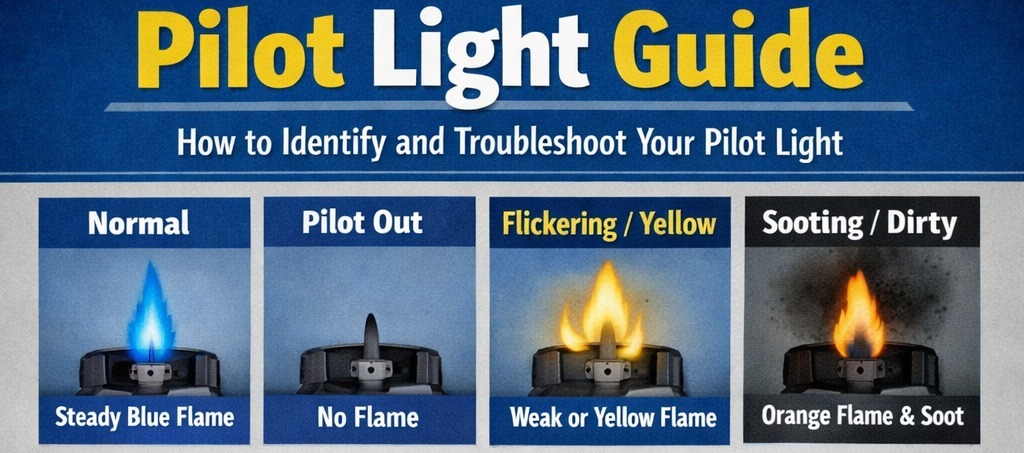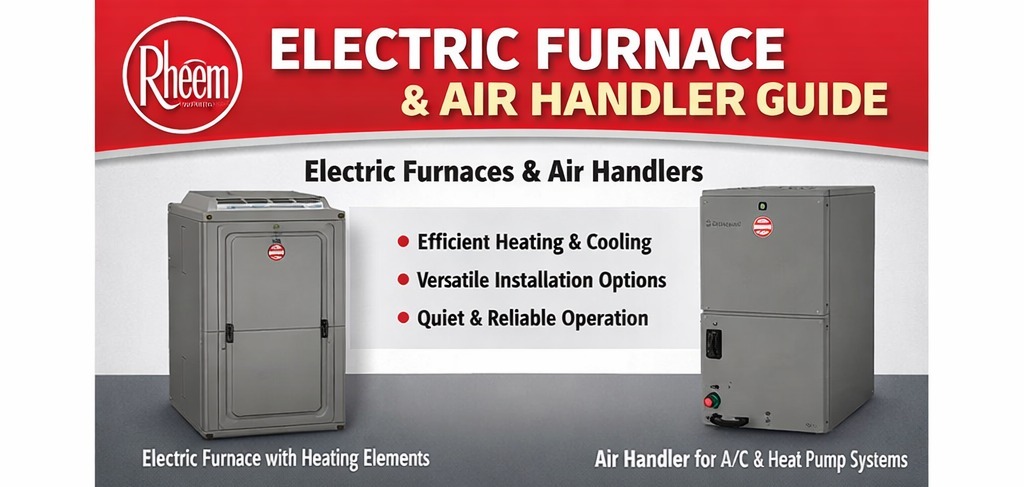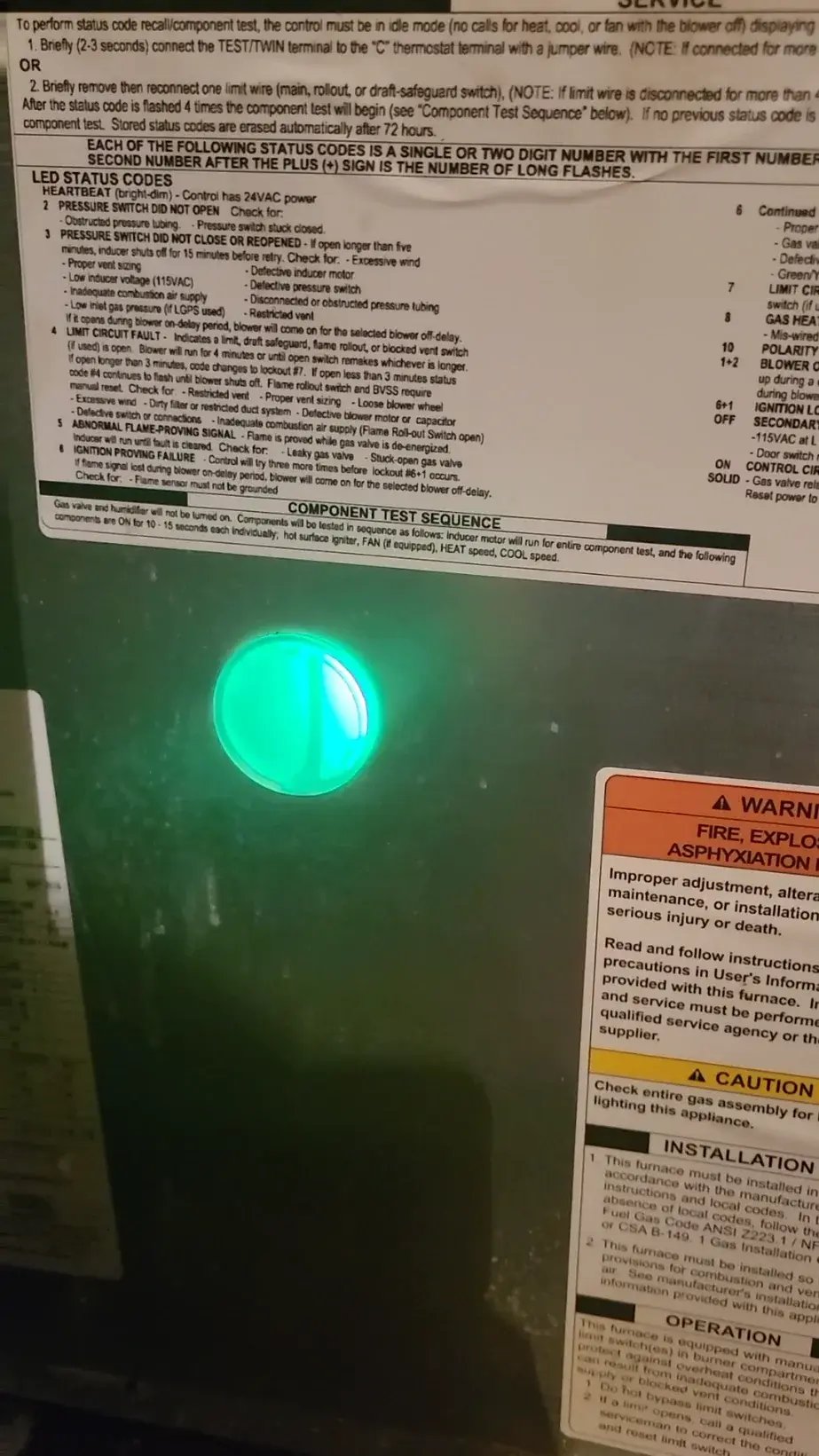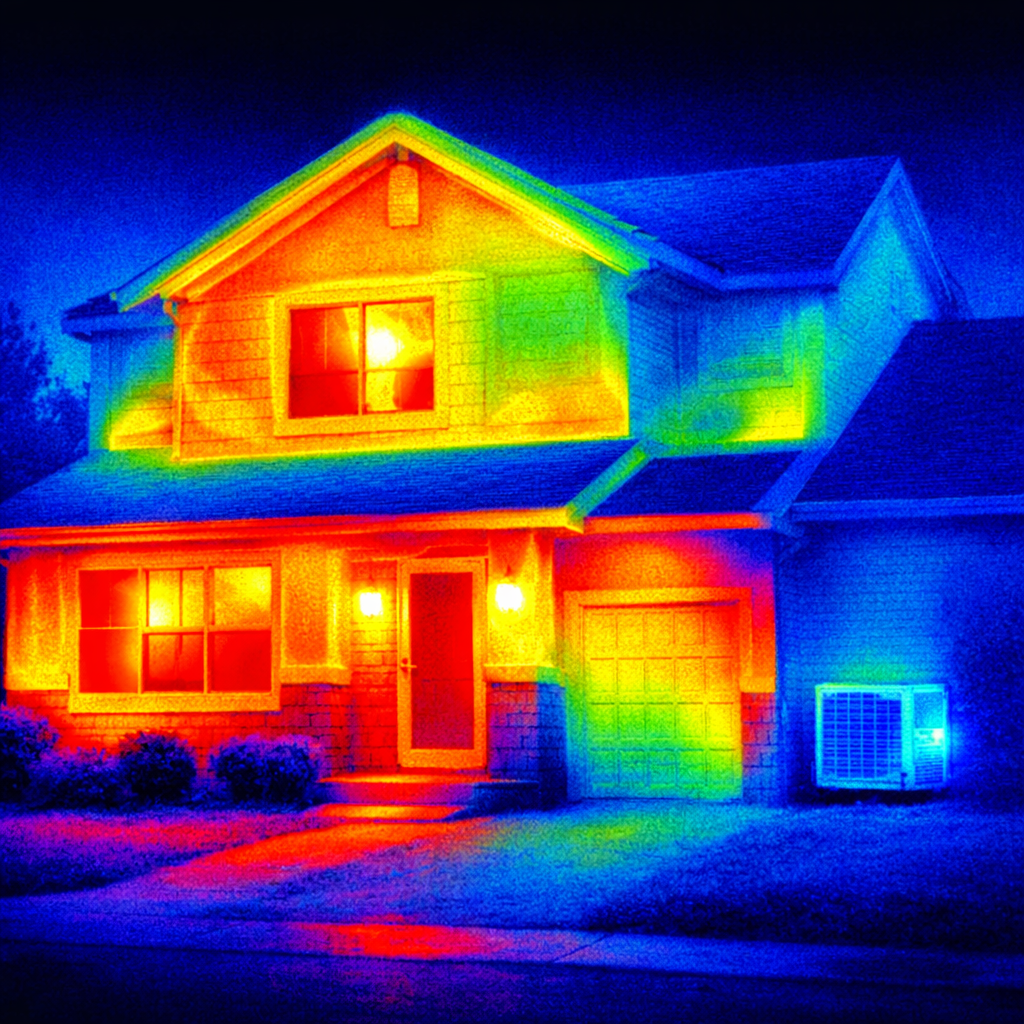
Why Is My HVAC Freezing Up or Overheating? Steubenville Homeowners Explain This Problem
January 13th, 2026
3 min read
By Alex Largent
Quick Answer
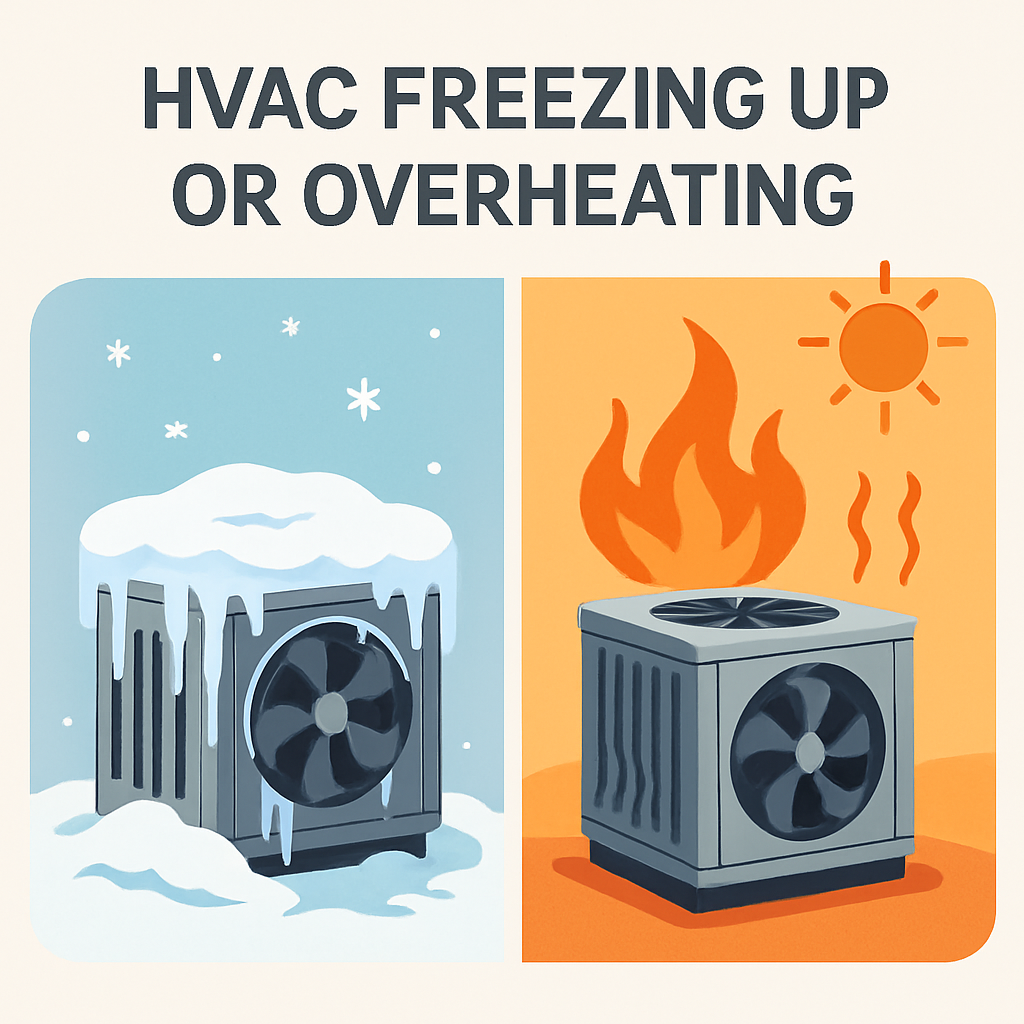
HVAC systems freeze up or overheat when airflow, refrigerant levels, or system controls are out of balance. In Steubenville homes—especially older houses with basements and limited return air—dirty filters, airflow restrictions, and neglected maintenance are the most common causes.
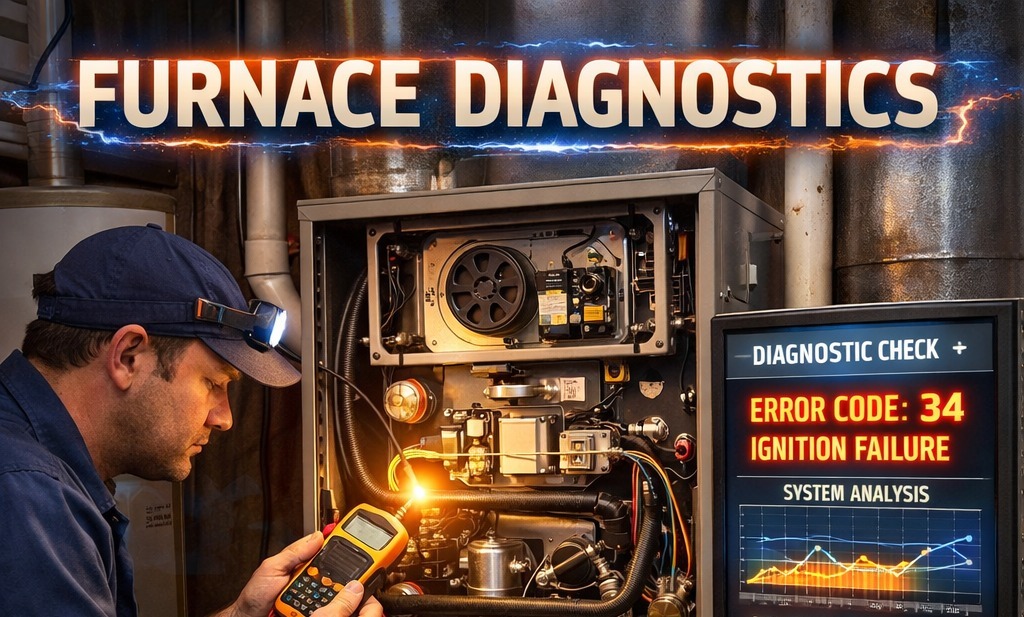
If you live in Steubenville or the Upper Ohio Valley, this is one of the most frequent HVAC problems we see on service calls. Homeowners often assume the system itself is failing, when the real issue is stress caused by airflow or heat buildup inside the equipment.
Why Freezing and Overheating HVAC Systems Are Common in Steubenville
Your HVAC system is designed to operate within a narrow temperature range. When airflow or heat transfer is disrupted, the system cannot regulate itself properly.
Steubenville has a large number of homes built between the 1940s and 1980s. Basements, older duct layouts, fewer return air paths, and hillside construction are common. These conditions already challenge airflow and heat movement. When small issues stack up, systems freeze or overheat faster here than in newer developments.
The Most Common Reasons HVAC Systems Freeze Up or Overheat
Restricted Airflow Is the #1 Cause
When air cannot move freely, heat and cold build up where they shouldn’t.
Restricted airflow can cause:
- Frozen air conditioning coils in summer
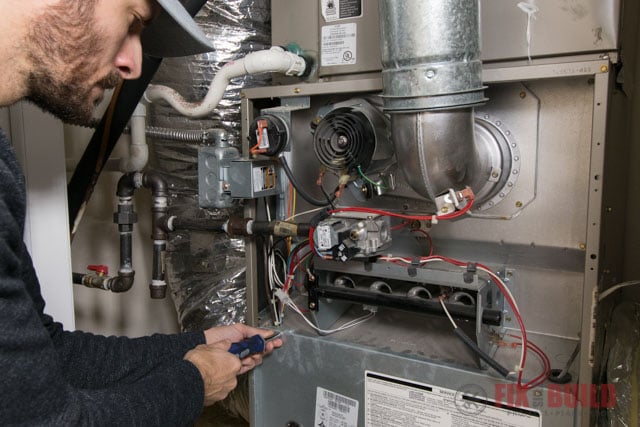
- Overheated furnaces in winter
- Safety shutdowns to prevent damage
In a Steubenville home near Sunset Boulevard, an AC coil froze solid during mild summer weather. The issue was not refrigerant—it was a clogged filter and a single basement return starving the system of airflow.
A Steubenville-specific cost driver is older duct design. Many homes were never built to support modern airflow demands.
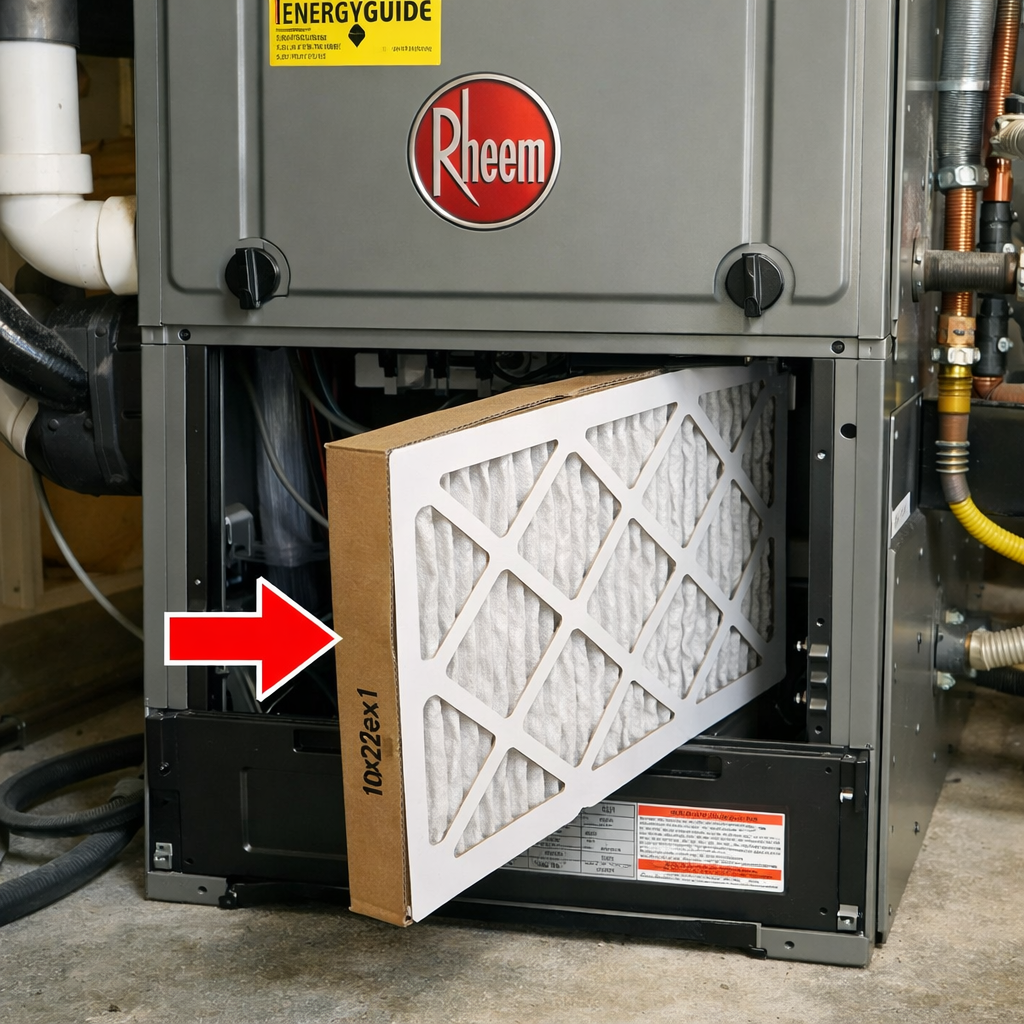
Dirty Filters Push Systems Past Safe Limits
Dirty filters don’t just reduce comfort—they trap heat or cold inside the equipment.
When filters clog:
- AC coils drop below freezing and ice forms
- Furnace heat exchangers overheat
- Motors work harder and fail sooner
This is one of the most preventable causes of freeze-ups and overheating we see during routine service calls.
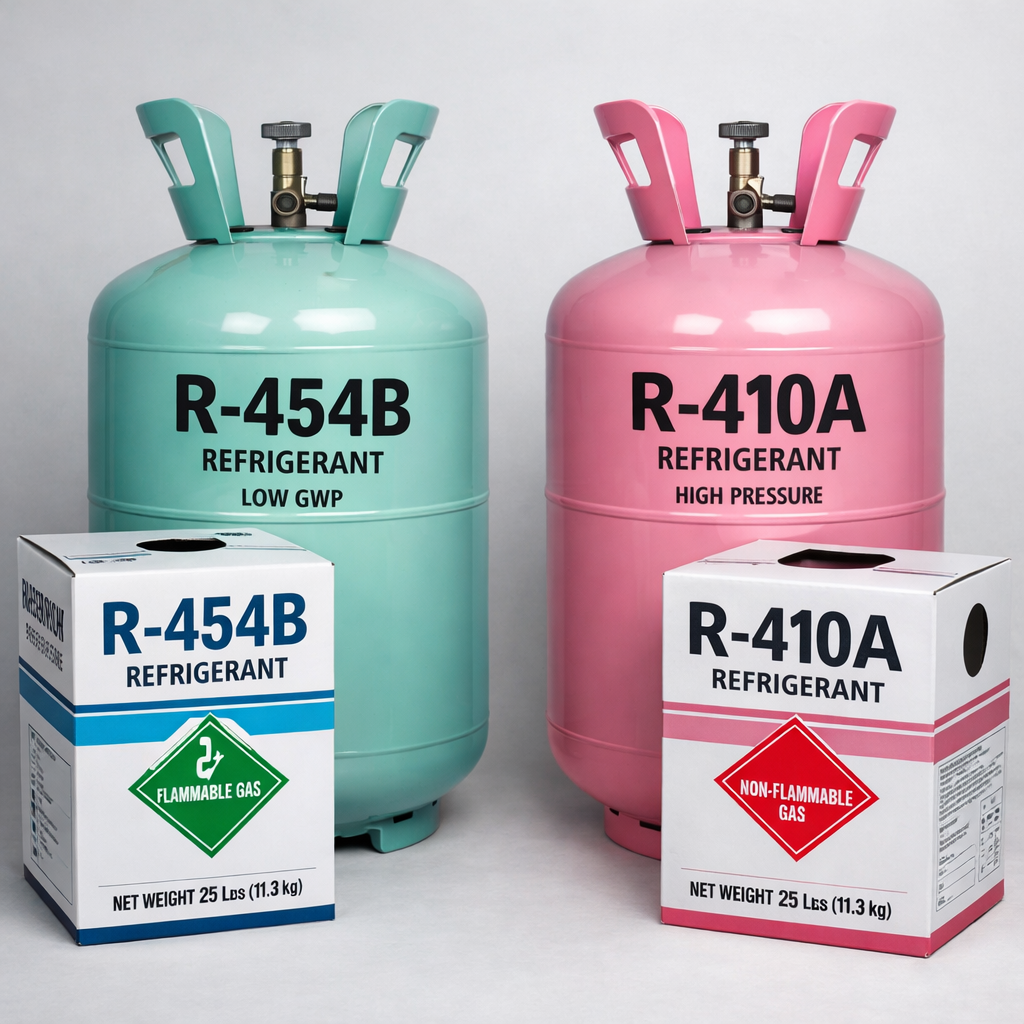
Low Refrigerant Can Cause Freezing
Low refrigerant levels prevent proper heat absorption.
This leads to:
- Ice buildup on coils and lines
- Reduced cooling output
- Compressor damage if ignored
Refrigerant does not “wear out.” If levels are low, there is a leak that needs to be addressed—not topped off and ignored.
Electrical or Control Issues Can Cause Overheating
Faulty sensors, limit switches, or control boards can cause a system to run when it shouldn’t.
In older Steubenville homes, aging electrical panels and voltage inconsistencies can also contribute to overheating conditions, especially during long heating cycles.
Blocked or Undersized Ductwork Traps Heat and Cold
Ductwork must move air, not restrict it.
Common local issues include:
- Crushed or sagging basement ducts
- Closed or blocked return vents
- Additions without added return air
When air cannot escape the system, temperature extremes build up inside the equipment.
How to Tell If Your HVAC Is Freezing Up or Overheating
Check for these warning signs:
- Ice on refrigerant lines or indoor coils
- Burning or metallic smells
- System shutting off unexpectedly
- Weak airflow from vents
- Loud or unusual noises
If ice is visible, turn the system off. Continuing to run it can cause serious damage.
Why This Happens More Often in Steubenville Homes
Steubenville homes often combine:
- Basements with single return grilles
- Older duct layouts
- Long run times during cold winters
- Limited airflow paths
These conditions make systems less forgiving. Small maintenance issues escalate faster.
Frequently Asked Questions About HVAC Freezing Up or Overheating
Why Does My AC Keep Freezing Up?
AC systems freeze when airflow is restricted or refrigerant is low. Dirty filters, blocked returns, or duct issues are the most common causes in Steubenville homes.
Can a Furnace Overheat and Shut Itself Off?
Yes. Furnaces have safety limits that shut the system down when internal temperatures rise too high. Overheating is often caused by airflow problems, not a bad furnace.
Is It Safe to Keep Running My System If It Freezes or Overheats?
No. Continuing to run the system can damage compressors, heat exchangers, and motors. Shut it off and address the cause first.
How Often Should Maintenance Be Done to Prevent This?
Annual maintenance is the minimum. In older Steubenville homes, regular airflow checks and filter changes matter more than the calendar.
What Guarantees Do You Offer?
For repairs and maintenance, Honest Fix provides the Service Trust Guardian, including:
- 5-year labor warranty on covered repairs
- 60-day money-back satisfaction guarantee
- No overtime charges
- On-time arrival and clean-work guarantees
For new installations, the Lifetime Trust Shield includes long-term labor coverage, no-lemon protection, and a full money-back satisfaction guarantee.
Final Thoughts for Steubenville Homeowners
HVAC systems freeze up or overheat because something is out of balance—not because they’re “just old.” In Steubenville homes with basements and older airflow designs, catching these issues early prevents expensive damage.
If your system is icing over, overheating, or shutting down, the cause is usually fixable when addressed early.
Call Honest Fix today for a free exact quote.
Learn about our guarantees before you decide.
Alex Largent is the Owner and Senior HVAC Efficiency Analyst at Honest Fix Heating, Cooling & Plumbing. With more than 20 years of field experience, NATE and EPA certifications, and a hands-on leadership style, Alex teaches his team to fix systems right the first time — with transparency, precision, and no upsells. He writes about HVAC diagnostics, home energy efficiency, and practical maintenance advice for homeowners across the Upper Ohio Valley. Read Alex Largent’s full bio to learn more about his expertise in the HVAC and Plumbing industry. Updated October 2025.