Quick Answer
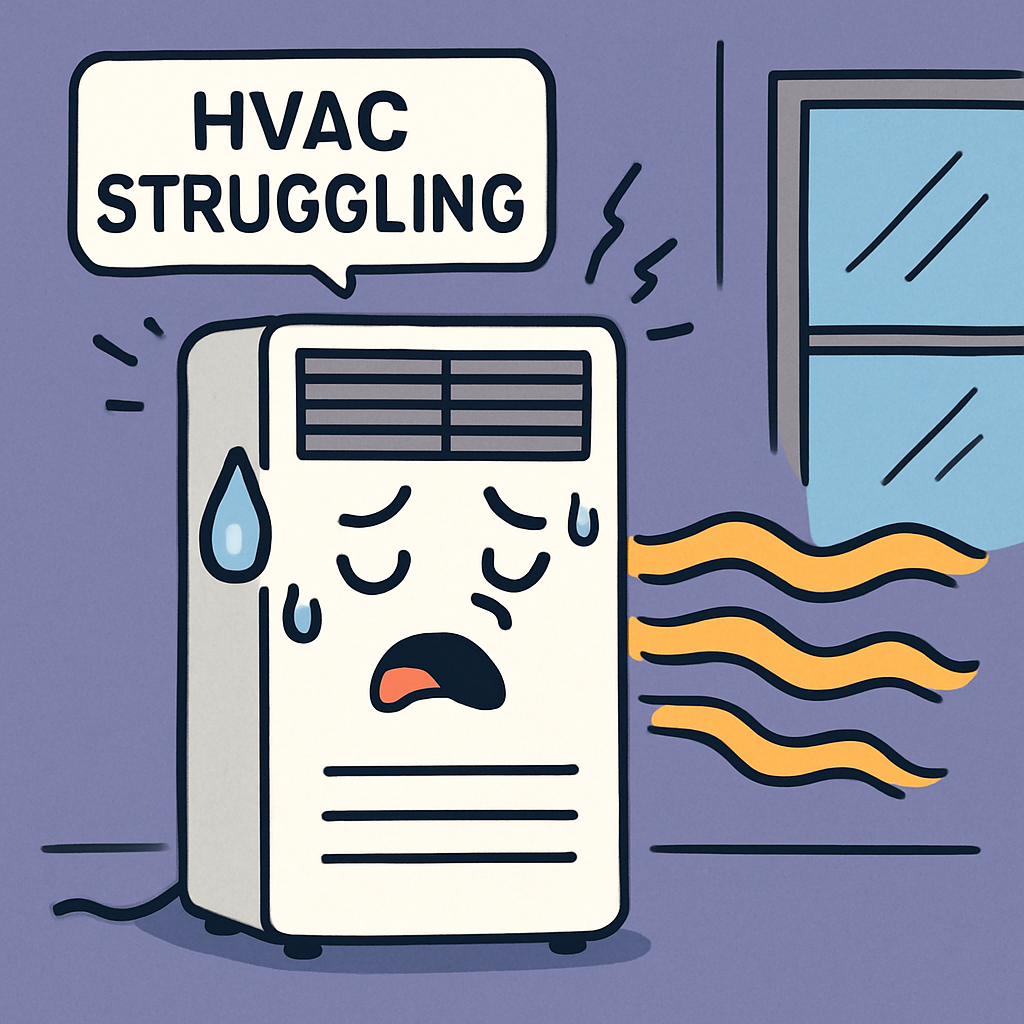
If your HVAC system struggles during Wellsburg heatwaves or cold snaps, it is usually because the system was designed for average temperatures, not extreme weather. Aging equipment, basement moisture from Ohio River proximity, limited electrical capacity, and airflow challenges from hillside construction common in Wellsburg homes all make it harder for systems to keep up during temperature extremes.
Short Answer
HVAC systems struggle during Wellsburg heatwaves or cold snaps because they are built for normal conditions, not extremes. River-adjacent and hillside homes feel this most.
When Struggling Is Normal vs When It’s a Problem
Not all struggling means failure. During extreme heat or cold, HVAC systems are expected to run longer.
- If your system runs continuously but stays close to the thermostat setting, that is normal.
- If indoor temperatures keep drifting farther away, airflow weakens, or rooms stop improving, that points to a performance or equipment issue.
Extreme weather reveals limits that are easy to overlook during mild conditions.
Why Temperature Extremes Hit Wellsburg Homes Hard
HVAC systems are designed for stability, not record-setting weather.
In Wellsburg, both heatwaves and cold snaps quickly expose weaknesses tied to geography and housing age.
Across Wellsburg, Follansbee, Colliers, Weirton, Hooverson Heights, New Cumberland, Steubenville, Wintersville, Toronto, Mingo Junction, Brilliant, and Weirton Heights, the same stress factors surface during extreme weather:
- Homes built from the 1920s through the 1980s
- Basements affected by moisture from Ohio River proximity
- Older electrical panels with limited service capacity
- Hillside terrain creating long duct runs
Lower-elevation neighborhoods near the river and homes built into slopes above town often experience the strongest comfort swings.
What To Do First During a Heatwave or Cold Snap
The wrong reaction can make comfort worse.
- Keep thermostat settings steady
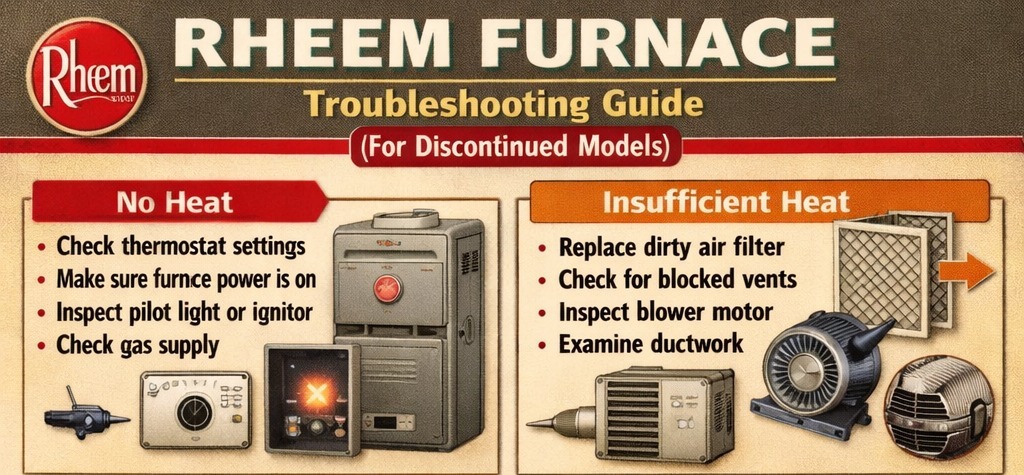
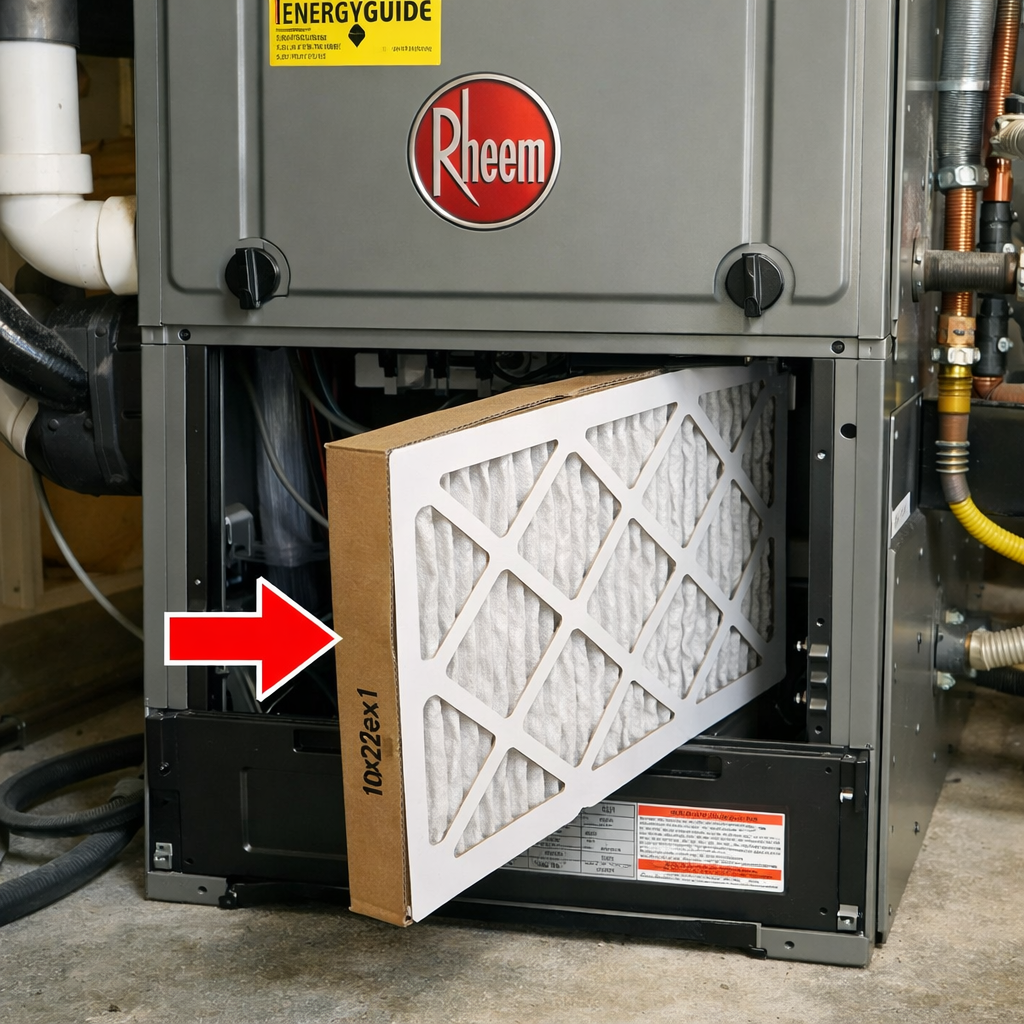
- Replace dirty air filters
- Make sure supply and return vents are not blocked
- Schedule a performance evaluation if comfort does not improve
Aggressive thermostat changes increase stress without improving results.
A Real Wellsburg Example
A homeowner near Charles Street in Wellsburg lived in a 1930s home close to the river with a basement furnace and original ductwork. During a summer heatwave, the air conditioner ran constantly, but the home remained warm and humid.
The system itself was functioning. The real problems were basement moisture increasing humidity load and ductwork that was never designed for modern cooling demands. During average weather, the system kept up. During extreme heat, it could not overcome the added load.
The system was not broken — it was overwhelmed.
The same pattern appears during winter cold snaps when damp basement air makes heating recovery slower.
Why Can’t My AC Keep Up During Wellsburg Heatwaves?
Extreme heat exposes moisture and airflow problems quickly.
Basement Moisture and Humidity Load
River-adjacent basements often hold moisture.
- Damp air feels warmer
- Systems must remove humidity before cooling
- Cooling capacity is reduced
Older or Undersized Ductwork
Many Wellsburg homes were not designed for central air.
- Ducts added later are often too small
- Long runs reduce airflow
- Rooms cool unevenly
Electrical Limitations
Older electrical panels struggle during peak demand.
- Voltage drops reduce compressor efficiency
- Systems lose capacity during hottest hours
- Performance declines without full shutdown
Is It Normal for My Furnace to Run Constantly During Cold Snaps?
Often, yes — but moisture and elevation matter.
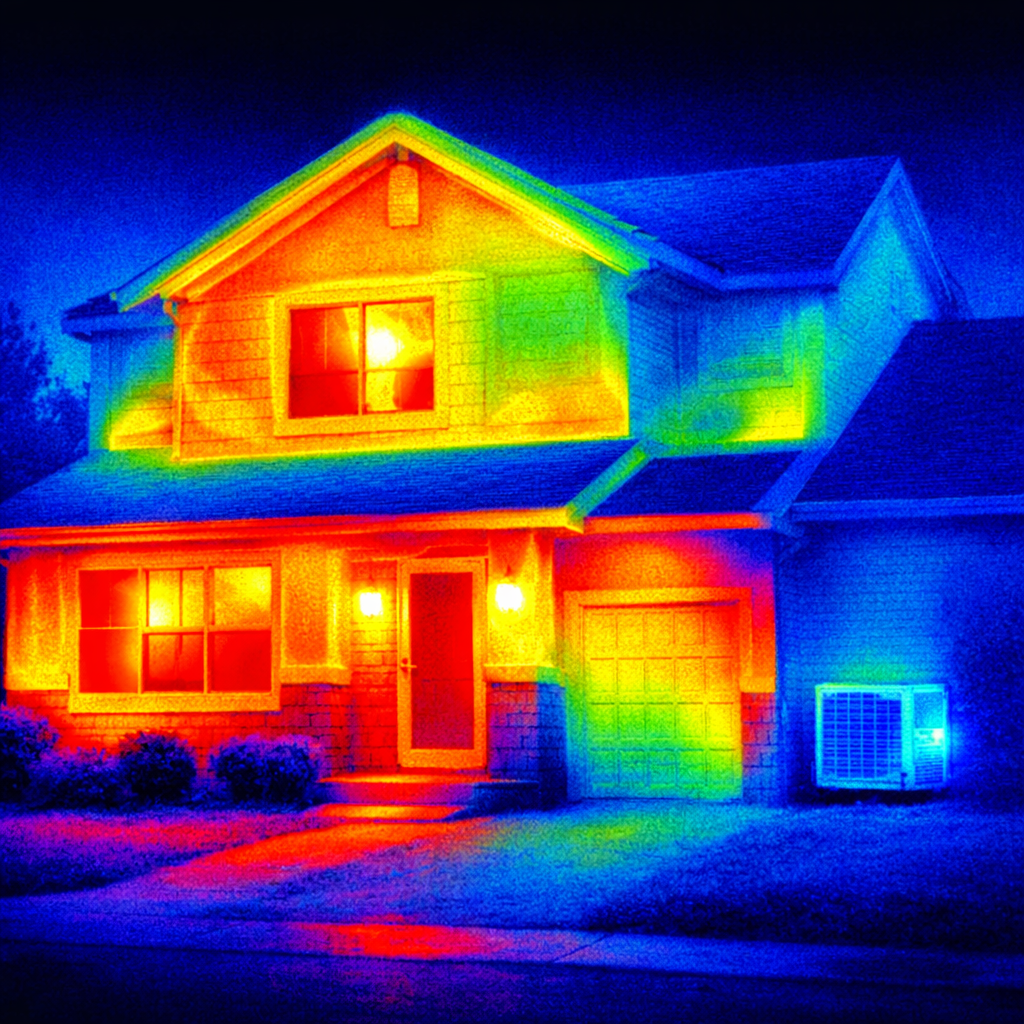
Heat Loss Through Basements and Foundations
- Cold river-adjacent soil pulls heat away
- Basements stay cool and damp
- Furnaces run longer to maintain comfort
Equipment Sized for Average Conditions
- Most systems are sized for typical winter conditions
Alex Largent
Alex Largent is the Owner and Senior HVAC Efficiency Analyst at Honest Fix Heating, Cooling & Plumbing. With more than 20 years of field experience, NATE and EPA certifications, and a hands-on leadership style, Alex teaches his team to fix systems right the first time — with transparency, precision, and no upsells. He writes about HVAC diagnostics, home energy efficiency, and practical maintenance advice for homeowners across the Upper Ohio Valley. Read Alex Largent’s full bio to learn more about his expertise in the HVAC and Plumbing industry. Updated October 2025.