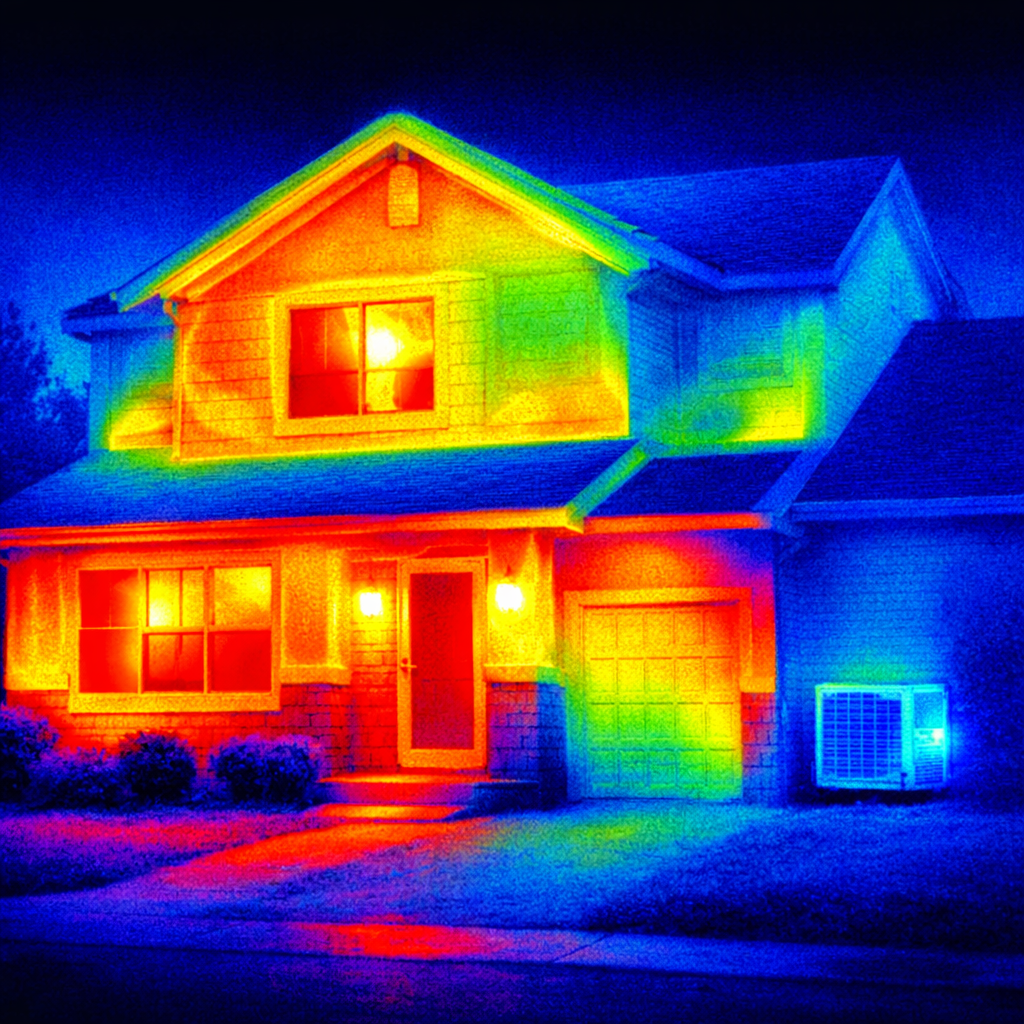
Why Your HVAC Keeps Tripping the Circuit Breaker in Colliers Homes
January 13th, 2026
3 min read
By Alex Largent
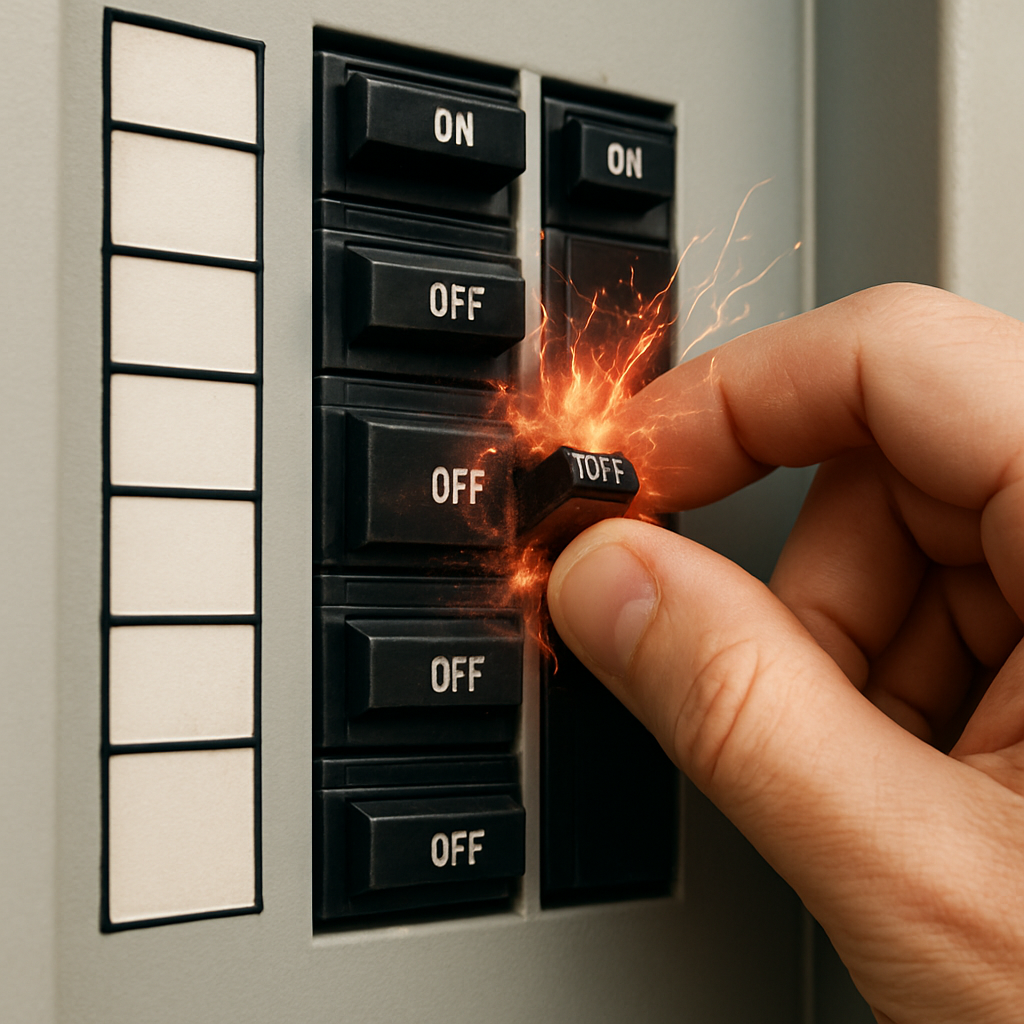
Quick Answer
Your HVAC keeps tripping the circuit breaker because it’s drawing more electrical current than the circuit can safely handle. In Colliers homes, this is most often caused by restricted airflow, a failing motor or compressor, aging electrical components, or a system that isn’t properly matched to the home’s wiring capacity.
In Colliers-area homes, breaker trips are most often tied to airflow restrictions, failing motors, or electrical limits in older electrical panels.
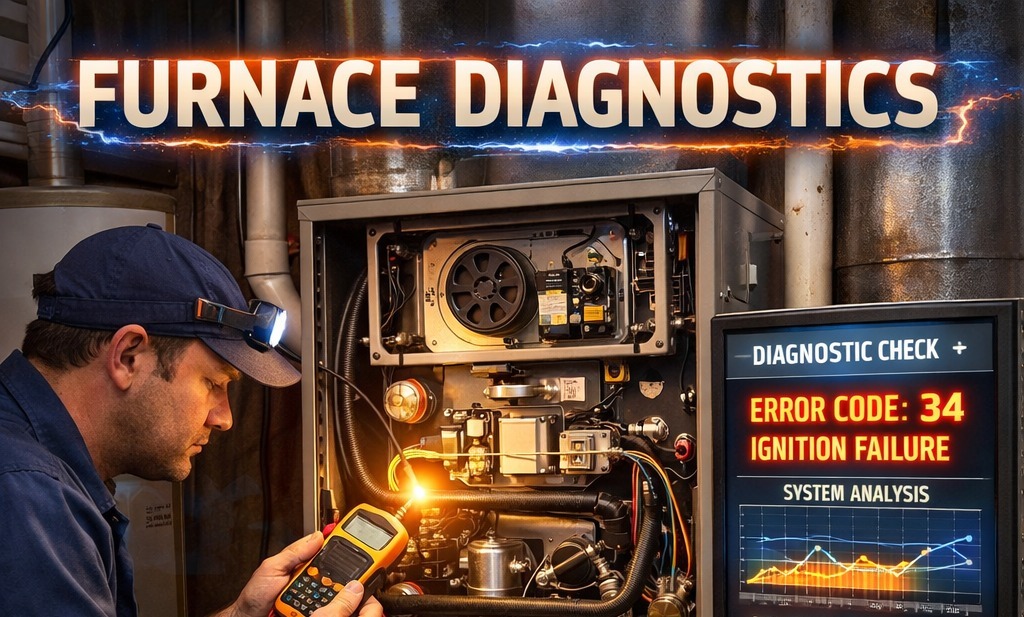
At Honest Fix, breaker issues are diagnosed using amperage testing, electrical inspections, and airflow measurements—not guesses or part swaps.
Why a Tripping Breaker Is a Warning
When a breaker trips, it’s not an inconvenience—it’s a warning. In Colliers and across the Upper Ohio Valley, this issue is common due to hillside construction, older housing stock, basement HVAC installations, and electrical systems that were never designed for today’s heating and cooling loads.
The breaker isn’t the problem—it’s the safety device doing its job.
When breakers trip repeatedly, it means the HVAC system is operating outside safe electrical limits, not that the breaker itself is faulty.
What a Tripping Breaker Is Actually Telling You
Circuit breakers interrupt power when something becomes unsafe.
When an HVAC system pulls more amperage than the circuit can safely carry, the breaker opens to protect wiring, components, and your home.
Excess electrical demand always has a specific, measurable cause.
The Most Common Reasons HVAC Breakers Trip
Restricted Airflow Inside the System
Poor airflow forces motors and compressors to work harder, which increases electrical draw.
This occurs when:
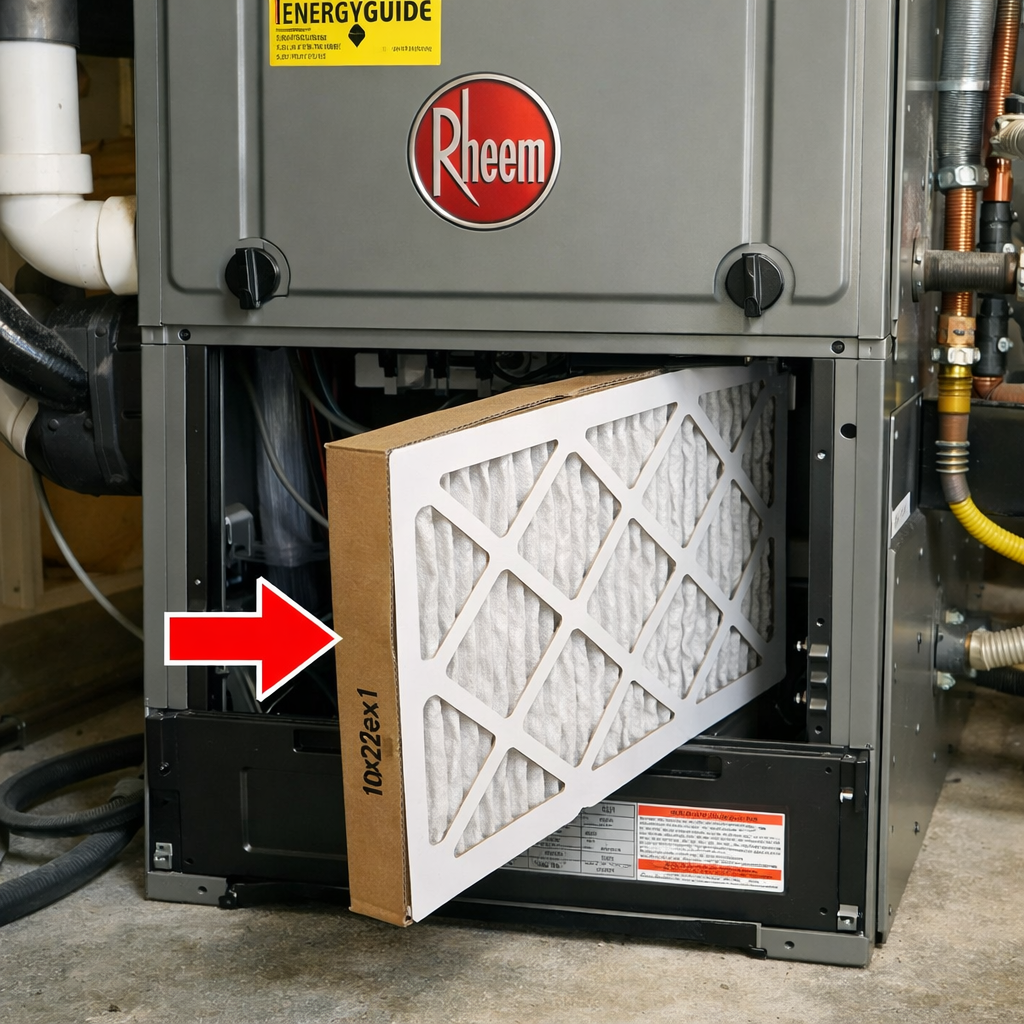
- Filters are clogged or undersized
- Evaporator or condenser coils are dirty
- Ductwork is undersized or deteriorating
This is common in Colliers homes where basement duct systems, split-level layouts, and older return designs restrict airflow. Restricted airflow raises amperage until the breaker trips.
A Failing Compressor or Blower Motor
Electrical wear happens long before a motor completely fails.
As internal windings degrade:
- Startup amperage rises
- Heat builds quickly
- Electrical resistance increases
This leads to startup overload and repeated breaker trips, especially during hot summer afternoons or cold winter mornings.
Electrical Wear Inside the HVAC System
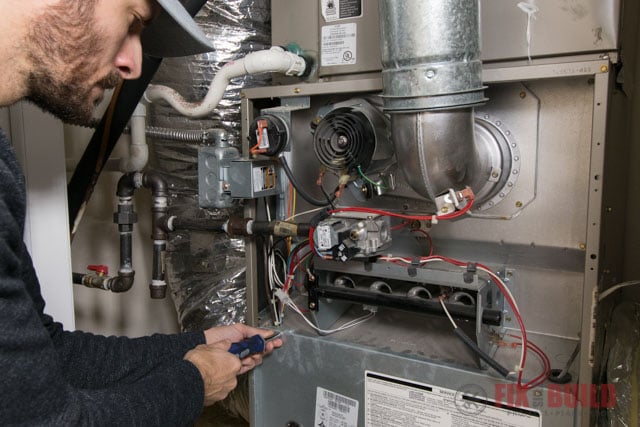
Loose or damaged electrical connections create resistance—and resistance creates heat.
We repeatedly find in Colliers homes:
- Burned contactors
- Loose electrical lugs
- Heat-damaged disconnects
- Wiring that no longer matches system load
This creates heat at connection points until the breaker opens.
Equipment That Doesn’t Match the Home
A system can be newer and still be wrong for the house.
This happens when:
- Higher-efficiency equipment is installed without electrical verification
- Older duct systems are reused without correction
- Breaker size and wire gauge are not confirmed
The system may run—but pulls unsafe amperage under real operating conditions.
Breaker Failure (Less Common Than You Think)
Breakers do wear out, but they are rarely the root cause.
If a breaker is replaced and trips again, the electrical overload was never resolved.
A Real Colliers Home Example
We recently helped a homeowner in a 1970s Colliers split-level home built into a hillside, with a basement HVAC system and incremental electrical updates over the years.
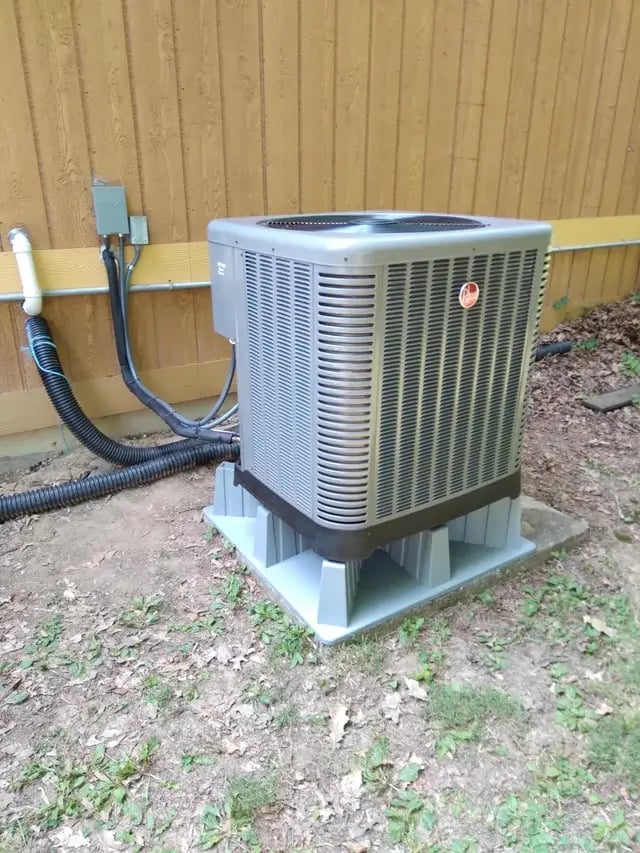
- Outdoor unit installed on a slope with limited clearance
- Electrical panel upgraded in stages
- AC installed about eight years ago
The breaker tripped most often during peak summer heat.
The cause: Restricted airflow combined with elevated startup amperage on aging wiring.
The fix: Airflow corrections, electrical connection repairs, and compressor amp testing—without replacing the breaker or the system.
A Cost Driver Specific to Colliers Homes
Electrical capacity limitations are a major cost driver in Colliers.
Many homes still operate with:
- 100-amp service
- Long circuit runs due to split-level layouts
- Electrical upgrades added over decades
Fixing breaker trips correctly often requires addressing both HVAC performance and electrical capacity—not quick part swaps.
The Most Common Homeowner Mistake
Repeatedly resetting the breaker instead of fixing the cause.
Each reset:
- Accelerates motor wear
- Increases electrical heat stress
- Raises the risk of a major system failure
If it trips once, pay attention.
If it trips twice, stop resetting it.
Neighborhood-Specific Risk Factors in the Ohio Valley
Across Colliers, New Cumberland, Wellsburg, Follansbee, Weirton, Toronto, Wintersville, Steubenville, Mingo Junction, Brilliant, and Hooverson Heights, we consistently see:
- Hillside homes with longer electrical runs
- Basement HVAC systems with limited airflow
- Older panels limiting safe amperage
- Renovations placing modern HVAC equipment on old infrastructure
These conditions increase electrical load stress and breaker trips.
Repair vs. Replacement: How the Decision Is Made
This decision is based on electrical load testing and component condition—not system age alone.
Repairs Usually Make Sense When:
- Airflow or wiring issues are identified
- Motors test within safe amperage limits
- Electrical corrections eliminate overload
Replacement Becomes Smarter When:
- Electrical stress continues
- Major components are failing
- The system was never properly matched to the home
We explain this clearly so you can decide with confidence.
How Our Guarantees Protect You
Service Trust Guardian (Repairs & Diagnostics)
When we repair breaker-related problems, you’re protected by:
- 5-year labor warranty on repairs
- No overtime charges
- Money-back satisfaction protection
- On-time arrival accountability
Lifetime Trust Shield (New Installations)
If replacement is the right path, you’re covered by:
- 15-year labor coverage
- No-lemon system protection
- Energy performance assurance
- Full satisfaction commitment
These are among the strongest protections in the Ohio Valley.
Frequently Asked Questions
Can I just replace the breaker?
You can—but if the HVAC system is overdrawing power, the new breaker will trip as well.
Is this dangerous?
Repeated breaker trips indicate electrical stress and should not be ignored.
Will this keep happening?
Not once the underlying cause is corrected.
What guarantees do you offer?
Repairs are covered by Service Trust Guardian.
Installations are protected by Lifetime Trust Shield.
What to Do Next
If your HVAC system keeps tripping the breaker, don’t guess—and don’t keep resetting it.
We don’t reset breakers, swap parts, or recommend replacements without proving the cause first.
Call Honest Fix today for a free exact quote.
You’ll get clear answers, real diagnostics, and a fix that holds.
Alex Largent is the Owner and Senior HVAC Efficiency Analyst at Honest Fix Heating, Cooling & Plumbing. With more than 20 years of field experience, NATE and EPA certifications, and a hands-on leadership style, Alex teaches his team to fix systems right the first time — with transparency, precision, and no upsells. He writes about HVAC diagnostics, home energy efficiency, and practical maintenance advice for homeowners across the Upper Ohio Valley. Read Alex Largent’s full bio to learn more about his expertise in the HVAC and Plumbing industry. Updated October 2025.