Heat Pump Water Heaters vs. Traditional Water Heaters: Pros & Cons for Ohio Valley Homes
December 2nd, 2025
3 min read
By Alex Largent
Quick Answer
Heat pump water heaters cost more upfront but use far less energy than traditional water heaters, which makes them cheaper to run long-term. Traditional tanks heat water faster, fit in tighter spaces, and cost less on day one. The best choice depends on your home’s space, your fuel type, and how much hot water your family uses.
Why Homeowners Across the Ohio Valley Are Comparing These Two Options
When a water heater fails in Steubenville, Wintersville, Weirton, Follansbee, or Toronto, replacement usually can’t wait. The question we hear most often is:
“Should I upgrade to a heat pump water heater, or stick with a traditional tank?”
After installing thousands of systems over the last 20 years, we’ve learned that both options can be the right choice—but for very different reasons. This guide breaks down the pros, cons, and local pricing so you can choose confidently and avoid regret later.
What Each System Actually Is
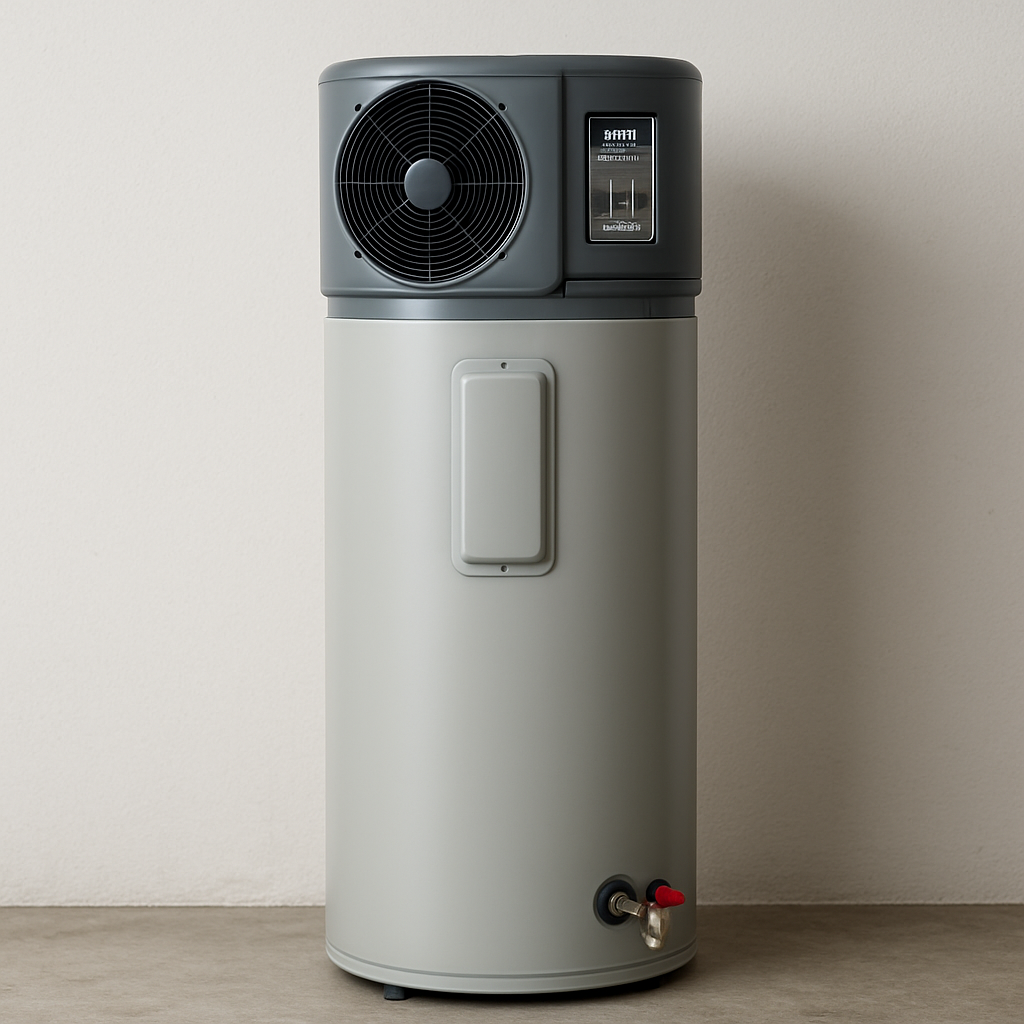
A heat pump water heater uses electricity to pull heat from the surrounding air and move it into the water. Because it transfers heat rather than creating it, it uses significantly less energy.
A traditional water heater heats water directly using either electric elements or a gas burner. This makes recovery faster but energy use higher.
This single difference drives almost every other pro and con.
Pros and Cons: Heat Pump Water Heaters vs. Traditional Water Heaters
Pros of Heat Pump Water Heaters
- Lower monthly energy costs
Heat pump models can reduce water-heating energy use by 50–70%. - Longer lifespan
Many last 12–15 years, outpacing most standard tanks. - Helps control basement humidity
A natural fit for Ohio Valley basements. - Strong long-term savings
Higher efficiency usually pays back the install cost over time.
Cons of Heat Pump Water Heaters
- Higher upfront cost
Hybrid systems average $5,100–$8,700 installed in the Ohio Valley. - Needs more space and airflow
Not ideal for tight closets, small utility rooms, or older homes with limited clearance. - Slower hot-water recovery
Heavy users may notice this during back-to-back showers. - Produces some sound
The small compressor creates noise similar to a window A/C unit.
Pros of Traditional Water Heaters
- Lower upfront price
The most affordable option for urgent replacements. - Faster recovery time
Especially true for gas units. - Fits tight spaces
Works well in older homes with small mechanical closets. - Simple, proven technology
Easy to install and service.
Cons of Traditional Water Heaters
- Higher long-term operating costs
Uses more energy compared to heat pump models. - Shorter lifespan
Most last 8–12 years. - No added dehumidification
Basements stay just as damp. - Venting and combustion safety needs (gas models)
Proper installation matters for safety and performance.
Cost Comparison for Ohio Valley Homes
Heat Pump Water Heater Cost
$5,100–$8,700 installed
Cost varies depending on:
- Needed electrical upgrades
- Condensate drainage
- Efficiency rating
- Installation space and access
Traditional Water Heater Cost
- Gas tank: $2,925–$5,950
- Electric tank: $2,715–$2,725
Operating cost each year:
- Gas: $250–$380
- Electric: $380–$550
These ranges reflect current 2025–2026 pricing across the Upper Ohio Valley.
Who Each System Is Best For
Heat Pump Water Heater Is Best For
- Homes with basements or large utility spaces
- All-electric homes with higher energy costs
- Homeowners planning to stay long-term
- Moderate hot-water demand
Traditional Water Heater Is Best For
- Emergency replacements
- Homes with limited space
- Heavy hot-water use
- Homes with existing natural gas service
Common Misconceptions
“Heat pump water heaters don’t work in cold climates.”
They work great indoors. Basements in the Ohio Valley stay warm enough year-round for efficient operation.
“A heat pump model will cool my whole house.”
It only affects the room it’s installed in—and only slightly.
“Traditional tanks are always cheaper.”
Cheaper upfront, not long-term.
“Gas is automatically better.”
Gas heats faster, but operating costs vary by home.
Local Home Examples
Weirton, WV:
A family replaced a 12-year-old electric tank with a hybrid model. Their electric bill dropped roughly $25–$30 per month, and the basement became noticeably drier.
Toronto, OH:
A home with a small mechanical closet stayed with a traditional gas tank because the heat pump model needed more airflow than the space could provide.
Frequently Asked Questions
Do heat pump water heaters qualify for incentives?
Many qualify for federal credits depending on the model and efficiency rating.
Do both types need annual maintenance?
Yes—annual flushing and safety checks protect performance and lifespan.
What guarantees does Honest Fix offer?
For new water heater installations (Lifetime Trust Shield):
- 10-year labor warranty — longest labor coverage in the region
- 90-day money-back satisfaction guarantee
- No-lemon guarantee (three major failures in year one = replacement)
- Energy-savings guarantee
For repairs and tune-ups (Service Trust Guardian):
- 5-year labor warranty on repairs
- On-time arrival guarantee
- No-overtime-charge guarantee
How do I know which system fits my home?
One of our Comfort Guides can check space, fuel type, electrical load, and usage patterns to recommend the right fit—no pressure, no upsells.
Final Takeaway
Heat pump water heaters offer long-term savings and lower energy usage, making them a great fit for many Ohio Valley homes—especially all-electric ones. Traditional tanks remain the best choice for tight spaces, heavy hot-water use, or fast emergency replacements.
Call Honest Fix today for a free exact quote.
Learn about our guarantees before you decide.
Alex Largent is the Owner and Senior HVAC Efficiency Analyst at Honest Fix Heating, Cooling & Plumbing. With more than 20 years of field experience, NATE and EPA certifications, and a hands-on leadership style, Alex teaches his team to fix systems right the first time — with transparency, precision, and no upsells. He writes about HVAC diagnostics, home energy efficiency, and practical maintenance advice for homeowners across the Upper Ohio Valley. Read Alex Largent’s full bio to learn more about his expertise in the HVAC and Plumbing industry. Updated October 2025.