Why Is My AC Struggling During Heatwaves in Toronto Homes?
February 6th, 2026
3 min read
Quick Answers
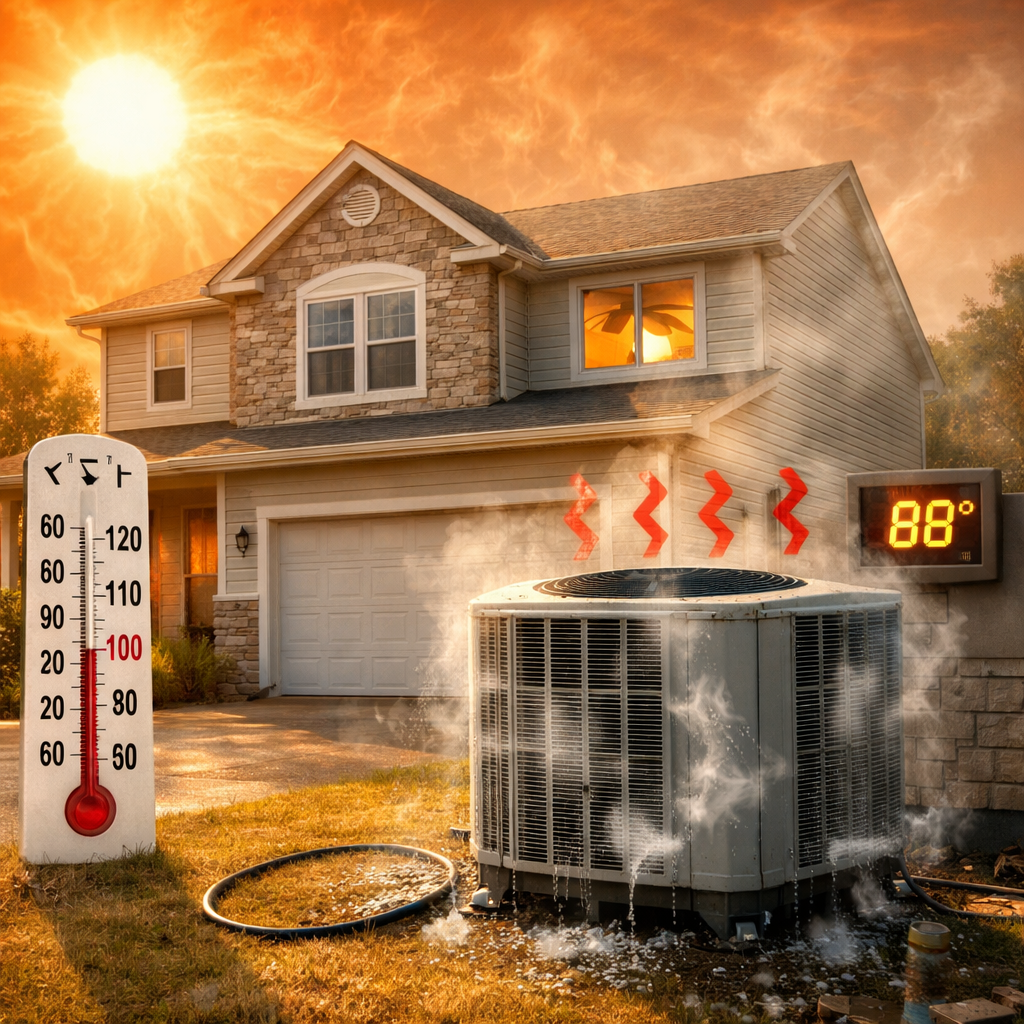
During heatwaves, AC systems struggle due to extreme outdoor heat, high humidity, airflow limits, aging equipment, and electrical strain. In Toronto homes, river-adjacent humidity, older construction, narrow lots, and insulation gaps often push properly sized air conditioners to their design limits during prolonged extreme heat.
Why Heatwaves Affect Toronto Homes Differently
Heatwaves change how air conditioners operate, not just how hot it feels outside.
In Toronto, river proximity and home age matter.
Many homes were built decades before central air was common. AC systems were sized for typical summer conditions, not extended periods of extreme heat. They are intentionally not sized for the hottest day of the year, because oversizing would lead to short cycling, poor humidity control, uneven comfort, and higher wear during most of the season.
Some heatwave struggle is a design tradeoff, not a failure.
The Most Common Reasons AC Systems Struggle During Heatwaves
Extreme Heat Load Beyond System Design
Most residential AC systems are not designed to maintain exact indoor temperatures indefinitely during peak heat.
During heatwaves:
- Outdoor units reject heat less efficiently
- Systems run longer with fewer rest cycles
- Cooling recovery slows during late afternoon hours
In Toronto, limited shade and river-reflected heat can intensify this effect.
Humidity Increasing System Demand
Toronto heatwaves often come with sustained high humidity due to the Ohio River.
High humidity forces the AC to remove moisture and heat at the same time. This is why a slightly higher temperature with controlled humidity often feels more comfortable than a lower temperature with moisture left behind.
Oversized systems actually worsen this issue by shutting off too quickly to manage moisture.
Airflow Limitations Inside the Home
Airflow problems become much more noticeable during heatwaves.
Common Toronto challenges include:
- Duct systems originally designed for heating
- Finished basements without added return air
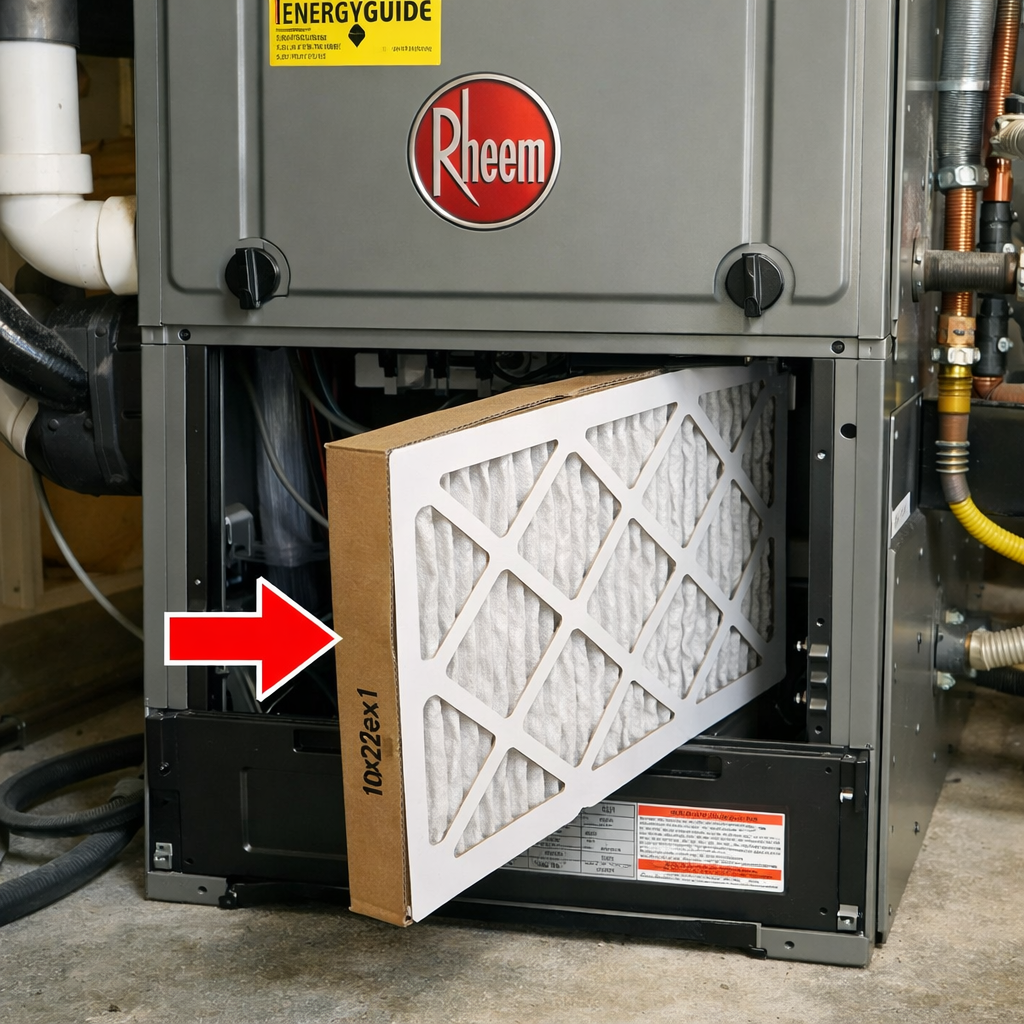
- Dirty or restrictive filters
When airflow drops, cooling capacity drops with it.
Aging Equipment Under Heat Stress
Heatwaves expose wear that mild weather often hides.
Common stress points include:
- Weak capacitors
- Compressors operating at higher temperatures
- Electrical components nearing thermal limits
This doesn’t always mean failure, but it does mean the system is working at its edge.
Electrical Strain During Peak Demand
During extreme heat, neighborhood electrical demand rises sharply.
In Toronto homes, this can lead to:
- Voltage drops during peak afternoon hours
- Control boards reacting to unstable power
- Temporary shutdowns for system protection
Even minor electrical instability can reduce cooling performance during heatwaves.
Normal Heatwave Behavior vs. Warning Signs
Normal during heatwaves:
- Longer run times
- Slower temperature recovery
- Steady but reduced cooling
Not normal and needs attention:
- Warm air from vents
- Repeated shutdowns
- Breakers tripping
- Indoor temperatures continuing to rise
Knowing the difference helps homeowners respond appropriately.
A Toronto-Specific Cost Driver Homeowners Overlook
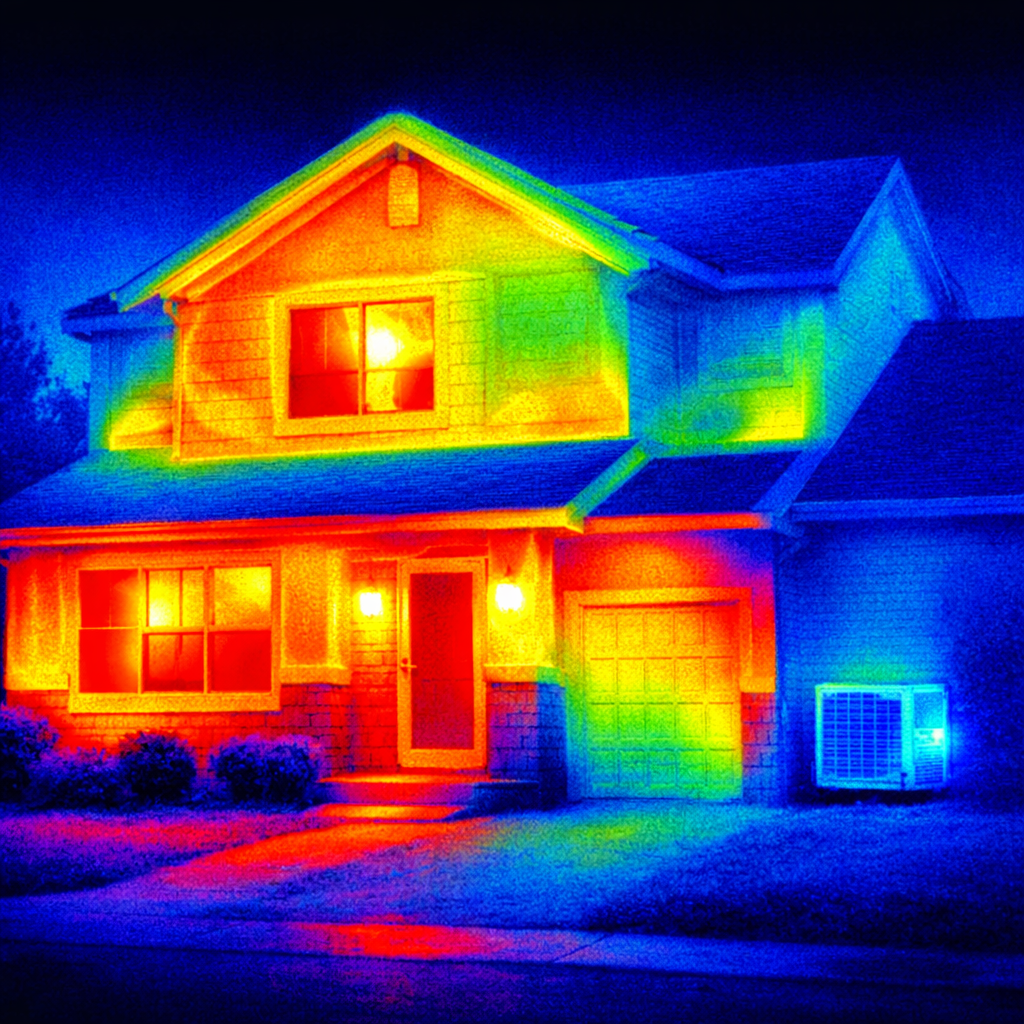
Many Toronto homes have older insulation levels, narrow lots, and early-generation replacement windows. During prolonged heatwaves, heat gain through walls, roofs, and glass increases significantly, forcing the AC to work harder without cooling faster.
This often looks like system failure when it’s actually a home heat-gain issue.
A Common Mistake Toronto Homeowners Make
Lowering the thermostat repeatedly during a heatwave.
This does not make the system cool faster. It increases runtime, humidity strain, and electrical stress. Heatwave comfort comes from balance, not lower thermostat settings.
What Better Heatwave Performance Actually Looks Like
Improved comfort does not always require system replacement. Often it comes from:
- Airflow balancing
- Duct improvements
- Staged or variable-speed operation
- Reducing home heat gain through shading or insulation
There are many steps between “do nothing” and “replace everything.”
How Heatwave AC Problems Are Diagnosed Correctly
Proper diagnosis includes:
- Measuring airflow and temperature drop
- Evaluating humidity removal
- Verifying electrical stability
- Comparing system capacity to actual home heat gain
Heatwave issues should never be diagnosed by symptoms alone.
How Honest Fix Protects You During Extreme Heat
If repairs are needed, Honest Fix backs them with our Service Trust Guardian, which includes:
- 5-year labor coverage on repairs
- No overtime charges
- Money-back satisfaction protection
- On-time arrival and clean work guarantees
If replacement becomes the right option, our Lifetime Trust Shield applies:
- 15-year labor coverage on new system installations
- No-lemon system protection
- Energy performance accountability
- Clear, apples-to-apples price protection
We don’t oversize systems just to survive a heatwave.
Other Cities That Experience These Same Heatwave Issues
These heatwave-related AC struggles are common across:
- Weirton, WV
- Steubenville, OH
- Wintersville, OH
- Mingo Junction, OH
- Brilliant, OH
- Follansbee, WV
- Wellsburg, WV
- New Cumberland, WV
- Colliers, WV
- Hooverson Heights
FAQs About AC Performance During Heatwaves
Is it normal for my AC to run most of the day during a heatwave?
Yes. Longer run times are common during extreme heat.
Why does my home feel humid even when the AC is running?
Humidity increases system workload and affects comfort more than temperature alone.
Should I turn my AC off during peak heat?
No. Turning it off makes recovery harder and increases system strain later.
What guarantees do you offer?
- Repairs are covered by our Service Trust Guardian
- New installations are covered by our Lifetime Trust Shield, including 15-year labor coverage
Final Thoughts
Heatwaves push properly designed AC systems to their limits by design.
In Toronto homes, humidity, airflow, insulation, and electrical capacity all play a role. These issues are common, explainable, and manageable when addressed correctly.
Call Honest Fix today for a free exact quote.
Scott Merritt is a co-founder of Honest Fix Heating, Cooling and Plumbing and brings more than 30 years of experience across HVAC, leadership, and industry education. He serves in a senior leadership and oversight role, providing licensed guidance, reviewing HVAC educational content, and supporting technician training and documentation standards. Prior to co-founding Honest Fix, Scott founded and owned Fire & Ice Heating & Air Conditioning in Columbus, Ohio, which he operated for more than two decades before selling the company in 2025. During that time, he led programs and partnerships including Carrier Factory Authorized Dealer, Trane Comfort Specialist, and Rheem Pro Partner, helping establish high technical and training standards. Scott is the Ohio State HVAC license holder for Honest Fix and provides licensed oversight to help ensure work meets applicable codes and manufacturer requirements. Learn more about Scott’s background and role at Honest Fix by viewing his full leadership bio.