What Issues Can Pets Cause for AC Systems in Wintersville Homes?
February 6th, 2026
3 min read
Quick Answers
Pets can damage AC systems by urinating on outdoor units, chewing exposed wiring, blocking airflow with fur and debris, damaging ductwork, or causing repeated system strain indoors. In Wintersville homes, these issues are most common when outdoor equipment is easily accessible, wiring is not properly secured, or indoor airflow and filtration are not designed for homes with pets.
Why Pet-Related AC Problems Are Common in Wintersville
Pets are a normal part of life in many Wintersville homes, but they can unintentionally create problems for air conditioning systems.
In Wintersville, subdivision layouts and finished basements matter.
Many homes were built in planned developments where outdoor units sit close to side yards, patios, or fence lines. Basements are frequently finished years after construction without airflow upgrades, and HVAC systems were not originally designed to handle the added fur and debris that come with pets.
Over time, these conditions can cause damage that homeowners don’t immediately connect to pets.
The Most Common AC Issues Caused by Pets
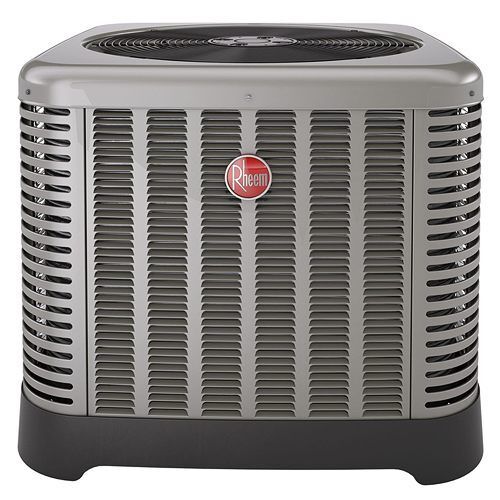
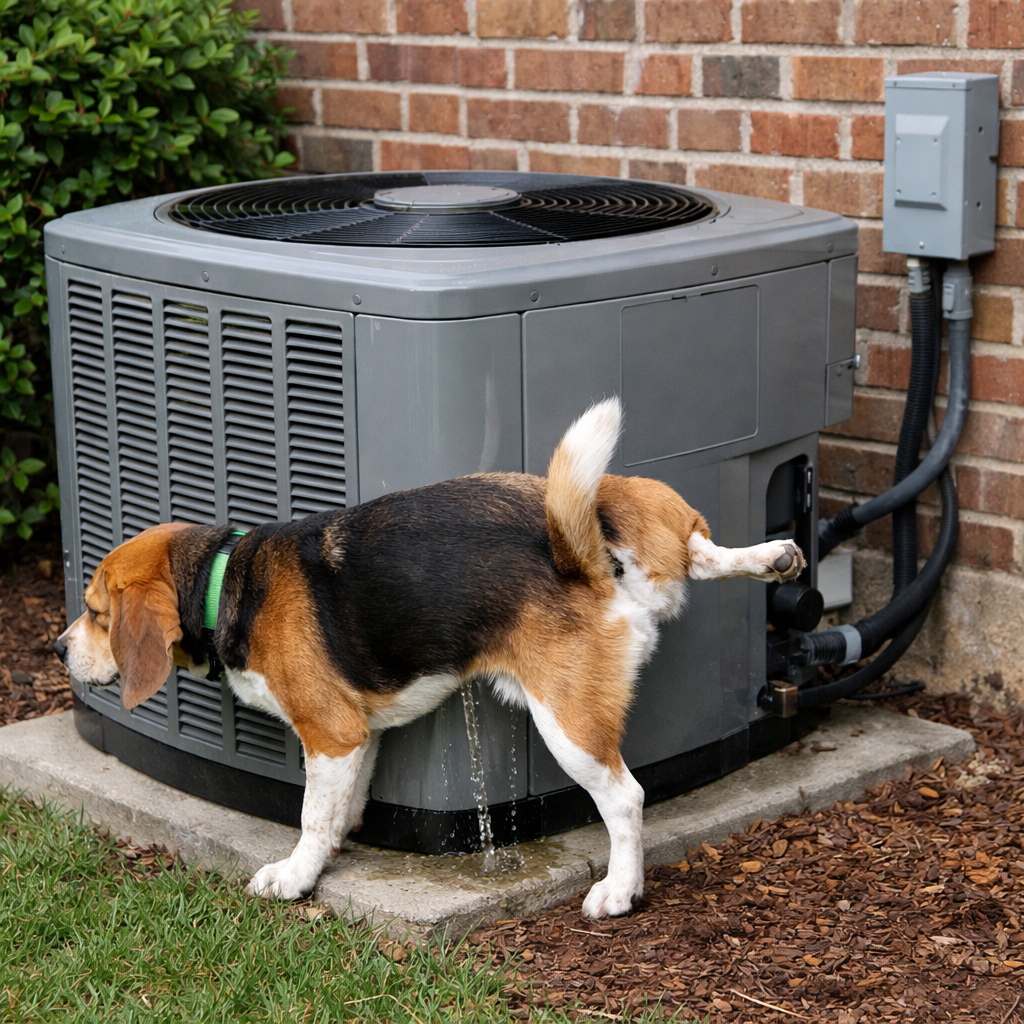
Pet Urination on the Outdoor AC Unit
This is one of the most damaging and overlooked pet-related AC problems.
When dogs repeatedly urinate on the outdoor unit:
- Acidic urine corrodes aluminum fins and copper tubing
- Coil surfaces deteriorate faster
- Refrigerant leaks become more likely
Local example:
A Wintersville home in a residential subdivision where the outdoor unit was installed along a common dog-walking path between yards. Repeated exposure led to coil corrosion and refrigerant loss well before the system reached normal lifespan.
This type of damage happens slowly and is often permanent.
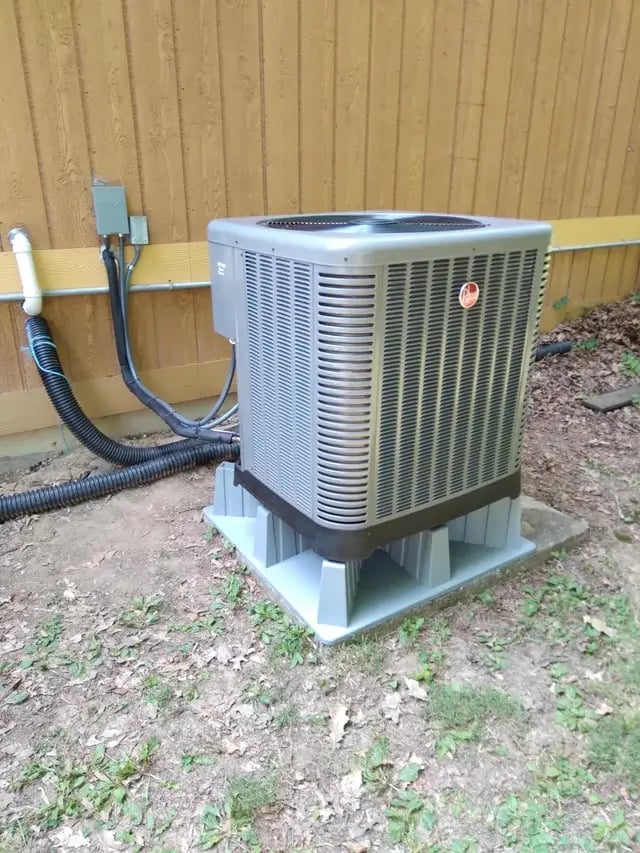
Chewed or Damaged Outdoor Wiring
Pets—especially young dogs—may chew exposed wiring if it is not properly secured.
This can cause:
- Sudden system shutdowns
- Blown fuses or tripped breakers
- Intermittent cooling problems that seem random
Chewed low-voltage wiring can make it look like the thermostat or control board has failed when the issue is actually outside.
Blocked Airflow From Fur, Hair, and Debris
Pet hair circulates easily through a home.
Common airflow-related issues include:
- Air filters clogging far faster than expected
- Fur buildup on indoor coils
- Reduced airflow that triggers safety shutdowns
In Wintersville homes with finished basements, undersized return air often makes these problems appear sooner.
Indoor Damage to Ductwork and Vents
Pets can also damage AC systems indoors by:
- Chewing flexible ductwork in basements or crawl spaces
- Blocking supply or return vents with bedding or toys
- Scratching, bending, or loosening vent covers
These issues restrict airflow and force the system to work harder.
Thermostat and Control Interference
Pets can interfere with system controls by:
- Bumping thermostats mounted low on walls
- Triggering motion-based smart thermostat features
- Affecting temperature readings near pet beds or crates
This can lead to short cycling, uneven cooling, or unnecessary run time.
Early Warning Signs of Pet-Related AC Damage
Homeowners often notice:
- Corrosion or unusual odor near the outdoor unit
- Cooling that works inconsistently
- Breakers tripping after pets are outside
- Filters clogging much faster than normal
Addressing these early can prevent expensive repairs.
A Wintersville-Specific Cost Driver Homeowners Overlook
Many Wintersville homes have outdoor units placed close to fences, patios, or neighboring yards due to subdivision lot spacing. This increases repeated pet contact.
Once corrosion or wiring damage begins, repair costs can rise quickly. Manufacturer warranties typically do not cover pet-related damage, making proper protection especially important.
A Common Mistake Wintersville Homeowners Make
Assuming pet-related damage is unavoidable or cosmetic.
In reality, most pet-related AC damage is preventable with secured wiring, better placement, and simple barriers. These problems are common and do not mean the homeowner did anything wrong.
How Pet-Related AC Problems Are Diagnosed Correctly
A proper evaluation includes:
- Inspecting outdoor coils for corrosion patterns
- Checking wiring routing and protection
- Measuring airflow and filter loading
- Inspecting ductwork in basements or crawl spaces
Pet-related damage is often missed unless it is specifically checked.
How Honest Fix Protects Pet Households
When pet-related AC issues require repair, Honest Fix backs the work with our Service Trust Guardian, which includes:
- 5-year labor coverage on repairs
- No overtime charges
- Money-back satisfaction protection
- On-time arrival and clean work guarantees
If damage leads to system replacement, our Lifetime Trust Shield applies:
- 15-year labor coverage on new system installations
- No-lemon system protection
- Energy performance accountability
- Clear, apples-to-apples price protection
We don’t blame pets—we design and protect systems that account for them.
Other Cities Where These Pet-Related Issues Also Apply
- Steubenville, OH
- Toronto, OH
- Mingo Junction, OH
- Brilliant, OH
- Weirton, WV
- Follansbee, WV
- Wellsburg, WV
- New Cumberland, WV
- Colliers, WV
- Hooverson Heights
FAQs About Pets and AC Systems
Can dog urine really damage an AC unit?
Yes. Repeated exposure can corrode coils and tubing, leading to refrigerant leaks.
Can chewed wiring shut down my AC?
Yes. Damaged wiring can cause full shutdowns or intermittent operation.
Do homes with pets need special air filters?
Often, yes. Higher-capacity filters help prevent airflow problems caused by pet hair.
What guarantees do you offer?
- Repairs are covered by our Service Trust Guardian
- New installations are covered by our Lifetime Trust Shield, including 15-year labor coverage
Final Thoughts
Pets don’t damage AC systems on their own. Unprotected equipment does.
In Wintersville homes, thoughtful placement, secured wiring, and airflow design make all the difference.
Call Honest Fix today for a free exact quote.
Scott Merritt is a co-founder of Honest Fix Heating, Cooling and Plumbing and brings more than 30 years of experience across HVAC, leadership, and industry education. He serves in a senior leadership and oversight role, providing licensed guidance, reviewing HVAC educational content, and supporting technician training and documentation standards. Prior to co-founding Honest Fix, Scott founded and owned Fire & Ice Heating & Air Conditioning in Columbus, Ohio, which he operated for more than two decades before selling the company in 2025. During that time, he led programs and partnerships including Carrier Factory Authorized Dealer, Trane Comfort Specialist, and Rheem Pro Partner, helping establish high technical and training standards. Scott is the Ohio State HVAC license holder for Honest Fix and provides licensed oversight to help ensure work meets applicable codes and manufacturer requirements. Learn more about Scott’s background and role at Honest Fix by viewing his full leadership bio.