What Are the Long-Term Operating Costs of an Inefficient Water Heater in the Ohio Valley?
December 23rd, 2025
4 min read
By Alex Largent
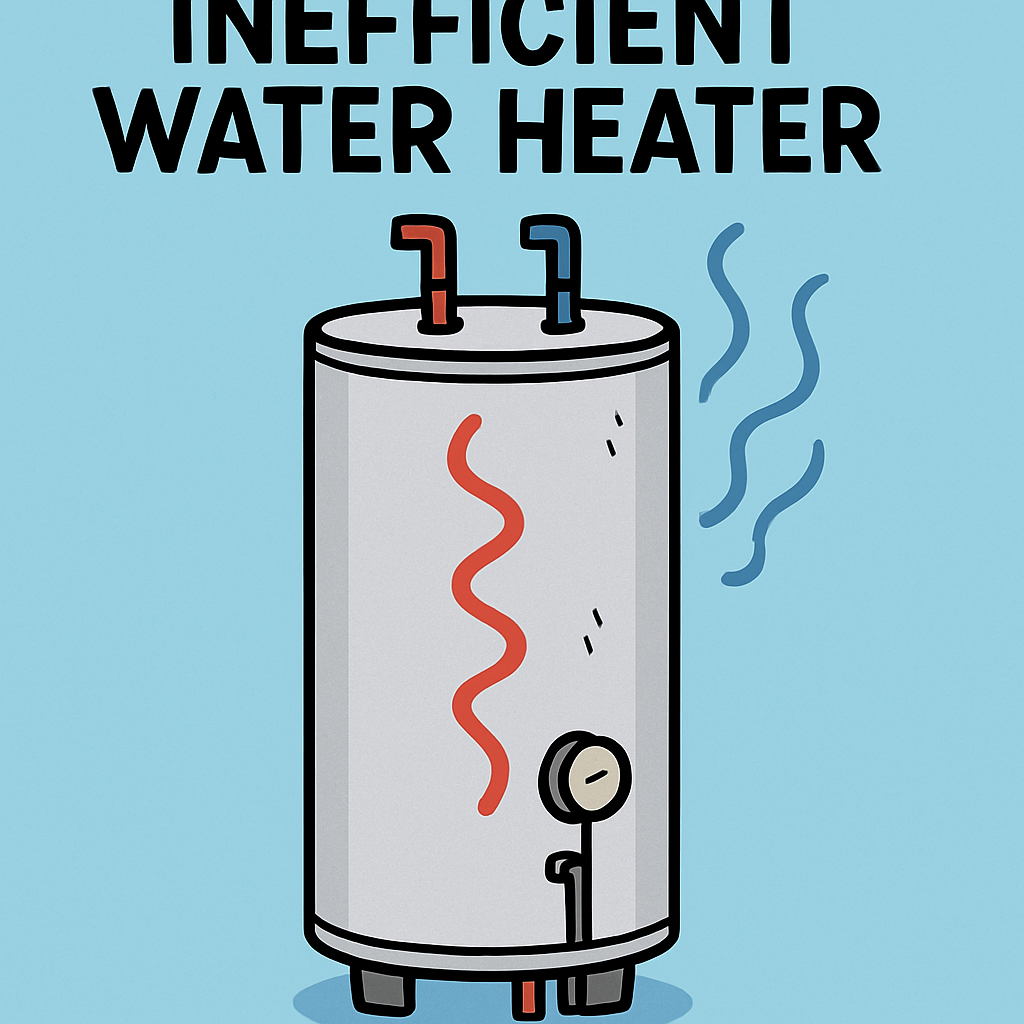
Quick Answer: An inefficient 10+ year-old water heater costs you in higher energy, repeat repairs, and flood risk. In the Ohio Valley, a legacy gas tank can run around $2,500 over 10 years (plus risk) and an old electric tank over $7,000, making early replacement the smarter long-term move.
Why “Inefficient” Means More Than a Low Rating
Older tanks waste energy and carry real flood risk—so the cost isn’t just on your utility bill.
Across Steubenville, Weirton, Wintersville, and surrounding Ohio Valley towns, we routinely see 10–15-year-old tanks with thick sediment buildup and depleted anode rods. Sediment forces the unit to run longer to deliver the same amount of hot water. Corrosion weakens the tank and often ends in leaks. When a water heater reaches the 10-year mark, replacement isn’t an upgrade—it’s a safeguard against risk.
The Three Cost Buckets You’re Paying (Often Without Realizing It)
Long-term cost = Energy Waste + Repairs + Catastrophic Failure Risk.
1. Energy Waste (“Inefficiency Penalty”)
A degraded tank burns extra fuel or electricity because of poor heat transfer. Older gas models average a 0.60 UEF, while older electric tanks around 0.90 use the most expensive energy source per BTU.
2. Escalating Repairs
Common late-life repairs—heating element ($250), thermostat ($200), or gas control valve ($400)—don’t solve the underlying issues of corrosion or sediment buildup.
3. Catastrophic Failure Risk
Corroded tanks don’t simply “shut off.” They rupture and leak, sometimes pushing hundreds of gallons an hour into basements or finished spaces. Cleanup and restoration costs can easily reach several thousand dollars.
The Ohio Valley “Penalty”: Why Our Region Pays More To Heat Water
Colder groundwater increases energy demand—and the cost of inefficiency.
Groundwater temperatures across the Upper Ohio Valley average around 55°F. With a typical water heater setpoint of 120°F, your system must lift that temperature by 65°F—what’s called ΔT. The colder the inlet water, the harder your system works. That makes inefficiency costlier here than in warmer regions and shortens system lifespan.
10-Year “Cost of Inaction”: Legacy Tanks
Here’s what it costs to keep the old one running:
Old Gas Storage (≈0.60 UEF)
- Annual operating cost ≈ $190
- 10-year total ≈ $2,175
- Add one repair ≈ $300
- Total ≈ $2,475 + flood risk
Old Electric Resistance (≈0.90 UEF)
- Annual operating cost ≈ $620
- 10-year total ≈ $6,990
- Add one repair ≈ $250
- Total ≈ $7,240 + flood risk
Key takeaway: An old electric water heater in the Ohio Valley can cost more than three times as much to run as an old gas unit.
What Happens When You Replace?
Modern efficiency options can cut energy use by 50% or more—while reducing risk to near zero.
| Replacement Type | Efficiency (UEF) | 10-Year Energy Cost | Installed Cost | Notes |
|---|---|---|---|---|
| High-Efficiency Gas Storage | 0.81 | ≈ $1,612 | $2,925–$5,950 | Reliable, easy retrofit |
| Gas Tankless | 0.95 | ≈ $1,370 | $5,290–$6,050 | Continuous hot water, longest lifespan |
| Standard Electric (Honest Fix Installed) | 0.93–0.95 | ≈ $6,990 | $2,715–$2,725 | Lowest upfront cost, higher long-term energy spend |
| Heat Pump Water Heater (HPWH) | 3.30 | ≈ $1,914 | $3,800–$4,900 | 60–70% lower energy use, quiet operation |
Example: A Weirton family replaced a 12-year-old electric tank for $2,725 and stopped pouring money into high electric bills. Another household in Steubenville upgraded to a heat pump model for $4,200, slashing their monthly hot-water cost by over 50%.
Total Cost of Ownership (TCO): What It Really Costs To Keep an Old Tank
When you add energy use, repair risk, and replacement cost, “keeping it” is usually the most expensive choice.
| Option | 10-Year Energy | Repair Budget | Risk Level | Replacement Cost | Total 10-Year Liability |
|---|---|---|---|---|---|
| Old Gas Tank | $2,175 | $300 | High | — | ~$2,475 + flood risk |
| Old Electric Tank | $6,990 | $250 | High | — | ~$7,240 + flood risk |
| New High-Eff Gas | $1,612 | Low | Low | $2,925–$5,950 | $4,537–$7,562 |
| New Gas Tankless | $1,370 | Low | Low | $5,290–$6,050 | $6,660–$7,420 |
| New Electric (Honest Fix) | $6,990 | Low | Low | $2,715–$2,725 | $9,705–$9,715 |
| New HPWH (Electric) | $1,914 | Low | Low | $3,800–$4,900 | $5,714–$6,814 |
Conclusion: The standard electric tank offers the lowest upfront cost, but it’s also the least efficient over time. For electric users, upgrading to a heat pump model typically pays for itself in energy savings within a few years.
Common Misconceptions
Clearing up myths helps you make the right long-term decision.
- “My electric tank says 0.90 UEF—so it’s efficient.”
That rating doesn’t reflect operating cost. Electricity costs more per unit of heat. - “I’ll fix one part and get more years.”
Repairs don’t reverse corrosion or sediment loss of efficiency. - “Tankless doesn’t work in our cold climate.”
Properly sized, modern tankless systems perform well even with Ohio Valley’s cold groundwater. - “Heat pump units make rooms cold.”
They move heat from surrounding air but can be ducted or placed to avoid drafts.
When To Replace vs. Wait
You should consider replacing now if:
- Your tank is 10+ years old
- You hear rumbling or see rust
- It’s located in a finished basement or above living space
- You have electric resistance heating (high cost per gallon)
If your unit is under 7 years old: Continue maintenance, install a drain pan and leak alarm, and plan a proactive replacement at the 10-year mark.
FAQs
Do you offer guarantees on new installations?
Yes. Every new installation is protected by our Lifetime Trust Shield, which includes:
- 10-Year Labor Warranty
- No-Lemon Guarantee
- 90-Day Money-Back Satisfaction Promise
What about repairs and maintenance?
Our Service Trust Guardian covers:
- 60-Day Money-Back Guarantee
- 5-Year Labor Warranty on related repairs
- No overtime fees, ever
- Clean worksite or $50 credit
Are you the cheapest?
No—and that’s intentional. Honest Fix prices for reliable work, clear communication, and long-term guarantees.
Who is writing this?
This article is by Alex Largent, owner of Honest Fix Heating, Cooling & Plumbing. Alex has over 20 years of residential HVAC and plumbing experience serving Steubenville, Weirton, Wintersville, and the Upper Ohio Valley.
The Honest Fix Take
If your water heater is over 10 years old, proactive replacement saves money, reduces risk, and eliminates the biggest hidden energy drain in your home.
We’ll help you compare energy options and give you a free exact quote—no guesswork, no pressure.
Call Honest Fix today for a free exact quote.
Learn
Alex Largent is the Owner and Senior HVAC Efficiency Analyst at Honest Fix Heating, Cooling & Plumbing. With more than 20 years of field experience, NATE and EPA certifications, and a hands-on leadership style, Alex teaches his team to fix systems right the first time — with transparency, precision, and no upsells. He writes about HVAC diagnostics, home energy efficiency, and practical maintenance advice for homeowners across the Upper Ohio Valley. Read Alex Largent’s full bio to learn more about his expertise in the HVAC and Plumbing industry. Updated October 2025.