Quick Answer
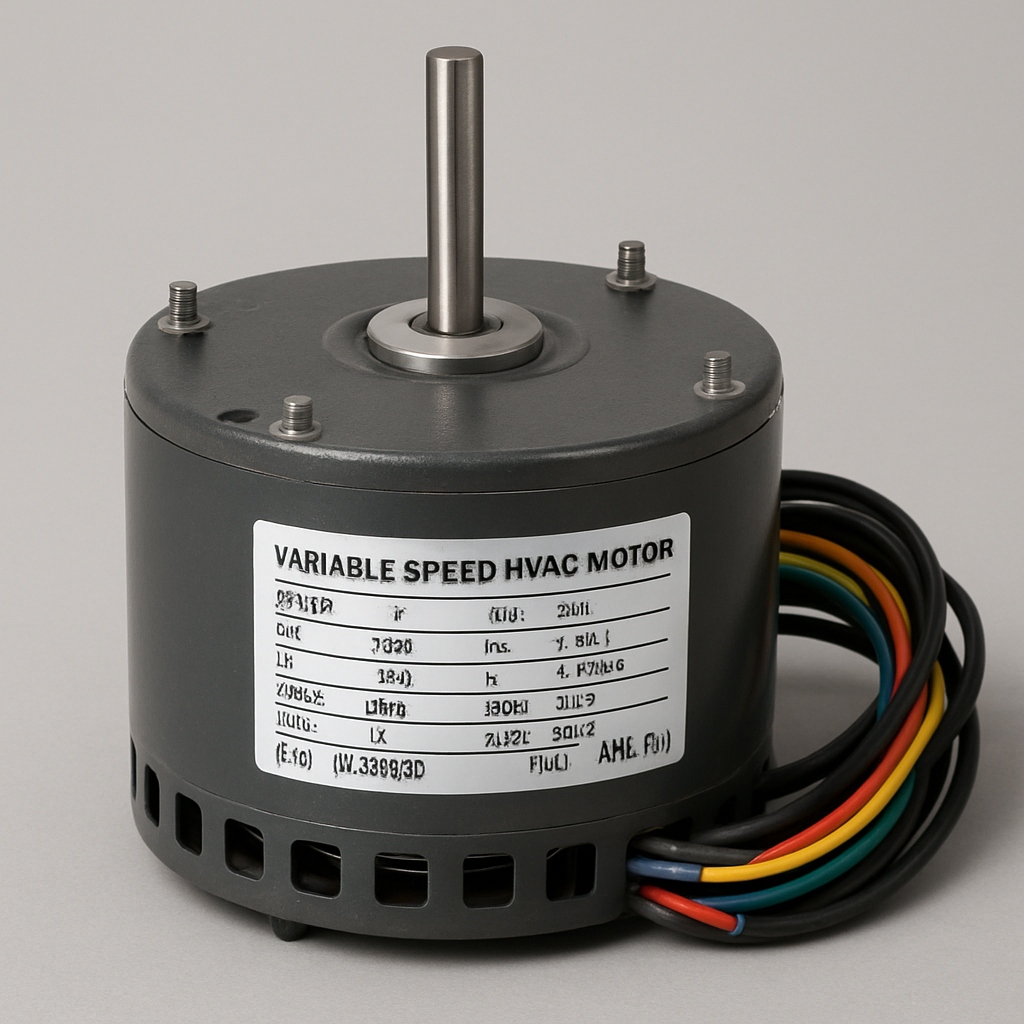
A variable-speed HVAC motor automatically adjusts how fast it runs to keep your home’s temperature and humidity steady. Compared to single-speed systems that are either “all on” or “all off,” variable-speed motors are quieter, more efficient, and deliver even comfort year-round.
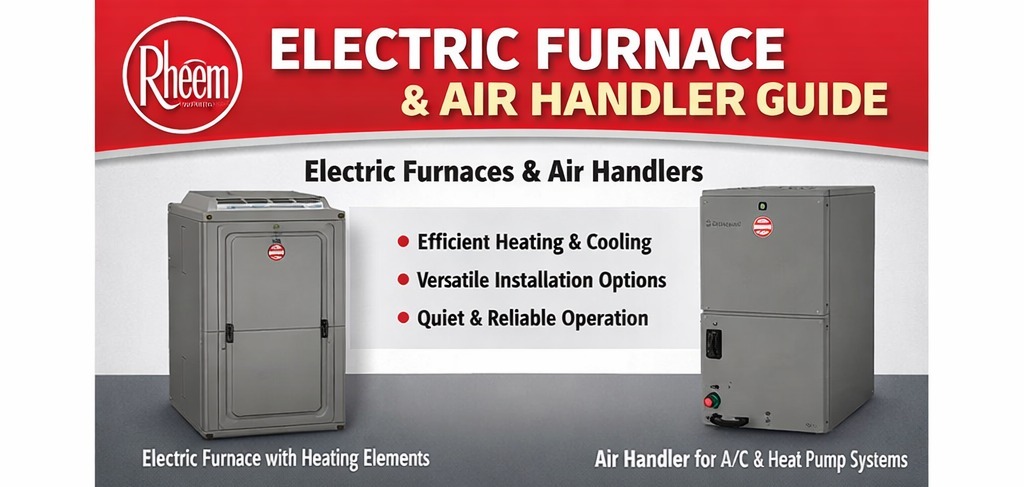
A variable-speed motor is an electronically controlled fan that changes speed automatically to match your home’s heating or cooling needs. That means your furnace or air conditioner no longer has to run at full blast every time it starts.
Local HVAC Tip
Homes in the Upper Ohio Valley face wide humidity swings between January and July. A variable-speed system automatically adjusts airflow to keep air balanced year-round—without constant thermostat changes.
Why Homeowners in the Upper Ohio Valley Are Asking About Variable-Speed Systems
For homeowners across the Upper Ohio Valley—from Weirton to Steubenville—comfort and efficiency matter through cold winters and humid summers.
If your furnace or air conditioner sounds like a jet taking off every time it starts—or if some rooms are hot while others stay cool—your blower motor could be the reason. Many older systems still use single-speed motors that run at full blast, stop abruptly, and repeat that cycle all day.
After more than 20 years of helping families from Steubenville to Weirton upgrade to modern comfort systems, I’ve seen firsthand how a variable-speed motor can change everything about how a home feels—and how much energy it uses.
In this article, you’ll learn:
- How single-, two-, and variable-speed motors work
- Why variable-speed delivers steadier comfort and lower noise
- The energy, air-quality, and reliability benefits you’ll notice
- What drawbacks or costs to weigh before you decide
Technical Primer: What “Variable-Speed” Actually Means (In Plain English)
- The motor type: Today’s variable-speed blowers use Electronically Commutated Motors (ECMs). An ECM is a DC motor with an onboard inverter and smart controls, so it can run at many speeds—not just on/off.
- “Stages” vs. “Speeds”: “Stages” describe heating/cooling capacity (for example, a two-stage furnace). “Speeds” describe the blower’s airflow. A two-stage furnace can still have a single-speed blower. For best results, pair variable-speed airflow with multi-stage or variable-capacity equipment so the system can communicate and modulate together.
- Why it feels better: Instead of blasting, stopping, and letting temps drift, a variable-speed blower runs longer at low power to hold temperature and humidity steady.
How HVAC Motor Speeds Work
Single-Speed (Legacy PSC Motors)
Older PSC motors have two settings—off or 100 percent on.
They’re inexpensive but:
- Noisy when they start and stop
- Hard on equipment due to sudden strain
- Less efficient, wasting electricity during each cycle
- Being phased out as standards rise
Two-Stage (Mid-Range ECM)
Two discrete speeds (low/high). Quieter and more efficient than PSC, but still limited.
Variable-Speed (Full ECM/Modulating)
A true electronically controlled motor (ECM) adjusts airflow dozens of times per minute. It ramps up gently—like easing onto a highway. Once your home reaches the set point, it holds it at a low, steady speed.
Result: fewer starts, longer life, and a home that stays the same temperature everywhere.
Why Variable-Speed Means Total Comfort
Think of your home’s air like salad dressing—when it sits still, layers separate. A single-speed blower mixes the air briefly, then stops; the layers separate again.
A variable-speed blower keeps the air slowly moving all the time, keeping temperature and humidity evenly mixed. That’s why rooms upstairs in Wellsburg or Follansbee stay just as comfortable as those on the first floor.
Key benefits homeowners notice immediately:
- Even temperatures in every room
- Steadier humidity—no sticky summers or overly dry winters
- Quieter operation with gentle starts and stops
For example, one family in Wintersville upgraded to a variable-speed furnace last winter and noticed their second floor finally matched the downstairs temperature—without cranking the thermostat.
Additional Advantages
1) Energy Efficiency & Lower Bills
A variable-speed motor runs much of the time at reduced power. At lower speeds, it can use dramatically less electricity than a single-speed motor, which translates to real monthly savings—especially during summer humidity control.
2) Healthier Indoor Air
Because the fan moves air more consistently, your filters and whole-home accessories (humidifiers, dehumidifiers, purifiers) do more work. That means cleaner air and fewer allergens circulating.
3) Equipment Protection
Single-speed systems heat and cool metal parts rapidly, which stresses components. Variable-speed systems start softly and modulate, reducing wear on the heat exchanger, coil, and compressor.
4) Ideal For Zoning & Smart Thermostats
Variable airflow helps your system deliver the right amount of air to each zone, preventing hot-and-cold-spot tug-of-war.
What About The Drawbacks?
- Upfront price: Variable-speed systems cost more to buy. Many homeowners recoup the difference through energy savings in about 4–5 years, then keep saving afterward.
- Advanced parts: ECM motors include control boards that can cost more to replace—but typically fail less often.
- System matching: To unlock full comfort and efficiency (and keep warranties intact), your furnace/air handler and AC/heat pump should be matched and communicating.
If you expect to move within a few years, a two-stage system might be the smarter spend. If you’re staying in your Upper Ohio Valley home, variable-speed usually delivers the best comfort-to-cost ratio.
Cost: Full System vs. Motor-Only Replacement (Ohio Valley Reality)
Most homeowners ask two separate cost questions. Here are both.
A) Full Variable-Speed Furnace + AC/Heat Pump Installation
For our area, a typical high-efficiency, variable-speed furnace and air-conditioner project runs $9,800–$15,500, depending on sizing, layout, ductwork, and controls.
Incentives:
- Federal Energy Efficient Home Improvement Credit (25C) can be up to $600 for qualifying furnace/AC projects (higher caps apply to qualifying heat pumps). Your eligibility depends on the specific equipment ratings and year-to-year limits.
- Some utilities offer targeted rebates (varies by provider, enrollment rules apply).
We’ll walk you through current options during your quote.
B) Motor-Only Replacement (When The Rest Of The System Stays)
If your existing system is otherwise sound and you’re only replacing the blower motor with a variable-speed unit:
- Typical installed total: $825–$2,050 (Ohio/Midwest norms)
- Motor part: $600–$1,500
- Labor (2–3 hours): $225–$450
- Diagnostic fee: $50–$100
Potential extras (if needed): ECM control module $225–$850; blower wheel $25–$300; capacitor $10–$50
Important fit note: A motor-only upgrade may be limited by your existing control board and equipment “staging.” You’ll get some gains, but the full comfort/efficiency benefits require a matched communicating system. In some homes, a motor-only retrofit isn’t practical—and replacing the air handler or furnace is the right path technically.
Payback: For homes that can benefit from a motor-only upgrade, typical energy savings often return the investment in about 4–5 years. After that, the savings are yours.
Frequently Asked Questions
What’s The Average Cost Here In The Upper Ohio Valley?
- Full high-efficiency, variable-speed furnace + AC install: $9,800–$15,500
- Motor-only replacement: $825–$2,050 (plus any needed control parts)
Will A Variable-Speed Motor Raise My Electric Bill Since It Runs Longer?
No. It draws far less power at low speeds, and the extra runtime is what evens out temperature and humidity. Many homes see 15–25% total HVAC energy savings in year one.
Is It Really Quieter?
Yes. The soft-start ramp avoids the big “whoosh,” and most operation happens at low, barely audible speeds.
Do You Offer Guarantees?
Yes. New installations are protected by the Honest Fix Lifetime Trust Shield (labor coverage up to 15 years, 90-day money-back satisfaction, no-lemon replacement in year one for repeated major failures, and an energy-savings guarantee). For service work, our Service Trust Guardian covers items like a 5-year labor warranty on repairs, on-time arrival credits, and no overtime charges.
Should You Upgrade?
If your current system is:
- Over 10 years old
- Failing to keep rooms evenly comfortable
- Loud or short-cycling
…a variable-speed system can transform both comfort and efficiency. Families in Steubenville, Weirton, and Toronto, OH who’ve upgraded with Honest Fix consistently report smoother temperatures and noticeably lower utility bills.
Call Honest Fix today for a free exact quote.
Learn about our guarantees before you decide.
Alex Largent is the Owner and Senior HVAC Efficiency Analyst at Honest Fix Heating, Cooling & Plumbing. With more than 20 years of field experience, NATE and EPA certifications, and a hands-on leadership style, Alex teaches his team to fix systems right the first time — with transparency, precision, and no upsells. He writes about HVAC diagnostics, home energy efficiency, and practical maintenance advice for homeowners across the Upper Ohio Valley. Read Alex Largent’s full bio to learn more about his expertise in the HVAC and Plumbing industry. Updated October 2025.