What Happens When Your Water Heater Is Oversized or Undersized in Steubenville or Weirton?
December 1st, 2025
4 min read
By Alex Largent
Quick Answer:
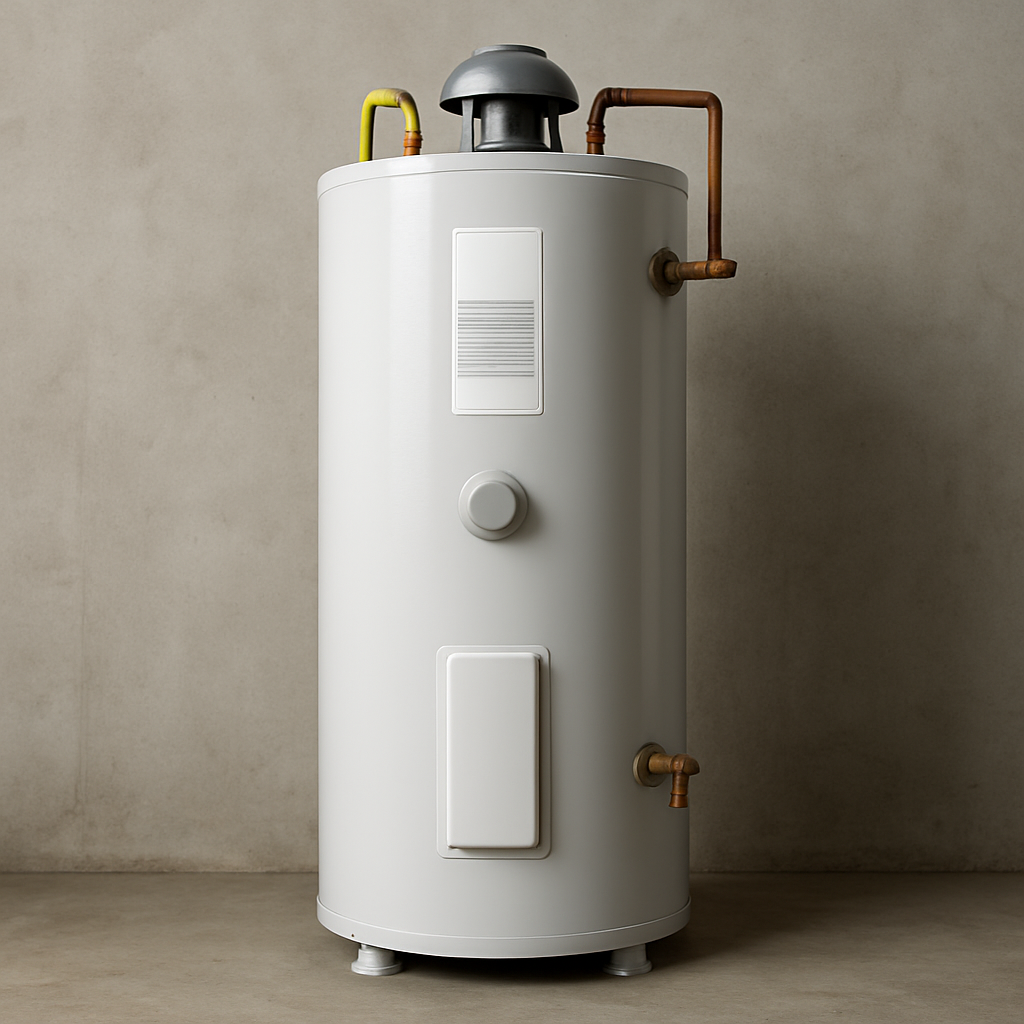
An oversized water heater wastes energy, costs more to run, and wears out faster. An undersized unit can’t keep up, causing lukewarm showers, long recovery times, and constant strain on the system. Both issues are common in Steubenville and Weirton homes when the water heater wasn’t sized to the household.
Why Water Heater Size Matters More in the Ohio Valley
When a water heater doesn’t match the home it serves, the problems show up in comfort, energy use, and the lifespan of the system.
Across Steubenville, Weirton, Wintersville, and nearby towns, we regularly see situations like:
- A family in Steubenville’s LaBelle neighborhood added a second bathroom but kept their old 40-gallon tank. Within weeks, they were fighting over hot water every night.
- A homeowner in Weirton Heights inherited an oversized 75-gallon tank. Their gas bill was noticeably higher than their neighbors—yet they never used most of that stored water.
Sizing mistakes usually come from replacing equipment “like for like,” not from evaluating how the home or family has changed.
Problems Caused by an Oversized Tank Water Heater
Oversized tanks sound safe, but they often create hidden costs and unnecessary wear.
1. Higher Energy Bills for Water You Don’t Use
Large tanks heat and reheat a big volume of water all day, even when the home barely uses it.
2. More Stress on the Tank and Burners
Oversized tanks cycle on and off more often, which can shorten the life of burners, controls, and flues.
3. Earlier Wear, Rust, and Leaks
More water volume means more weight and thermal expansion inside the tank. That can lead to faster corrosion and earlier failure.
4. Paying More Up Front With No Benefit
If your household doesn’t need a 75-gallon tank, you’re paying extra for something you won’t use.
Bottom line: A bigger tank isn’t a better tank—it’s often a more expensive one.
Problems Caused by an Oversized Tankless Water Heater
Tankless heaters still run inefficiently when they’re too large. Common issues include:
- Short cycling during small hot-water draws
- Large gas or electrical demands that the home may not support
- Reduced efficiency when the unit operates at its lowest firing rate
Oversized tankless systems cost more to install and rarely deliver the efficiency homeowners expect.
Problems Caused by an Undersized Tank Water Heater
This is the most common issue we see in older Ohio Valley homes.
1. Running Out of Hot Water Constantly
A tank that’s too small simply can’t keep up with showers, laundry, and dishwashing.
2. Long Recovery Times
A small tank may need 30–60 minutes or more to recover after heavy use.
3. Overheating the Tank to “Make It Work”
Many homeowners turn the temperature up to compensate. This increases scald risk and accelerates wear.
4. More Frequent Repairs
Undersized tanks fire harder and more often, which can reduce lifespan and increase maintenance cost.
Problems Caused by an Undersized Tankless Water Heater
Tankless units fail fast when undersized—especially in winter.
1. Lukewarm Showers With Multiple Fixtures Running
Tankless systems can only heat a specific flow rate at a specific rise in temperature. Add a second shower, and temperatures drop quickly.
2. The Unit Running at Full Load Constantly
Running at max output all the time accelerates wear on sensors, valves, and heat exchangers.
3. Increased Error Codes and Shutdowns
Undersized tankless units often trigger “cold water sandwich” behavior, fluctuating temperatures, or overheat protection.
The Hidden Cost of Sizing Mistakes
Even though this is a problems article, homeowners still care about cost.
Here’s what oversizing and undersizing cost you over time:
Oversized systems cost you through:
- Higher utility bills
- Higher upfront equipment cost
- Shorter equipment life due to cycling
Undersized systems cost you through:
- Repeat service calls
- Overworked components
- Earlier replacement
A single inefficient or overworked tank can cost $2,500–$7,000 in wasted energy over 10 years. In the Ohio Valley—where groundwater averages about 55°F—water heaters already work harder than in warmer regions, making sizing accuracy even more important.
How to Tell If Your Water Heater Is the Wrong Size
Ask yourself:
- Do you constantly run out of hot water?
- Does temperature drop when multiple fixtures run?
- Has your home changed (extra bathroom, finished basement)?
- Is your gas or electric bill unusually high?
- Does your tank or tankless system run nonstop or cycle constantly?
If you’re saying yes to two or more, the unit may be the wrong size—not necessarily failing.
How Honest Fix Sizes Water Heaters the Right Way
At Honest Fix, we don’t choose equipment based on what’s in stock. We size systems based on how your family actually uses hot water.
Our sizing process includes:
- A walk-through of your home
- Identifying the number and type of fixtures
- Understanding your shower, laundry, and dishwashing routines
- Evaluating groundwater temperature and winter inlet temperatures
- Checking your gas line, electrical capacity, and venting
- Factoring in remodel plans or family growth
We explain the options clearly, with no pressure and no upsells.
Who Honest Fix Is—and Isn’t—a Good Fit For
We’re a good fit for homeowners who:
- Want the water heater sized correctly the first time
- Prefer clear answers over vague estimates
- Value long-term safety and reliability
- Want written guarantees that protect their investment
We may not be the best fit if you’re searching for the lowest upfront price or prefer to DIY plumbing work. Honest Fix focuses on work done the thorough way—not the fast way.
What Guarantees Cover Your Water Heater Work
Since this topic includes both repair and replacement, here’s the clear difference:
For new water heater installations
You’re protected by the Lifetime Trust Shield, which includes:
- Long-term labor coverage
- A no-lemon guarantee
- A 90-day satisfaction promise
For repairs, maintenance, or troubleshooting
You’re covered by the Service Trust Guardian, which includes:
- A 5-year labor warranty on related repairs
- No overtime charges
- A clean-work-area guarantee
With both, you get written protection—never verbal promises.
FAQs
1. Can sizing problems be fixed without replacement?
Sometimes. We can improve flow, reduce restrictions, or adjust temperatures. But if the unit is severely oversized or undersized, replacement is often the honest long-term fix.
2. What’s the right size for my home?
It depends on your fixtures, family size, water-use habits, and winter inlet temperature. A Comfort Guide can size it correctly during a short home visit.
3. Does a bigger tank mean more hot water?
Not necessarily. A properly sized tank with a good recovery rate often outperforms a large, inefficient one.
4. Do tankless systems work well in our cold climate?
Yes—when sized correctly. Tankless sizing depends heavily on groundwater temperature, which we account for.
5. What guarantees do you offer?
New installations are covered by the Lifetime Trust Shield. Repairs and maintenance are protected by the Service Trust Guardian.
Your Next Step
If your water heater isn’t keeping up—or you think it may be the wrong size—we can help you figure out the exact cause and layout clear options without pressure.
Call Honest Fix today for a free exact quote.
Alex Largent is the Owner and Senior HVAC Efficiency Analyst at Honest Fix Heating, Cooling & Plumbing. With more than 20 years of field experience, NATE and EPA certifications, and a hands-on leadership style, Alex teaches his team to fix systems right the first time — with transparency, precision, and no upsells. He writes about HVAC diagnostics, home energy efficiency, and practical maintenance advice for homeowners across the Upper Ohio Valley. Read Alex Largent’s full bio to learn more about his expertise in the HVAC and Plumbing industry. Updated October 2025.