Why Is My Gas Bill Higher Than Expected in Steubenville/Weirton?
November 27th, 2025
4 min read
By Alex Largent
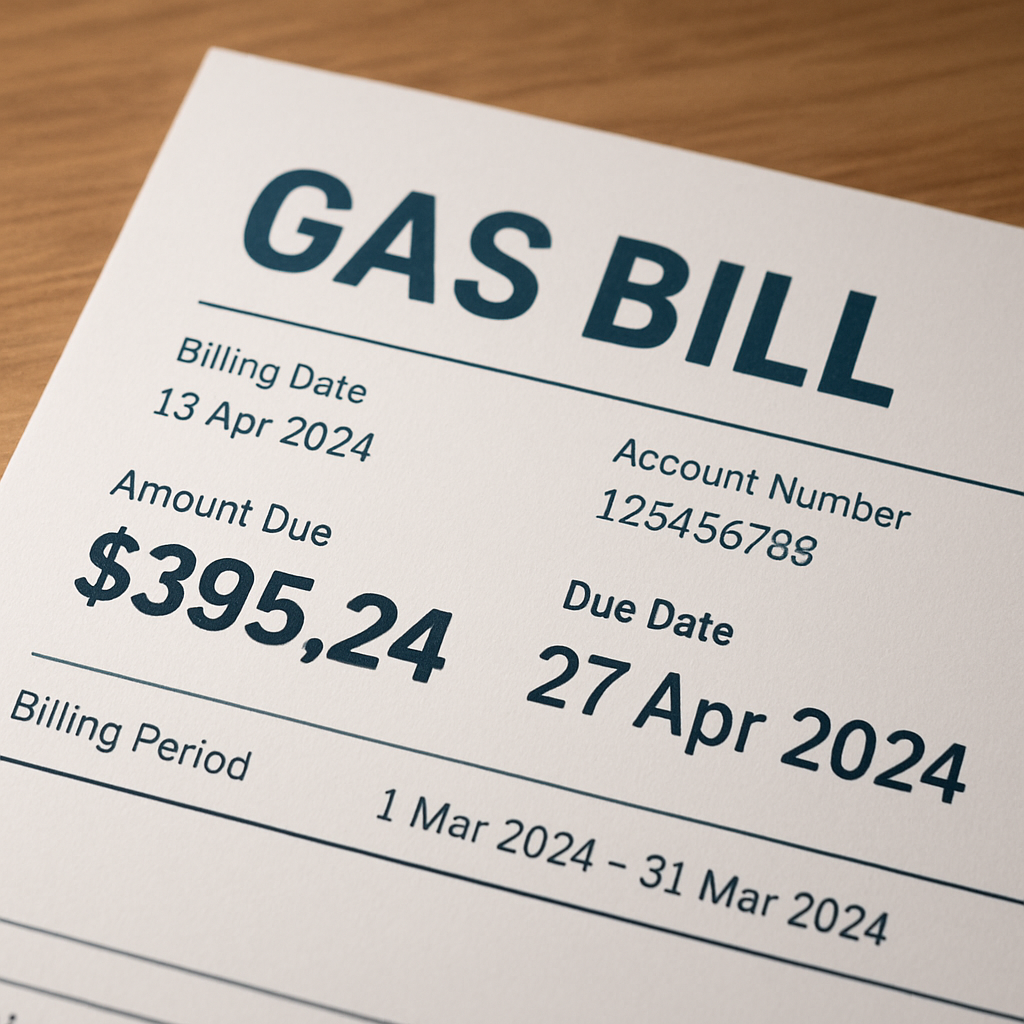
Quick Answer
If your gas bill in Steubenville or Weirton suddenly jumped, your furnace or water heater is likely running longer than it should. The most common causes are dirty filters, short cycling, leaky ducts, or sediment in the water heater—each of which forces your system to burn extra gas to keep up.
In plain terms:
Your equipment is working harder than normal because something is blocking airflow, wasting heat, or slowing down the water-heating process.
Why Your Gas Bill Is Higher Than Expected in Steubenville/Weirton
Every winter, homeowners across Steubenville, Wintersville, Weirton, and Follansbee reach out asking why their gas bill suddenly spiked—even when the thermostat never changed. When your bill doubles without using more heat or hot water, the problem almost always comes from mechanical inefficiency inside your furnace or water heater.
In many Upper Ohio Valley homes, older ductwork, hard water, and aging HVAC systems create hidden inefficiencies that go unnoticed until the utility bill arrives.
Below are the mechanical issues that most often cause high gas bills in our region and how to spot them quickly.
Furnace Issues That Increase Gas Usage
Dirty Filters and Airflow Restrictions
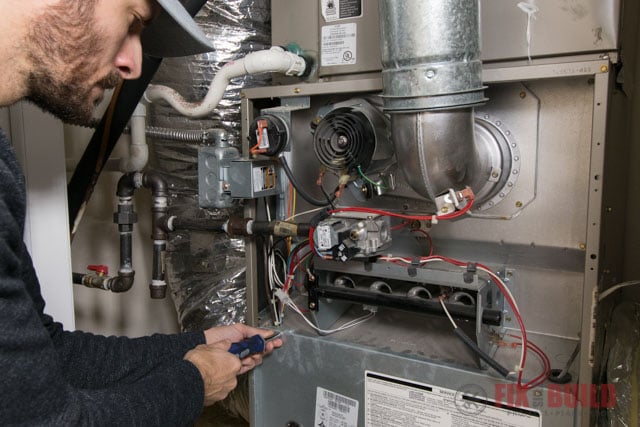
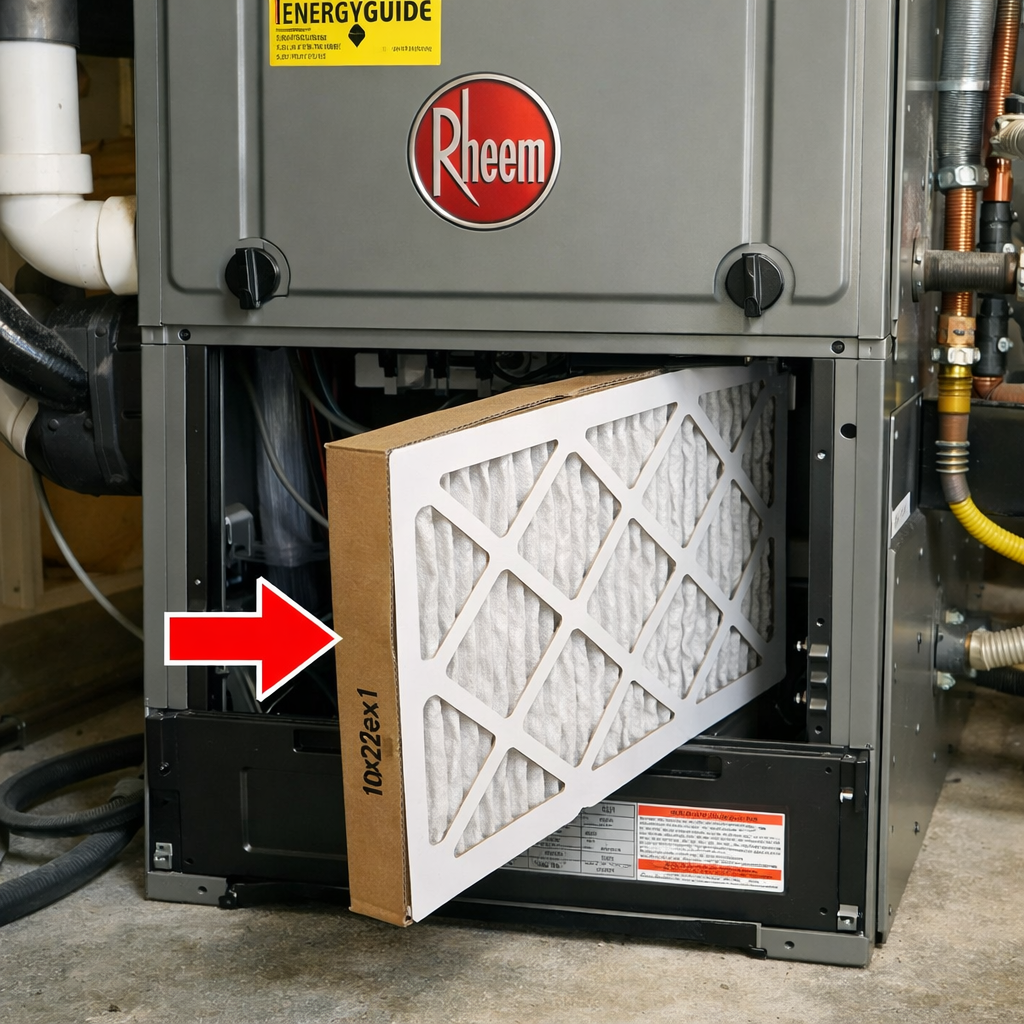
A clogged filter reduces airflow across the heat exchanger. When airflow drops, the furnace overheats and must stay on longer to reach the set temperature. Longer run time means more gas burned.
Because Steubenville and Weirton homes often have older insulation and more airborne particulates, filters here clog faster than the national average.
Signs you may notice:
- Grey or sagging filters
- Hot furnace cabinet
- Long, extended heating cycles
Does a dirty furnace filter really raise my gas bill?
Yes. It forces the furnace to stay on longer, which directly increases fuel use.
Short Cycling and Frequent Burner Restarts
Short cycling happens when the furnace turns on and off every few minutes. Furnaces burn the most gas during startup, so repeating this cycle all day wastes fuel quickly.
This is especially common in Weirton and Steubenville homes built before 1990, where furnaces were originally oversized or insulation changes have altered the heat load.
Common causes:
- Blocked airflow
- Oversized or aging equipment
- Faulty thermostat placement
- Failing limit or safety switches
Why is short cycling such a waste of gas?
Because the furnace uses extra fuel every time it starts, even before any heat reaches the home.
Duct Leakage Heating Unconditioned Spaces
In many Upper Ohio Valley homes—especially older ranch-style homes or houses with long basement duct runs—heated air escapes through loose joints, gaps, or deteriorated tape.
Losing 20%–30% of heated air into a cold basement or crawlspace forces the furnace to reheat the lost air, increasing gas usage significantly.
Quick test:
While the furnace is running, run your hand along exposed ducts. Warm air leaking out means wasted fuel.
Can duct leakage really cause a major gas bill spike?
Yes. It’s one of the top reasons older Steubenville and Mingo Junction homes see sudden bill increases.
Water Heater Issues That Increase Gas Usage
Sediment Buildup From Hard Water
The Upper Ohio Valley is known for hard water due to limestone-rich geology. Minerals settle at the bottom of the tank and harden into a thick layer of sediment that blocks heat.
This forces the burner to run longer and hotter just to heat the same amount of water.
Common signs of sediment:
- Rumbling or popping sounds
- Slower hot-water recovery
- Lower hot-water volume in the shower
Why does sediment increase gas usage so much?
Because the burner has to heat through the rock-like mineral layer before reaching the water.
Reduced Tank Capacity Causing More Heating Cycles
As sediment accumulates, it takes up physical space inside the tank. That means less water is available and the burner must cycle more frequently to maintain temperature.
You may notice:
- Hot water runs out faster than normal
- Water heater ignites more often
- Tank noises during heating cycles
Common Causes of High Gas Bills in the Ohio Valley
| Issue | What Happens | How It Raises Your Gas Bill |
|---|---|---|
| Dirty filter | Blocked airflow | Furnace stays on longer |
| Short cycling | Frequent restarts | Wastes fuel at startup |
| Duct leaks | Heat escapes | Furnace reheats lost air |
| Sediment buildup | Insulates the flame | Water heater runs longer |
Signs Your Equipment Is Wasting Gas
Watch for:
- Longer furnace run times
- Uneven or inconsistent room temperatures
- Frequent water heater cycles
- Popping or rumbling from the tank
- Bill spikes during normal weather
Longer run times equal more gas burned.
Misconceptions About High Gas Bills
“My gas rate must have gone up.”
Rate changes rarely cause large bill spikes—equipment inefficiencies do.
“My furnace is new, so that can’t be the problem.”
New systems still waste fuel when airflow is restricted or ducts leak.
“Water heaters don’t need maintenance.”
In the Ohio Valley, annual flushing is essential to prevent mineral buildup and wasted gas.
Simple Ways to Reduce Gas Waste Quickly
Replace Furnace Filters Every 30 Days in Winter
This is the quickest way to reduce wasted fuel.
Flush Your Water Heater Once a Year
Especially important in Steubenville, Weirton, Toronto, and Mingo Junction.
Seal Visible Duct Leaks
Use foil tape or mastic to prevent heat loss.
Schedule a Professional Tune-Up
Our work is protected by the Service Trust Guardian, which includes:
- 5-Year Labor Warranty
- No-Overtime Charge Guarantee
- On-Time Arrival Guarantee
- Clean Work Area Guarantee
Consider a Smart Thermostat
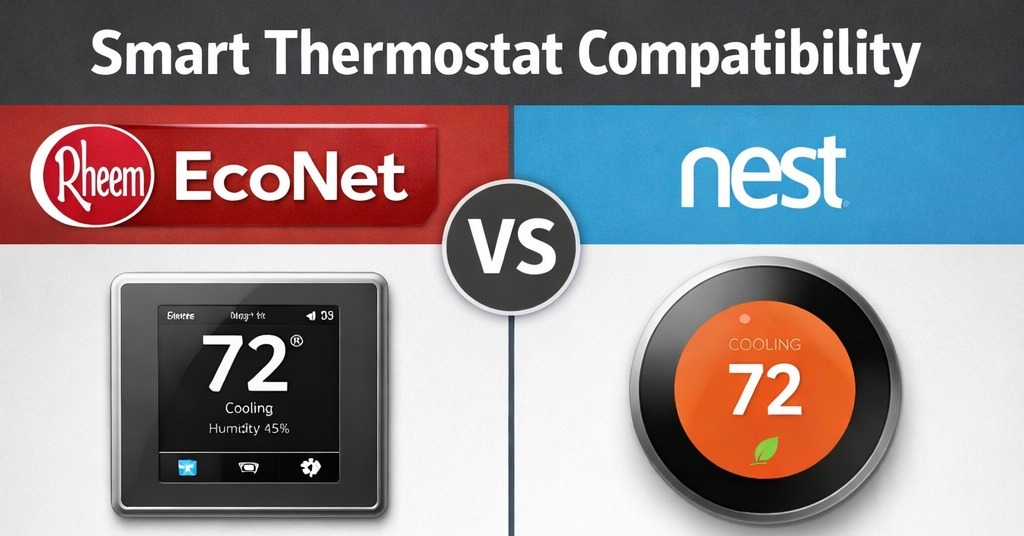
It gives you runtime data that reveals short cycling quickly.
Quick Gas Bill Diagnosis Checklist
- Does the furnace run longer than usual?
- Does it turn on and off every few minutes?
- Is the filter dirty or sagging?
- Are some rooms still cold?
- Does the water heater rumble or pop?
- Does hot water run out faster than normal?
If you checked “yes” to one or more, your system is likely wasting gas.
When You Should Call a Professional
Call for service if:
- Your furnace short cycles
- Your water heater makes popping sounds
- Your filter clogs every few weeks
- Your ducts are leaking warm air
- Your gas bill jumps without explanation
These issues don’t resolve themselves and usually get worse over time.
FAQs
Why did my gas bill double?
Your furnace or water heater is likely running longer due to airflow issues, duct leaks, or sediment buildup.
Is sediment really that common here?
Yes. Hard water in the Ohio Valley causes rapid mineral buildup.
What guarantees do you offer on repairs?
Repairs are covered by the Service Trust Guardian, which includes long labor warranties and arrival guarantees.
What about new installations?
New systems come with our Lifetime Trust Shield, including:
- Lifetime Labor Warranty (15 years)
- 90-Day Money-Back Guarantee
- No-Lemon Guarantee
Conclusion
A rising gas bill is often the first sign your furnace or water heater is losing efficiency. Issues like short cycling, airflow restrictions, duct leakage, and sediment buildup quietly drive fuel costs up long before you notice comfort problems. Fixing these early protects both your home and your wallet.
Call Honest Fix today for a free exact quote.
Learn about our guarantees before you decide.
Alex Largent is the Owner and Senior HVAC Efficiency Analyst at Honest Fix Heating, Cooling & Plumbing. With more than 20 years of field experience, NATE and EPA certifications, and a hands-on leadership style, Alex teaches his team to fix systems right the first time — with transparency, precision, and no upsells. He writes about HVAC diagnostics, home energy efficiency, and practical maintenance advice for homeowners across the Upper Ohio Valley. Read Alex Largent’s full bio to learn more about his expertise in the HVAC and Plumbing industry. Updated October 2025.
Topics: