How Can I Winterize My Water Heater? (Steubenville & Weirton Guide)
December 21st, 2025
3 min read
By Alex Largent
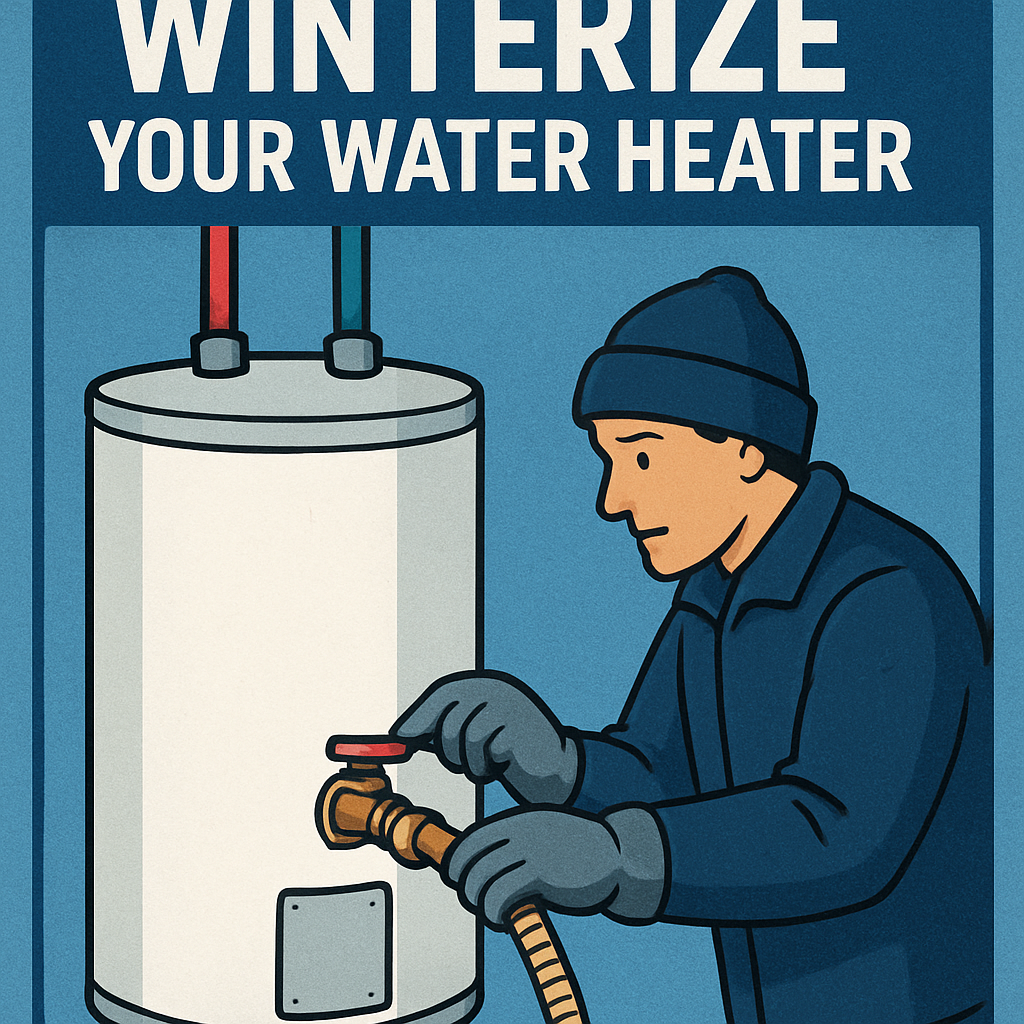
Quick Answer: To winterize a water heater in the Upper Ohio Valley, insulate the tank and hot-water lines, flush sediment, test the T&P valve, check the anode rod, protect exposed piping, and ensure gas or electric components are operating safely before temperatures drop. Winterizing helps prevent freeze-ups, shutdowns, and efficiency losses during heavy winter demand.
Why Winterizing Your Water Heater Matters
A properly winterized water heater runs more reliably and handles temperature swings without strain.
Homes in Steubenville, Weirton, Wintersville, Toronto, Mingo Junction, Brilliant, Follansbee, Wellsburg, New Cumberland, and Colliers see cold snaps that push heaters to their limits.
Examples we see each winter:
- A Weirton homeowner lost hot water when the cold-water inlet line froze.
- A Steubenville family’s tank overheated due to hardened sediment at the base.
- A Toronto homeowner had a gas heater shut down because cold air clogged the burner intake.
All of these could have been prevented with standard winter prep.
What Winterizing a Water Heater Includes
Winterization is a focused tune-up built around reliability and protection.
1. Insulate the Tank and Hot-Water Lines
Tank blankets and pipe insulation reduce heat loss and help avoid over-cycling during long cold stretches. This is especially effective in unheated basements, garages, and crawlspaces.
If your tank feels warm to the touch, insulation will help.
2. Flush Built-Up Sediment
Mineral buildup is the top reason water heaters work harder in winter.
A full flush removes:
- Mineral scale
- Rust flakes
- Hardened sediment layers
This keeps the burner or elements from running longer than they should.
3. Test the Temperature & Pressure Relief (T&P) Valve
This safety valve prevents dangerous pressure levels inside the tank.
Freezing conditions increase expansion and contraction, so it’s important to confirm the valve lifts and resets properly.
4. Check or Replace the Anode Rod
The anode rod absorbs corrosion to protect the tank.
If it’s worn out, winter corrosion accelerates and can shorten tank life. Replacing it proactively is standard industry practice for long-term durability.
5. Inspect Gas Components (Gas Heaters Only)
Cold weather can make weak components show themselves fast. Winterizing includes checking:
- Burner assembly
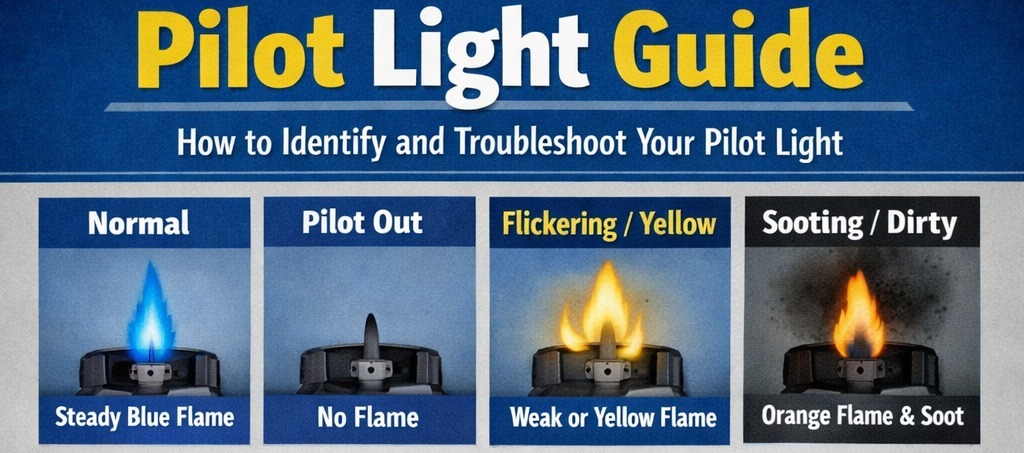
- Pilot or ignitor
- Venting
- Intake screens
Unseen dust or airflow restrictions are common culprits of winter shutdowns.
6. Test Electrical Elements (Electric Heaters Only)
Cold incoming water forces heating elements to work harder. A resistance and amperage test verifies they’re ready for peak winter demand.
7. Protect Exposed Water Lines
In homes across Mingo Junction, Wellsburg, Brilliant, Colliers, and New Cumberland, freezing lines are one of the most common winter failures.
Winterization includes insulating vulnerable lines and identifying areas where cold air can infiltrate.
Common Problems Winterizing Prevents
Winter prep stops the most frequent cold-season failures before they happen.
Problem 1: Frozen Supply Lines
Unprotected inlet lines can freeze quickly during cold snaps.
Winterization prevents this with insulation and draft correction.
Problem 2: Overheating or Shutdown From Sediment
Sediment hardens and reduces tank capacity, forcing the system to overheat or cycle rapidly.
Flushing keeps winter performance stable.
Problem 3: Burner or Ignition Failures (Gas Units)
Cold air, dust, and spider webs can cause intermittent ignition.
Inspection clears buildup and confirms proper combustion.
Problem 4: Efficiency Loss
Without insulation or a flush, the heater works longer to maintain temperature.
Winterizing keeps run-times balanced and energy use predictable.
Problem 5: Pressure-Related Leaks
A T&P valve that doesn’t open and reset can cause dangerous pressure buildup.
Testing ensures the valve is responsive and safe.
Who Should Winterize Their Water Heater?
Winterization is recommended for:
- Any heater 5+ years old
- Systems located in unheated spaces
- Homes with hard water
- Homes with long exposed water lines
- Anyone who has had winter water-heater issues in the past
- Anyone wanting maximum heater lifespan and reliability
Tankless systems also benefit from winter prep, especially for freeze protection and heat exchanger care.
Frequently Asked Questions
Do I need a professional, or can I do it myself?
Insulating pipes or the tank is DIY-friendly.
The technical steps—flushing, anode rod checks, T&P testing, burner inspection, or electrical diagnostics—should be done by a trained technician for safety and accuracy.
How long does winterizing take?
Most winterization appointments take 60–90 minutes, depending on system condition.
Is winterizing covered by your guarantees?
For service-only work such as maintenance or troubleshooting, our Service Trust Guardian applies, including:
- 5-year labor protection on qualifying repairs
- Clean Work Area Guarantee
- On-Time Arrival Guarantee
- No-Overtime Charge Guarantee
If winterizing uncovers a failed component that needs replacement or leads to a new installation, the applicable parts of our Lifetime Trust Shield apply to that installation work.
How often should this be done?
Once yearly—preferably before freezing temperatures arrive.
What if my heater already has problems?
That’s the best time to winterize. Addressing issues before deep winter prevents unexpected failures.
Your Next Steps
Winterizing your water heater protects your home from freeze-ups, improves reliability, and helps your system handle the hardest part of the year.
If you’re unsure what condition your heater is in, our Comfort Guides can check it and walk you through what matters for your home—clearly and without pressure.
Call Honest Fix today for a free exact quote.
Learn about our guarantees before you decide.
Alex Largent is the Owner and Senior HVAC Efficiency Analyst at Honest Fix Heating, Cooling & Plumbing. With more than 20 years of field experience, NATE and EPA certifications, and a hands-on leadership style, Alex teaches his team to fix systems right the first time — with transparency, precision, and no upsells. He writes about HVAC diagnostics, home energy efficiency, and practical maintenance advice for homeowners across the Upper Ohio Valley. Read Alex Largent’s full bio to learn more about his expertise in the HVAC and Plumbing industry. Updated October 2025.