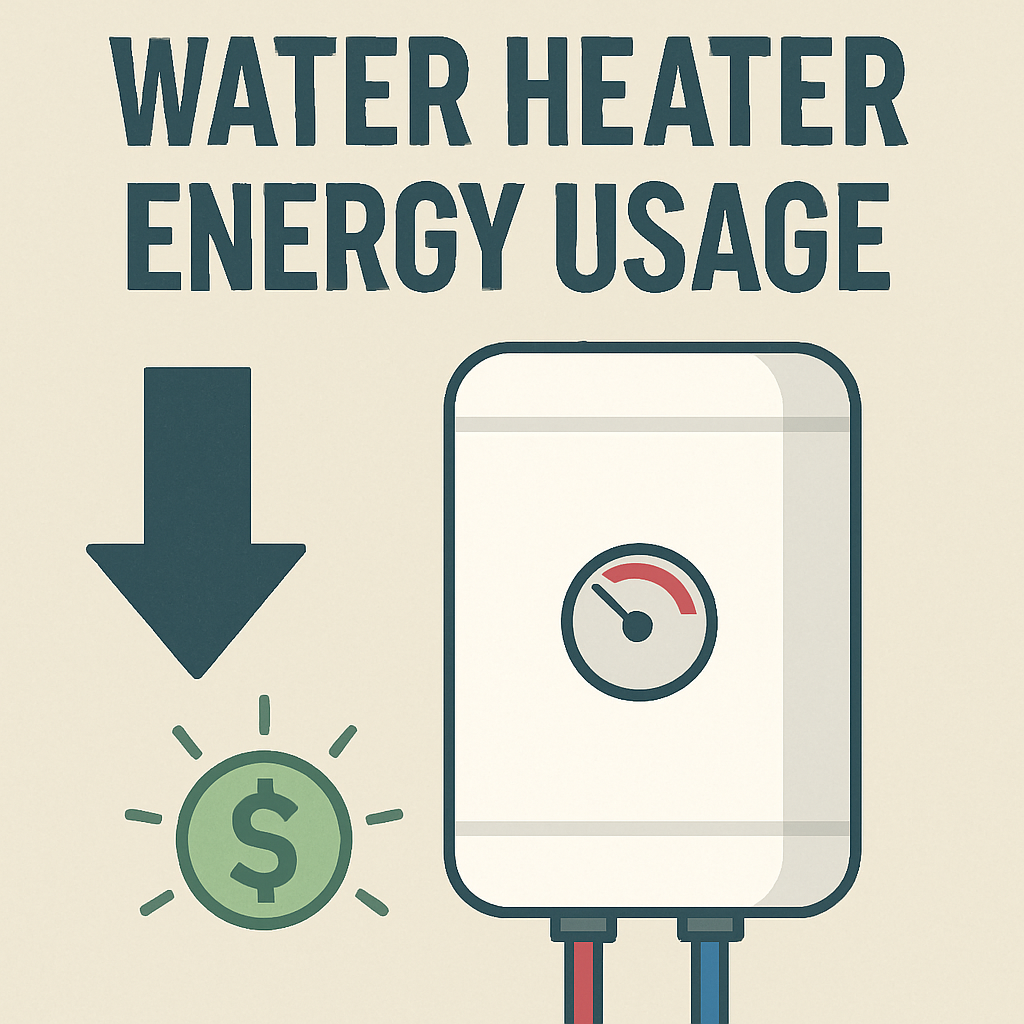
Quick Answer: Lower your water heater’s energy usage by setting the temperature to 120°F, flushing sediment yearly, insulating the tank and hot-water lines, fixing hot-water leaks, and using low-flow fixtures. Older tanks (10–12 years) in Steubenville and Weirton often save the most by upgrading to a high-efficiency or heat-pump model.
Why Water Heater Energy Use Spikes in the Ohio Valley
Hard water and aging plumbing cause water heaters in Steubenville, Weirton, Wintersville, and Toronto to work harder than they should. That extra strain leads to higher energy bills and shorter system life.
In our region, we often see:
- Tanks in Weirton running nonstop during winter
- Homes in Steubenville experiencing slower hot-water recovery
- Older houses in Mingo Junction losing heat through bare pipes
- Wellsburg and Brilliant homeowners calling because the water just won’t stay hot
All of these signs point to an inefficient water heater—usually an easy fix if caught early.
The Most Effective Ways to Lower Your Water Heater Energy Usage
Adjust the Temperature to 120°F
Turning the thermostat down from 140°F to 120°F is one of the quickest ways to cut usage.
You’ll still have plenty of hot water, and you reduce both energy consumption and scald risk.
Flush Out Sediment
Water hardness in our region leads to mineral buildup on the bottom of the tank.
Sediment forces your water heater to run longer and burn more energy.
Common signs you need a flush:
- Popping or rumbling sounds
- Hot water running out faster than before
- Slow recovery times
Flushing once a year protects efficiency and extends life.
Insulate the Tank and Hot-Water Lines
If the tank or pipes feel warm, heat is escaping.
Insulation sleeves and tank blankets keep heat inside the system instead of your basement walls.
This is especially useful in cold basements in Colliers, Toronto, and Wintersville.
Fix Hot-Water Leaks
A dripping hot-water faucet or leaking shower valve wastes gallons every day.
Every drip forces your water heater to maintain temperature longer than needed.
Fast, inexpensive repairs usually solve it.
Install Low-Flow Fixtures
Modern faucet aerators and shower heads reduce hot-water use without feeling weak.
Using less hot water directly lowers energy demand on the heater.
Add a Timer (Electric Only)
If you have an electric water heater, a timer can shut it off when you’re sleeping or away.
Reducing run time is a direct way to cut usage, especially in two-person households.
When Replacing the Water Heater Saves More Than Repairs
If your unit is 10–12 years old or needs frequent service, upgrading can save far more energy than trying to keep it running.
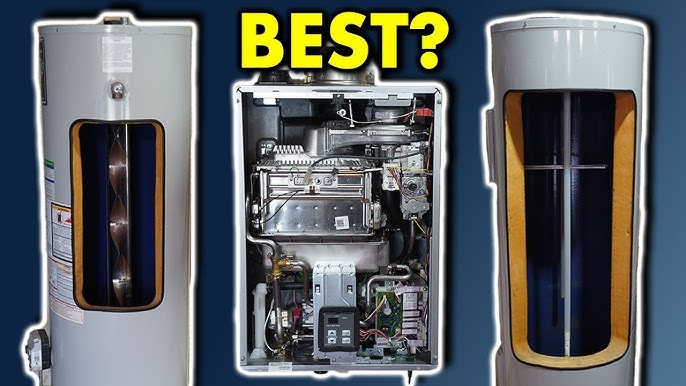
High-Efficiency Gas Water Heaters
These offer stronger insulation and improved burners.
Typical savings: 10–20% on energy use.
Electric Heat Pump Water Heaters
The most efficient option available today.
They can reduce usage by 50–60%, especially in basements with stable temperatures like many in Steubenville and Weirton.
Tankless Water Heaters
Tankless systems heat water only when you need it.
Savings vary, but 15–30% is common depending on demand.
Common Misconceptions About Water Heater Energy Use
“Lowering the temperature won’t help.”
It can help immediately—sometimes cutting usage by 4–10%.
“A bigger tank is always wasteful.”
A newer efficient tank can outperform a smaller, older, poorly insulated one.
“Tankless is always the cheapest to run.”
Not every home’s plumbing layout supports tankless without costly upgrades.
We always provide exact quotes, not guesses, so you know the real cost before deciding.
Water Heater Energy-Saving FAQs
How often should a water heater be flushed?
Once per year for most Ohio Valley homes. Hard water may require twice a year.
How do I know if my water heater is wasting energy?
Rumbling, slow heating, short hot-water duration, and rising bills are common symptoms.
Do you offer guarantees on water heater repairs or replacements?
Yes.
Repairs and maintenance are covered under the Service Trust Guardian, including:
- 5-year labor warranty
- No-overtime-charge guarantee
- On-time arrival credit
- Clean work area guarantee
New water heater installations fall under the Lifetime Trust Shield, which includes:
- Lifetime labor warranty (up to 15 years depending on system type)
- 90-day money-back satisfaction guarantee
- No-lemon protection
When should I replace instead of repair?
Generally after 10–12 years, or if corrosion, leaks, or repeated element or burner issues appear.
Final Takeaway
Lowering your water heater’s energy usage is often simple: adjust the temperature, remove sediment, improve insulation, and fix leaks. Older systems may benefit most from upgrading to a high-efficiency or heat-pump model.
If you want clarity on what your home actually needs, we can inspect your system and give you a free exact quote with no pressure.
Call Honest Fix today for a free exact quote.
Learn about our guarantees before you decide.