Central AC vs. Ductless Mini-Split Systems in Steubenville, OH and Weirton, WV
February 11th, 2026
3 min read
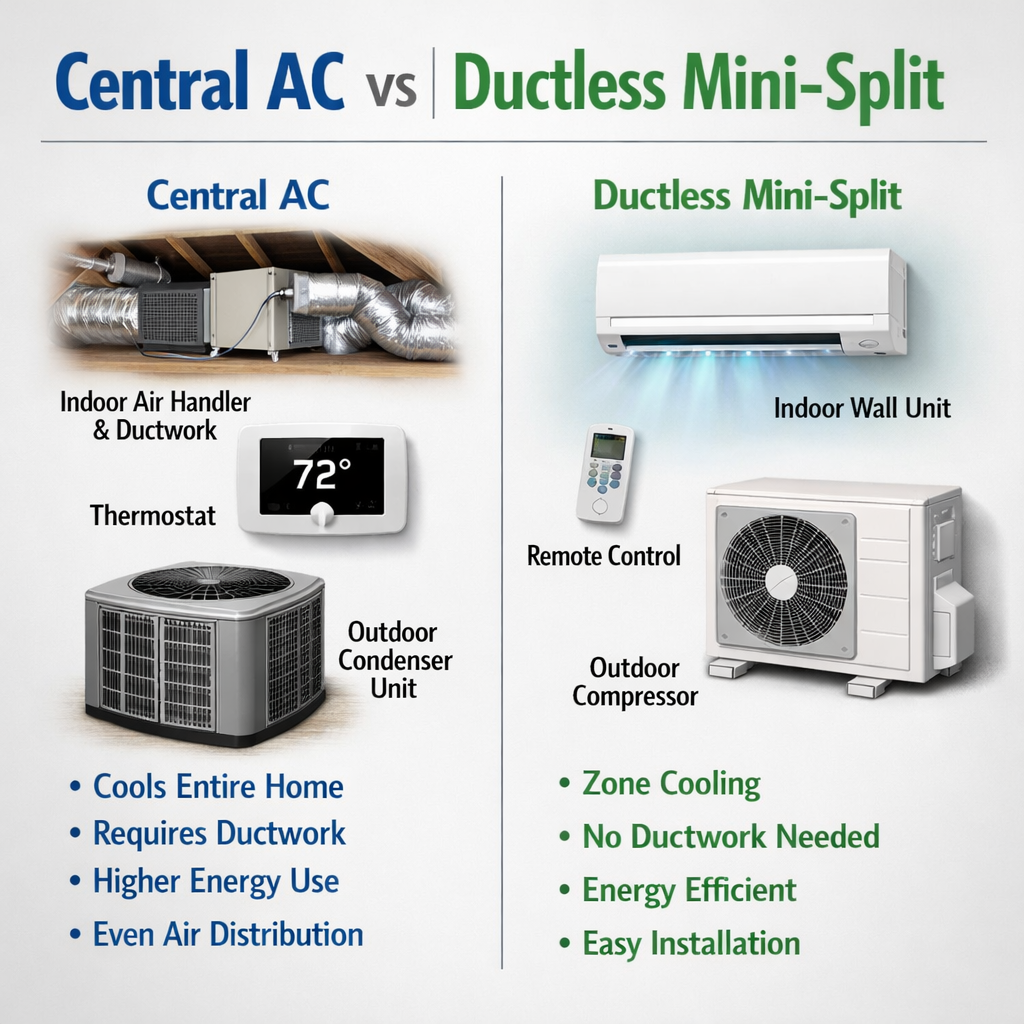
Central AC cools a home through ductwork using one main system, while ductless mini-split systems use individual indoor units to cool specific rooms without ducts. Central AC works best in homes with existing, well-sealed ductwork and consistent layouts. Ductless systems are better for older homes, additions, or spaces that need room-by-room control and stronger humidity management.
Choosing between central air conditioning and ductless mini-split systems is a common decision in Steubenville and Weirton, especially when replacing older equipment or dealing with uneven cooling. Homes near the Ohio River, hillside neighborhoods, and older brick construction all present different comfort challenges. The right choice depends on how your home is built, how air moves through it, and what physical limits already exist.
How Central AC Works — and Where It Breaks Down
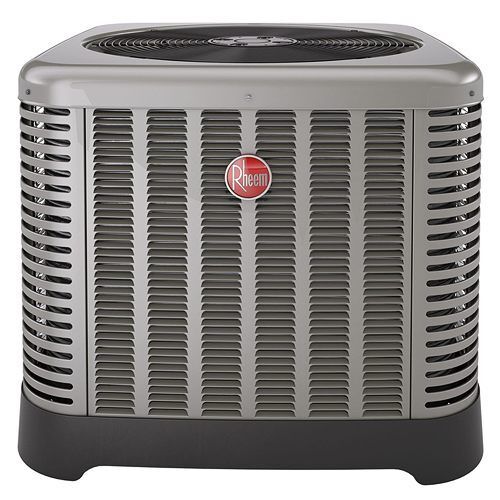
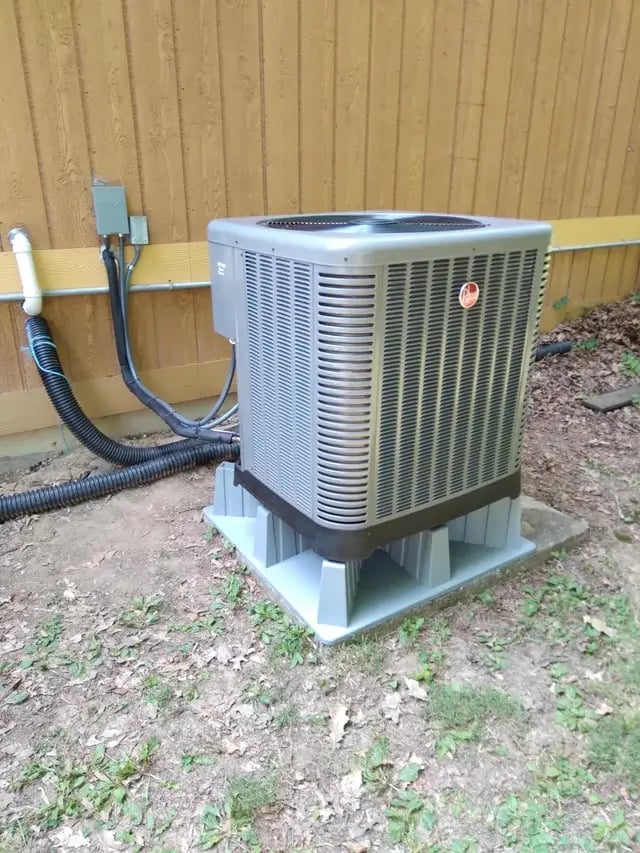
Central AC uses one outdoor unit and an indoor coil to cool air that travels through ductwork to every room. Many homes in Steubenville, Wintersville, and Toronto already use this setup because it pairs naturally with gas furnaces.
Central AC works best when:
- Ductwork is intact and properly sized
- The home has a balanced layout
- Return air paths are already in place
Common issues in this area include:
- Air loss through basement duct runs
- Second floors staying warmer during summer
- Higher energy use from cooling unused rooms
A common local mistake is replacing the AC unit without checking duct leakage. In river-valley homes, a noticeable amount of cooling can be lost before air reaches living areas.
How Ductless Mini-Splits Work — and Their Limits
Ductless mini-split systems use an outdoor condenser connected to one or more indoor units. Each indoor unit cools a specific room or zone, and no ductwork is required.
Mini-splits are a strong option when:
- The home lacks usable ductwork
- A basement, attic, or addition never cooled evenly
- Independent temperature control is needed
In many 1920s–1950s homes around Weirton and Mingo Junction, installing ductwork would require wall removal. Mini-splits avoid that disruption.
Where ductless systems can fall short:
- Homes with limited electrical panel capacity
- Large open layouts needing multiple zones
- Situations requiring whole-home cooling at once
A common mistake is undersizing the outdoor unit to reduce upfront cost, which leads to weak performance during hot, humid summer conditions.
Central AC vs. Ductless Mini-Split: Side-by-Side
| Feature | Central AC | Ductless Mini-Split |
|---|---|---|
| Uses ductwork | Yes | No |
| Cools entire home at once | Yes | No |
| Room-by-room control | No | Yes |
| Energy loss through ducts | Possible | None |
| Works well in older homes | Sometimes | Often |
| Electrical demand | Moderate | Can be high with many zones |
Who Each System Is Not Right For
Central AC Is Often a Poor Fit If:
- Ductwork is damaged or undersized
- Large temperature differences exist between floors
- Major duct repairs would be required
Ductless Mini-Splits Are Often a Poor Fit If:
- The electrical panel cannot support multiple indoor units
- The home has wide-open floor plans
- Whole-home cooling is needed at all times
Clear limits help prevent costly system mismatches.
A Real Local Decision Scenario
In a 1950s two-story Steubenville home near the Ohio River, basement duct runs often leak air before it reaches upstairs bedrooms. If that same home has a 100-amp electrical panel, installing several ductless zones may require an electrical upgrade. In this situation, sealing ducts and replacing central AC is often lower risk than installing a multi-zone ductless system.
Cost Drivers That Matter in This Region
Central AC Cost Factors
- Duct sealing or repairs
- Accessibility of attic or basement runs
- Electrical updates in older homes
- Proper system sizing
Mini-Split Cost Factors
- Number of indoor zones
- Electrical service capacity
- Solid brick walls
- Line-set routing on hillside properties
Electrical limits are a deciding factor in many homes across Steubenville, Follansbee, Wellsburg, and nearby communities.
Warranty Protection and Long-Term Risk
System choice is only part of the decision. Protection matters, especially in older homes where equipment runs harder.
Trust Shield Warranty
Includes a 5-year repair warranty, helping reduce unexpected repair costs during early ownership.
Trust Guardian Warranty
Includes a 15-year system replacement warranty, offering long-term protection if a covered system fails beyond repair.
These warranties are structured to address real repair and replacement risk.
Cities Where These Factors Apply
- Steubenville, OH
- Weirton, WV
- Wintersville, OH
- Toronto, OH
- Mingo Junction, OH
- Follansbee, WV
- Wellsburg, WV
- Brilliant, OH
- New Cumberland, WV
- Colliers, WV
- Hooverson Heights, WV
Frequently Asked Questions
Is a ductless mini-split worth it in an older Steubenville home?
It can be, especially if the home lacks usable ductwork or has additions that never cooled evenly. Electrical capacity still needs to be checked.
Why does my second floor stay hotter with central AC?
This is usually caused by duct leakage, poor return airflow, or heat gain through the roof. Replacing the AC alone often does not solve this.
Can my electrical panel handle a ductless system?
Not always. Many older panels cannot support multiple indoor units without upgrades.
Is central AC cheaper to maintain long term?
It can be if ductwork is sealed and sized correctly. Poor ducts increase run time and wear.
Decision Summary
The difference between central AC and ductless mini-split systems comes down to duct condition, electrical capacity, and how evenly your home needs to be cooled. Neither system fixes airflow or layout problems on its own. The right system is the one that fits your home’s limits.
Exact HVAC replacement quotes available at (740) 825-9408 or HonestFix.com/schedule-service.
Scott Merritt is a co-founder of Honest Fix Heating, Cooling and Plumbing and brings more than 30 years of experience across HVAC, leadership, and industry education. He serves in a senior leadership and oversight role, providing licensed guidance, reviewing HVAC educational content, and supporting technician training and documentation standards. Prior to co-founding Honest Fix, Scott founded and owned Fire & Ice Heating & Air Conditioning in Columbus, Ohio, which he operated for more than two decades before selling the company in 2025. During that time, he led programs and partnerships including Carrier Factory Authorized Dealer, Trane Comfort Specialist, and Rheem Pro Partner, helping establish high technical and training standards. Scott is the Ohio State HVAC license holder for Honest Fix and provides licensed oversight to help ensure work meets applicable codes and manufacturer requirements. Learn more about Scott’s background and role at Honest Fix by viewing his full leadership bio.