Why Is My HVAC Bill Suddenly Higher Than Usual in Wintersville, OH?
January 4th, 2026
3 min read
By Alex Largent
Quick Answer
A sudden increase in your HVAC bill in Wintersville is most often caused by longer system run times from weather swings, airflow restrictions, or energy loss common in split-level and older Ohio Valley homes. These issues increase energy use before you notice changes in comfort.
If your HVAC bill spiked in Wintersville and nothing inside your home feels different, you’re not imagining it. This is a common issue in this area, and it usually has less to do with thermostat settings and more to do with home design and system efficiency.
Below are the most common problems that cause sudden HVAC cost increases in Wintersville homes, why they’re easy to miss, and what actually fixes them.
Why HVAC Bills Spike Suddenly in Wintersville Homes
Weather Swings Increase Run Time, Not Temperature
Wintersville experiences the same Ohio River Valley weather patterns as Steubenville, but with more exposure due to elevation and open development.
Your HVAC system responds to:
- Temperature changes
- Humidity levels
- How quickly the home loses or gains heat
In Wintersville, open lots and fewer wind barriers mean systems often work harder during seasonal transitions.
What we commonly see:
- AC systems running longer to manage humidity
- Furnaces cycling more often after mild stretches
- Increased usage without thermostat changes
Key point: longer run time raises your bill even if comfort feels normal.
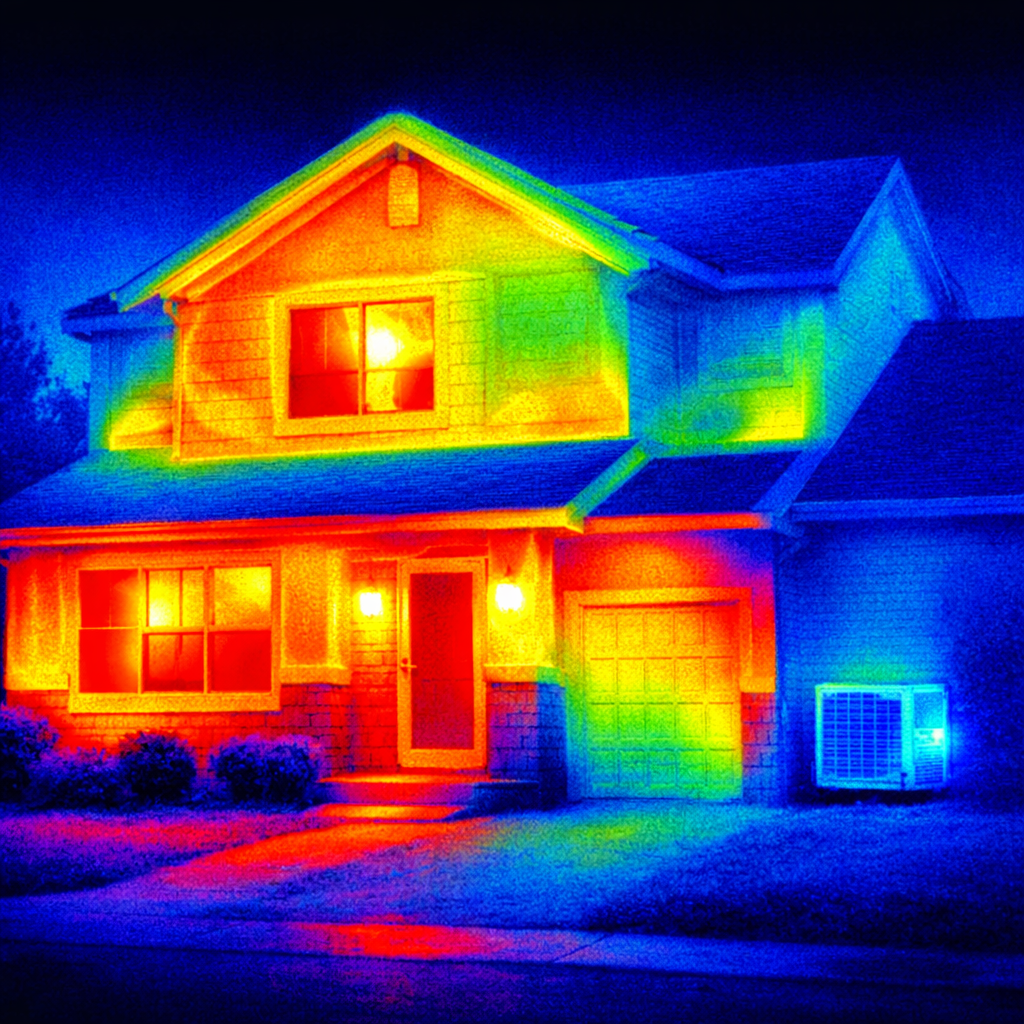
Split-Level and Raised Ranch Homes Lose Energy Quietly
Wintersville has a high number of split-level and raised ranch homes built from the 1960s through the 1990s.
A typical local setup:
- Partial basement or lower-level living space
- HVAC equipment in the lower level
- Long vertical duct runs to upper floors
- Mixed insulation quality
Common energy loss areas:
- Duct leakage between levels
- Poorly sealed floor cavities
- Inconsistent attic insulation
- Return air pulling from lower levels
Result: your HVAC system runs longer to balance temperatures across floors.
Airflow Issues Hit Multi-Level Homes Harder
Airflow problems show up faster in multi-level homes—and Wintersville has many of them.
We frequently find:
- Closed vents in lower levels or spare rooms
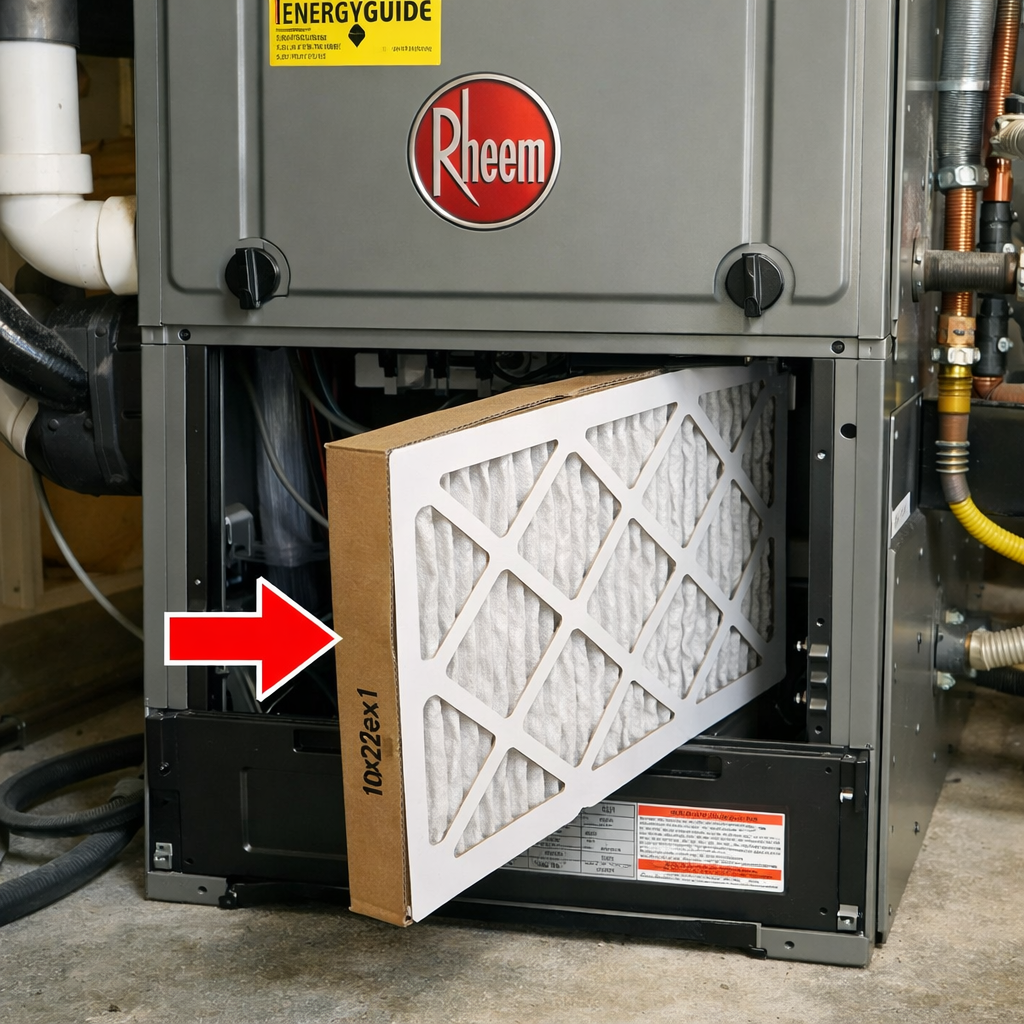
- Filters that restrict airflow on older systems
- Dirty coils after humid summers
- Duct runs undersized for second floors
Neighborhood-specific issue:
Homes with additions or finished basements often have ductwork that was never resized to match the added load.
Common homeowner mistake:
Closing vents to “push air upstairs,” which increases system strain and energy use.
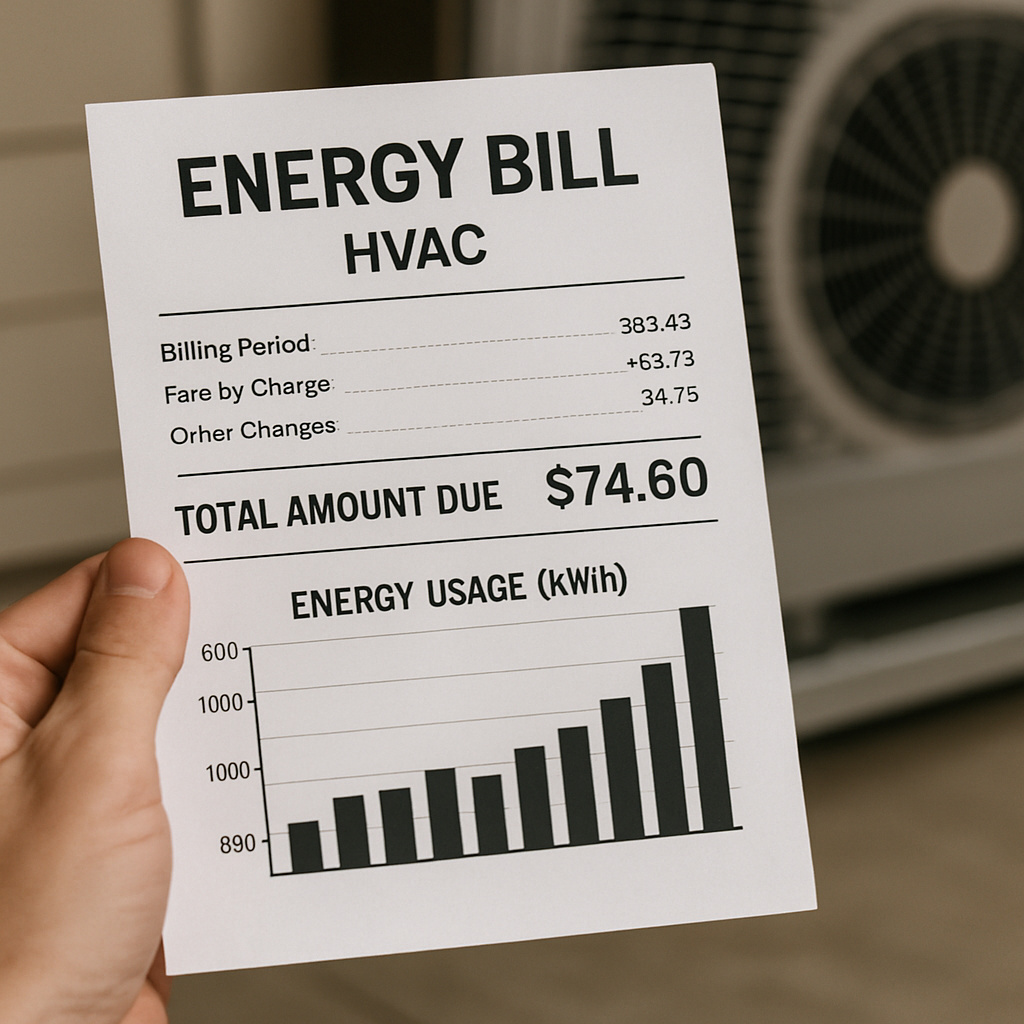
Utility Usage Changes Can Look Like a System Problem
Not every bill spike is mechanical—but many homeowners miss how usage is reported.
Energy bills reflect:
- Actual energy usage
- Seasonal rate changes
- Distribution costs
Even a small increase in usage during peak weather can look dramatic on the bill.
What to check:
Compare month-to-month energy usage, not just the total amount due.
Small Efficiency Issues That Haven’t Caused a Breakdown
Many systems that raise bills are still technically “working.”
Examples we catch early:
- Blower motors losing efficiency
- Capacitors pulling extra power
- Refrigerant levels drifting out of range
- Furnaces short-cycling due to airflow imbalance
Why this matters:
Efficiency loss shows up on the bill before the system fails.
A Wintersville-Specific Cost Driver Homeowners Miss
Vertical air movement between floors.
Split-level and raised ranch homes often struggle with:
- Hot upper floors in summer
- Cool lower levels in winter
- Constant system cycling to compensate
This imbalance increases run time and energy use year-round.
What Changed—Even If You Didn’t Touch the Thermostat?
This is the most confusing part.
In most cases:
- You didn’t change your settings
- You didn’t misuse the system
- A quiet variable changed—airflow, insulation performance, or weather load
That’s why the increase feels sudden.
What You Can Check Right Now
Before assuming the system is failing, start here:
- Compare energy usage (kWh or therms), not just cost
- Check filter type and how long it’s been installed
- Walk lower levels and attics for loose or sweating ducts
- Notice temperature differences between floors
If nothing stands out, the issue is usually technical—not behavioral.
How This Compares Across the Upper Ohio Valley
We see similar patterns in:
- Steubenville, OH
- Toronto, OH
- Mingo Junction, OH
- Brilliant, OH
- Weirton, WV
- Follansbee, WV
- Wellsburg, WV
- New Cumberland, WV
- Colliers, WV
Home layout, terrain, and regional weather create similar HVAC cost surprises across the Ohio Valley.
Frequently Asked Questions
Why didn’t my comfort change if my bill went up?
Efficiency loss appears on the utility bill before it affects indoor comfort.
Does a higher HVAC bill mean I need a new system?
Not automatically. Many increases are caused by airflow or balance issues—not equipment age alone.
What guarantees do you offer?
For repairs and diagnostics, Honest Fix provides:
- 60-day money-back satisfaction guarantee
- 5-year labor warranty on covered repairs
- No overtime charges
- On-time arrival guarantee
- Clean work area guarantee
We explain everything before work starts and stand behind our work.
The Bottom Line
A sudden HVAC bill increase in Wintersville is almost never random.
It’s usually tied to home layout, airflow imbalance, weather load, or a developing efficiency issue.
The fastest way to stop overpaying is identifying the real cause—without guessing or replacing equipment unnecessarily.
Call Honest Fix today for a free exact quote.
Learn about our guarantees before you decide.
Alex Largent is the Owner and Senior HVAC Efficiency Analyst at Honest Fix Heating, Cooling & Plumbing. With more than 20 years of field experience, NATE and EPA certifications, and a hands-on leadership style, Alex teaches his team to fix systems right the first time — with transparency, precision, and no upsells. He writes about HVAC diagnostics, home energy efficiency, and practical maintenance advice for homeowners across the Upper Ohio Valley. Read Alex Largent’s full bio to learn more about his expertise in the HVAC and Plumbing industry. Updated October 2025.