What Are the Long-Term Operating Costs of an Inefficient HVAC System in Toronto, OH?
January 1st, 2026
3 min read
By Alex Largent
Quick Answer
In Toronto, an inefficient HVAC system typically costs homeowners $1,100–$3,600+ per year in wasted energy, repeated repairs, and shortened equipment life. Over 10–15 years, that can add up to $15,000–$42,000 in avoidable operating costs, especially in older river-adjacent homes where moisture, duct condition, and airflow problems compound inefficiency.
Who This Article Is For (And Who It Isn’t)
This guide is written for Toronto homeowners who want to understand the real cost of “just keeping it running.”
It’s especially relevant if your home has:
- Rising gas or electric bills year over year
- Musty basement smells or humidity issues
- Rooms that never feel consistent
- HVAC equipment older than 10–12 years
It is not written for:
- New construction homes
- Recently installed systems with corrected airflow
- Homeowners only focused on the next repair bill
If your Toronto home was built before the 1980s, this article likely applies to you.
Why Inefficient HVAC Systems Cost More in Toronto
Toronto’s proximity to the river changes how HVAC systems age and operate.
Many homes were built between the 1920s and 1970s, often with full basements close to grade. Because of that, we regularly see:
- Higher basement humidity levels
- Older metal ductwork exposed to moisture
- Corrosion that restricts airflow over time
- Systems forced to run longer to compensate
Homeowners often first notice inefficiency when energy bills rise and air quality feels worse, even though the system technically still works.
This guidance is based on HVAC evaluations we perform regularly in Toronto homes of that era.
Where the Extra Money Goes Over Time
In Toronto homes, inefficiency usually shows up as slow financial bleed, not sudden failure.
1. Energy Waste From Moisture and Airflow Loss
An inefficient system often:
- Runs longer to overcome air loss
- Ppushes air through rusted or leaking ducts
- Struggles to manage humidity
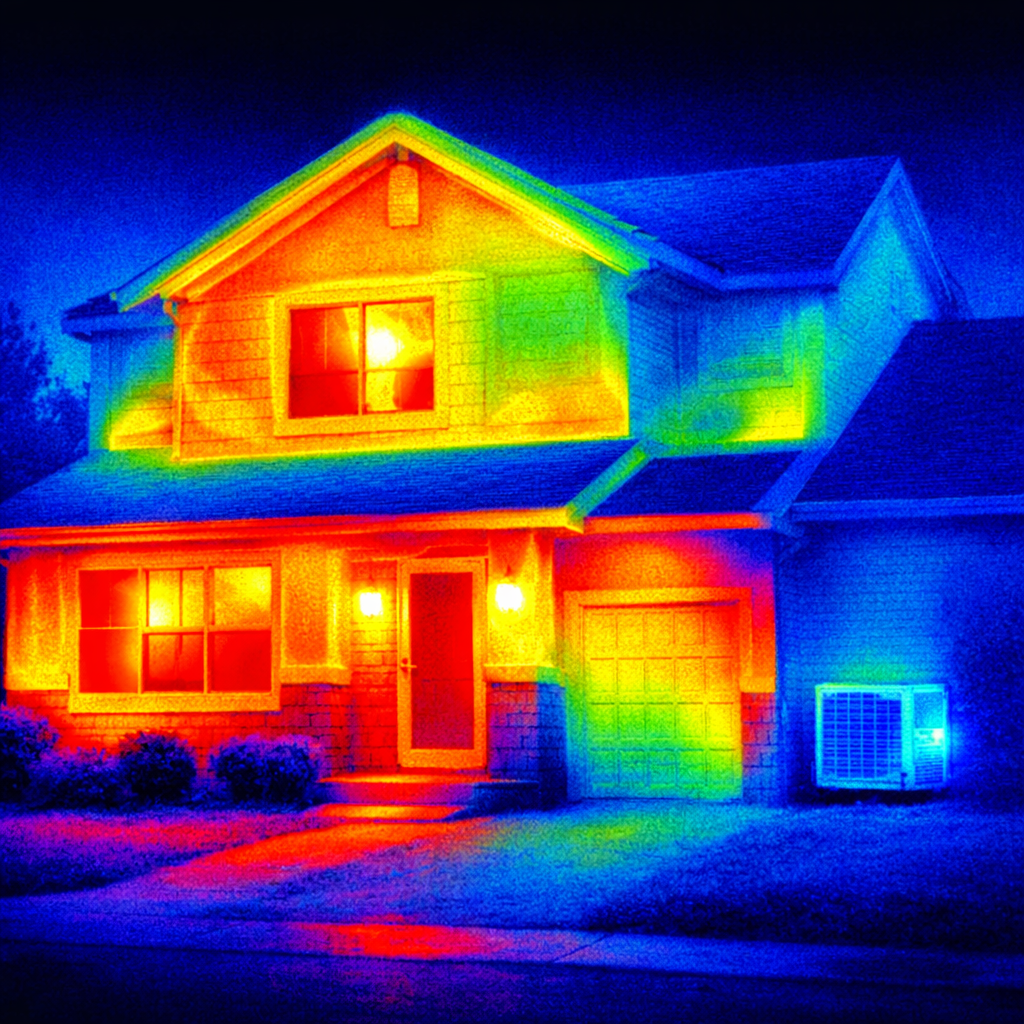
During Toronto winters and humid summers, this frequently results in hundreds of dollars per season in wasted energy.
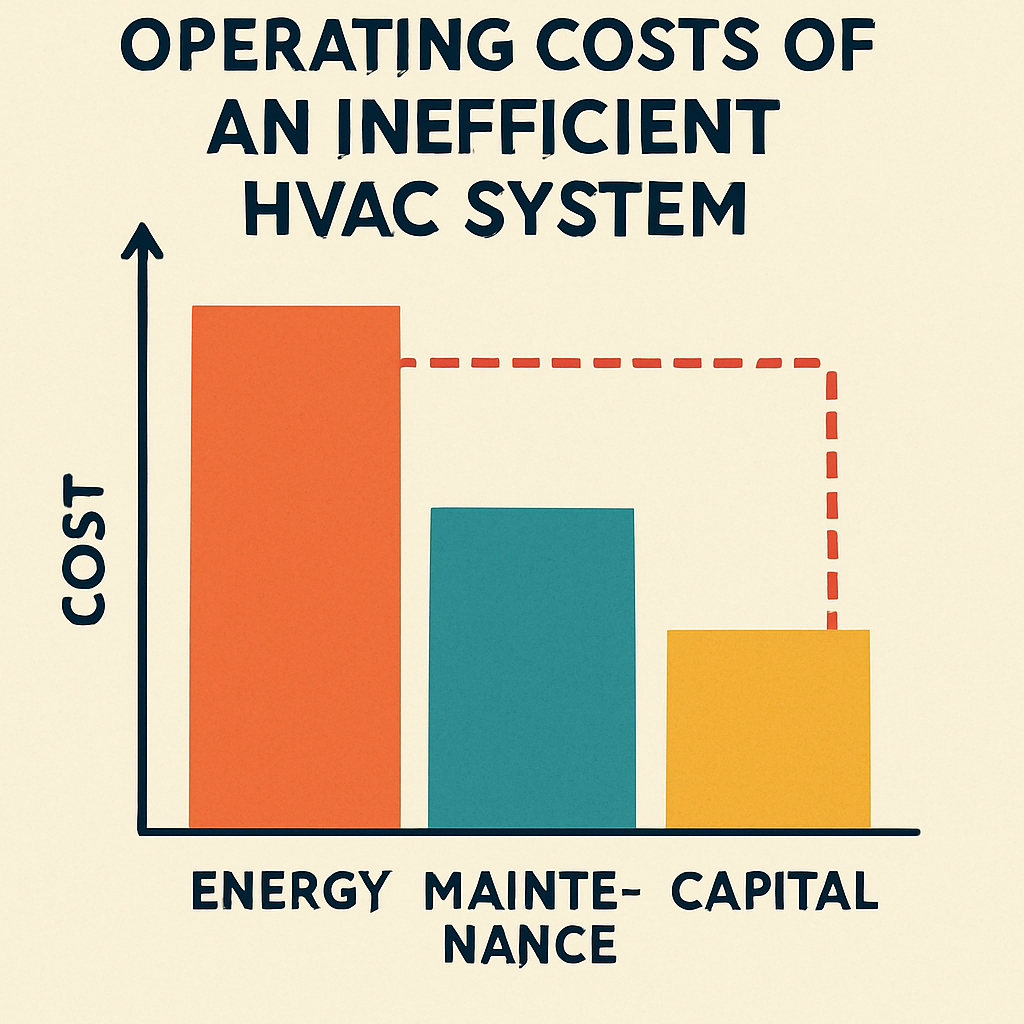
Energy waste is almost always the largest long-term cost.
2. Repairs That Never Fully Solve the Problem
Many Toronto homeowners tell us:
- “We fixed the system, but the house still feels damp.”
- “It runs fine, but the bills keep going up.”
Moisture-driven inefficiency increases stress on:
- Blower motors
- Control boards
- Compressors and heat exchangers
Once this cycle starts, $500–$1,700 per year in repairs becomes common.
3. Shortened Equipment Lifespan
In ideal conditions:
- Furnaces last 15–20 years
- Air conditioners last 12–15 years
In river-adjacent Toronto homes, corrosion and overwork often reduce lifespan by 5–7 years.
Early replacement is one of the most expensive hidden costs of inefficiency.
4. Comfort and Air Quality Workarounds
When systems don’t perform well, homeowners often:
- Run dehumidifiers constantly
- Use window units or fans
- Adjust thermostats aggressively
These measures raise electric usage and still don’t correct the root problem.
Inefficiency Is Not Just About Old Equipment
Many homeowners assume inefficiency simply means outdated units.
In Toronto, inefficiency is often caused by:
- Rusted or deteriorated ductwork
- Moisture infiltration in basements
- Poor airflow design from older layouts
- Systems replaced without addressing duct condition
A newer system can still be expensive to operate if moisture and airflow problems were never corrected.
A Real Toronto, OH Home Example
Home profile:
- 1940s two-story
- Full basement near the river
- Original metal ductwork
- Gas furnace with central AC
The situation:
The home felt damp, certain rooms never stayed comfortable, and utility bills kept increasing despite multiple service calls.
What we found:
- Rusted duct sections near basement floor level
- Significant air leakage pulling in humid air
- Undersized supply runs feeding the second floor
The long-term cost:
Over nine years, the homeowner spent over $9,500 on excess energy use and repeated repairs without fixing comfort or humidity issues.
This pattern is very common in Toronto homes near the river.
A Cost Driver Unique to Toronto Homes
Basement moisture quietly increases operating costs in Toronto.
Moisture causes:
- Accelerated duct corrosion
- Air leakage and efficiency loss
- Longer runtimes to maintain comfort
A system may appear functional while becoming increasingly expensive to run.
The Most Common Toronto HVAC Cost Mistake
Treating moisture as a comfort issue instead of an efficiency issue.
This leads to:
- Running dehumidifiers nonstop
- Replacing parts without addressing ducts
- Rising long-term operating costs
In Toronto, moisture is often the hidden driver of inefficiency.
Repairing an Inefficient System vs. Replacing It
Repair May Make Sense When:
- The system is under 8–10 years old
- Inefficiency is isolated and measurable
- Ductwork is structurally sound
Replacement Often Makes Sense When:
- The system is over 12–15 years old
- Repairs are becoming routine
- Energy bills and humidity issues persist
- Comfort never fully stabilizes
Over a 10–15 year period, operating costs often exceed the cost of replacing the system correctly.
How This Applies Across the Upper Ohio Valley
We see the same long-term HVAC cost patterns in:
- Steubenville, OH
- Wintersville, OH
- Mingo Junction, OH
- Brilliant, OH
- Weirton, WV
- Follansbee, WV
- Wellsburg, WV
- New Cumberland, WV
- Colliers, WV
Older homes and moisture-related airflow issues make inefficiency expensive across the region.
Frequently Asked Questions
How do I know if my HVAC system is inefficient?
Rising utility bills, uneven comfort, frequent repairs, humidity problems, and long run times are common signs.
Does duct condition affect operating costs in Toronto homes?
Yes. In many Toronto homes, rusted or leaking ductwork drives operating costs more than the HVAC equipment itself.
What guarantees do you offer?
- Repairs and service: Covered by our Service Trust Guardian, including a 5-year labor warranty on qualifying repairs and no overtime charges.
- New installations: Protected by our Lifetime Trust Shield, which includes long-term labor coverage and performance guarantees.
The Bottom Line for Toronto Homeowners
An inefficient HVAC system doesn’t just cost more to run — it quietly drains money every year through wasted energy, repeated repairs, and early replacement.
This isn’t for everyone. It’s for homeowners who want the problem fixed correctly, not managed indefinitely.
There’s no pressure and no rush — just clear information so you can decide what makes sense for your home.
Call Honest Fix today for a free exact quote.
Learn about our guarantees before you decide.
Alex Largent is the Owner and Senior HVAC Efficiency Analyst at Honest Fix Heating, Cooling & Plumbing. With more than 20 years of field experience, NATE and EPA certifications, and a hands-on leadership style, Alex teaches his team to fix systems right the first time — with transparency, precision, and no upsells. He writes about HVAC diagnostics, home energy efficiency, and practical maintenance advice for homeowners across the Upper Ohio Valley. Read Alex Largent’s full bio to learn more about his expertise in the HVAC and Plumbing industry. Updated October 2025.