What Causes AC Compressor Failures in Wintersville Homes?
February 5th, 2026
4 min read
Quick Answers
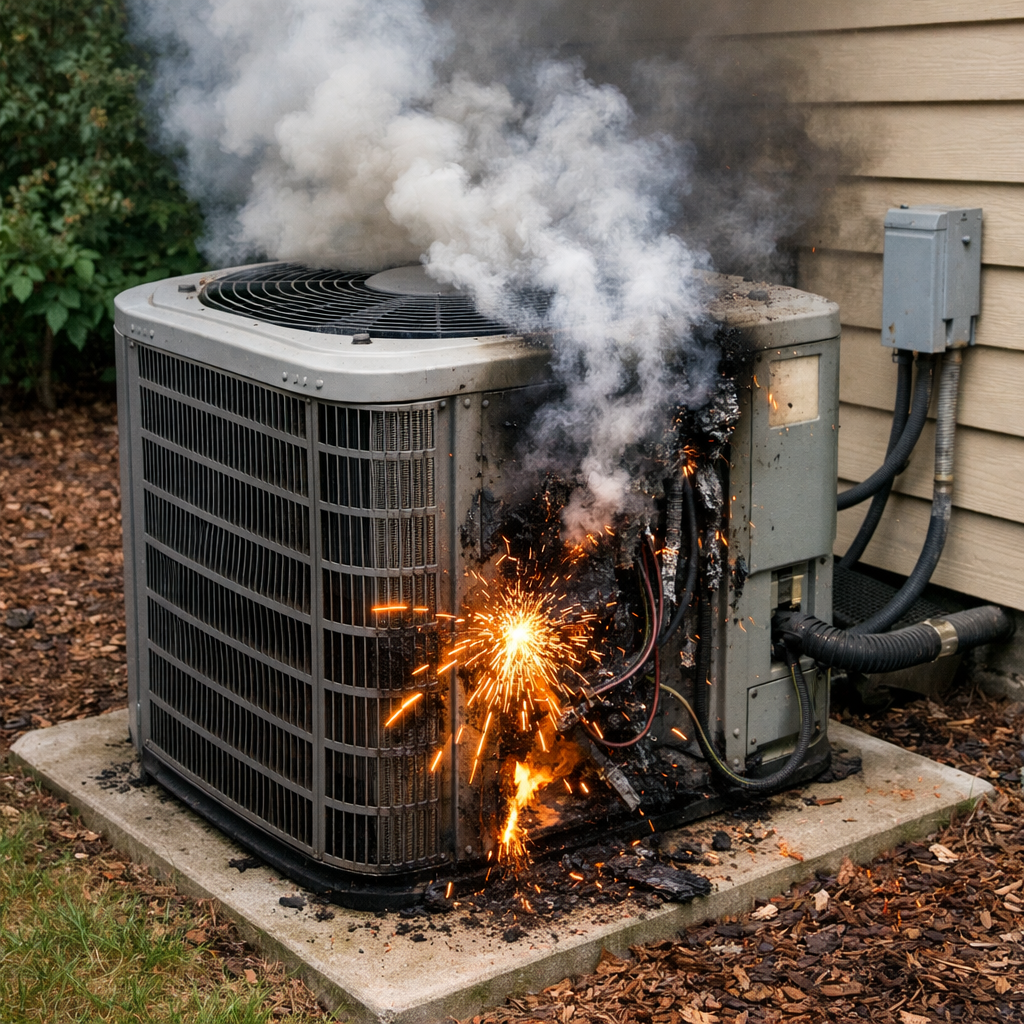
AC compressor failures in Wintersville homes are most often caused by electrical stress, overheating from poor airflow, refrigerant problems, and repeated hard starts. These issues usually build over time due to subdivision-style construction, aging electrical panels, limited return airflow, and outdoor units exposed to heat with little clearance. Compressors rarely fail without warning—most are damaged gradually under conditions common in Wintersville homes.
Why AC Compressor Failures Are Common in Wintersville
The compressor is the most heavily loaded part of an air conditioning system. It manages high voltage, pressure changes, and heat every time the system runs.
In Wintersville, home design plays a major role.
Many homes were built during periods of rapid development, with similar layouts and mechanical designs repeated across neighborhoods. Electrical panels were often sized for original loads, basements were finished later without airflow adjustments, and outdoor units are commonly installed close to foundations or fencing where heat lingers.
We see the same failure patterns year after year. Compressor problems in Wintersville usually develop slowly, not suddenly.
The Most Common Causes of AC Compressor Failure
Electrical Burnout From Power Stress
Electrical stress is the leading cause of compressor failure in Wintersville.
This often comes from:
- Panels that were never upgraded after home additions
- Voltage drops during peak summer demand
- AC systems installed without verifying electrical capacity
Local example:
A late-1990s two-story home with a finished basement and an added home office. The AC system was replaced, but the original electrical panel remained. Repeated low-voltage conditions overheated the compressor windings until failure occurred.
Once internal windings fail, the compressor cannot be repaired.
Overheating Caused by Airflow Limitations
Compressors depend on consistent airflow to stay within safe temperature ranges.
In Wintersville homes, airflow problems often include:
- Undersized return ducts serving finished basements
- Supply-heavy duct systems with limited return paths
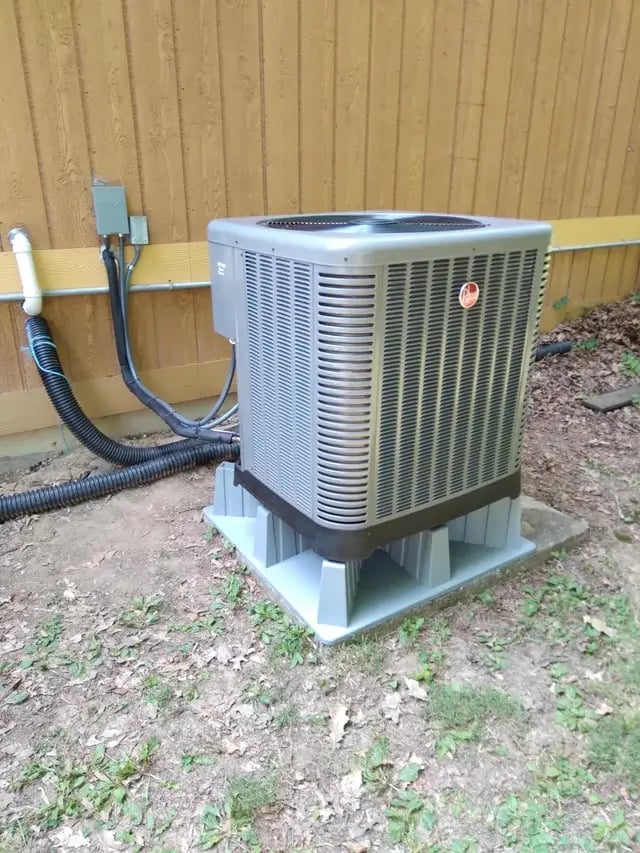
- Outdoor units installed in narrow side yards with poor ventilation
When airflow is restricted, the compressor runs longer and hotter, shortening its lifespan even if cooling still seems adequate.
Refrigerant Leaks or Improper Charging
Compressors operate within a narrow pressure window.
We frequently find:
- Slow refrigerant leaks at older line set connections
- Systems that were refilled instead of properly leak-tested
- Overcharged systems after rushed repairs
Low refrigerant leads to overheating. Too much refrigerant increases internal stress.
Both conditions damage compressors over time.
Hard Starts and Short Cycling
Hard starts occur when a compressor struggles to start under load.
In Wintersville, this often results from:
- Oversized systems cooling too quickly
- Thermostats affected by stairwells or basement temperatures
- Short cycling caused by zoning or duct imbalance
Each hard start adds internal wear. Replacing external components may help temporarily, but the underlying stress remains.
Acid Contamination After Prior Failures
When a compressor fails electrically, acid can remain in the refrigerant system.
Installing a new compressor without properly cleaning the system often leads to repeat failure, sometimes within a single cooling season. This is most common when decisions are rushed during extreme heat.
A Wintersville-Specific Cost Driver Homeowners Miss
Many Wintersville homes have outdoor units placed:
- Close to vinyl fencing
- Along tight side yards between homes
- Near sun-exposed walls with limited airflow
These placements trap heat around the condenser, raising operating temperatures and accelerating compressor wear during long run cycles.
A Common Mistake Wintersville Homeowners Make
Replacing components without addressing system stress.
Capacitors, relays, and even compressors are often replaced without correcting airflow, electrical capacity, or refrigerant issues. Cooling may return briefly, but the same conditions remain.
How Compressor Problems Are Diagnosed Correctly
Before any repair or replacement decision is made, a proper evaluation should include:
- Electrical voltage and amperage testing
- Airflow measurement through the system
- Refrigerant pressure testing and leak checks
- Review of system size and run behavior
A compressor decision should never be made from symptoms alone.
Multiple system factors must be evaluated together to avoid repeat failures.
Compressor Failure vs. Look-Alike Problems
Some problems resemble compressor failure but are not. Failed capacitors, clogged coils, airflow restrictions, or low voltage can cause similar symptoms and are often less severe. True compressor failure typically involves breaker trips, loud humming without startup, or an outdoor unit running without cooling.
Identifying the difference early prevents unnecessary repairs.
In many cases, initial electrical and airflow checks can be completed the same day. Confirming internal compressor damage may require additional testing. Rushing decisions before the full picture is clear often leads to repeat problems.
Is It Safe to Keep Running an AC With Compressor Trouble?
If your system is tripping breakers, struggling to start, or running without cooling, continued operation can cause further damage and may create electrical risk.
Shutting the system off and scheduling an evaluation protects both the equipment and the home.
When Compressor Repair Makes Sense (And When It Doesn’t)
Repair may make sense if:
- The system is under manufacturer warranty
- The failure is isolated and electrical
- The system is properly sized and otherwise healthy
Replacement is often the better option when:
- The system is 10–12 years old or more
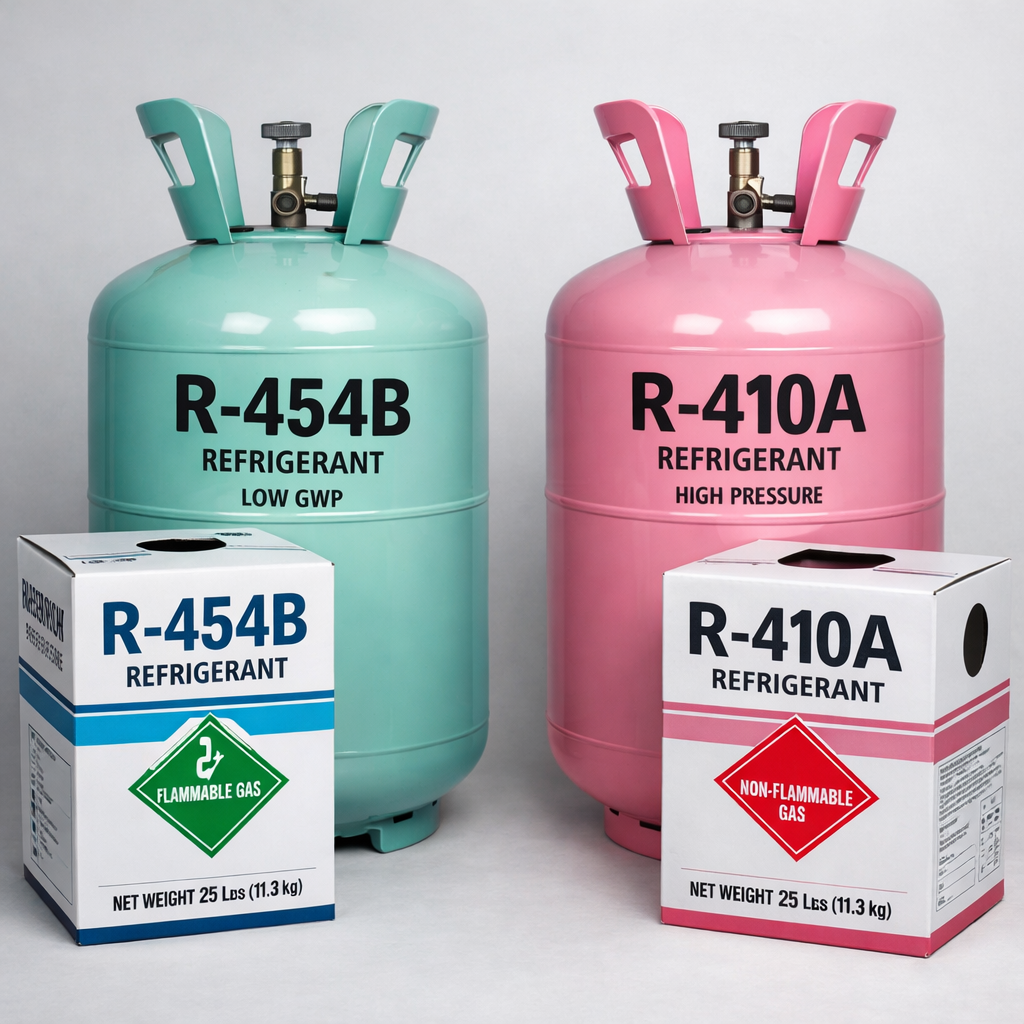
- Refrigerant type is being phased out
- Multiple compressor-related issues exist
No work should proceed without a clear explanation and a full system review.
How Honest Fix Protects You When Compressor Problems Happen
For compressor-related diagnostics and repairs, Honest Fix backs the work with our Service Trust Guardian, which includes:
- 5-year labor coverage on repairs
- No overtime charges
- Money-back satisfaction protection
- On-time arrival and clean work guarantees
When compressor failure leads to system replacement, our Lifetime Trust Shield applies:
- 15-year labor coverage on new system installations
- No-lemon system protection
- Energy performance accountability
- Clear, apples-to-apples price protection
We won’t recommend compressor replacement based on symptoms alone or move forward until the underlying cause is clearly identified.
Other Cities Where These Compressor Issues Also Apply
- Steubenville, OH
- Toronto, OH
- Mingo Junction, OH
- Brilliant, OH
- Weirton, WV
- Follansbee, WV
- Wellsburg, WV
- New Cumberland, WV
- Colliers, WV
- Hooverson Heights
FAQs About AC Compressor Failures
What causes AC compressors to fail most often?
Electrical stress, overheating from poor airflow, and refrigerant problems are the most common causes.
How do I know if my compressor is failing?
Warm air, loud humming, breaker trips, hard starts, or an outdoor unit running without cooling are common signs.
Can a bad capacitor damage a compressor?
Yes. Repeated hard starts caused by a failing capacitor can damage the compressor over time.
Is it worth replacing just the compressor?
Sometimes. It depends on system age, warranty status, refrigerant type, and the cause of failure.
What guarantees do you offer?
- Repairs and service are covered by our Service Trust Guardian
- New installations are covered by our Lifetime Trust Shield, including 15-year labor coverage
Final Thoughts
AC compressors fail when stress builds quietly over time—especially in homes with airflow or electrical limitations.
If you’ve replaced parts in the past, it doesn’t mean anyone did anything wrong. Homes and systems change, and stress compounds.
Clear diagnosis and fixing root causes prevent repeat failures.
Call Honest Fix today for a free exact quote.
Scott Merritt is a co-founder of Honest Fix Heating, Cooling and Plumbing and brings more than 30 years of experience across HVAC, leadership, and industry education. He serves in a senior leadership and oversight role, providing licensed guidance, reviewing HVAC educational content, and supporting technician training and documentation standards. Prior to co-founding Honest Fix, Scott founded and owned Fire & Ice Heating & Air Conditioning in Columbus, Ohio, which he operated for more than two decades before selling the company in 2025. During that time, he led programs and partnerships including Carrier Factory Authorized Dealer, Trane Comfort Specialist, and Rheem Pro Partner, helping establish high technical and training standards. Scott is the Ohio State HVAC license holder for Honest Fix and provides licensed oversight to help ensure work meets applicable codes and manufacturer requirements. Learn more about Scott’s background and role at Honest Fix by viewing his full leadership bio.