Why Is My Hot Water Running Out Too Quickly in Steubenville & Weirton?
December 27th, 2025
3 min read
By Alex Largent
Quick Answer
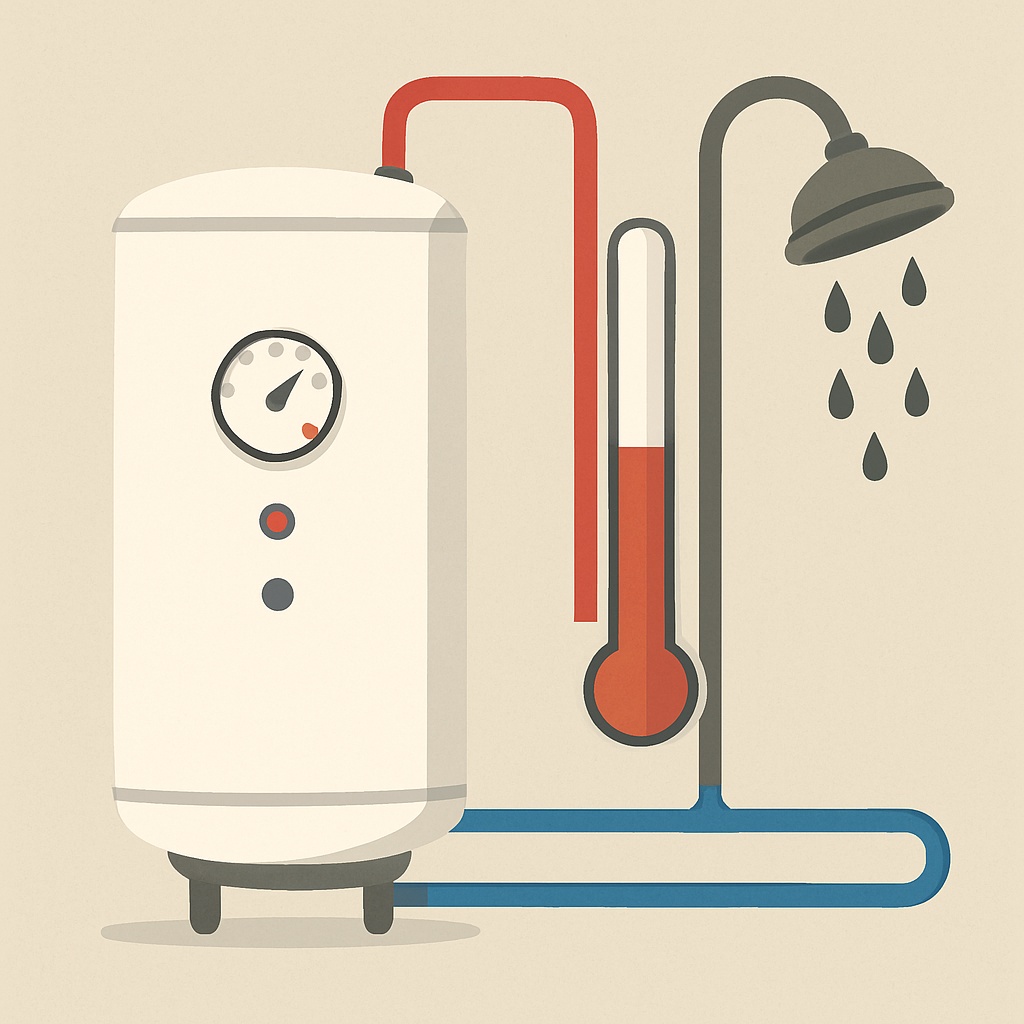
Hot water running out too quickly usually comes from a failed heating element, a broken dip tube, sediment buildup, a burner or igniter issue, or a tank that’s too small for your household. Most standard repairs in the Upper Ohio Valley fall between $200–$500. Priority Service Maintenance Agreement holders never pay after-hours charges.
When your shower goes cold halfway through—or your family rushes to beat each other to the bathroom—it’s frustrating and disruptive. Homes throughout Steubenville, Weirton, Wintersville, and nearby towns deal with aging water heaters, hard water, and long plumbing runs that make hot-water performance issues more common.
With over 20 years in HVAC and plumbing and extensive NATE-certified training, I’ve diagnosed thousands of tanks across the region. My goal here is simple: give you clear answers so you understand what’s happening, what it costs to fix, and when replacement makes more sense.
Why Your Hot Water Runs Out Fast in the Ohio Valley
Local homes often face:
- Hard water that builds up sediment
- Older tanks (10–20+ years)
- Tight basements limiting access
- Long pipe runs to bathrooms
- Demand that has increased as families grow
These factors all impact recovery time and temperature consistency.
Top 7 Reasons Your Hot Water Runs Out Too Quickly
1. Failed Heating Elements or Thermostats (Electric Units)
Electric tanks rely on two elements. If one burns out, you effectively lose half your heating ability.
What you’ll notice:
- Hot water only lasts a few minutes
- Temperature swings
- Showers get colder as more people use hot water
Typical repair cost: $235–$495
Key point: A dead heating element is the most common cause of fast hot-water loss in the Ohio Valley.
2. Broken or Cracked Dip Tube
A dip tube directs cold water to the bottom of the tank. If it breaks, cold water mixes with the hot layer immediately.
What you’ll notice:
- Water turns lukewarm quickly
- Hot water disappears even with low demand
- Pressure stays normal
Typical repair cost: $160–$325
3. Sediment Buildup (Very Common in Our Region)
Hard water minerals coat the tank bottom and surrounding heating surfaces.
What you’ll notice:
- Rumbling or popping sounds
- Short bursts of hot water
- Slow recovery
Typical cost:
Flush: $120–$180
Element replacement if damaged: $235–$495
Heavy sediment in older tanks may not flush out effectively.
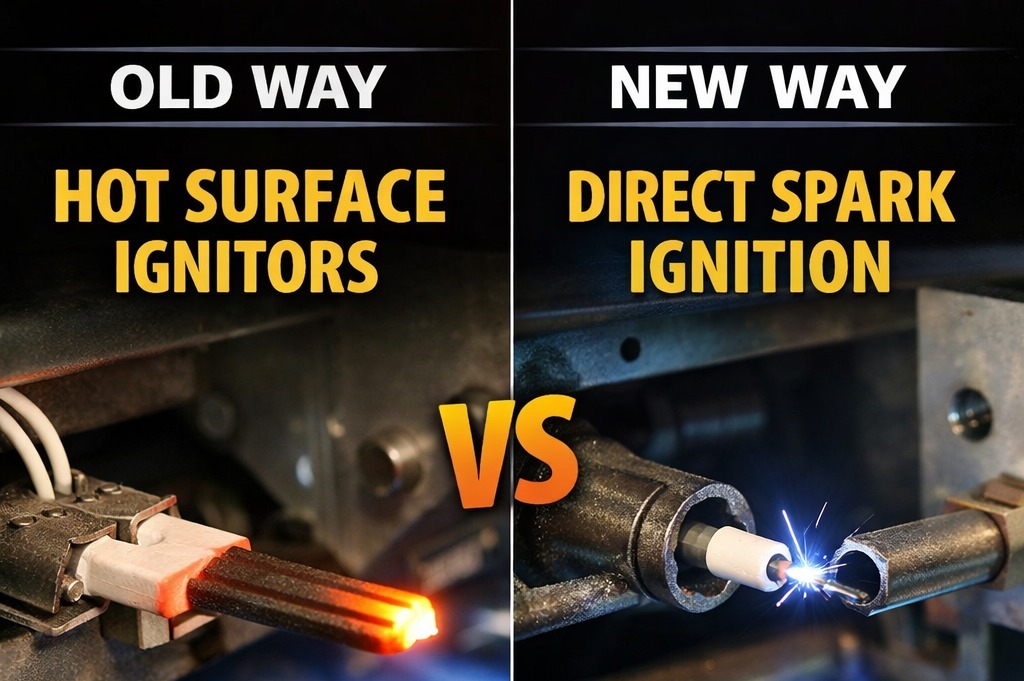
4. Gas Burner, Igniter, or Thermocouple Issues
Gas heaters rely on consistent ignition to maintain temperature.
What you’ll notice:
- Slow heat-up times
- Burner shutting off randomly
- Hot water that fades during use
Typical repair cost: $145–$465
5. Tank Is Too Small for Your Home
Growing households often outpace the hot-water capacity of older tanks.
What you’ll notice:
- Hot water runs out at the same time each day
- Back-to-back showers never stay hot
- Laundry + showers = cold water
Replacement options:
- Larger standard tank (50–75 gallon)
- Tankless upgrade
Typical replacement range:
Standard tank: $2,925–$5,950
Tankless: $5,290–$6,050
Covered under the Honest Fix Lifetime Trust Shield.
6. Internal Tank Corrosion or Liner Failure
Once corrosion reaches the internal lining, heat loss becomes rapid and unsafe.
What you’ll notice:
- Rust-colored water
- Moisture around the tank base
- Hot water disappearing almost immediately
Internal corrosion isn’t repairable—replacement is the only safe option.
7. Aging System With Slow Recovery
After 10–12 years, most water heaters lose efficiency and struggle to meet demand.
What you’ll notice:
- Hot water arrives slowly
- Short, inconsistent cycles
- Multiple small issues appearing over time
Older homes in Steubenville’s Brady Estates and Weirton’s Marland Heights frequently run systems well past expected lifespan.
Misconceptions We Hear Often
- “My faucets must be the issue.”
Unlikely. The tank almost always causes hot-water loss—not the fixtures. - “A flush will fix everything.”
Not for older, sediment-packed tanks. - “There’s still some warm water, so nothing major is wrong.”
Partial heating is one of the biggest warning signs.
Repair Costs in Steubenville & Weirton
Most standard-time water heater repairs fall between $200–$500 depending on the part and access.
Priority Service Maintenance Agreement holders pay no after-hours fee if service is needed outside regular hours.
All pricing is flat-rate, shown in writing before work begins.
FAQs
What guarantees do you offer?
For repairs (Service Trust Guardian):
- 5-Year Labor Warranty
- Money-Back Guarantee
- On-Time Arrival Credit ($50)
- Clean Work Area Credit ($50)
- No overtime charges
For new installations (Lifetime Trust Shield):
- Lifetime Labor Warranty
- 90-Day Money-Back Guarantee
- No-Lemon Guarantee
- Energy Savings Guarantee
- Price Match Guarantee
Should I repair or replace my water heater?
You should repair when:
- The tank is under 10 years old
- A heating element, thermostat, igniter, or dip tube is the issue
- Sediment is moderate
You should replace when:
- The tank is leaking
- It’s 12–15+ years old
- You experience daily hot-water shortages
- Repairs are stacking up
Do you provide exact quotes?
Always. No estimates, no ranges—just free exact quotes with full transparency.
How quickly can Honest Fix arrive?
In most areas of Steubenville and Weirton, same-day service is available—often within four hours.
Final Thoughts
Running out of hot water shouldn’t be part of your daily routine. Now you know the most common causes, what repairs typically cost, and how to decide between repair and replacement. If you want answers without pressure, we’re here to help.
Call Honest Fix today for a free exact quote.
Learn about our guarantees before you decide.
Alex Largent is the Owner and Senior HVAC Efficiency Analyst at Honest Fix Heating, Cooling & Plumbing. With more than 20 years of field experience, NATE and EPA certifications, and a hands-on leadership style, Alex teaches his team to fix systems right the first time — with transparency, precision, and no upsells. He writes about HVAC diagnostics, home energy efficiency, and practical maintenance advice for homeowners across the Upper Ohio Valley. Read Alex Largent’s full bio to learn more about his expertise in the HVAC and Plumbing industry. Updated October 2025.