Ducted vs. Ductless HVAC Maintenance in Steubenville OH and Weirton WV: What’s the Difference?
January 16th, 2026
4 min read
By Alex Largent
Quick Answer
Ducted HVAC systems require maintenance on both equipment and ductwork, while ductless systems focus on individual indoor units and electronics. Ducted systems typically need less frequent hands-on cleaning but broader system checks. Ductless systems require more frequent filter and coil cleaning at each indoor unit. In Steubenville and Weirton, maintenance effort differs more in where and how often work is required than in total service need.
Both systems need regular professional service. The difference is how neglect shows up and how quickly problems appear.
How Maintenance Differs in Real Homes
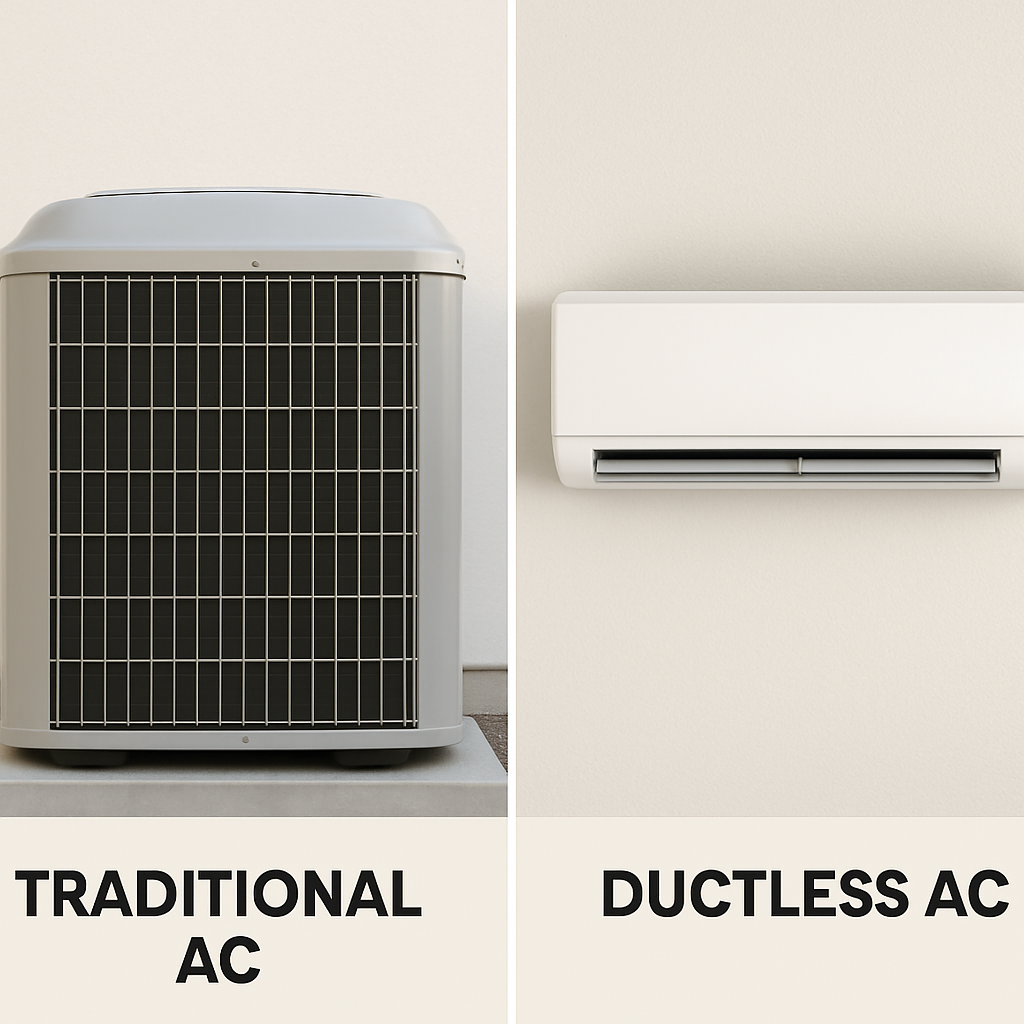
- Ducted systems: One central unit plus ducts throughout the home
- Ductless systems: One outdoor unit with multiple indoor heads
- Maintenance focus: Airflow and ducts vs. indoor unit cleanliness
- Failure pattern: System-wide decline vs. room-by-room issues
A practical rule many homeowners use:
If maintenance is skipped, ducted systems tend to lose efficiency quietly, while ductless systems show problems quickly.
Another practical rule:
The more indoor units a ductless system has, the more frequent hands-on maintenance it requires.
Maintaining Ducted HVAC Systems
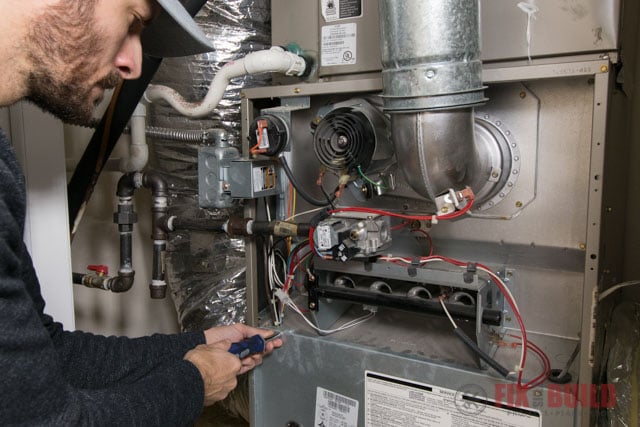
Ducted systems rely on a central air handler or furnace that moves air through supply and return ducts. Maintenance typically includes:
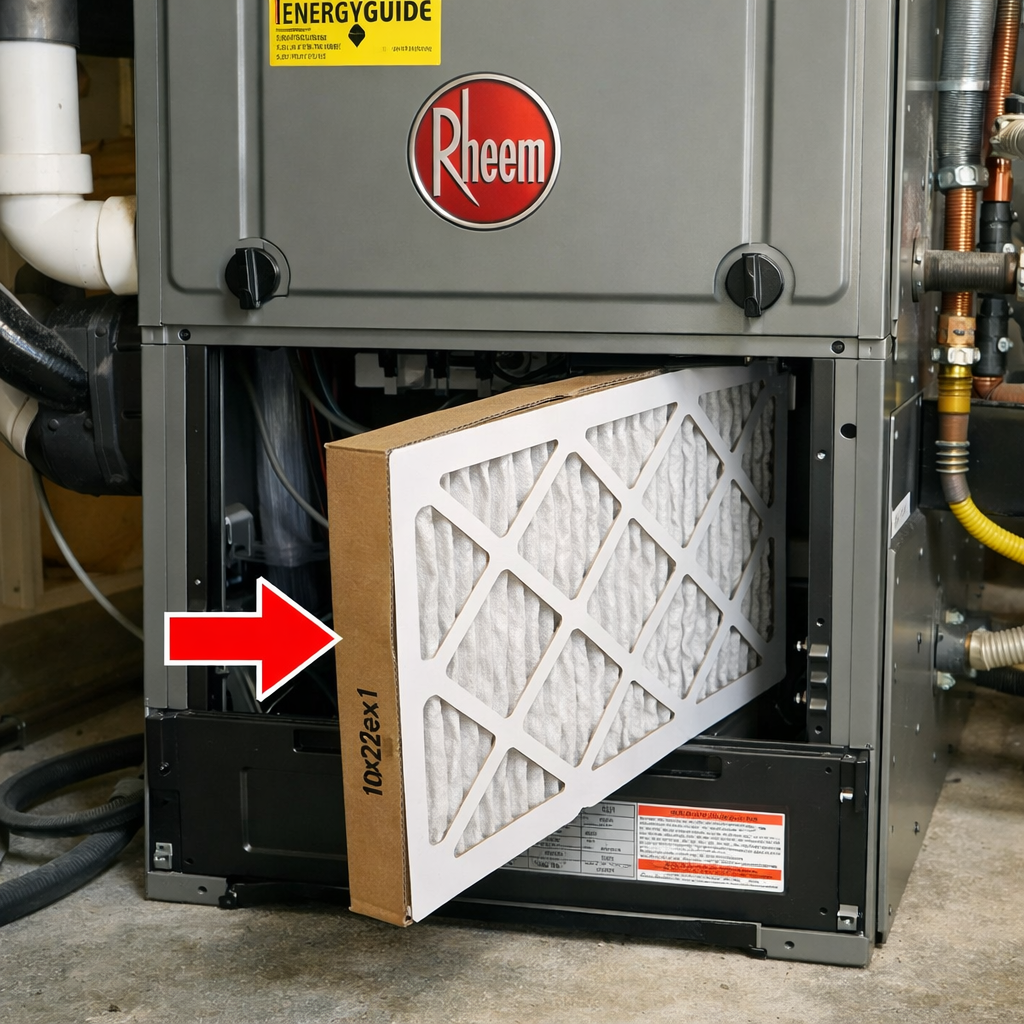
- Regular filter replacement
- Blower and coil cleaning
- Safety checks on fuel or electrical components
- Inspection of duct connections and airflow
Ductwork itself requires periodic inspection. Leaks, disconnections, or buildup inside ducts can reduce efficiency and comfort without obvious symptoms.
Key reality:
Duct problems often go unnoticed until comfort drops or energy bills rise.
Some basic upkeep, like changing filters, can be handled by homeowners, but duct inspections, airflow testing, and internal cleaning require professional service.
Maintaining Ductless HVAC Systems
Ductless systems use multiple indoor units mounted on walls or ceilings. Each indoor head has its own filters and coils.
Maintenance typically includes:
- Cleaning filters at every indoor unit
- Washing or treating indoor coils
- Checking condensate drains
- Inspecting electronic controls and sensors
Because air is conditioned directly in the room, dust and debris buildup affects performance quickly.
Key reality:
Ductless systems are not low-maintenance—they simply shift maintenance from ducts to multiple indoor units.
While homeowners can clean filters regularly, coil cleaning, drain service, and electrical checks should be handled professionally to avoid damage.
Maintenance Frequency and Effort
Neither system is maintenance-free.
- Ducted systems: Less frequent hands-on cleaning, but larger system-wide impact if issues are missed
- Ductless systems: More frequent cleaning, with problems usually isolated to specific rooms
Filters typically need attention monthly during heavy use, while professional service is best scheduled at least annually for both system types.
Cost, Warranties, and Ownership Reality
From a maintenance standpoint:
- Ducted systems: Lower routine effort, higher impact if ducts are neglected
- Ductless systems: Higher routine effort, but failures are usually localized
Skipping required maintenance can jeopardize manufacturer warranties on both systems, especially for ductless equipment that requires documented cleaning.
Neglected maintenance can also lead to motor strain, condensate overflows, or electrical issues that turn small problems into larger repairs.
Comfort and Air Quality Considerations
Maintenance affects comfort and air quality differently.
- Dirty ducts can distribute dust and reduce airflow throughout the home
- Dirty ductless heads can blow debris directly into occupied rooms
In the Ohio Valley, dust, pollen, and seasonal humidity accelerate coil and filter buildup, increasing the need for regular cleaning on both system types.
New Construction vs. Existing Homes
Maintenance demands are influenced by the home itself.
- New construction: Clean ductwork or new ductless heads reduce early maintenance issues
- Existing homes: Older ducts or long-neglected ductless heads increase service needs
Homes with basements, additions, or older duct layouts often require closer inspection.
Common Local Mistake to Avoid
A common local mistake is assuming ductless systems require little to no maintenance. In reality, neglected indoor units quickly lose performance and create comfort complaints one room at a time.
Local Factors by Town That Affect Maintenance Needs
- Steubenville, OH: Older duct systems often need inspection for leakage and buildup
- Weirton, WV: Multi-level homes increase airflow balancing needs
- Wintersville, OH: Newer homes still require consistent filter and coil care
- Toronto, OH: River humidity increases drain and coil maintenance
- Mingo Junction, OH: Smaller homes often rely heavily on ductless heads
- Follansbee, WV: Compact layouts make neglected ductless units noticeable quickly
- Wellsburg, WV: Mixed housing stock creates varied maintenance demands
- Brilliant, OH: Straightforward duct layouts still require inspection
- New Cumberland, WV: Drafty homes increase dust movement
- Colliers, WV: Multi-level homes stress airflow and zoning balance
- Hooverson Heights, OH: Elevation and exposure increase run time and dust accumulation
A Real Local Example
A Steubenville home with older ductwork may experience declining comfort even with a clean furnace until ducts are sealed or repaired. A Weirton home with several ductless heads may lose comfort in a single room quickly if that head’s filters are not cleaned regularly.
Who Each System Is—and Isn’t—a Good Fit for Maintenance
Ducted systems often make sense if:
- Centralized maintenance is preferred
- Ductwork is in good condition
- Filters are changed consistently
Ductless systems often make sense if:
- Room-by-room control is important
- Regular cleaning can be maintained
- Duct installation is impractical
If filters and coils won’t be cleaned consistently, ductless systems are usually not a good fit.
Decision Shortcut for Ohio Valley Homes
If you prefer centralized maintenance and already have usable ductwork, ducted systems are easier to manage long term. If you’re willing to maintain multiple indoor units regularly, ductless systems can perform well—but only with consistent care.
Warranties and Long-Term Reliability
Both systems rely on regular maintenance to protect warranties and lifespan. Maintenance consistency affects system lifespan more than whether the system is ducted or ductless.
FAQ
Is ductless HVAC easier to maintain than ducted systems in Steubenville and Weirton?
Not necessarily. Ductless systems eliminate ducts but require frequent cleaning of multiple indoor units. Ducted systems centralize maintenance but rely on duct condition.
Final Takeaway
Ducted and ductless HVAC systems require different types of maintenance, not more or less of it. In the Ohio Valley, maintenance habits matter more than system type. The best system is the one whose upkeep requirements match how consistently maintenance will actually be handled.
Next Steps
If you’re comparing ducted and ductless HVAC systems, understanding maintenance expectations upfront prevents surprises later. Honest Fix helps homeowners evaluate system options, maintenance needs, and long-term ownership based on real conditions.
Exact HVAC replacement quotes available at (740) 825-9408 or HonestFix.com/schedule-service.
Alex Largent is the Owner and Senior HVAC Efficiency Analyst at Honest Fix Heating, Cooling & Plumbing. With more than 20 years of field experience, NATE and EPA certifications, and a hands-on leadership style, Alex teaches his team to fix systems right the first time — with transparency, precision, and no upsells. He writes about HVAC diagnostics, home energy efficiency, and practical maintenance advice for homeowners across the Upper Ohio Valley. Read Alex Largent’s full bio to learn more about his expertise in the HVAC and Plumbing industry. Updated October 2025.