Why Is My HVAC Not Controlling Humidity Properly in Wintersville Homes
January 18th, 2026
4 min read
By Alex Largent
Quick Answer
Your HVAC is not controlling humidity properly because it is not regulating moisture balance as it runs. In Wintersville homes, this happens when airflow, run time, ventilation, or equipment setup prevents the system from removing moisture when it’s too high or adding moisture back when the air becomes too dry.
This is why humidity problems can exist even when heating and cooling appear to work normally.
Humidity control problems are very common in Wintersville, especially in split-level and multi-story homes with basements. Many homeowners assume sticky or dry air means their HVAC system is failing, when the real issue is how moisture is being managed inside the home.
Comfort problems don’t start with temperature—they start with moisture balance.
What Proper Humidity Control Actually Means
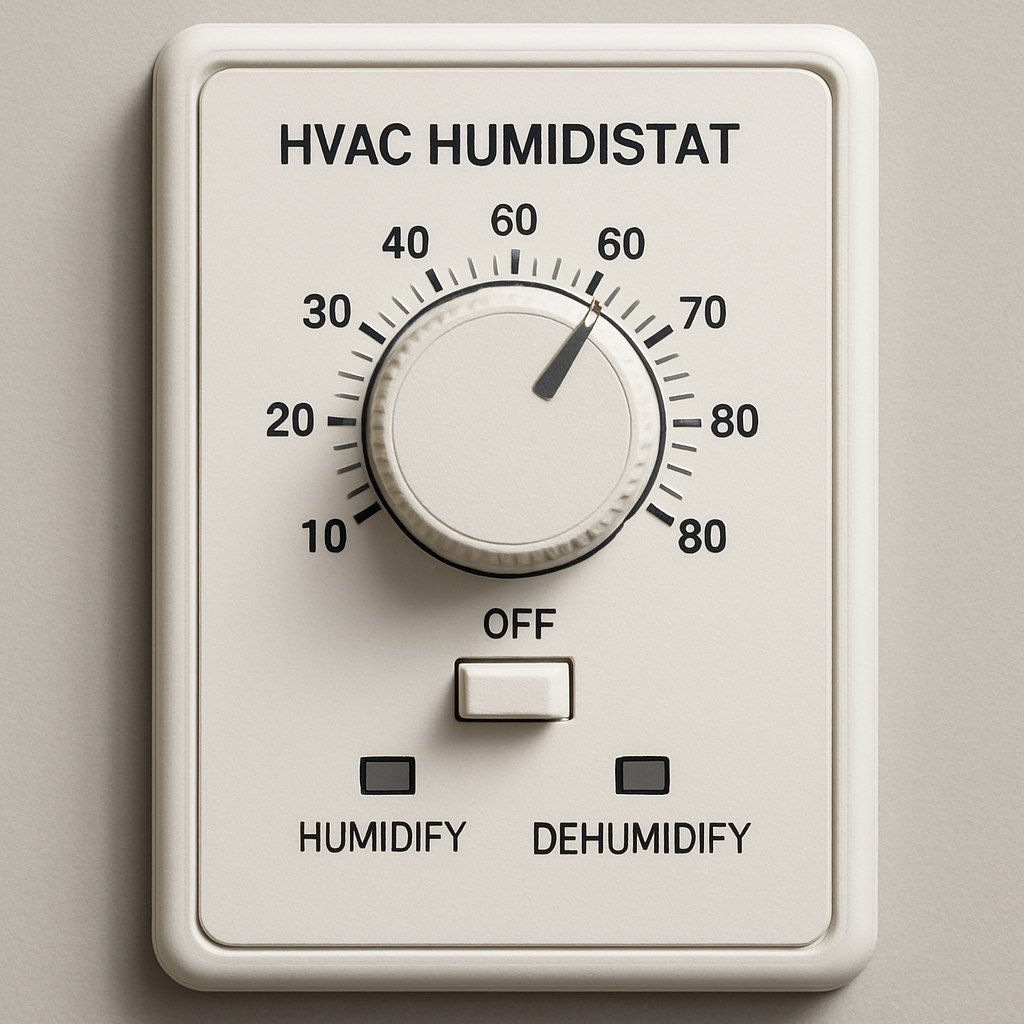
Proper humidity control means keeping indoor moisture within a healthy, comfortable range year-round.
For most homes, that range is between 35% and 55% relative humidity, depending on the season.
Effective humidity control requires:
- Removing moisture when humidity is too high
- Retaining or adding moisture when the air becomes too dry
A home can reach the correct temperature and still feel uncomfortable if humidity is not controlled properly.
Humidity Control Problems Usually Come Down to Four Things
In Wintersville homes, humidity issues almost always trace back to one or more of the following:
- Airflow setup
- System run time
- Moisture entering or leaving the home
- Lack of dedicated humidity-control equipment
Identifying which one applies is what determines whether the solution is simple—or costly if guessed incorrectly.
Humidity Problems Can Go in Two Directions
Humidity issues are not always about excess moisture.
They usually fall into one of two categories:
- Too much humidity – air feels sticky, heavy, or musty
- Too little humidity – air feels dry, irritating, or uncomfortable
Both indicate the HVAC system is not controlling moisture correctly, even if heating and cooling seem normal.
The Most Common Reasons Humidity Is Too High
Oversized HVAC Equipment
Oversized systems cool air too quickly and shut off before removing moisture.
This leads to short run times and clammy indoor air. We commonly see this in Wintersville homes where systems were replaced without updated load calculations.
Airflow Is Too High Across the Coil
Air moving too fast cannot release moisture effectively.
Excess airflow allows moisture to pass through the system instead of condensing on the coil, reducing dehumidification and comfort.
Short Run Times Caused by Layout
Split-level and multi-story layouts can satisfy thermostats too quickly.
When systems cycle off early, moisture remains in the air—especially during mild, humid weather.
Excess Moisture Entering the Home
Moisture can enter faster than the HVAC system can remove it.
Common Wintersville sources include:
- Basements and lower levels
- Bathrooms and kitchens
- Outside air leakage
The Most Common Reasons the Air Is Too Dry
Moisture Is Removed but Not Replaced
Some HVAC systems remove moisture effectively but have no way to add it back.
This often causes dry skin, sinus irritation, static electricity, and cracking wood during winter.
High Airflow During Heating Season
Air moving too quickly strips moisture from the air.
This is common in Wintersville homes that have been tightly sealed for energy efficiency without humidity balancing.
Long Run Times Without Humidity Support
Systems that run frequently without humidification can over-dry a home.
Dry air often makes homes feel colder, leading homeowners to raise the thermostat unnecessarily.
A Real Wintersville Home Example
We recently evaluated a 1980s Wintersville split-level home with a finished basement and a newer HVAC system.
- High-efficiency AC
- Single central return
- Basement and lower-level moisture concerns
The homeowners reported sticky air in summer and very dry air in winter.
The cause:
High airflow, short run times, and no humidity-balancing equipment.
The fix:
Airflow corrections, humidity-focused tuning, and moisture control improvements—without replacing the HVAC system.
When HVAC Alone Is Not Enough to Control Humidity
Some homes need dedicated humidity equipment—but only after testing confirms it.
When a Whole-Home Dehumidifier Makes Sense
A whole-home dehumidifier may be appropriate when:
- Basement humidity persists even with correct airflow
- Humidity stays high during mild weather
- Moisture enters faster than the HVAC system can remove it
If airflow and setup are correct and humidity remains high, a whole-home dehumidifier may be the right solution—not system replacement.
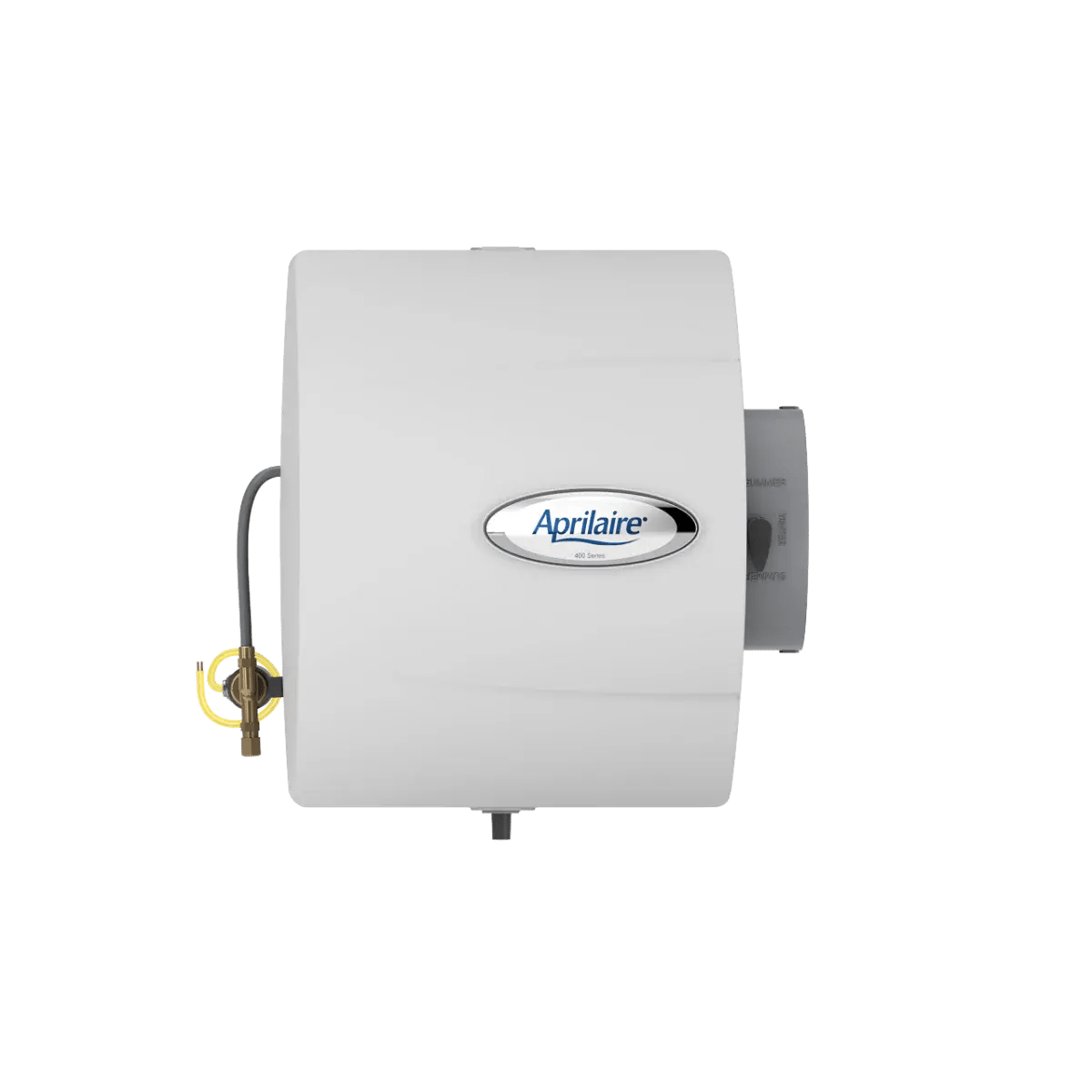
When a Whole-Home Humidifier Makes Sense
A whole-home humidifier may be appropriate when:
- Winter air becomes excessively dry
- Static electricity and sinus irritation are common
- Wood floors or trim begin to crack
Some HVAC systems remove moisture effectively but have no way to add it back.
We sell whole-home humidifiers and dehumidifiers, but we don’t recommend them unless testing proves they’re necessary.
If testing shows your HVAC can control humidity through airflow or setup changes, we won’t recommend additional equipment.
A Cost Driver Specific to Wintersville Homes
Split-level layouts create wider humidity swings between floors.
Cost factors often include:
- Basement moisture influence
- Limited return-air pathways
- Uneven airflow between levels
Correcting humidity problems usually involves airflow and moisture management—not replacing equipment.
The Most Common Homeowner Mistake
Assuming humidity problems automatically mean the HVAC system needs replaced.
In many Wintersville homes, the system is capable of controlling humidity—it’s just not configured correctly.
Seasonal Humidity Challenges in the Ohio Valley
These problems most often show up during humid Ohio Valley summers and again in winter when homes are sealed tightly for heating.
Across Wintersville, Steubenville, Toronto, Mingo Junction, Brilliant, Weirton, Follansbee, Wellsburg, New Cumberland, Colliers, and Hooverson Heights, we consistently see the same patterns.
How Humidity Problems Are Diagnosed
Humidity issues must be measured—not guessed.
Diagnosis includes:
- Indoor humidity readings
- Airflow and static pressure testing
- Run-time evaluation
- Whole-home moisture assessment
Comfort problems don’t get solved by selling equipment—they get solved by understanding how the home and system work together.
How Our Guarantees Protect You
Service Trust Guardian (Humidity & Comfort Corrections)
- 5-year labor warranty on repairs
- No overtime charges
- Money-back satisfaction protection
- On-time arrival accountability
Lifetime Trust Shield (When Replacement Is Needed)
- 15-year labor coverage
- No-lemon system protection
- Energy performance assurance
Frequently Asked Questions
Should my HVAC control humidity?
Yes. Properly operating HVAC systems manage humidity as part of normal operation.
Why does my house feel sticky or dry even when the temperature is right?
Because temperature and humidity are separate comfort factors.
Do I need a whole-home humidifier or dehumidifier?
Sometimes—but only after airflow, sizing, and ventilation are evaluated.
What guarantees do you offer?
Service work is covered by Service Trust Guardian.
Installations are protected by Lifetime Trust Shield.
What to Do Next
If your home feels sticky, damp, overly dry, or uncomfortable even when the temperature is right, humidity control—not temperature—may be the real issue.
We don’t recommend solutions until we prove the cause.
Call Honest Fix today for a free exact quote.
Alex Largent is the Owner and Senior HVAC Efficiency Analyst at Honest Fix Heating, Cooling & Plumbing. With more than 20 years of field experience, NATE and EPA certifications, and a hands-on leadership style, Alex teaches his team to fix systems right the first time — with transparency, precision, and no upsells. He writes about HVAC diagnostics, home energy efficiency, and practical maintenance advice for homeowners across the Upper Ohio Valley. Read Alex Largent’s full bio to learn more about his expertise in the HVAC and Plumbing industry. Updated October 2025.