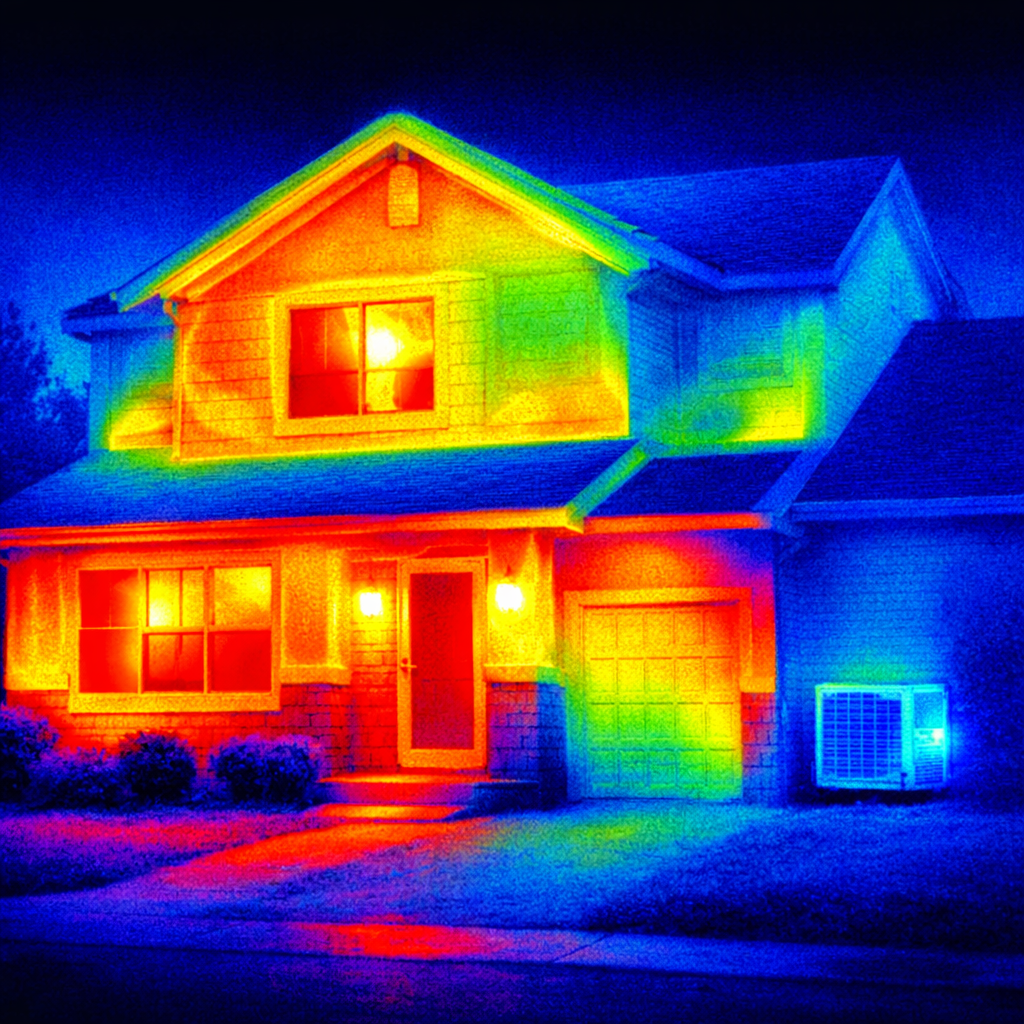
How Much Does It Cost to Fix an HVAC System Not Heating or Cooling Properly in Mingo Junction, OH (2026–2027)?
January 10th, 2026
3 min read
By Alex Largent
Quick Answer
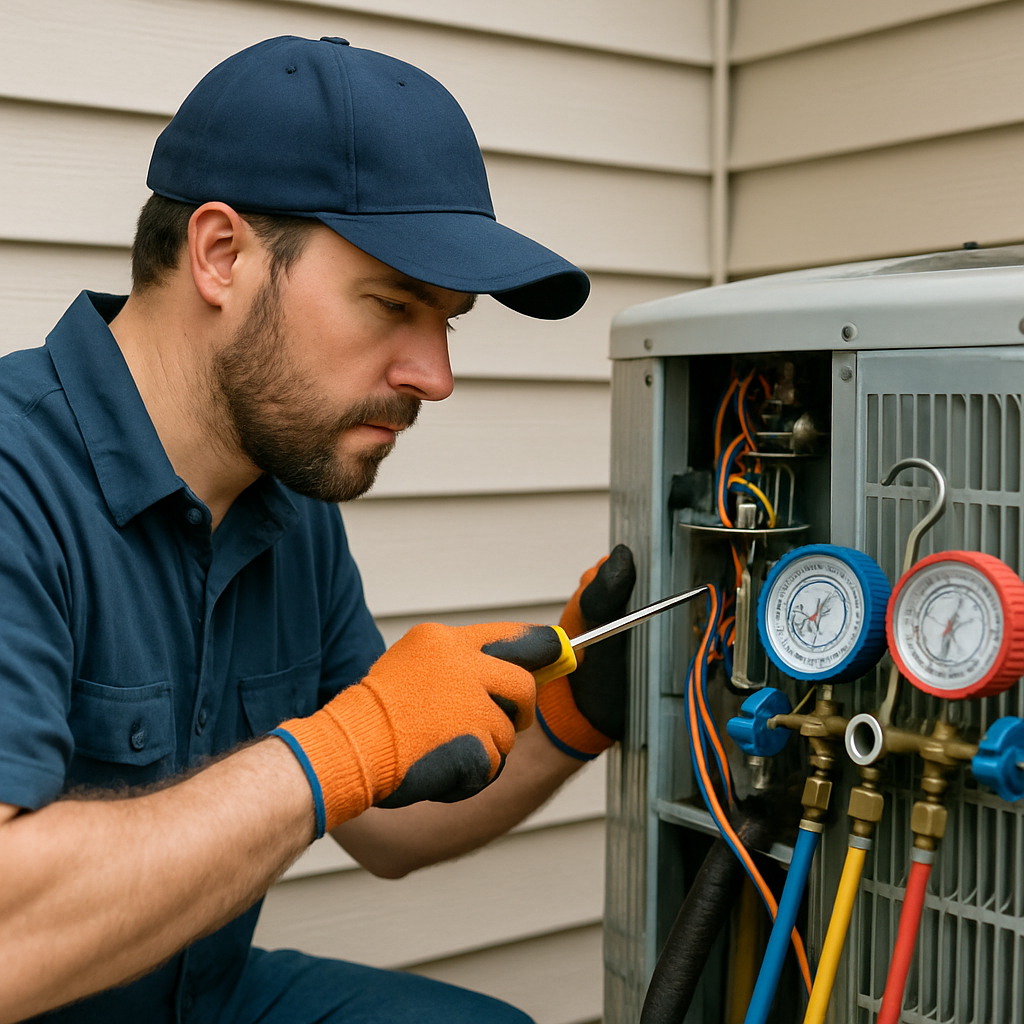
In Mingo Junction, fixing an HVAC system that isn’t heating or cooling properly typically costs $420–$650 for minor repairs, $650–$1,400 for advanced repairs, and $1,800–$3,500 for major component failures in 2026–2027. Final cost depends on the failed component, system age, and home-specific factors common in Mingo Junction-area homes.
When an HVAC System Fails in Mingo Junction, Access Becomes Part of the Cost
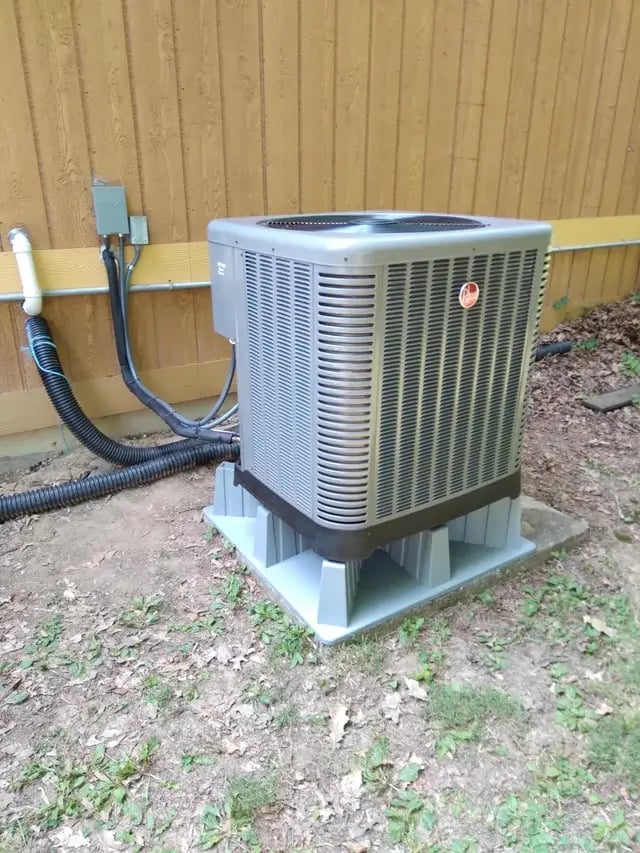
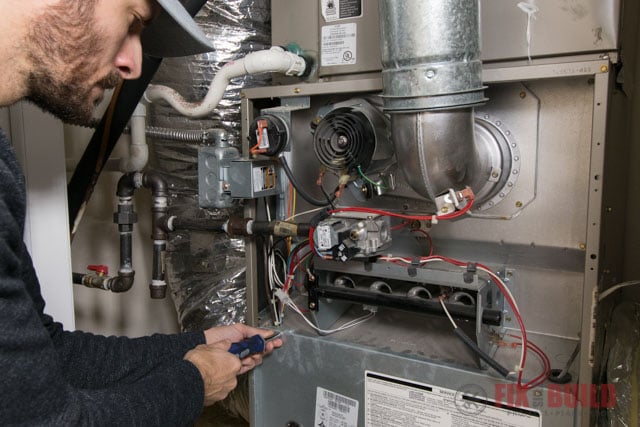
In Mingo Junction, HVAC breakdowns often come with a second problem: access. Many homes sit on narrow lots, close to rail lines, hillsides, or flood-prone areas, where equipment placement was dictated by space — not serviceability.
When access is limited, even simple repairs can take longer and cost more.
This article explains what HVAC repairs actually cost in Mingo Junction and how local layout and floodplain conditions affect whether a repair is a one-time fix or a recurring issue.
Why HVAC Repair Costs Are Different in Mingo Junction
Mingo Junction homes commonly include:
- Older mill-era houses
- Tight side yards with limited outdoor clearance
- Equipment installed low or below grade
- Basements vulnerable to moisture intrusion
Local conditions that affect repairs include:
- Floodplain exposure near the river
- Outdoor units installed close to foundations
- Rust and corrosion on lower-mounted components
- Electrical disconnects placed in hard-to-reach locations
In Mingo Junction, placement and exposure often matter more than system age.
Average HVAC Repair Costs in Mingo Junction (2026–2027)
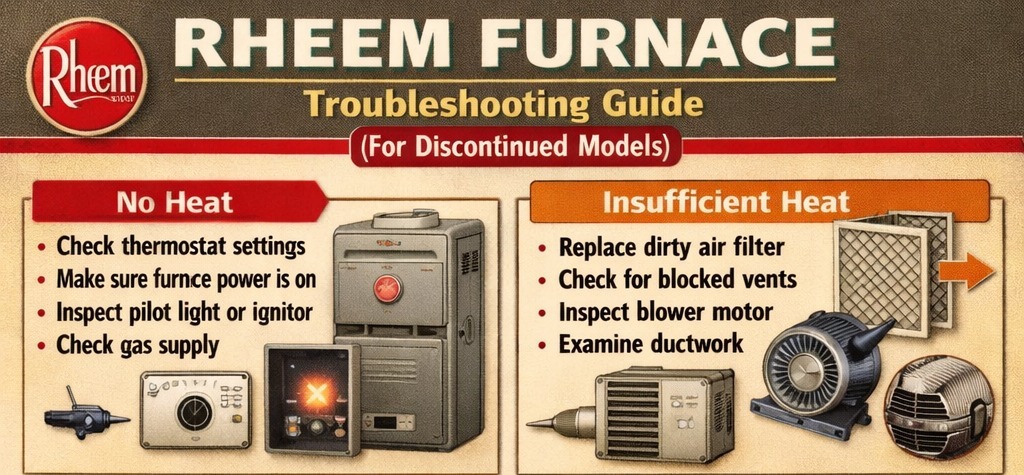
Most “not heating” or “not cooling” service calls fall into three cost tiers.
Standard HVAC Repairs: $420–$650
These typically include:
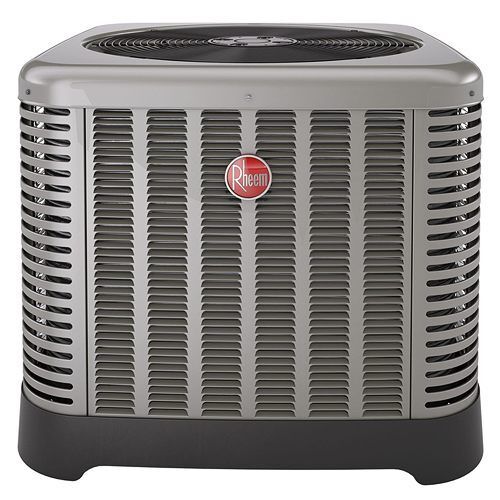
- Capacitors
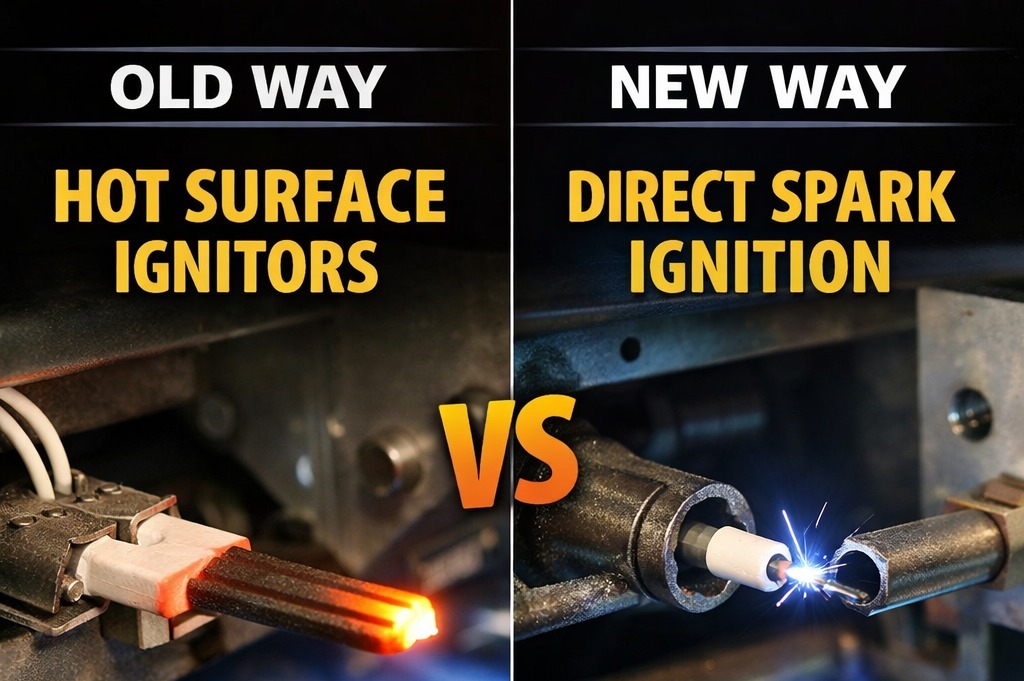
- Ignitors
- Contactors
- Flame sensors
- Minor electrical faults
These repairs restore operation but don’t change access or exposure conditions.
Advanced HVAC Repairs: $650–$1,400
These involve more labor-intensive components:
- Blower motors
- Inducer motors
- Control boards
- Moisture-affected electrical parts
At this level, access time and corrosion begin to influence price.
Major HVAC Repairs: $1,800–$3,500
These affect the core of the system:
- Compressors
- Heat exchangers
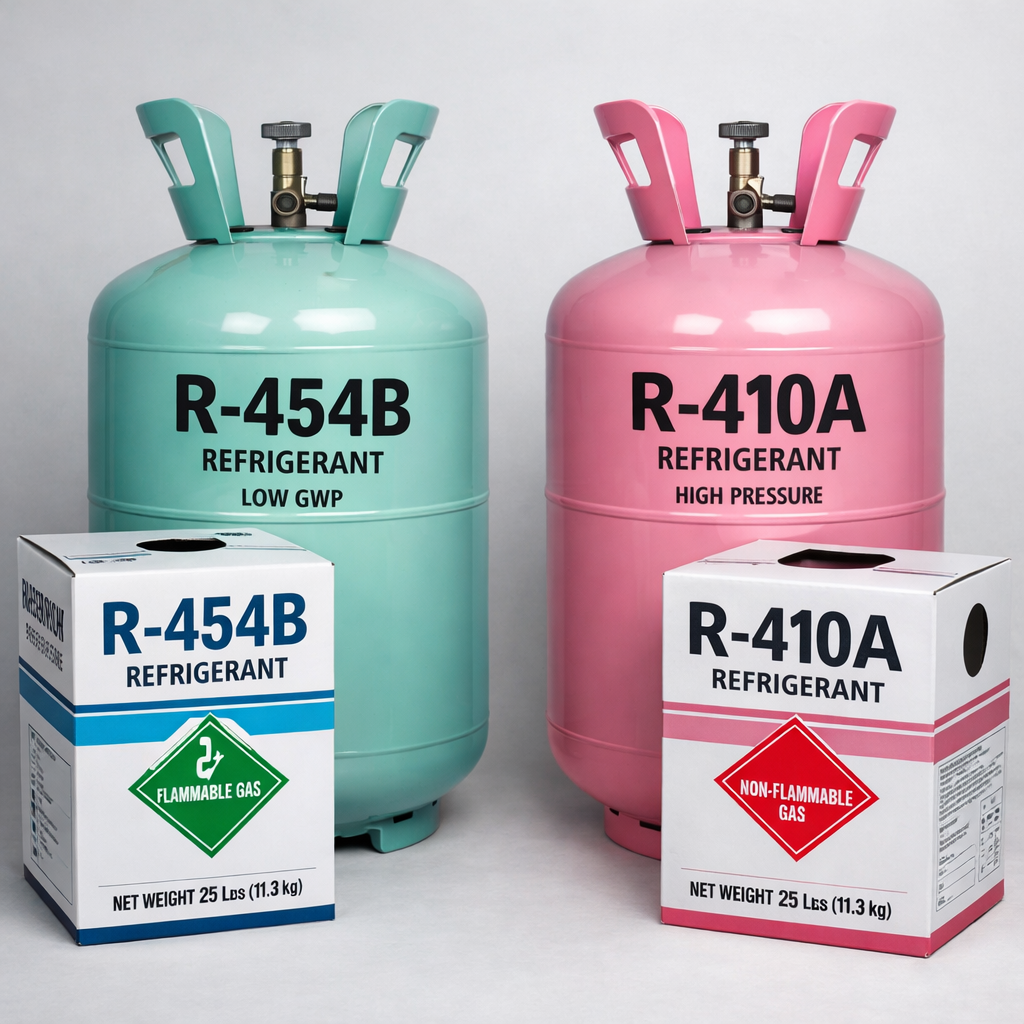
- Refrigerant circuit failures
Once repairs exceed about $1,500, the system’s location and exposure become critical decision factors.
What These Price Ranges Assume
These cost ranges assume:
- Safe access to equipment
- No widespread flood or moisture damage
- Electrical components not compromised by corrosion
- Accurate diagnosis without repeated teardown
If access or exposure issues are severe, repairs may restore operation but not reliability.
A Real Mingo Junction Home Example
Home Profile
- 1940s single-story home
- Full basement near floodplain
- Outdoor AC unit installed below grade
- Gas furnace with original duct layout
The Issue
Cooling failed during summer. Diagnosis revealed compressor failure combined with heavy corrosion on electrical connections.
Repair Option
- Compressor replacement: $2,600–$3,400
- No relocation or elevation of equipment
Why This Mattered
The failure was strongly tied to moisture exposure. Replacing the compressor without correcting placement left the system vulnerable to repeat failure.
This is a common Mingo Junction scenario.
A Cost Driver Unique to Mingo Junction Homes
Floodplain exposure and low-mounted equipment are major hidden cost drivers.
Many systems are:
- Installed close to ground level
- Exposed to standing water during heavy rain
- Subject to accelerated corrosion
Even high-quality repairs may have shorter lifespans if exposure isn’t addressed.
The Most Common Mistake Mingo Junction Homeowners Make
Fixing the broken part without addressing where the system lives.
Because the system “ran fine for years,” homeowners often assume:
- The failure was unavoidable
- A new part will last just as long
- Location doesn’t matter
That assumption leads to repeat repairs and rising long-term cost.
Repair vs. Replacement: How to Decide Without Regret
When an HVAC system isn’t heating or cooling properly, the decision isn’t just repair or replace — it’s who carries the risk after the work is done.
Understanding that difference prevents expensive surprises.
When Repair Makes Sense
A repair is usually the right choice when:
- The system is under 10 years old
- The failure is isolated
- The repair cost is well below $1,500
- Moisture or access issues haven’t caused broader damage
You’re fixing a problem — not postponing a larger one.
When Repair Becomes Risky
Repairs become a gamble when:
- Corrosion has affected multiple components
- The failure involves a compressor or heat exchanger
- Equipment placement leaves it exposed to moisture
This is when homeowners often pay twice.
What Happens After a Repair
After a repair:
- Only the replaced component is protected
- Environmental exposure remains
- Future failures are still possible
The homeowner carries the long-term risk.
What Changes With Replacement
With a full system replacement:
- Equipment placement can be corrected
- Elevation and drainage can be improved
- Reliability and efficiency stabilize
Most importantly:
Risk shifts from the homeowner to the contractor through written guarantees.
Guarantees That Matter
Service Trust Guardian (Repairs & Maintenance)
For HVAC repairs and service:
- 5-year labor warranty on qualifying repairs
- No overtime charges
- On-time arrival guarantee
- Clean work area guarantee
- Money-back satisfaction protection
Lifetime Trust Shield (New Installations)
For full system replacements:
- Lifetime labor coverage for the system’s usable life
- No-lemon guarantee
- Energy performance guarantee
- Apples-to-Apples Price Match — or 10% better
These guarantees are designed to reduce homeowner risk, not rush decisions.
How This Applies Across the Upper Ohio Valley
We see similar exposure- and access-related repair patterns in:
- Steubenville, OH
- Wintersville, OH
- Toronto, OH
- Brilliant, OH
- Weirton, WV
- Follansbee, WV
- Wellsburg, WV
- New Cumberland, WV
- Colliers, WV
Different towns, different challenges — same need for clarity.
Frequently Asked Questions
Why do HVAC repairs fail more often in flood-prone areas?
Moisture accelerates corrosion and electrical failure, shortening component lifespan.
Is replacement always required?
No. Many systems can be repaired successfully if exposure issues are addressed.
What guarantees do you offer?
Repairs are covered under the Service Trust Guardian, and new systems are protected by the Lifetime Trust Shield. All details are explained before work begins.
The Bottom Line for Mingo Junction Homeowners
The cost to fix an HVAC system that isn’t heating or cooling properly isn’t just about the part that failed. In Mingo Junction, where the system is installed often determines whether a repair lasts.
Understanding that difference protects your budget.
Call Honest Fix today for a free exact quote.
Learn about our guarantees before you decide.
Alex Largent is the Owner and Senior HVAC Efficiency Analyst at Honest Fix Heating, Cooling & Plumbing. With more than 20 years of field experience, NATE and EPA certifications, and a hands-on leadership style, Alex teaches his team to fix systems right the first time — with transparency, precision, and no upsells. He writes about HVAC diagnostics, home energy efficiency, and practical maintenance advice for homeowners across the Upper Ohio Valley. Read Alex Largent’s full bio to learn more about his expertise in the HVAC and Plumbing industry. Updated October 2025.