What Are the Costs to Replace an Old Heat Pump in Toronto, Ohio?
February 23rd, 2026
3 min read
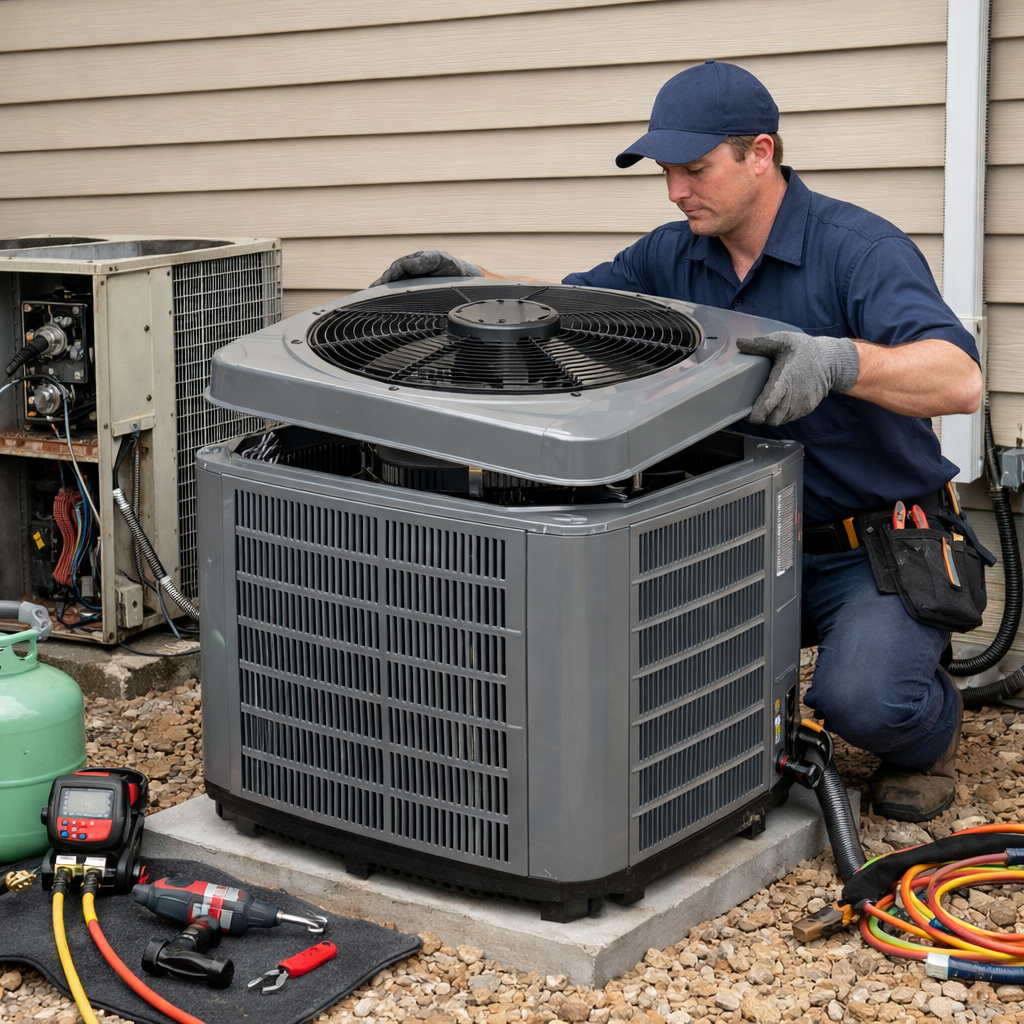
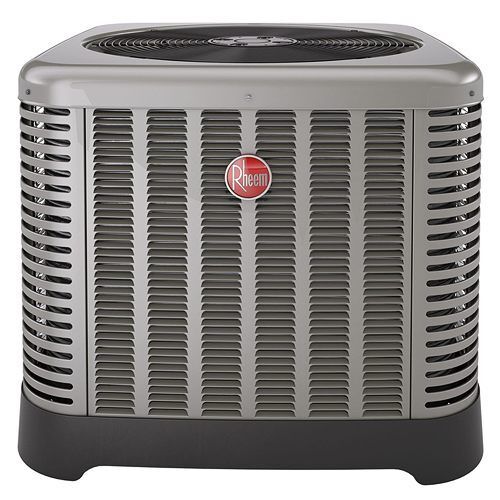
Quick Answer: Replacing an old heat pump in Toronto, Ohio costs $11,880–$24,225 for a full matched installation. Outdoor units range from $7,030–$13,270, and air handlers from $4,850–$10,955. Final pricing depends on electrical capacity, duct layout, crawlspace conditions, and commissioning standards.
If your heat pump is 12–18 years old and struggling through Ohio River Valley winters, you may be experiencing uneven temperatures, humidity issues, or rising electric usage.
This guide explains what drives replacement cost specifically in Toronto — without guesswork.
Heat Pump Replacement Cost Breakdown in Toronto (2026–2027 Pricing)
Quick Answer: The approved installation range in Toronto is $11,880–$24,225, depending on system type and site-specific conditions.
| Component | Pricing Range |
|---|---|
| Outdoor Unit | $7,030–$13,270 |
| Air Handler | $4,850–$10,955 |
| Full Matched Installation | $11,880–$24,225 |
A full matched installation includes:
- New outdoor heat pump
- New indoor air handler
- Refrigerant line modifications if needed
- Electrical reconnection
- System startup
- Full commissioning and documentation
Exact quotes are based on measured conditions inside your home.
What Makes Toronto Homes Different?
Quick Answer: Toronto homes often include crawlspaces, slab foundations, and older duct systems, which increase airflow and moisture considerations during replacement.
Unlike newer subdivisions in Wintersville, many Toronto properties feature:
- 1940s–1970s construction
- Crawlspace duct routing
- Limited mechanical room space
- Narrow lot placement
These factors directly affect labor scope and airflow performance.
Crawlspaces & Duct System Challenges
Quick Answer: Crawlspace duct systems frequently experience leakage, undersized returns, and elevated static pressure above 0.8 inches WC, requiring correction before installing new equipment.
Common issues in Toronto:
- Duct joints separated over time
- Limited return air pathways
- High humidity exposure
- Insulation degradation
Installing high-efficiency equipment without correcting airflow limits performance.
Static pressure and airflow are measured before startup.
Electrical Capacity in Older Toronto Homes
Quick Answer: Many Toronto homes still operate on 100-amp service, which must be evaluated before installing modern heat pump systems.
Heat pumps require:
- Dedicated breaker space
- Proper conductor sizing
- Verified amp draw during defrost
- Correct grounding
Panel verification is required before confirming final installation scope.
Electrical shortcuts are not acceptable.
Slab and Tight-Lot Installation Considerations
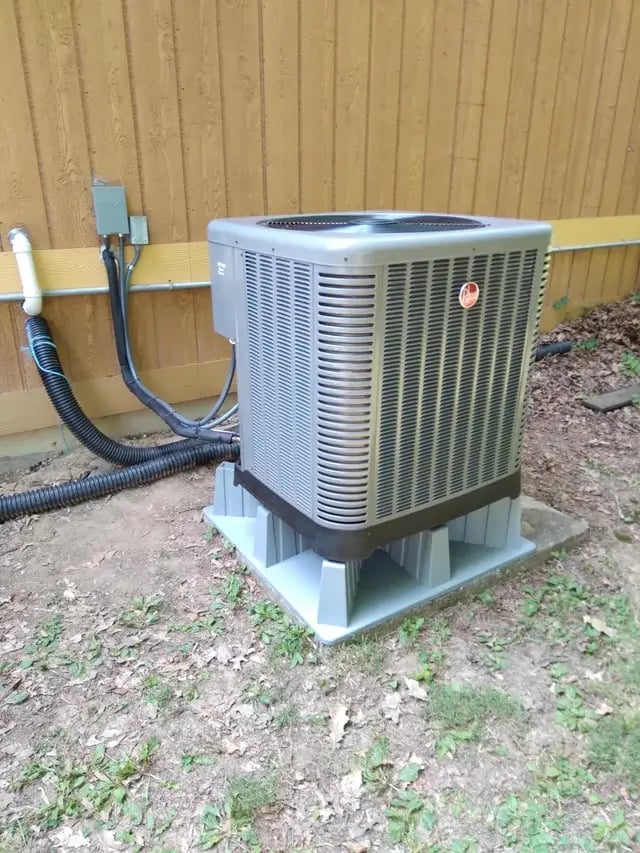
Quick Answer: Slab homes and tight lot spacing in Toronto can affect outdoor unit placement, drainage planning, and refrigerant line routing.
Common challenges include:
- Limited clearance on side yards
- Outdoor pad elevation adjustments
- Drainage slope management
- Floodplain awareness near riverfront areas
Improper placement increases vibration and mechanical wear.
Installation planning accounts for site layout.
Ohio River Valley Humidity & Freeze Cycles
Quick Answer: Toronto’s river proximity increases humidity load and defrost cycling frequency during winter months.
Environmental factors include:
- Elevated latent load
- Cold air pooling near the river
- Freeze–thaw cycles affecting outdoor pads
- Increased defrost frequency below 32°F
These conditions influence system design and commissioning.
Why Proper Commissioning Is Critical
Quick Answer: Commissioning takes 45–90 minutes and includes vacuuming to 500 microns, nitrogen pressure testing, charging refrigerant by exact weight, and verifying static pressure.
Commissioning includes:
- Nitrogen pressure test before refrigerant release
- Deep vacuum to 500 microns or lower
- Refrigerant weighed precisely
- Static pressure measurement
- Temperature split testing
- Defrost cycle confirmation
If commissioning takes less than 45 minutes, it was not completed properly.
Improper startup procedures shorten equipment lifespan.
The most expensive heat pump is the one installed incorrectly.
Manual J Load Calculation: Essential for Older Toronto Homes
Quick Answer: Manual J load calculation ensures proper sizing. Oversized systems short-cycle. Undersized systems struggle below 20°F winter temperatures.
Manual J accounts for:
- Square footage
- Insulation levels
- Window efficiency
- Air leakage
- Ceiling height
Older Toronto homes with original insulation and windows require measured load calculations.
Sizing must be engineered — not copied.
When You Should NOT Replace Your Heat Pump
Quick Answer: If your system is under 10 years old and repairable within manufacturer specifications, replacement may not be necessary.
Repair may be appropriate when:
- Electrical components fail
- Capacitors fail
- Minor refrigerant leaks occur
- Warranty coverage applies
Comfort Guides explain options clearly before recommending replacement.
How to Compare Quotes in Toronto
Quick Answer: If a quote does not specify vacuum level, nitrogen testing, static pressure measurement, and refrigerant charging method, you are not comparing equal systems.
Ask:
- What vacuum level will be achieved?
- Is nitrogen testing performed?
- Will static pressure be documented?
- Is refrigerant charged by weight?
Clear documentation indicates proper installation standards.
Why We’re Not the Cheapest
Quick Answer: Full commissioning, airflow verification, nitrogen testing, and documented load calculations are included in our installation process.
Lower bids often exclude:
- Static pressure measurement
- Nitrogen pressure testing
- Extended commissioning
- Engineering-level sizing verification
No upsells. No games. Just thorough work.
What Installation Day Looks Like in Toronto
Quick Answer: Crews arrive between 8:00–9:00 AM, protect your home, complete installation, and perform full commissioning before departure.
Typical timeline:
- 8:00–9:00 AM – Arrival and preparation
- Midday – Equipment removal and installation
- Afternoon – Electrical and refrigerant procedures
- Final 45–90 minutes – Commissioning
Before leaving:
- Thermostat walkthrough
- Maintenance explanation
- Warranty documentation
- Performance verification
Lifetime Trust Shield (Installations)
Applies to new heat pump installations.
Includes:
- 15-year labor warranty (with documented annual maintenance)
- No hidden fees on valid claims
- Transfer option available
Clear coverage. Written terms. No shortcuts.
Frequently Asked Questions
How long does a heat pump last in Toronto, Ohio?
Quick Answer: Most heat pumps last 12–18 years in Ohio River Valley conditions. Lifespan depends on commissioning quality, airflow performance, and annual maintenance.
Do Toronto homes often require duct corrections?
Quick Answer: Older crawlspace duct systems frequently require airflow verification and correction if static pressure exceeds 0.8 inches WC.
What guarantees do you offer?
Quick Answer: New installations are covered by our Lifetime Trust Shield, including 15-year labor protection with annual maintenance. Repairs and service work are protected under our Service Trust Guardian, which includes labor coverage and satisfaction guarantees.
Final Thoughts
Heat pump replacement in Toronto is influenced heavily by:
- Crawlspace duct performance
- Electrical capacity
- Moisture conditions
- Proper commissioning
The approved installation range remains $11,880–$24,225.
If installation standards are not clearly documented, you are not comparing equal systems.
Call Honest Fix today for a free exact quote.
Learn about our guarantees before you decide.
Scott Merritt is a co-founder of Honest Fix Heating, Cooling and Plumbing and brings more than 30 years of experience across HVAC, leadership, and industry education. He serves in a senior leadership and oversight role, providing licensed guidance, reviewing HVAC educational content, and supporting technician training and documentation standards. Prior to co-founding Honest Fix, Scott founded and owned Fire & Ice Heating & Air Conditioning in Columbus, Ohio, which he operated for more than two decades before selling the company in 2025. During that time, he led programs and partnerships including Carrier Factory Authorized Dealer, Trane Comfort Specialist, and Rheem Pro Partner, helping establish high technical and training standards. Scott is the Ohio State HVAC license holder for Honest Fix and provides licensed oversight to help ensure work meets applicable codes and manufacturer requirements. Learn more about Scott’s background and role at Honest Fix by viewing his full leadership bio.