How Much Does It Cost to Fix an HVAC System Not Heating or Cooling Properly in Wintersville (2026–2027)?
January 10th, 2026
4 min read
By Alex Largent
Quick Answer
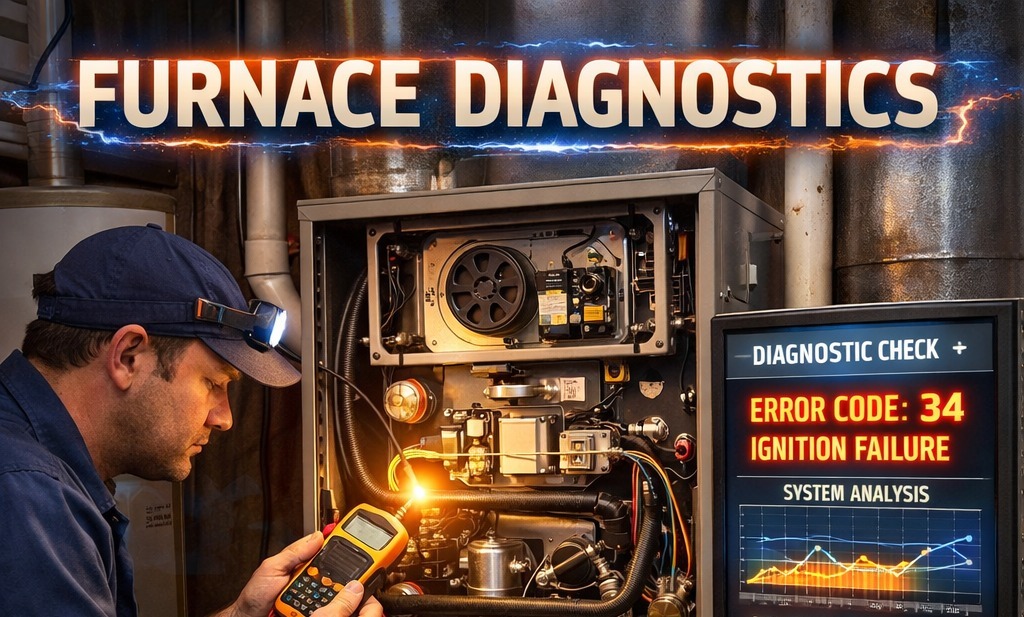
In Wintersville, fixing an HVAC system that isn’t heating or cooling properly typically costs $420–$650 for minor repairs, $650–$1,400 for advanced repairs, and $1,800–$3,500 for major component failures in 2026–2027. Final cost depends on the failed component, system age, and home-specific factors common in Wintersville-area homes.
When Your HVAC System Fails in Wintersville, Speed Can Work Against You
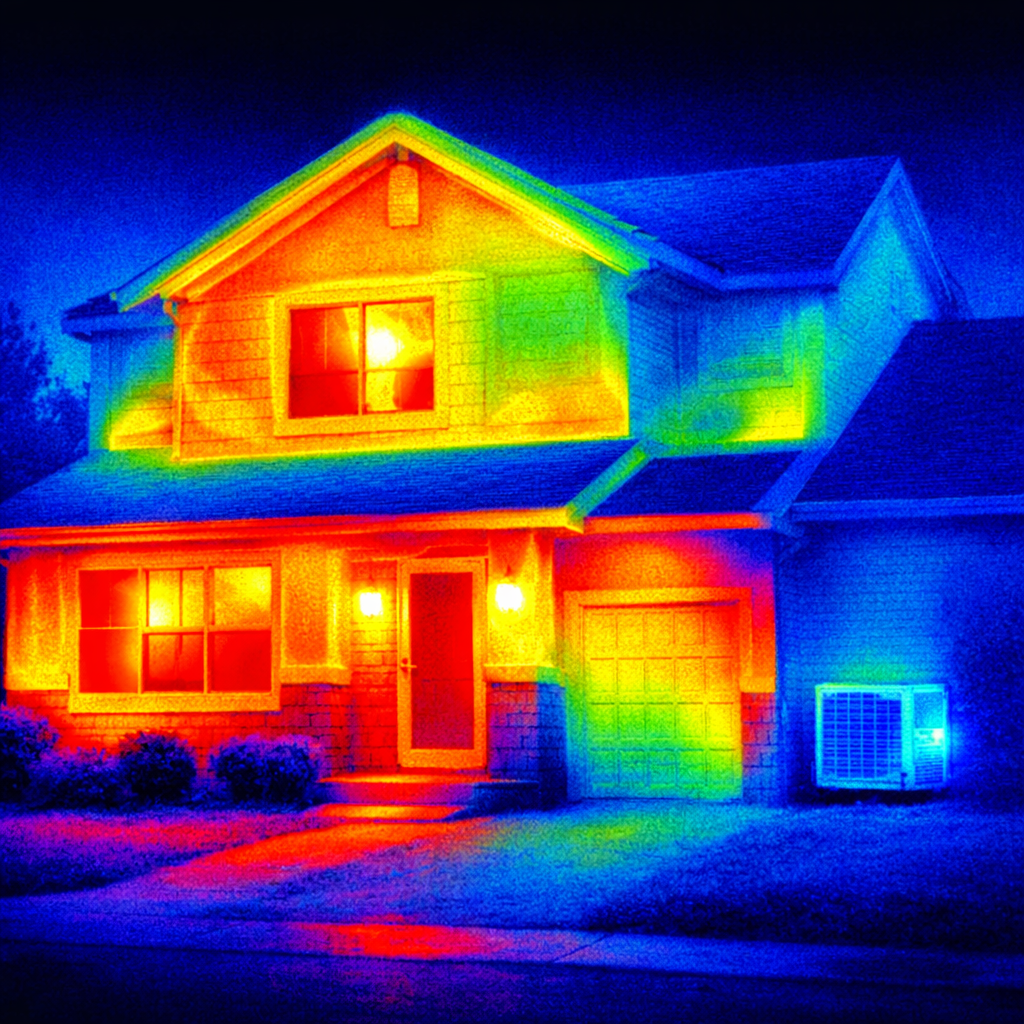
When heating or cooling stops in a Wintersville home, the situation usually escalates quickly. Many neighborhoods rely on full forced-air systems with no backup, and comfort can drop fast during temperature swings.
The rush to “just fix it” is where long-term cost problems start.
Wintersville homes are often newer than Steubenville’s, but that doesn’t automatically mean simpler repairs. Subdivision layouts, airflow design, and electrical load planning introduce their own challenges. This guide explains what repairs actually cost and how to avoid paying more than necessary over time.
Why HVAC Repair Costs Are Different in Wintersville
Wintersville housing is a mix of:
- 1980s–early 2000s subdivisions
- Slab and partial-basement homes
- Tighter lot spacing with limited outdoor access
- Systems sized for original floor plans, not later additions
Common local factors include:
- Long duct runs to bonus rooms or finished basements
- Add-on rooms that strain airflow balance
- Outdoor units placed close to property lines or fencing
- Electrical panels near capacity due to home expansions
In Wintersville, airflow and load issues often drive repair cost more than the failed part itself.
Average HVAC Repair Costs in Wintersville (2026–2027)
Most “not heating” or “not cooling” calls fall into three categories.
Standard HVAC Repairs: $420–$650
These are common, single-component failures:
- Capacitors
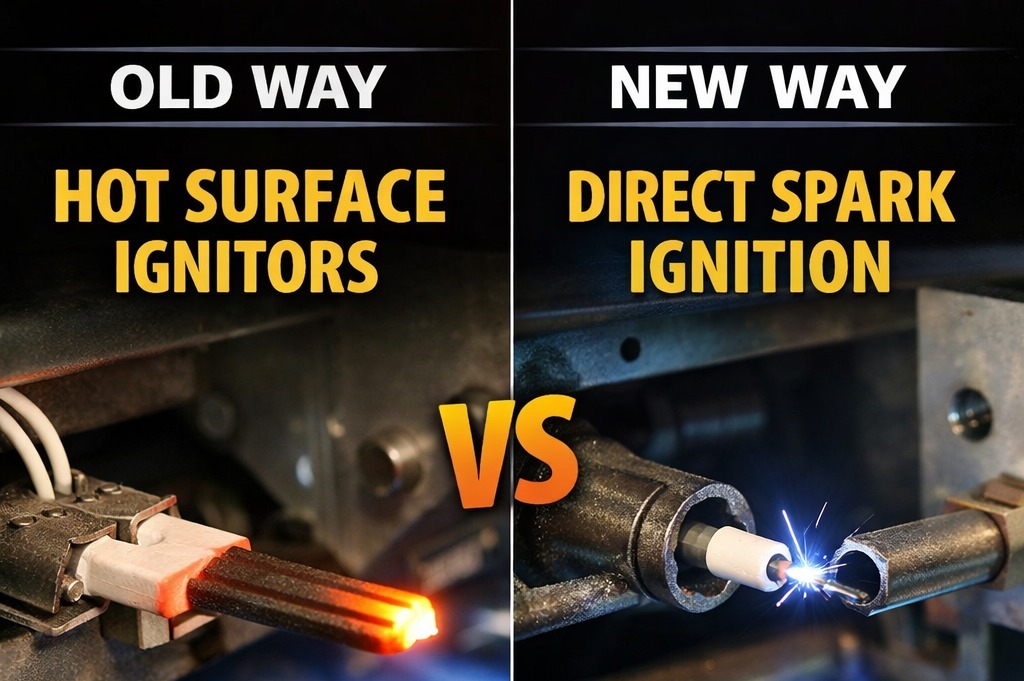
- Ignitors
- Contactors
- Flame sensors
- Minor electrical faults
These repairs restore operation but don’t correct underlying system design issues.
Advanced HVAC Repairs: $650–$1,400
These involve components that affect system performance:
- Blower motors
- Inducer motors
- Control boards
- Airflow-related failures
At this level, duct design and static pressure begin to influence reliability.
Major HVAC Repairs: $1,800–$3,500
These affect core system components:
- Compressors
- Heat exchangers
- Refrigerant circuit failures
Once repair costs exceed about $1,500, future reliability matters more than the immediate fix.
What These Price Ranges Assume
These numbers assume:
- Proper airflow design
- No additional duct or zoning failures
- Electrical service that supports replacement components
- Accurate diagnosis without trial-and-error repairs
If airflow or load issues are present, a repair may restore operation but not stability.
A Real Wintersville Home Example
Home Profile
- Late-1990s two-story
- Partial basement
- Finished bonus room above the garage
- Gas furnace with central air
The Issue
The system cooled poorly upstairs and eventually stopped cooling entirely. Diagnosis showed compressor stress caused by chronic airflow imbalance.
Repair Option
- Compressor replacement: $2,300–$3,000
- No correction to airflow imbalance
- High likelihood of repeat failure
Why This Mattered
The repair addressed the symptom, not the cause. Without airflow correction, the new compressor would be under the same strain.
This is a common Wintersville-specific failure pattern.
A Cost Driver Unique to Wintersville Homes
Airflow imbalance is one of the biggest hidden cost drivers in Wintersville.
Many homes have:
- Bonus rooms added after construction
- Finished basements tied into existing ductwork
- Single-zone systems serving multiple levels
This leads to:
- Overworked compressors
- Frozen coils
- Premature motor failures
Repairs may succeed short-term but fail again without airflow correction.
Repair vs. Replacement: How to Decide Without Regret
When an HVAC system isn’t heating or cooling properly, the real question isn’t just repair or replace. It’s who carries the risk after the work is done.
Understanding that difference prevents most costly mistakes.
When Repair Makes Sense
A repair is usually the right choice when:
- The system is under 10 years old
- The failure is isolated to a single component
- The repair cost is well below $1,500
- There are no ongoing airflow, electrical, or sizing issues
In these situations, a repair restores reliable operation without introducing new risk.
You’re fixing a problem — not delaying a larger one.
When Repair Becomes Risky
Repairs become a gamble when:
- The system is older and showing multiple issues
- The repair involves a compressor, heat exchanger, or refrigerant circuit
- The cost approaches a large percentage of full replacement
- The original cause of failure isn’t fully corrected
At that point, the repair may work — but the system remains vulnerable.
This is when homeowners often end up paying twice.
What Happens After a Repair
After a repair:
- Only the replaced component is protected
- Other aging parts remain unchanged
- Performance limitations may still exist
The homeowner carries the long-term risk.
This isn’t a flaw in repairs — it’s simply how repairs work.
What Changes With Replacement
With a full system replacement:
- The entire system is evaluated as one unit
- Airflow, sizing, and electrical issues can be corrected
- Efficiency and comfort stabilize
Most importantly:
Risk shifts from the homeowner to the contractor through written guarantees.
Replacement isn’t about getting something new — it’s about reducing uncertainty.
A Simple Rule That Helps
Many homeowners find clarity with this guideline:
- Smaller, isolated repairs = fix it
- Large repairs on aging systems = pause and evaluate
That pause is where informed decisions are made — not pressure-driven ones.
Guarantees That Matter
Service Trust Guardian (Repairs & Maintenance)
For HVAC repairs and service:
- 5-year labor warranty on qualifying repairs
- No overtime charges
- On-time arrival guarantee
- Clean work area guarantee
- Money-back satisfaction protection
Lifetime Trust Shield (New Installations)
For full system replacements:
- Lifetime labor coverage for the system’s usable life
- No-lemon guarantee
- Energy performance guarantee
- Apples-to-Apples Price Match — or 10% better
These guarantees are designed to reduce homeowner risk, not rush decisions.
How This Applies Across the Upper Ohio Valley
We see similar airflow and layout-related repair patterns in:
- Steubenville, OH
- Toronto, OH
- Mingo Junction, OH
- Brilliant, OH
- Weirton, WV
- Follansbee, WV
- Wellsburg, WV
- New Cumberland, WV
- Colliers, WV
Different towns, different homes — but the same decision traps.
Frequently Asked Questions
Why do HVAC repairs fail repeatedly in some homes?
Underlying airflow, duct design, or load issues often go unaddressed, causing repeated component stress.
Is replacement always necessary?
No. Many systems can be repaired successfully. The key is whether the repair fixes the cause, not just the failure.
What guarantees do you offer?
Repairs are covered under the Service Trust Guardian, and new systems are protected by the Lifetime Trust Shield. All details are explained clearly before work begins.
The Bottom Line for Wintersville Homeowners
The cost to fix an HVAC system that isn’t heating or cooling properly isn’t just about today’s repair bill. In Wintersville, airflow and layout often determine whether a repair lasts.
Clear answers prevent repeat failures.
Call Honest Fix today for a free exact quote.
Learn about our guarantees before you decide.
Alex Largent is the Owner and Senior HVAC Efficiency Analyst at Honest Fix Heating, Cooling & Plumbing. With more than 20 years of field experience, NATE and EPA certifications, and a hands-on leadership style, Alex teaches his team to fix systems right the first time — with transparency, precision, and no upsells. He writes about HVAC diagnostics, home energy efficiency, and practical maintenance advice for homeowners across the Upper Ohio Valley. Read Alex Largent’s full bio to learn more about his expertise in the HVAC and Plumbing industry. Updated October 2025.