Common Signs Your HVAC System Needs Repair in Mingo Junction, OH
January 10th, 2026
3 min read
By Alex Largent
Quick Answer
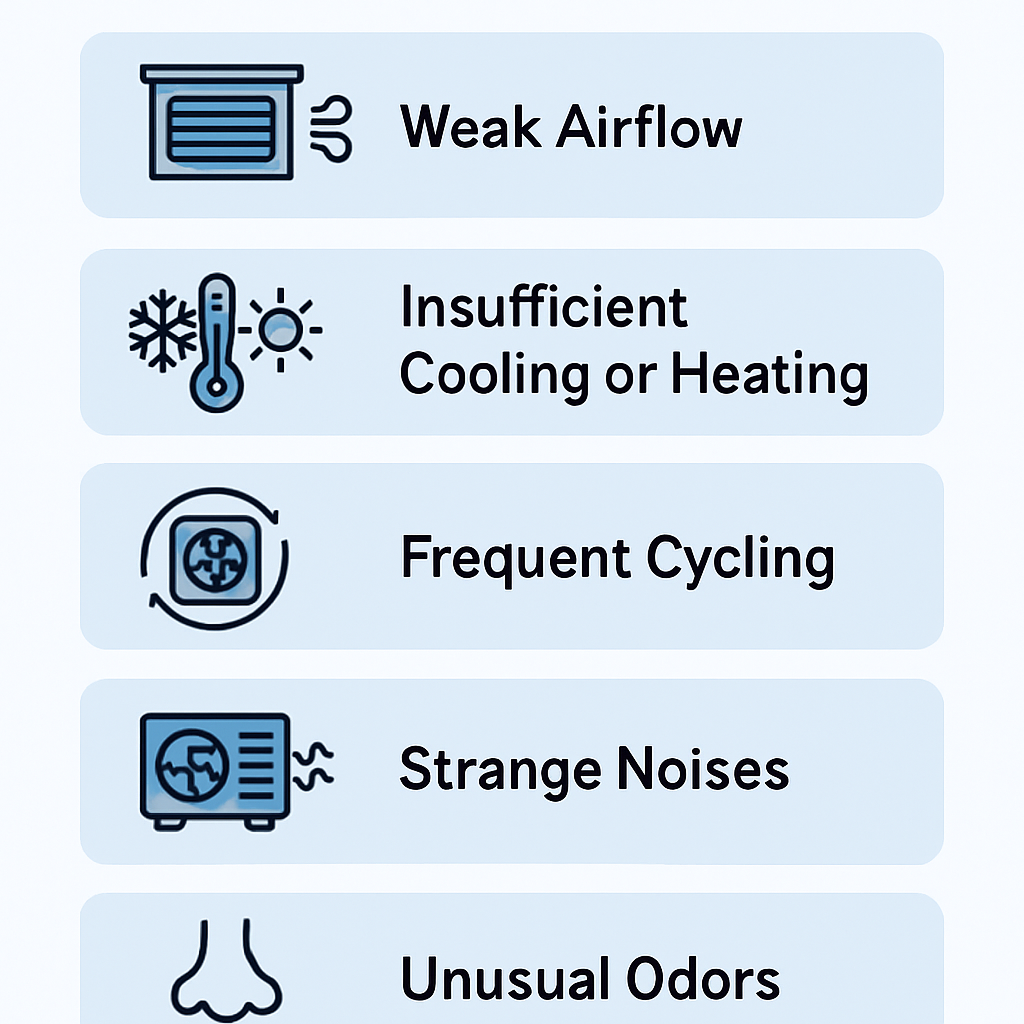
If your HVAC system in Mingo Junction is making unusual noises, struggling to heat or cool evenly, running longer than normal, or driving up energy bills, it likely needs repair. These signs usually point to airflow, electrical, or mechanical issues that should be addressed early to prevent breakdowns.
Why These Signs Matter for Mingo Junction Homes
HVAC problems in Mingo Junction are often tied directly to home age, terrain, and electrical limitations.
Many homes here were built between the 1940s and 1970s and are commonly situated on hillsides or uneven lots. These homes often include full basements with exposed ductwork, long vertical duct runs, and electrical panels that were not designed to handle modern HVAC loads.
When even one component begins to fail, these conditions cause the system to work harder than designed. Comfort issues appear quickly, energy bills climb, and the risk of a mid-season breakdown increases.
1. Uneven Heating or Cooling Across the Home
If some rooms feel comfortable while others never seem to reach the set temperature, your HVAC system is likely struggling with airflow.
Common causes include:
- Leaking ductwork in basements
- Aging blower motors
- Poor return-air placement
Mingo Junction–specific factor:
Homes built into hillsides often have long vertical duct runs. When airflow weakens, upper floors are usually the first to lose comfort.
In most cases, uneven temperatures are caused by airflow issues—not thermostat problems.
2. Rising Energy Bills With No Change in Usage
When utility bills increase but household habits stay the same, your HVAC system is usually compensating for internal wear.
Typical repair-related causes include:
- Electrical components losing efficiency
- Motors drawing more amperage than designed
- Restricted airflow forcing longer run times
What HVAC Repairs Typically Cost
Most HVAC repairs in the Upper Ohio Valley fall in the $420–$650 range, depending on the component involved, system age, accessibility, and airflow or electrical complexity. Repairs handled early are usually less invasive and tend to stay closer to the lower end of that range.
Waiting often turns a manageable repair into a more expensive problem.
3. Systems Running Constantly or Cycling Too Often
If your system seems to run nonstop or turns on and off repeatedly, something isn’t operating correctly.
These issues are commonly caused by:
- Control board or sensor failures
- Thermostat communication problems
- Return-air restrictions
Neighborhood-specific issue:
Basement storage areas often block return vents over time, reducing airflow without homeowners realizing it. This confuses system controls and accelerates wear.
4. New or Worsening Noises
Your HVAC system should not sound loud, metallic, or strained.
- Banging or clanking often indicates loose internal components
- Screeching usually signals motor or bearing wear
- Buzzing commonly points to electrical issues
Because many systems in Mingo Junction are older, homeowners sometimes dismiss new noises as “normal aging,” which delays necessary repairs.
5. Weak Airflow From Certain Vents
Weak airflow is one of the clearest indicators that repair is needed.
Common causes include:
- Blower motor wear or failure
- Clogged evaporator or condenser coils
- Disconnected duct sections in basements
In ranch-style and older two-story homes common in Mingo Junction, airflow problems often appear first in bedrooms farthest from the furnace.
6. Burning or Musty Smells
Persistent odors should never be ignored.
Burning smells often point to electrical or motor issues. Musty smells usually indicate moisture buildup or microbial growth inside ductwork. Basements and older duct systems make these problems more common locally.
7. Older Systems With Repeated Repairs
Age alone doesn’t determine whether a system should be repaired—but repair patterns do.
If comfort issues keep returning after previous fixes, it’s time to reassess whether continued repairs make sense. The goal isn’t the cheapest short-term fix. The goal is dependable performance without repeated breakdowns.
Who HVAC Repairs Make Sense For (And When They Don’t)
HVAC repair is usually the right option if your system:
- Is under 15 years old
- Has been reliable overall
- Has an isolated airflow, electrical, or control issue
Repairs may not make sense if your system:
- Has recurring failures
- Uses outdated or hard-to-source parts
- Still struggles after prior repairs
Good repairs solve root problems. Poor repairs delay bigger decisions.
What a Professional HVAC Repair Visit Looks Like
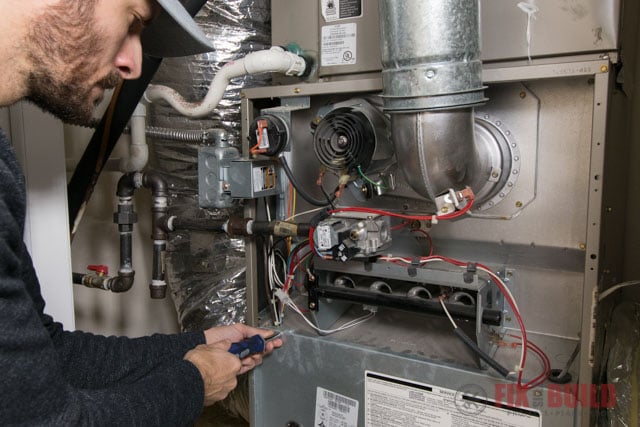
A proper HVAC repair visit should include:
- A full system evaluation
- Airflow and electrical testing
- A clear explanation of what’s wrong and why
- A free exact quote before any work begins
You should never feel pressured to replace equipment if a repair makes sense. If the issue isn’t explained clearly, it isn’t being handled properly.
A Real Mingo Junction Home Example
A homeowner in a 1950s hillside home near Commercial Street noticed uneven heating upstairs and rising winter energy bills. The issue wasn’t the furnace itself—it was a weakening blower motor combined with leaking duct joints in the basement. Correcting both restored airflow and avoided a full system replacement.
These Same Issues Appear Across the Upper Ohio Valley
We see similar HVAC repair patterns in Steubenville, Wintersville, Toronto, Brilliant, Weirton, Follansbee, Wellsburg, New Cumberland, and Colliers. Housing styles differ, but airflow and electrical issues remain common across the region.
Common Mistakes That Delay Repairs
Homeowners often wait because the system still runs, comfort issues feel manageable, or repairs seem inconvenient. Breakdowns almost always happen during extreme weather and usually cost more than planned repairs.
Frequently Asked Questions
How soon should I call once I notice these signs?
As soon as possible. Early repairs are typically simpler and less expensive.
Can repairs really extend system life?
Yes. Addressing airflow and electrical issues early often adds years of reliable operation.
What guarantees do you offer?
For repairs and maintenance, Honest Fix provides:
- A 5-year labor warranty on repairs
- A money-back satisfaction guarantee
- No overtime charges
- On-time arrival and clean work area guarantees
Final Thought
HVAC systems don’t fail without warning. Paying attention early prevents breakdowns and unnecessary costs.
What To Do Next
If your HVAC system is showing any of these warning signs, don’t wait.
Call Honest Fix today for a free exact quote.
You’ll get clear answers, no pressure, and repairs explained in plain language.
Alex Largent is the Owner and Senior HVAC Efficiency Analyst at Honest Fix Heating, Cooling & Plumbing. With more than 20 years of field experience, NATE and EPA certifications, and a hands-on leadership style, Alex teaches his team to fix systems right the first time — with transparency, precision, and no upsells. He writes about HVAC diagnostics, home energy efficiency, and practical maintenance advice for homeowners across the Upper Ohio Valley. Read Alex Largent’s full bio to learn more about his expertise in the HVAC and Plumbing industry. Updated October 2025.