Propane HVAC vs. Natural Gas Systems in Steubenville OH and Weirton WV: What’s the Difference?
January 16th, 2026
4 min read
By Alex Largent
Quick Answer
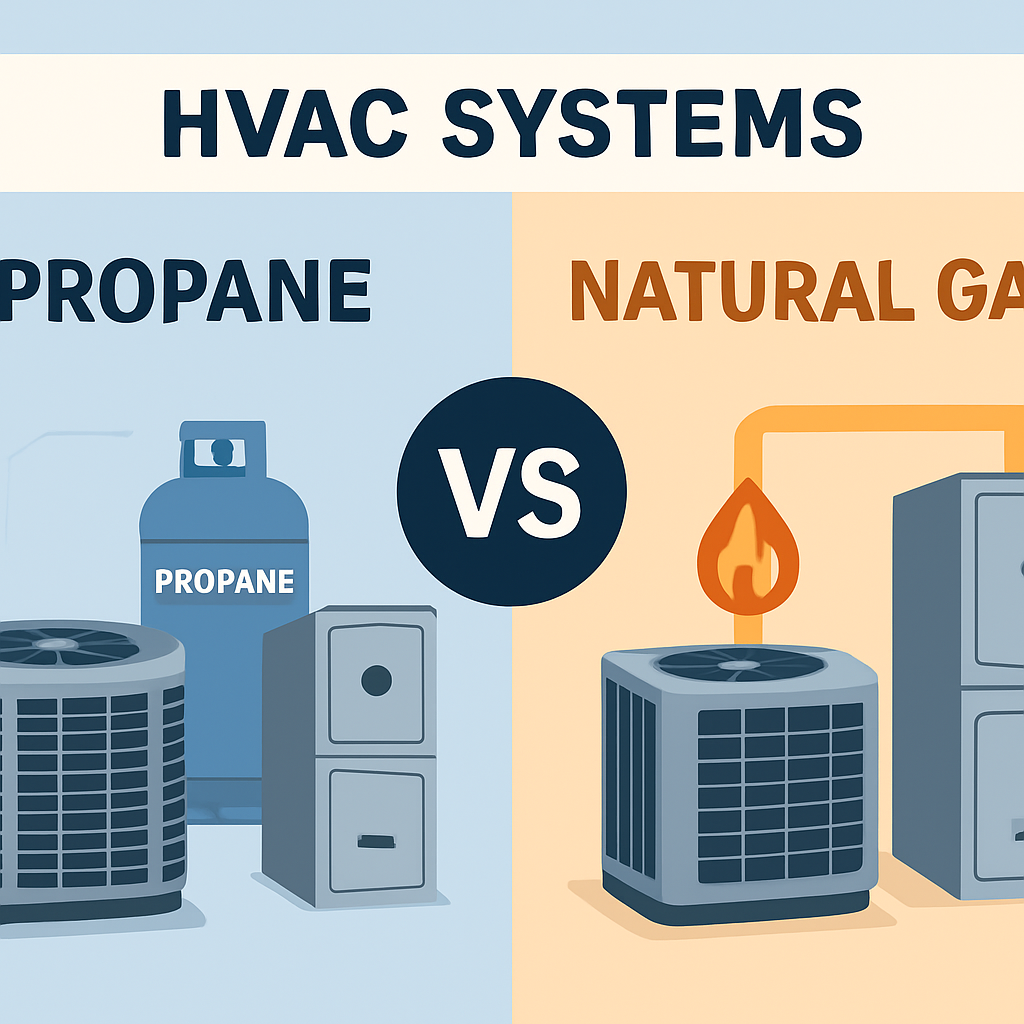
Propane and natural gas HVAC systems operate very similarly, delivering comparable heating performance and comfort. The main differences are fuel supply, operating cost, and infrastructure. Natural gas is typically less expensive and supplied by a utility, while propane is stored on-site and refilled as needed. In Steubenville and Weirton, fuel availability and long-term operating cost usually matter more than performance differences.
In most Ohio Valley homes, propane and natural gas furnaces feel the same day to day. The decision usually comes down to access, fuel pricing stability, and how the home is supplied.
Propane vs. Natural Gas HVAC: How They Differ in Real Homes
- Natural gas systems: Supplied by underground utility lines; continuous fuel availability
- Propane systems: Fueled by on-site storage tanks; require scheduled refills
- Heating performance: Comparable when systems are properly sized
- Operating cost: Typically lower for natural gas; varies for propane
A practical rule many homeowners use:
If natural gas service is available, it’s usually the simpler and lower-cost option.
Another practical rule:
If gas lines aren’t accessible, propane provides similar comfort with added fuel-management responsibility.
How Propane and Natural Gas Furnaces Actually Operate
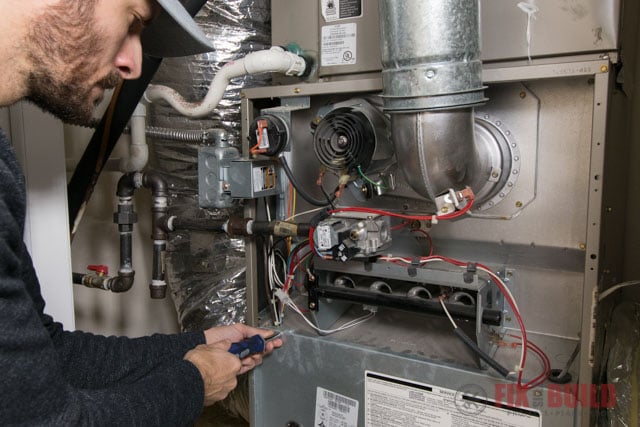
Both propane and natural gas furnaces burn fuel to heat air, which is then distributed through ductwork. From a comfort standpoint, there is little noticeable difference between the two when equipment is installed and sized correctly.
Important clarification:
Efficiency ratings, airflow, and duct design affect comfort far more than whether the furnace uses propane or natural gas.
The main operational difference lies in fuel delivery, not how heat is produced inside the home.
Fuel Supply and Infrastructure Reality
Natural gas systems rely on public utility infrastructure. Once connected, fuel supply is continuous, and billing is handled monthly.
Propane systems store fuel in an on-site tank, either above ground or buried. Homeowners are responsible for monitoring fuel levels and scheduling refills.
Safety and code note:
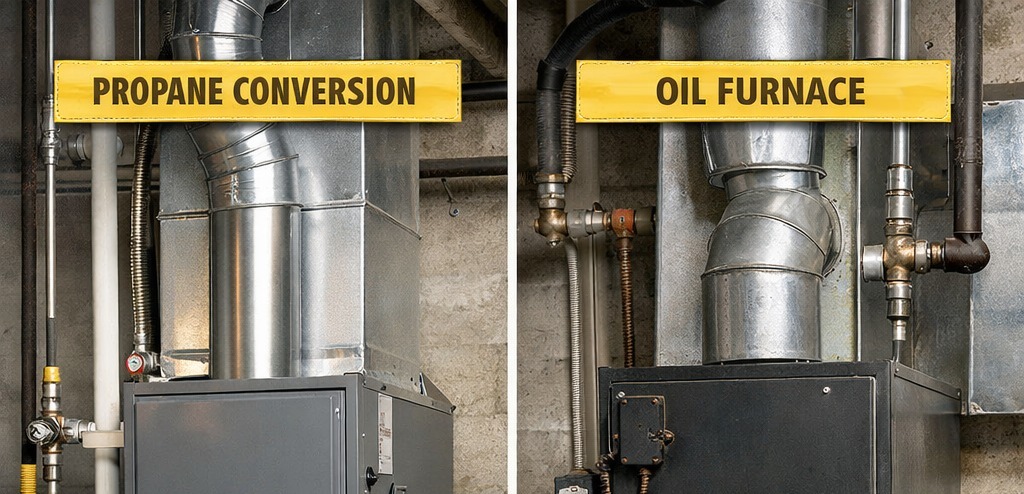
Propane and natural gas systems use different piping, regulators, and pressure requirements, and all installations must meet fuel-specific safety codes.
Conversion reality:
Switching between propane and natural gas is not a simple tank or valve change and usually requires equipment modifications or approved conversion kits to operate safely.
Pros and Cons of Natural Gas HVAC Systems
Pros
- Typically lower and more stable fuel costs
- Continuous supply with no on-site storage
- Minimal homeowner involvement once connected
Cons
- Not available in all areas
- Installation requires access to gas mains
Natural gas is common in older city neighborhoods and areas with established infrastructure.
Pros and Cons of Propane HVAC Systems
Pros
- Available in rural or outlying areas without gas mains
- Comparable heating performance to natural gas
- Flexible tank placement options
Cons
- Fuel cost can fluctuate
- Requires tank monitoring and refills
- Tank placement affects property layout
Propane systems are common where natural gas service doesn’t extend.
Cost and Ownership Reality
From an ownership perspective:
- Natural gas: Lower ongoing fuel cost and minimal oversight
- Propane: Higher and more variable fuel cost, plus tank management
Over time, fuel cost differences tend to outweigh equipment differences for most homeowners.
Comfort vs. Convenience: What Actually Changes
Homeowners often expect one fuel to heat “better” than the other. In reality:
- Comfort is nearly identical
- Temperature consistency depends on ductwork and airflow
- Convenience differs based on fuel delivery
The choice is usually logistical, not performance-based.
New Construction vs. Existing Homes
Fuel choice often depends on when the home was built.
- New construction: Fuel selection may depend on infrastructure availability and long-term operating cost
- Existing homes: Fuel type is often determined by what’s already available on the property
Switching fuel types can involve piping, venting, and equipment changes.
Common Local Mistake to Avoid
A common local mistake is choosing propane over natural gas assuming it will significantly reduce heating costs. In most Ohio Valley homes, propane fuel costs are higher over time, even though comfort is the same.
Local Factors by Town That Affect the Best Choice
- Steubenville, OH: Older neighborhoods often have established natural gas service
- Weirton, WV: Mixed infrastructure means fuel availability varies by area
- Wintersville, OH: Suburban developments may have limited gas access
- Toronto, OH: River-adjacent areas often rely on existing utility lines
- Mingo Junction, OH: Outlying areas may depend on propane tanks
- Follansbee, WV: Fuel choice often reflects neighborhood infrastructure
- Wellsburg, WV: Mixed housing stock leads to varied fuel use
- Brilliant, OH: Existing homes typically keep their original fuel source
- New Cumberland, WV: Availability depends on utility expansion history
- Colliers, WV: Rural sections often favor propane
- Hooverson Heights, OH: Elevation and distance from mains can affect gas access
A Real Local Example
A Steubenville home already connected to natural gas usually benefits from staying on that fuel due to lower operating cost and convenience. A similar home outside Weirton without gas service may rely on propane and experience the same comfort with additional fuel management responsibilities.
Who Each Fuel Is—and Isn’t—a Good Fit For
Natural gas often makes sense if:
- Gas service is already available
- Predictable fuel costs matter
- Convenience is a priority
Propane often makes sense if:
- The home is outside gas service areas
- Fuel flexibility is needed
- Tank placement is feasible
Decision Shortcut for Ohio Valley Homes
If natural gas service is available, it’s usually the simpler and more cost-effective choice. When it isn’t, propane provides similar heating performance with different cost and management considerations.
Warranties and Long-Term Reliability
Propane and natural gas furnaces share similar components and maintenance needs. Reliability depends more on installation quality and airflow than on fuel type.
FAQ
Is propane HVAC as effective as natural gas in Steubenville and Weirton?
Yes. Heating performance and comfort are comparable. The main differences are fuel cost, supply method, and convenience.
Final Takeaway
Propane and natural gas HVAC systems deliver similar comfort and performance. In the Ohio Valley, the deciding factors are fuel availability, operating cost, and convenience—not how warm the home feels. Choosing the fuel that fits the property and infrastructure usually leads to the best long-term result.
Next Steps
If you’re deciding between propane and natural gas for your HVAC system, the right answer depends on fuel availability, long-term operating cost, and how your home is supplied. Honest Fix helps homeowners evaluate existing systems, fuel options, and upgrade paths based on real conditions—not assumptions.
Exact HVAC replacement quotes available at (740) 825-9408 or HonestFix.com/schedule-service.
Alex Largent is the Owner and Senior HVAC Efficiency Analyst at Honest Fix Heating, Cooling & Plumbing. With more than 20 years of field experience, NATE and EPA certifications, and a hands-on leadership style, Alex teaches his team to fix systems right the first time — with transparency, precision, and no upsells. He writes about HVAC diagnostics, home energy efficiency, and practical maintenance advice for homeowners across the Upper Ohio Valley. Read Alex Largent’s full bio to learn more about his expertise in the HVAC and Plumbing industry. Updated October 2025.