Smart Thermostats vs. Traditional Thermostats for AC Control in Steubenville, OH and Weirton, WV
February 11th, 2026
2 min read
Quick Answer
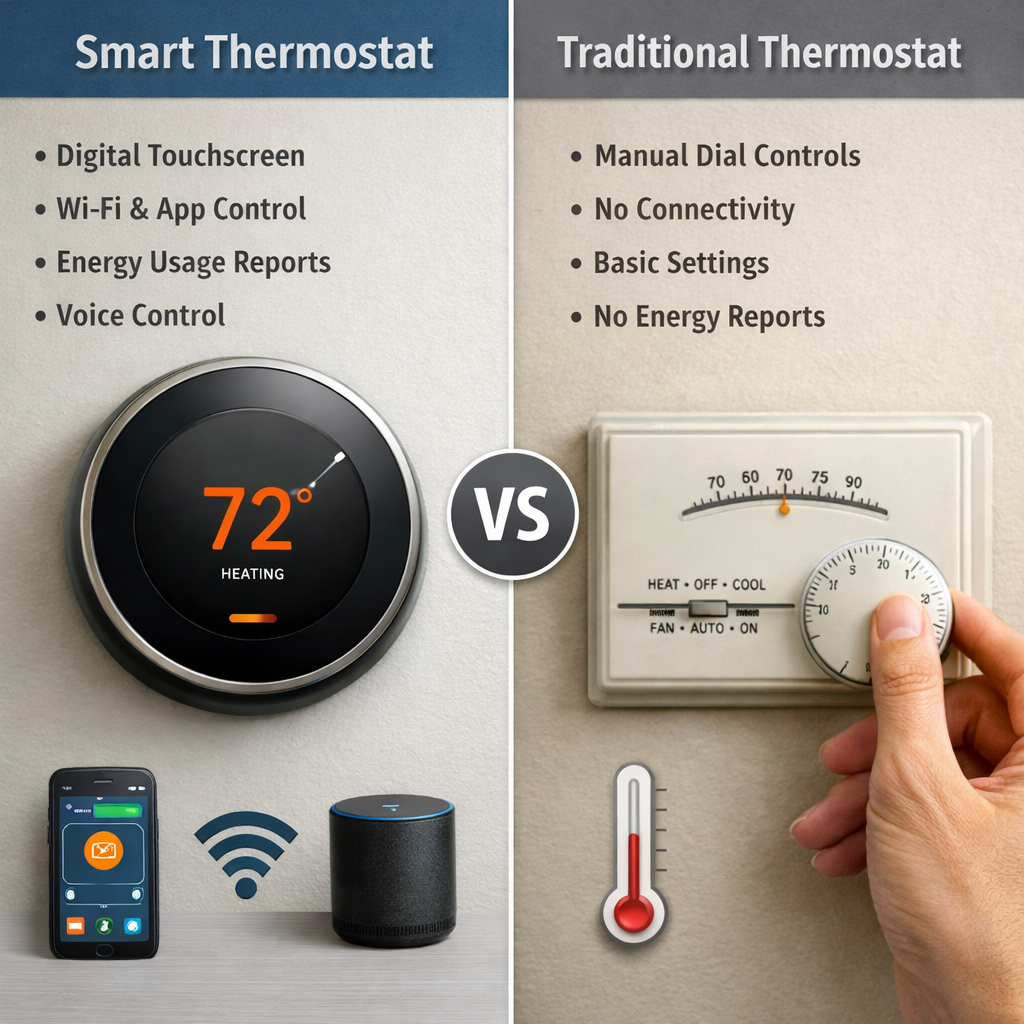
Traditional thermostats control temperature manually or on a fixed schedule, while smart thermostats automatically adjust cooling based on usage patterns, sensors, and connectivity. Smart thermostats can improve comfort and reduce energy use, but only when paired with compatible HVAC systems and proper setup. Traditional thermostats remain reliable and simple but offer limited control and efficiency gains.
Homeowners in Steubenville and Weirton often consider thermostat upgrades when cooling costs rise or comfort feels inconsistent. River humidity, hillside homes, older duct systems, and mixed housing ages all affect how well advanced controls actually perform. The difference between smart and traditional thermostats isn’t just features—it’s how well they match the home and AC system they control.
Traditional Thermostats: Simple and Predictable
Traditional thermostats use basic temperature sensing and either manual adjustments or fixed schedules. Many older homes in Steubenville still rely on these controls, especially where systems are single-stage or nearing replacement.
Strengths of Traditional Thermostats
- Straightforward operation
- Lower upfront cost
- Wide system compatibility
- Minimal setup issues
Limitations in This Region
- No humidity awareness
- No learning or adaptation
- Missed savings during schedule changes
A common local mistake is assuming a programmable thermostat automatically saves energy. If schedules aren’t adjusted correctly, cooling systems often run longer than needed.
Smart Thermostats: How They Actually Improve AC Control
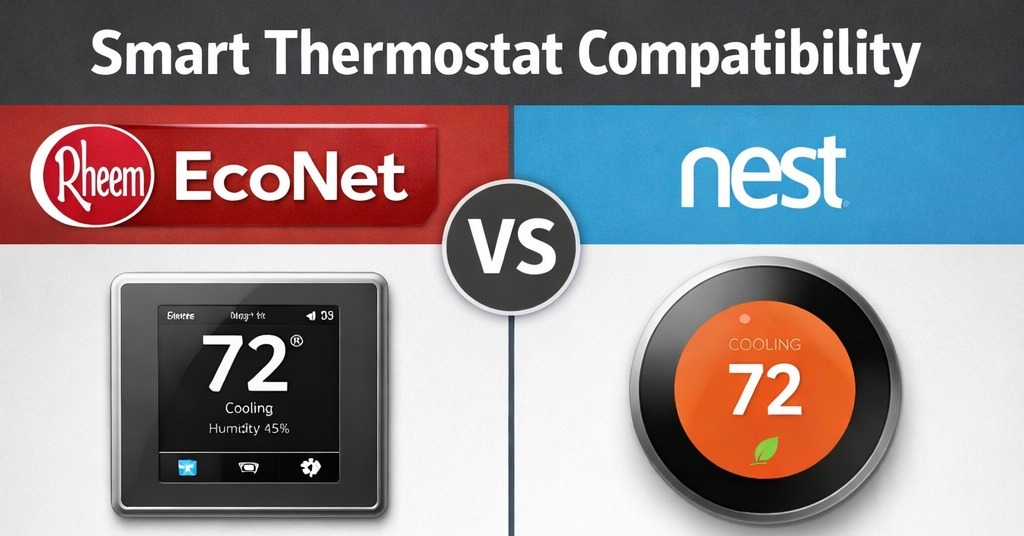
Smart thermostats use sensors, Wi-Fi connectivity, and software logic to adjust cooling automatically. Many models factor in occupancy, outdoor temperature, and historical usage patterns.
Where Smart Thermostats Work Well
- Homes with consistent Wi-Fi
- Newer or properly sized AC systems
- Two-stage or variable-speed equipment
In Weirton homes with temperature swings between floors or finished basements, smart thermostats paired with compatible systems can smooth out comfort issues.
Where They Fall Short
- Older single-stage systems with airflow problems
- Poor duct design
- Incorrect installation or configuration
A common mistake is installing a smart thermostat to “fix” comfort issues that are actually caused by duct leakage or improper system sizing.
Side-by-Side Comparison
| Feature | Traditional Thermostat | Smart Thermostat |
|---|---|---|
| Manual control | Yes | Yes |
| Automatic adjustments | No | Yes |
| Remote access | No | Yes |
| Humidity awareness | No | Sometimes |
| Energy optimization | Limited | Higher |
| System compatibility | Very high | Depends on system |
Who Each Option Is Not Right For
Traditional Thermostats Are Often a Poor Fit If:
- Cooling costs fluctuate heavily
- The home is unoccupied during parts of the day
- The system supports advanced staging
Smart Thermostats Are Often a Poor Fit If:
- The AC system is outdated or improperly sized
- Wi-Fi is unreliable
- Comfort problems stem from duct or insulation issues
Clear limits prevent misplaced expectations.
A Real Local Decision Scenario
In a 1980s Steubenville split-level home near the river, a smart thermostat may reduce runtime during mild evenings but won’t solve humidity buildup if the AC is oversized. In contrast, a newer Weirton home with a two-stage AC and finished basement can benefit from smarter runtime control and steadier temperatures throughout the day.
Cost Drivers That Matter in This Region
Traditional Thermostat Cost Factors
- Basic equipment cost
- Simple installation
- No system upgrades required
Smart Thermostat Cost Factors
- System compatibility
- Wiring requirements
- Professional configuration
Homes across Wintersville, Toronto, Mingo Junction, Follansbee, Wellsburg, Brilliant, New Cumberland, Colliers, and Hooverson Heights often see the best results when thermostat upgrades are paired with properly matched AC systems.
Reliability, Risk, and Long-Term Value
Thermostats don’t fail often, but improper control can shorten system life.
When AC systems are installed or replaced by Honest Fix, homeowners may also benefit from:
- Trust Shield Warranty: 5-year repair coverage
- Trust Guardian Warranty: 15-year full system replacement coverage
Proper controls support long-term system performance, but they don’t replace correct installation.
Frequently Asked Questions
Do smart thermostats always save money?
No. Savings depend on system compatibility, setup, and usage patterns.
Can a smart thermostat damage my AC?
If wired or configured incorrectly, it can cause short cycling or staging issues.
Is a traditional thermostat still acceptable in 2026?
Yes. Many systems operate reliably with basic controls.
Will a smart thermostat fix uneven cooling?
Not by itself. Airflow and system sizing must be correct first.
Decision Summary
Traditional thermostats offer simplicity and reliability. Smart thermostats offer adaptive control and potential savings. In the Upper Ohio Valley, the right choice depends on system type, duct condition, home layout, and realistic expectations, not just features.
Exact HVAC replacement quotes available at (740) 825-9408 or HonestFix.com/schedule-service.
Scott Merritt is a co-founder of Honest Fix Heating, Cooling and Plumbing and brings more than 30 years of experience across HVAC, leadership, and industry education. He serves in a senior leadership and oversight role, providing licensed guidance, reviewing HVAC educational content, and supporting technician training and documentation standards. Prior to co-founding Honest Fix, Scott founded and owned Fire & Ice Heating & Air Conditioning in Columbus, Ohio, which he operated for more than two decades before selling the company in 2025. During that time, he led programs and partnerships including Carrier Factory Authorized Dealer, Trane Comfort Specialist, and Rheem Pro Partner, helping establish high technical and training standards. Scott is the Ohio State HVAC license holder for Honest Fix and provides licensed oversight to help ensure work meets applicable codes and manufacturer requirements. Learn more about Scott’s background and role at Honest Fix by viewing his full leadership bio.