Why Does My AC Keep Tripping the Circuit Breaker in Mingo Junction Homes?
February 9th, 2026
3 min read
Quick Answer
An AC trips the circuit breaker when it pulls more electrical current than the circuit can safely handle. In Mingo Junction homes, this is most often caused by older electrical infrastructure, undersized or shared circuits, basement moisture, restricted airflow, or failing AC electrical components—especially during long summer heat cycles.
Why Breaker Tripping Is Common in Mingo Junction Homes
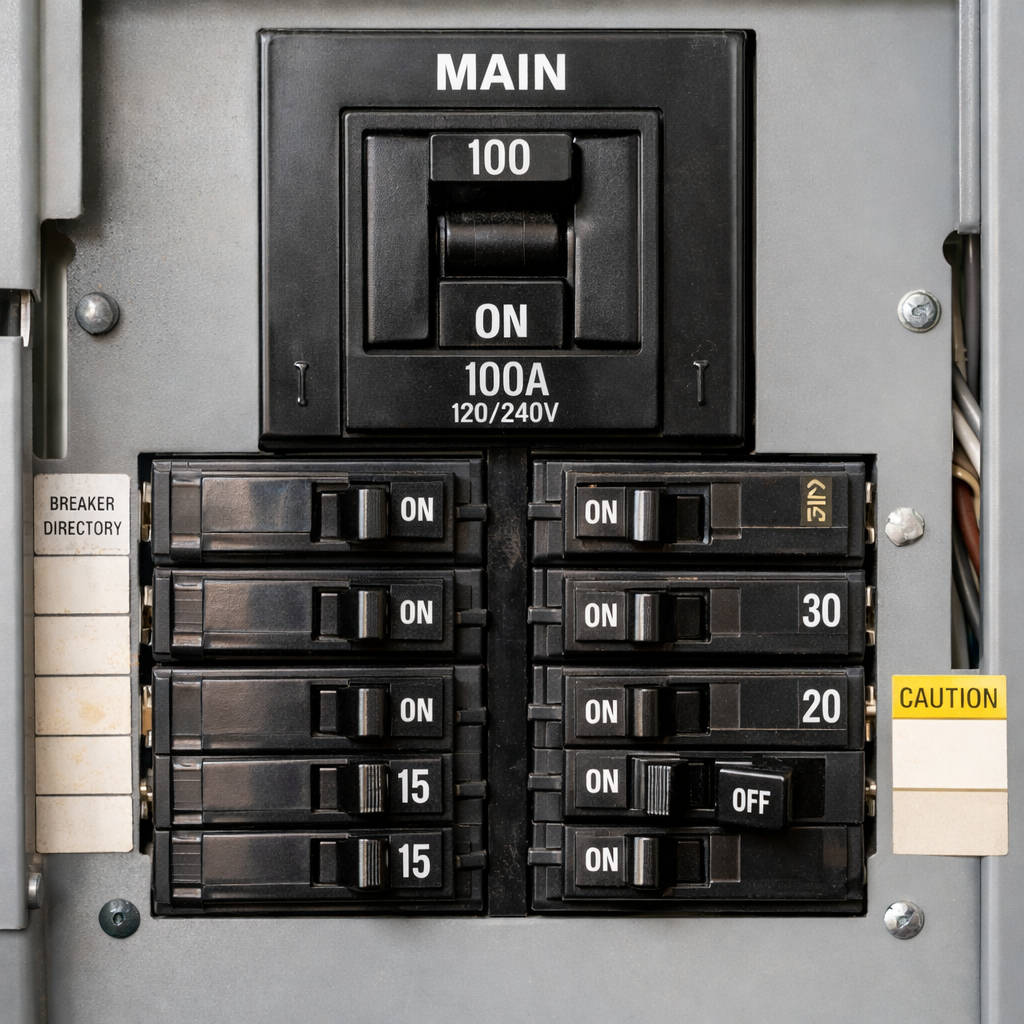
Circuit breakers are designed to protect your home from electrical damage and fire risk. When they trip, they’re reacting to excess heat or current—not malfunctioning.
In Mingo Junction, home age and original construction matter.
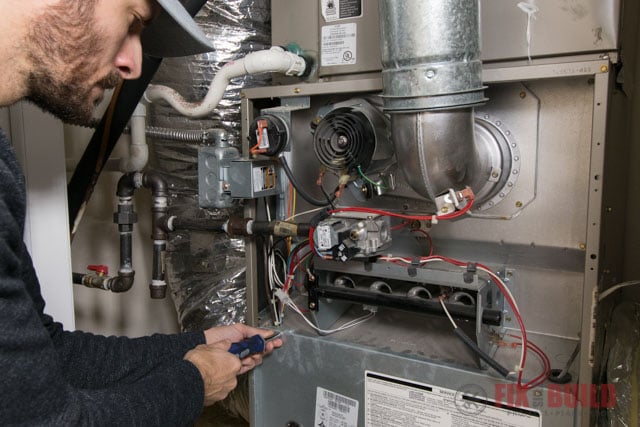
Many homes were built during the steel-era, when electrical systems were designed for lighting and small appliances—not modern air conditioning. Central air was often added later without upgrading panels or branch circuits. Basement-installed air handlers are common, placing electrical components in damp environments that accelerate corrosion.
A common Mingo Junction scenario is an older home with an original or lightly updated panel, basement air handler, and an AC system added years later. During heatwaves, extended runtimes push electrical systems beyond their limits, causing repeated breaker trips.
Breaker trips are warnings—not inconveniences.
The Most Common Reasons an AC Trips the Breaker
The Circuit Is Overloaded
One of the most frequent causes.
An overload occurs when:
- The AC shares a circuit with other loads
- The circuit is undersized for the system
- Long runtimes push the circuit beyond its rating
Shared and marginal circuits are common in older Mingo Junction homes.
Restricted Airflow Increases Electrical Draw
When airflow is limited, the AC works harder and draws more current.
Common causes include:
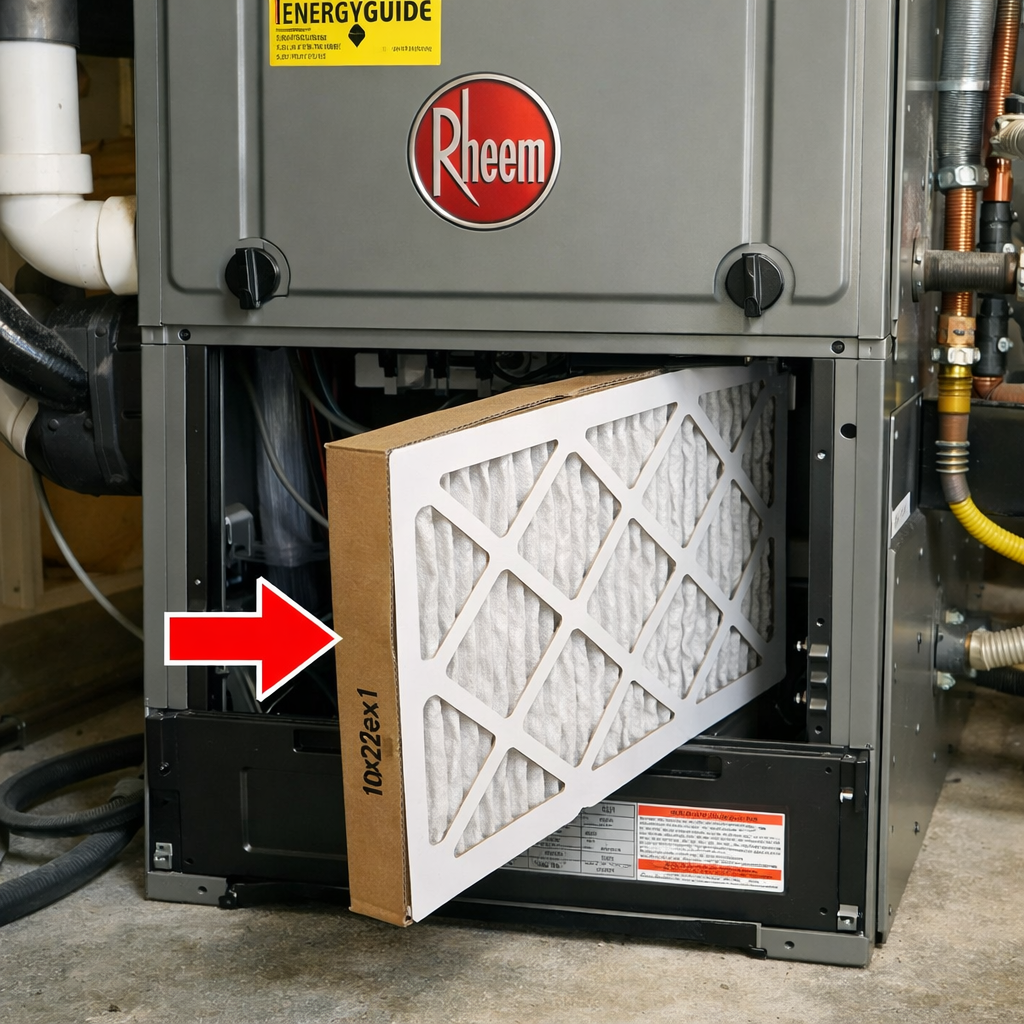
- Dirty air filters
- Blocked returns or supply vents
- Dirty outdoor coils
As amperage rises, the breaker trips to prevent overheating.
Failing Capacitors, Motors, or Compressors
As electrical components wear, they draw excess power.
This includes:
- Weak start or run capacitors
- Fan motors with worn bearings
- Compressors struggling to start
These problems often cause breaker trips at startup or during peak heat.
Loose, Corroded, or Overheated Wiring
This is both common and serious.
In Mingo Junction homes, age and basement moisture often lead to:
- Loose electrical connections
- Corroded terminals
- Heat buildup at wiring points
Loose connections create resistance, resistance creates heat, and heat increases fire risk.
The Breaker or Panel Is Worn or Undersized
Sometimes the AC isn’t the root issue.
Older breakers may:
- Trip prematurely
- Overheat internally
- Fail under normal AC load
Panels that haven’t been upgraded may not safely support modern cooling demand.
What Happens If You Keep Resetting the Breaker
Resetting the breaker without fixing the cause allows damage to continue.
Over time, repeated trips can:
- Damage compressors and motors
- Burn wiring and electrical connections
- Increase fire risk
- Turn a repair into a full system replacement
A single trip during a storm can happen. Repeated trips, startup trips, or heat-related trips are not normal.
Homeowners should not continue resetting breakers or open electrical panels. These systems carry high voltage and can cause injury or fire if handled improperly.
A Mingo Junction–Specific Cost Driver Homeowners Overlook
Many Mingo Junction homes still rely on original electrical panels feeding modern cooling equipment. During heatwaves, long AC runtimes strain these systems, causing breaker trips that escalate into expensive electrical and HVAC repairs if ignored.
A Common Mistake Mingo Junction Homeowners Make
Assuming the breaker itself is the problem.
While breakers do fail, they usually trip because something downstream is drawing too much power. Replacing the breaker without identifying the cause often results in the same issue returning.
When Breaker Tripping Becomes Urgent
Breaker tripping becomes a safety concern if:
- Trips happen more than once
- The breaker feels warm
- Trips occur at startup
- A burning smell is present
These are escalation points. Waiting can turn a manageable repair into a major expense.
How Breaker Tripping Is Diagnosed Correctly
Proper diagnosis includes:
- Measuring voltage and amperage draw
- Inspecting wiring and electrical connections
- Testing capacitors, motors, and compressors
- Evaluating breaker and panel condition
AC electrical issues are not DIY-safe and require proper testing to avoid injury or damage.
How Honest Fix Protects You
If breaker tripping leads to a repair, Honest Fix backs that work with our Service Trust Guardian, which includes:
- 5-year labor warranty on covered repairs
- Clear, upfront pricing
- No overtime or surprise charges
- On-time arrival and clean-work standards
- Written satisfaction protection
If electrical damage makes replacement the right long-term move, our Lifetime Trust Shield applies:
- 15-year labor warranty on new system installations
- No-lemon system protection
- Energy performance accountability
- Clear, apples-to-apples pricing
We correct the electrical cause—not just the symptom.
Other Cities Where AC Breaker Tripping Is Common
- Steubenville, OH
- Wintersville, OH
- Toronto, OH
- Brilliant, OH
- Weirton, WV
- Follansbee, WV
- Wellsburg, WV
- New Cumberland, WV
- Colliers, WV
- Hooverson Heights
FAQs About AC Breaker Trips
Is it safe to keep resetting the breaker?
No. Repeated trips indicate an unresolved electrical or mechanical issue.
Can airflow problems really trip a breaker?
Yes. Restricted airflow increases electrical draw.
Can old panels cause breaker trips?
Yes. Many older panels were never designed for modern AC demand.
What guarantees do you offer?
- Repairs are covered by our Service Trust Guardian with a 5-year labor warranty
- New installations are covered by our Lifetime Trust Shield with a 15-year labor warranty
Final Thoughts
An AC that keeps tripping the breaker is a warning sign—not random failure.
In Mingo Junction homes, aging electrical infrastructure, basement moisture, and modern cooling demand often collide. Addressing the cause early protects both safety and long-term cost.
Call Honest Fix today for a free exact quote.
Scott Merritt is a co-founder of Honest Fix Heating, Cooling and Plumbing and brings more than 30 years of experience across HVAC, leadership, and industry education. He serves in a senior leadership and oversight role, providing licensed guidance, reviewing HVAC educational content, and supporting technician training and documentation standards. Prior to co-founding Honest Fix, Scott founded and owned Fire & Ice Heating & Air Conditioning in Columbus, Ohio, which he operated for more than two decades before selling the company in 2025. During that time, he led programs and partnerships including Carrier Factory Authorized Dealer, Trane Comfort Specialist, and Rheem Pro Partner, helping establish high technical and training standards. Scott is the Ohio State HVAC license holder for Honest Fix and provides licensed oversight to help ensure work meets applicable codes and manufacturer requirements. Learn more about Scott’s background and role at Honest Fix by viewing his full leadership bio.