All-In-One HVAC Units vs. Separate Systems in Steubenville OH and Weirton WV: What’s the Difference?
January 20th, 2026
4 min read
By Alex Largent
Quick Answer
All-in-one HVAC units combine heating and cooling into a single outdoor cabinet, while separate systems use individual components like a furnace, air conditioner, or heat pump. All-in-one units save space and simplify installation, but separate systems offer better service access, upgrade flexibility, and lower disruption when repairs are needed. In Steubenville and Weirton, long-term serviceability often favors separate systems.
This comparison explains how all-in-one HVAC units and separate component systems perform in real homes, including comfort limitations, repair impact, and ownership tradeoffs. In many Ohio Valley houses, how a system can be serviced over time matters more than how compact it looks on day one.
All-In-One vs. Separate HVAC Systems: Key Differences at a Glance
- All-in-one systems: Heating and cooling in one outdoor unit; compact footprint; fewer visible components
- Separate systems: Individual indoor and outdoor components; more configuration and upgrade options
- Service impact: One failure can affect the entire all-in-one system; separate systems isolate issues
- Flexibility: Limited with all-in-one units; higher with separate components
A practical rule many homeowners use:
If indoor space is extremely limited, an all-in-one unit can work. If long-term flexibility and easier repairs matter, separate components are usually the better fit.
What Each Setup Actually Does—and What It Doesn’t
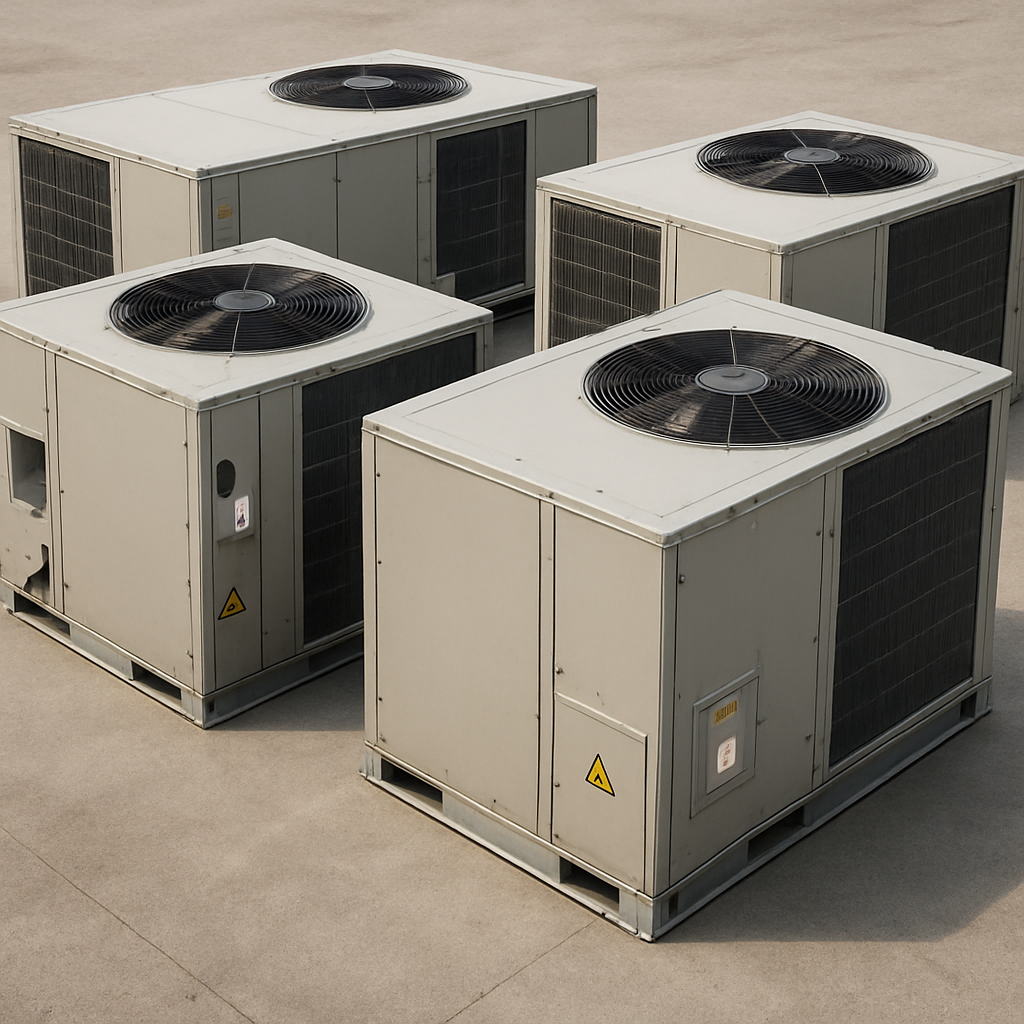
An all-in-one HVAC unit houses the heating and cooling equipment in a single cabinet, typically installed outdoors or on a roof. Air is conditioned and delivered into the home through ductwork.
A separate-component system divides those functions between indoor and outdoor equipment, such as an indoor furnace paired with an outdoor air conditioner or heat pump.
Important clarification:
Neither setup automatically provides better comfort. Temperature consistency depends far more on duct design, airflow balance, insulation, and proper sizing than on whether equipment is combined or separate.
Pros and Cons of All-In-One HVAC Units
Pros
- Compact footprint
- Simplified equipment layout
- Often faster installation
- Useful where indoor mechanical space is limited
Cons
- Outdoor exposure can increase wear
- Fewer options for partial upgrades
- When a major component fails, the entire system is often offline
- Repairs can remove both heating and cooling at the same time
All-in-one units are common in light commercial buildings and some residential situations where space constraints drive the decision.
Pros and Cons of Separate HVAC Components
Pros
- Easier access for service and repairs
- Heating and cooling can be replaced independently
- Better long-term flexibility
- Reduced risk of full system downtime
Cons
- Requires indoor mechanical space
- More components to install
- Slightly more complex initial setup
In most Ohio Valley homes, separate systems align better with existing layouts and long-term ownership expectations.
Cost and Ownership Reality
From a cost perspective, the difference is usually about risk and disruption, not just installation price.
- All-in-one units: Often simpler upfront, but a single failure can create a larger, more urgent repair event
- Separate systems: May involve more components initially, but allow staged repairs and upgrades over time
Long-term satisfaction is closely tied to service access, parts availability, and how much of the system is affected when something breaks.
Space Constraints vs. Long-Term Ownership
This decision often comes down to what matters most:
- Space-driven decisions: Homes with no indoor mechanical room may lean toward all-in-one units
- Longevity-driven decisions: Homeowners planning to stay long-term often prefer separate systems for easier service and upgrades
Recognizing which camp you’re in helps avoid regret later.
New Construction vs. Existing Homes
This comparison changes based on the home itself.
- New construction: Either option can be planned into the layout if space and access are designed properly.
- Existing homes: Separate systems often reuse existing mechanical space and ductwork more easily.
Retrofitting an all-in-one unit into an older home may require exterior duct changes or wall modifications.
Common Local Mistake to Avoid
A common local mistake is choosing an all-in-one unit solely to “simplify everything” without considering long-term service access. When repairs are needed, the lack of separation can lead to longer downtime and fewer repair options.
Local Factors by Town That Affect the Best Choice
- Steubenville, OH: Older brick homes with basements favor separate systems for easier access and staged repairs.
- Weirton, WV: Hills and varied layouts make accessibility and duct routing important.
- Wintersville, OH: Suburban homes often already have space for separate components.
- Toronto, OH: River humidity increases the value of accessible maintenance and quick repairs.
- Mingo Junction, OH: Smaller homes benefit from modular service options.
- Follansbee, WV: Compact layouts still typically support split systems.
- Wellsburg, WV: Mixed housing stock favors adaptable configurations.
- Brilliant, OH: Straightforward layouts pair well with standard component replacements.
- New Cumberland, WV: Drafty homes benefit more from duct improvements than unit consolidation.
- Colliers, WV: Multi-level homes often need zoning flexibility.
- Hooverson Heights, OH: Elevation and exposure make reliability and repair access more important than compact design.
A Real Local Example
A Steubenville home with an indoor basement furnace and outdoor air conditioner can replace one component at a time as needed. Converting that setup to an all-in-one unit would expose the entire system to weather and eliminate the ability to make incremental upgrades, often without improving comfort.
Who Each Option Is—and Isn’t—a Good Fit For
All-In-One Systems May Make Sense If:
- Indoor space is extremely limited
- Simplicity is the top priority
- The layout supports outdoor duct connections
Separate Systems Are Usually a Better Fit If:
- The home already has mechanical space
- Long-term serviceability matters
- Incremental upgrades are preferred
Decision Shortcut for Ohio Valley Homes
If your home already has ductwork and indoor equipment space, separate HVAC components usually offer better flexibility and lower long-term risk. All-in-one units tend to make sense only when space constraints drive the decision.
Warranties and Long-Term Reliability
Systems with separate components often allow targeted repairs and replacements, which can reduce disruption over time. All-in-one units simplify installation but concentrate risk when problems occur.
FAQ
Are all-in-one HVAC units better than separate systems in Steubenville and Weirton?
Usually not. While all-in-one units save space, most homes benefit more from the flexibility, service access, and reduced downtime of separate components.
Final Takeaway
All-in-one HVAC units and separate systems approach heating and cooling differently. All-in-one units prioritize compact design and simplicity, while separate systems prioritize flexibility, serviceability, and long-term value. In most existing Ohio Valley homes, separate components remain the more practical and resilient choice.
Alex Largent is the Owner and Senior HVAC Efficiency Analyst at Honest Fix Heating, Cooling & Plumbing. With more than 20 years of field experience, NATE and EPA certifications, and a hands-on leadership style, Alex teaches his team to fix systems right the first time — with transparency, precision, and no upsells. He writes about HVAC diagnostics, home energy efficiency, and practical maintenance advice for homeowners across the Upper Ohio Valley. Read Alex Largent’s full bio to learn more about his expertise in the HVAC and Plumbing industry. Updated October 2025.