R-22 vs. R-410A vs. R-454B Refrigerant in Steubenville, OH and Weirton, WV
February 11th, 2026
3 min read
Quick Answer
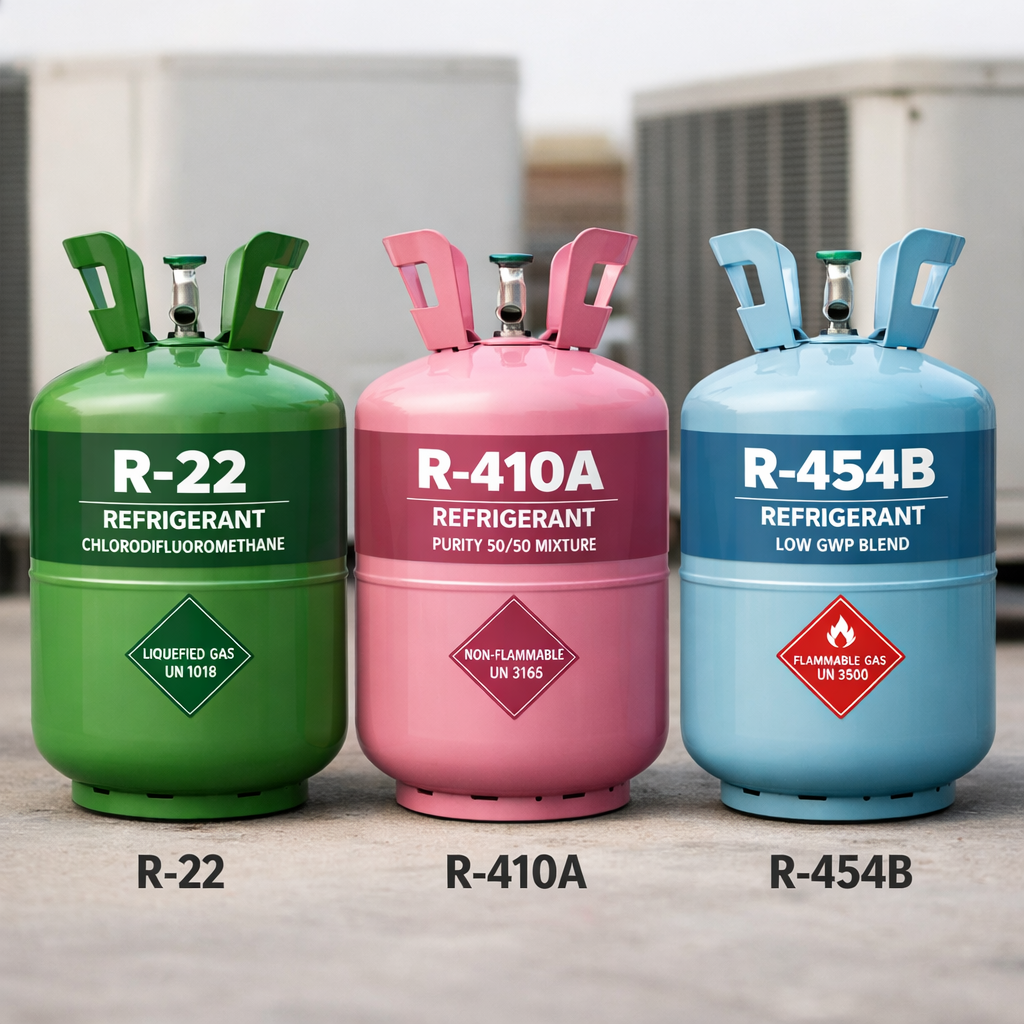
R-22 is obsolete and costly to service, R-410A is a legacy refrigerant used only in existing systems, and R-454B is the standard refrigerant for new residential HVAC systems in 2026. Homeowners are no longer choosing between refrigerants for new installs. The real decision is whether to repair an older system or replace it with modern equipment designed for R-454B.
Homeowners in Steubenville and Weirton often hear about refrigerants only when an air conditioner stops cooling. Many homes near the Ohio River and in hillside neighborhoods still operate older systems, while any new replacement equipment now follows updated federal standards. Refrigerant type directly affects repair cost, future serviceability, and whether replacement is the smarter long-term option.
R-22: Fully Obsolete and Increasingly Expensive
R-22, commonly called Freon, was used in systems manufactured before 2010. Production and import ended years ago, leaving only reclaimed supply.
Why R-22 Is No Longer Practical
- No new production
- Very limited reclaimed supply
- Extremely high cost per pound
- Systems are typically 15–25+ years old
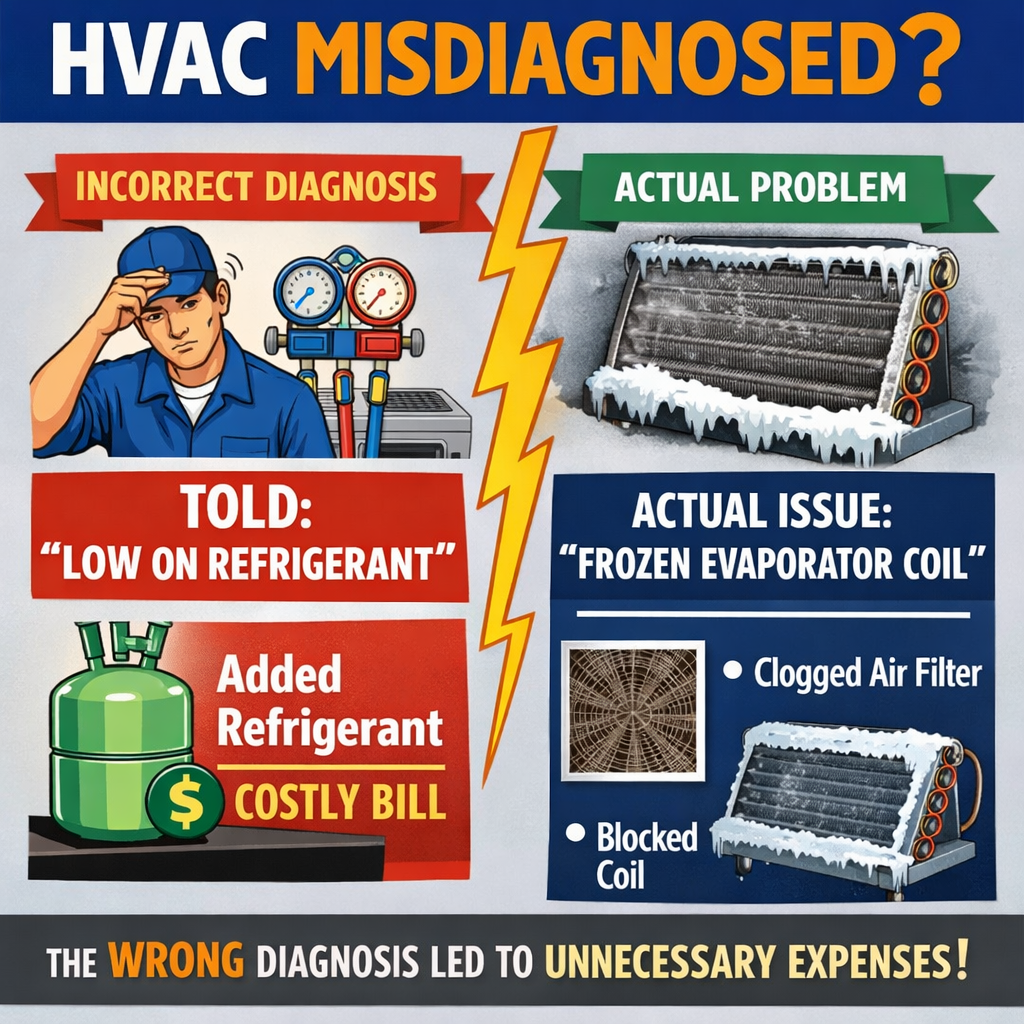
In Steubenville and Weirton homes built in the 1990s or earlier, an R-22 leak often signals the end of the system. A common local mistake is paying for repeated recharges instead of addressing the underlying leak or system age.
R-410A: Legacy Refrigerant in 2026
R-410A replaced R-22 and was the standard for many years. That is no longer the case.
As of 2026
- New residential HVAC equipment is no longer manufactured with R-410A
- R-410A is service-only for existing systems
- Supply is shrinking and costs are expected to rise
This change stems from the 2020 AIM Act, which mandates an 85% reduction in high-GWP refrigerants by 2036. Homes in Wintersville, Toronto, and Mingo Junction may still have R-410A systems that can operate for years, but R-410A is no longer a forward-looking option.
Installing a new R-410A system in 2026 means installing outdated equipment.
R-454B: The Current Standard for New Systems
R-454B is now the standard refrigerant for most new residential air conditioners and heat pumps in the U.S.
What Homeowners Need to Know About R-454B
- Significantly lower Global Warming Potential
- Required for new equipment under EPA rules
- Used only in newly designed systems
- Requires updated safety standards and trained technicians
Homeowners do not “convert” to R-454B. They encounter it when replacing an older system with new equipment.
Side-by-Side Comparison
| Feature | R-22 | R-410A | R-454B |
|---|---|---|---|
| Used in new systems (2026) | No | No | Yes |
| Current status | Obsolete | Legacy / service-only | Current standard |
| Availability | Very limited | Declining | Readily available |
| Environmental impact | High | High | Much lower |
| Typical system age | Very old | Mid-age | New |
| Long-term support | None | Limited | Strong |
Who Each Refrigerant Is Not Right For
R-22 Systems Are a Poor Fit If:
- The system has a refrigerant leak
- Major repairs are required
- Long-term ownership is planned
R-410A Systems Are a Poor Fit If:
- Full replacement is already needed
- Homeowners want the longest future support window
R-454B Systems Are a Poor Fit If:
- The existing system is still operating reliably
- Electrical or duct limitations prevent replacement
This clarity helps avoid unnecessary spending.
A Real Local Decision Scenario
In a 2002 Steubenville home with an original R-22 system, a refrigerant leak requiring several pounds of reclaimed R-22 can approach replacement cost. Replacing the system with new R-454B equipment avoids future refrigerant issues and aligns with current standards, making it the more stable long-term decision.
Cost Drivers That Matter in This Region
R-22-Related Costs
- High refrigerant prices
- Leak detection and repair
- Aging compressors and coils
R-410A-Related Costs
- Rising refrigerant cost over time
- Limited future availability
R-454B System Costs
- Full system replacement
- Updated safety components
- Electrical or duct upgrades in older homes
Homes across Wintersville, Toronto, Mingo Junction, Follansbee, Wellsburg, Brilliant, New Cumberland, Colliers, and Hooverson Heights face similar decisions as older systems reach end of life.
Warranty Protection and Long-Term Risk
Refrigerant platform matters when investing in new equipment.
New systems installed by Honest Fix can include:
- Trust Shield Warranty: 5-year repair coverage
- Trust Guardian Warranty: 15-year full system replacement coverage
These warranties help protect homeowners transitioning to modern refrigerant systems.
Frequently Asked Questions
Is R-410A illegal in 2026?
No. Existing systems can still be serviced, but new equipment should not use it.
Can R-454B be used in my current system?
No. It requires equipment designed specifically for it.
Will R-410A continue to get more expensive?
Yes. As supply declines, service costs are expected to rise.
Should I replace an R-22 or R-410A system now?
If major repairs or refrigerant leaks are involved, replacement is usually the safer long-term option.
Decision Summary
R-22 is obsolete, R-410A is legacy and service-only, and R-454B is the standard for new residential HVAC systems in 2026. The real decision is no longer which refrigerant to choose, but whether continued repair makes sense or replacement offers better long-term stability.
Exact HVAC replacement quotes available at (740) 825-9408 or HonestFix.com/schedule-service
Scott Merritt is a co-founder of Honest Fix Heating, Cooling and Plumbing and brings more than 30 years of experience across HVAC, leadership, and industry education. He serves in a senior leadership and oversight role, providing licensed guidance, reviewing HVAC educational content, and supporting technician training and documentation standards. Prior to co-founding Honest Fix, Scott founded and owned Fire & Ice Heating & Air Conditioning in Columbus, Ohio, which he operated for more than two decades before selling the company in 2025. During that time, he led programs and partnerships including Carrier Factory Authorized Dealer, Trane Comfort Specialist, and Rheem Pro Partner, helping establish high technical and training standards. Scott is the Ohio State HVAC license holder for Honest Fix and provides licensed oversight to help ensure work meets applicable codes and manufacturer requirements. Learn more about Scott’s background and role at Honest Fix by viewing his full leadership bio.