What Are the Best Energy-Efficient Features in HVAC Systems for Steubenville OH and Weirton WV Homes?
January 21st, 2026
3 min read
By Alex Largent
Quick Answer
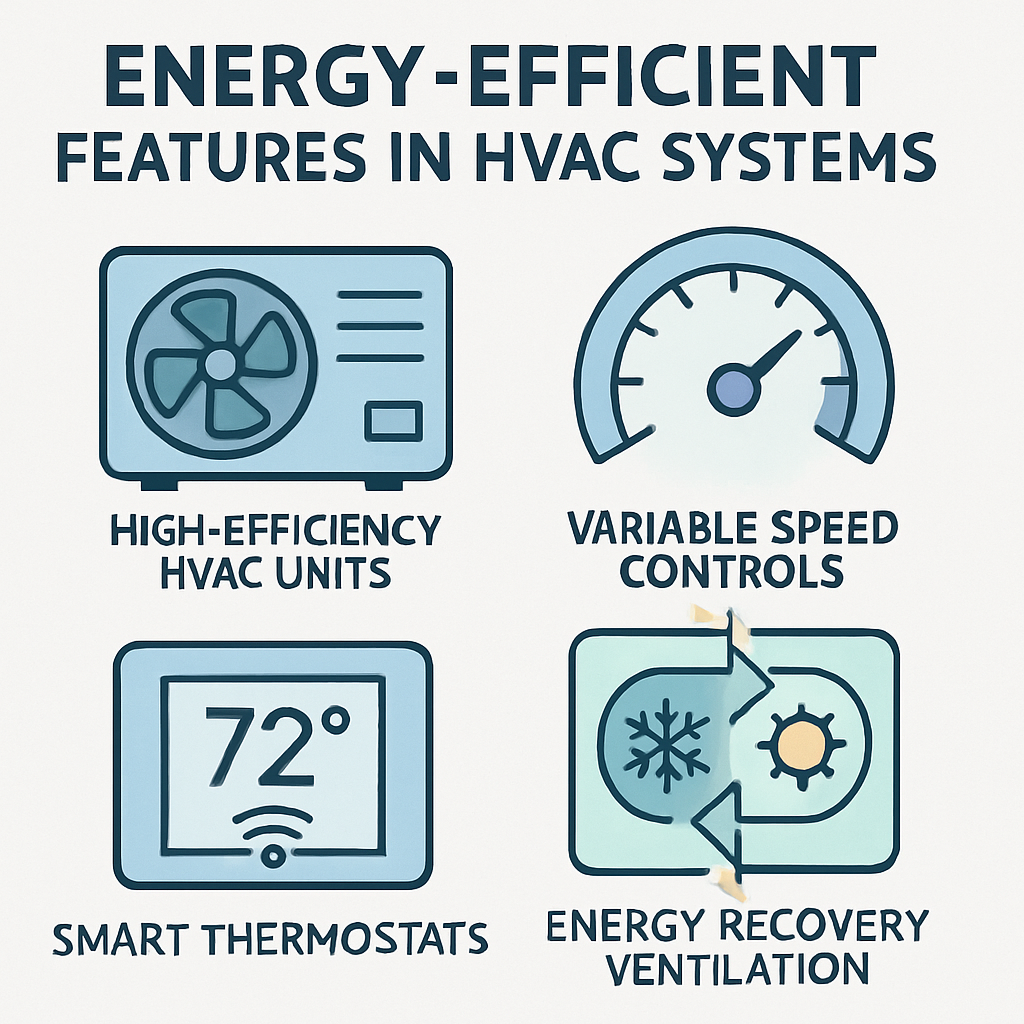
The most effective energy-efficient HVAC features for homes in Steubenville and Weirton are variable-speed motors, two-stage or modulating compressors, properly matched ductwork, humidity control, and smart controls set up correctly. These features reduce short cycling, manage Ohio Valley moisture, and adjust output to real conditions, which lowers energy use more consistently than efficiency ratings alone.
Energy efficiency in the Ohio Valley looks different than it does in newer, flatter regions. Many homes in Steubenville and Weirton were built before modern insulation standards, later added basements or rooms, and sit near the river or on hillsides. In these homes, wasted energy usually comes from poor airflow, moisture load, and constant cycling—not from equipment age alone. The most efficient systems are the ones that adapt to how these homes actually behave.
Why variable-speed motors make the biggest difference
Variable-speed blower motors adjust airflow gradually instead of turning on at full power every time.
This reduces electrical draw, keeps air moving longer, and improves humidity control. In river-adjacent neighborhoods and valley areas, longer run times remove moisture without overcooling the home. In split-level homes common in Hooverson Heights, variable-speed airflow also reduces temperature differences between floors.
How two-stage and modulating compressors reduce wasted energy
Single-stage systems operate at full output or not at all. Two-stage and modulating compressors adjust capacity based on demand.
Most days in Steubenville, Weirton, and surrounding towns do not require full heating or cooling output. Systems that can run at lower stages avoid repeated starts and stops, which waste energy and increase wear. Steadier operation improves comfort and lowers long-term operating cost.
Why humidity control is a hidden efficiency feature
Humidity directly affects how hard an HVAC system must work.
In Ohio River communities like Toronto, Brilliant, and Wellsburg, moisture load is often the main reason homes feel uncomfortable. When humidity is controlled properly, systems do not need to cool as aggressively to feel comfortable. That reduces runtime and energy use.
Ductwork efficiency matters as much as equipment efficiency
Efficient equipment cannot overcome inefficient ductwork.
In older Steubenville and Wintersville homes, ducts were often added in stages and never balanced. Leaky or undersized ducts force systems to run longer and harder, cancelling out efficiency gains from advanced equipment. Sealing and correcting duct issues allows energy-efficient features to perform as intended.
When energy-efficient features are NOT the right upgrade
Not every home benefits equally from advanced efficiency features.
These upgrades may not deliver strong results when:
- Ductwork is severely undersized or damaged
- Insulation problems are left unaddressed
- Electrical service cannot support variable-speed equipment
- The system is oversized to begin with
In these cases, correcting airflow or sizing issues first often produces greater energy savings than adding advanced features.
A simple homeowner checklist to spot energy waste
You can often spot efficiency problems without special tools.
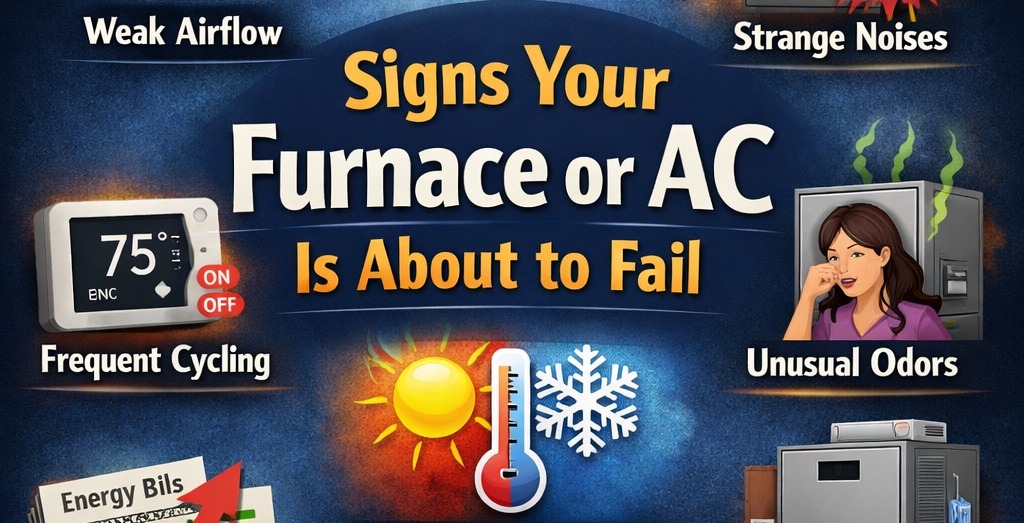
Your system may be wasting energy if:
- It turns on and off frequently
- Some rooms are consistently warmer or cooler
- The home feels damp in summer
- Energy bills spike during mild weather
Efficiency upgrades are more likely to help when:
- Temperatures stay steady but bills are high
- Humidity is a recurring issue
- The system runs longer than expected during mild days
How efficiency features affect cost and comfort
Some efficiency upgrades reduce energy use but do little for comfort. Others improve comfort more than they reduce bills.
In Ohio Valley homes, the strongest results come from features that reduce cycling, manage moisture, and match output to real demand. Balanced efficiency delivers steadier temperatures, fewer repairs, and predictable operating costs. Chasing the highest efficiency rating alone often produces weaker results.
A repeated regional pattern we see
Across Steubenville, Weirton, New Cumberland, and Colliers, homes with adaptive airflow and humidity control consistently outperform homes with higher-rated equipment but poor duct balance.
Efficiency gains in this region come from how systems operate day to day, not just how they are rated.
Why Rheem efficiency features fit this region well
Rheem systems are designed to operate efficiently under changing conditions.
They offer variable-speed blowers, staged compressors, and controls that support gradual adjustments. These features perform well in homes affected by humidity, terrain, and older construction, which makes them a practical fit for the Ohio Valley.
How Trust Shield and Trust Guardian warranties protect efficiency investments
Energy-efficient systems often run longer and more consistently, which increases component use.
Trust Shield Warranty protects major components that experience higher runtime under real conditions.
Trust Guardian Warranty adds labor protection, reducing financial risk if repairs are needed.
FAQs: Energy-Efficient HVAC Systems in the Ohio Valley
Do energy-efficient HVAC systems actually lower bills in Steubenville and Weirton?
Yes, when the system is properly sized and matched to the home. Features that reduce cycling and control humidity usually lower bills more reliably than systems chosen only for high efficiency ratings.
Is a higher efficiency rating always better for older homes?
No. In older homes with duct or insulation limits, adaptive features often matter more than peak efficiency ratings. A properly matched system with moderate ratings can outperform a higher-rated but poorly matched system.
Do I need new ductwork to benefit from energy-efficient features?
Not always, but duct condition matters. Sealing or correcting airflow issues is often required for efficiency features to deliver real savings.
Are energy-efficient systems worth it in river or hillside neighborhoods?
Yes, when humidity and airflow are addressed. In river-adjacent and hillside areas, variable-speed and staged systems typically perform better than single-stage equipment.
Final guidance
The best energy-efficient HVAC features are the ones that adapt to your home’s real conditions. In Steubenville, Weirton, and surrounding Ohio Valley communities, variable output, moisture control, and properly matched ductwork deliver stronger energy savings and comfort than efficiency ratings alone.
Alex Largent is the Owner and Senior HVAC Efficiency Analyst at Honest Fix Heating, Cooling & Plumbing. With more than 20 years of field experience, NATE and EPA certifications, and a hands-on leadership style, Alex teaches his team to fix systems right the first time — with transparency, precision, and no upsells. He writes about HVAC diagnostics, home energy efficiency, and practical maintenance advice for homeowners across the Upper Ohio Valley. Read Alex Largent’s full bio to learn more about his expertise in the HVAC and Plumbing industry. Updated October 2025.