Single-Stage vs. Two-Stage vs. Variable-Speed HVAC in Steubenville OH and Weirton WV
January 20th, 2026
4 min read
By Alex Largent
Quick Answer
Single-stage pros include the lowest upfront cost and simple operation, while cons include temperature swings and weaker humidity control. Two-stage pros include steadier comfort and better moisture removal, with higher cost than single-stage as the main drawback. Variable-speed pros include the most consistent temperatures and humidity control, while cons include the highest upfront cost and heavy dependence on duct quality. In Steubenville and Weirton, duct condition and humidity often matter more than stage count.
This is a pros-and-cons comparison of single-stage, two-stage, and variable-speed HVAC systems. Homeowners often search for this as “single-stage vs two-stage vs variable speed HVAC,” “variable-speed vs two-stage HVAC,” or “is variable-speed HVAC worth it?” The right choice depends on airflow, humidity, home layout, and how often the system runs throughout the year.
Single-Stage vs Two-Stage vs Variable-Speed: Key Differences at a Glance
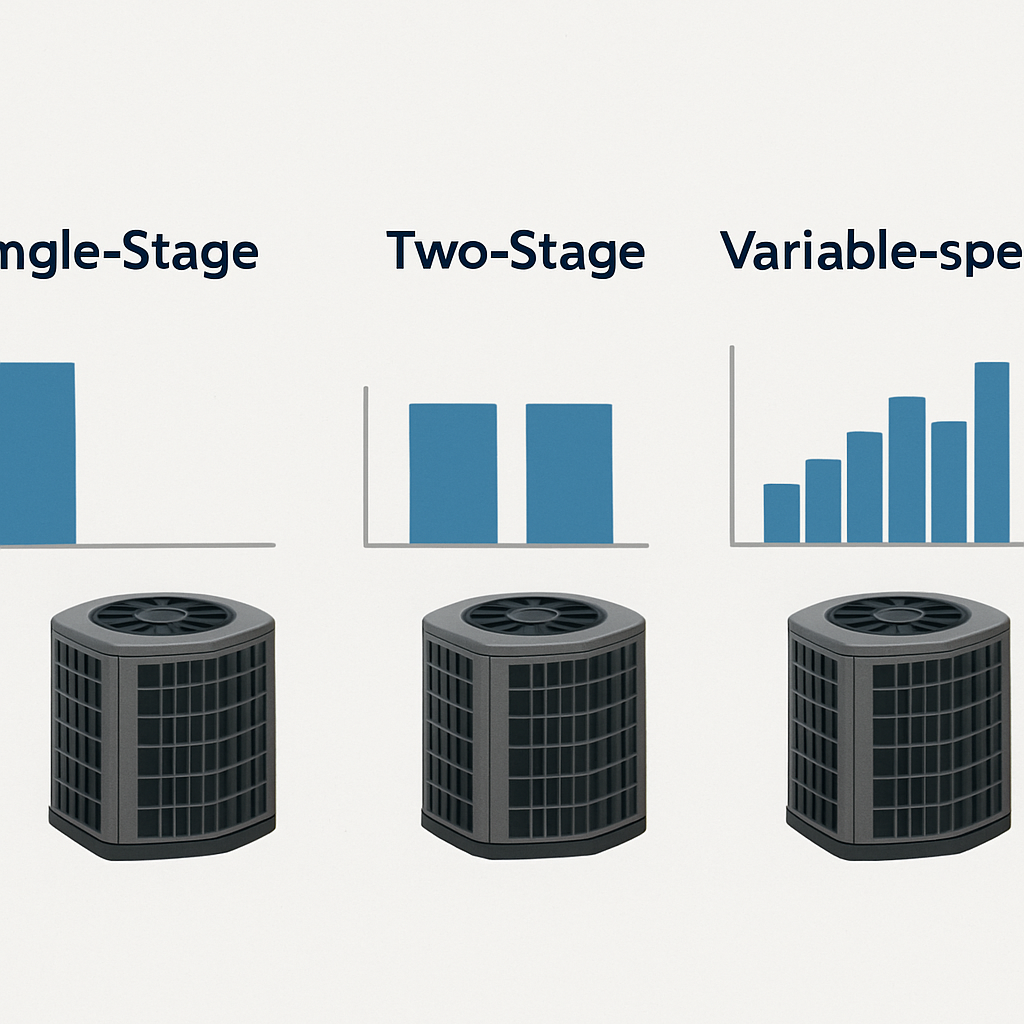
- Single-stage: On/off at full output; lowest upfront cost; least precise comfort
- Two-stage: High and low output; better temperature stability and humidity control
- Variable-speed: Continuously adjusts output; quiet operation; most consistent comfort
Rule of thumb:
If comfort complaints and humidity are the problem, two-stage or variable-speed helps. If ducts are limited and budget is tight, single-stage often makes sense.
What These Stages Actually Mean
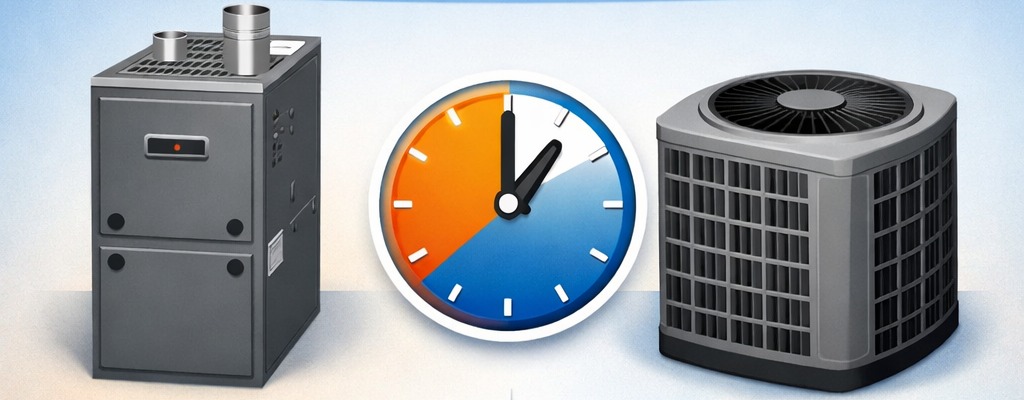
A single-stage system runs at one output level. When it turns on, it operates at full capacity until the thermostat is satisfied, then shuts off.
A two-stage system runs at a lower output most of the time and switches to full power only when needed. This reduces short cycling and improves temperature stability.
A variable-speed system adjusts output in small increments to match real-time demand. Longer, lower-speed run times help smooth temperatures and airflow.
In all cases, performance depends on proper sizing and duct design, not marketing terms. System selection should be based on actual heat load and airflow capability, not square footage alone.
Relative Cost Tiers (Upfront)
- Lowest upfront cost: Single-stage
- Mid-range cost: Two-stage
- Highest upfront cost: Variable-speed
Higher-stage systems usually improve comfort and humidity control, but only when ducts, insulation, and electrical setup allow them to operate as designed.
Pros and Cons of Single-Stage HVAC Systems
Pros
- Lowest upfront equipment cost
- Simple controls with fewer electronics
- Familiar service and repair patterns
Cons
- Noticeable temperature swings
- Louder starts and stops
- Least effective humidity control
A common local mistake is oversizing a single-stage system to “fix” hot and cold rooms. This often shortens run times and worsens humidity, especially in river-adjacent areas.
Pros and Cons of Two-Stage HVAC Systems
Pros
- More even temperatures than single-stage
- Longer run times improve moisture removal
- Quieter operation most of the time
Cons
- Higher upfront cost than single-stage
- Comfort gains depend on duct condition
Two-stage systems often provide the best balance for Ohio Valley homes that want better comfort without added complexity.
Pros and Cons of Variable-Speed HVAC Systems
Pros
- Most consistent temperatures room to room
- Best humidity control during summer
- Very quiet, smooth airflow
Cons
- Highest upfront cost
- Relies on advanced electronics and communicating controls
- Can expose airflow and duct problems if not corrected
Variable-speed systems reward good duct design but do not hide poor airflow.
Humidity: A Major Ohio Valley Decision Driver
Summer humidity is one of the most common comfort complaints in the Ohio Valley. Longer, lower-speed run times remove more moisture, which is why two-stage and variable-speed systems are often preferred in river-adjacent and valley locations. In homes with damp basements or shaded lots, stage selection can matter as much as system size.
Local Factors by Town That Affect the Best Choice
- Steubenville, OH: Older brick homes with basement ducts often need sealing and return corrections before higher-stage systems show benefits.
- Weirton, WV: Hills and elevation changes create uneven loads; staged systems help once airflow is balanced.
- Wintersville, OH: Suburban layouts with additions often benefit from two-stage systems that reduce cycling.
- Toronto, OH: River humidity favors longer run times for moisture control.
- Mingo Junction, OH: Smaller homes with airflow limits may see limited gains from variable-speed without duct upgrades.
- Follansbee, WV: Compact layouts and higher winter run time make simplicity and reliability important.
- Wellsburg, WV: Mixed housing stock means duct condition matters more than stage count.
- Brilliant, OH: Straightforward layouts benefit from two-stage once insulation is addressed.
- New Cumberland, WV: Drafty sections and older returns often cause short cycling; two-stage helps when airflow is corrected.
- Colliers, WV: Multi-level homes respond well to staged or variable output when airflow is balanced.
- Hooverson Heights, OH: Exposed walls and elevation changes increase load swings, making staged or variable output more noticeable for comfort.
Replacement vs. Comfort Upgrade: Why the Answer Changes
- Full system replacement: Stage choice should match existing ducts, insulation, and electrical capacity.
- Comfort upgrade: If the system runs but comfort is inconsistent, staged output often helps more than increasing size.
Cost and Ownership: What Drives Satisfaction
Long-term satisfaction depends less on stage count and more on:
- Duct sealing and sizing
- Insulation and air leakage
- Electrical capacity
- How often the system runs during shoulder seasons
Installation and setup must meet national mechanical and energy code requirements for airflow, controls, and electrical protection.
A Real Local Example
A 1960s Steubenville home with original ductwork often experiences temperature swings on a single-stage system. After duct sealing, a two-stage unit can stabilize comfort without the cost of variable-speed equipment. In a newer Weirton home with well-designed ducts, a variable-speed system can maintain even temperatures quietly across multiple levels.
Who Each Option Is—and Isn’t—a Good Fit For
Single-Stage Is Usually a Better Fit If:
- Budget is the primary concern
- Duct improvements are limited
- Simplicity is preferred
Two-Stage Is Usually a Better Fit If:
- Humidity and comfort complaints are common
- Airflow limitations are moderate
- Balance between cost and comfort matters
Variable-Speed Is Usually a Better Fit If:
- Comfort consistency and quiet operation matter most
- Ducts and insulation are in good shape
- The home has varying loads or multiple levels
Decision Shortcut for Ohio Valley Homes
If ducts are basic and budgets are tight, single-stage often fits. If humidity and comfort are problems, two-stage is a practical step up. Variable-speed pays off when airflow, insulation, and controls are ready for it.
Warranties and Long-Term Reliability
Extended protection can reduce ownership risk, especially for staged and variable-speed systems that rely on advanced electronics and controls. Coverage that includes both major components and labor is often valued in older Ohio Valley homes.
FAQ
Is variable-speed HVAC worth it in Steubenville and Weirton?
It can be, but only when ducts and electrical capacity support it. Without those foundations, two-stage systems often deliver better value with fewer comfort complaints.
Final Takeaway
Single-stage, two-stage, and variable-speed HVAC systems each have clear pros and cons. The best choice comes from matching system capability to duct condition, humidity, and how the home actually handles airflow—not from choosing the most advanced option by default.
If you’re comparing options, the most reliable path is a system recommendation based on duct condition, insulation, and real heat load rather than equipment labels alone.
Alex Largent is the Owner and Senior HVAC Efficiency Analyst at Honest Fix Heating, Cooling & Plumbing. With more than 20 years of field experience, NATE and EPA certifications, and a hands-on leadership style, Alex teaches his team to fix systems right the first time — with transparency, precision, and no upsells. He writes about HVAC diagnostics, home energy efficiency, and practical maintenance advice for homeowners across the Upper Ohio Valley. Read Alex Largent’s full bio to learn more about his expertise in the HVAC and Plumbing industry. Updated October 2025.