High-Efficiency HVAC Systems vs. Standard Models in Steubenville OH and Weirton WV: How Do the Savings Compare?
January 21st, 2026
4 min read
By Alex Largent
Quick Answer
In Steubenville and Weirton homes, the best ways to improve HVAC efficiency are reducing short cycling, fixing airflow problems, sealing duct leaks, and controlling humidity. These steps work because Ohio Valley homes lose efficiency through layout, moisture, and duct limits more often than through outdated equipment alone.
Improving HVAC efficiency in the Ohio Valley works differently than it does in newer, flatter regions. Many homes in Steubenville and Weirton were built before modern duct standards, later finished basements were added, and hillsides affect how air moves between floors. Because of this, efficiency losses usually come from how systems operate, not simply from how old they are. When airflow and moisture are corrected, systems run less, last longer, and deliver more consistent comfort.
Start with what matters most: reduce short cycling
If you only address one efficiency issue first, reduce short cycling.
Short cycling happens when an HVAC system turns on and off too frequently. Each start uses extra energy and prevents proper humidity removal. In older brick homes common throughout Steubenville and Weirton, cycling is most often caused by oversized equipment, aggressive thermostat changes, or restricted airflow.
Reducing cycling improves efficiency faster than most upgrades because it corrects the root cause of wasted runtime.
Improve airflow before upgrading equipment
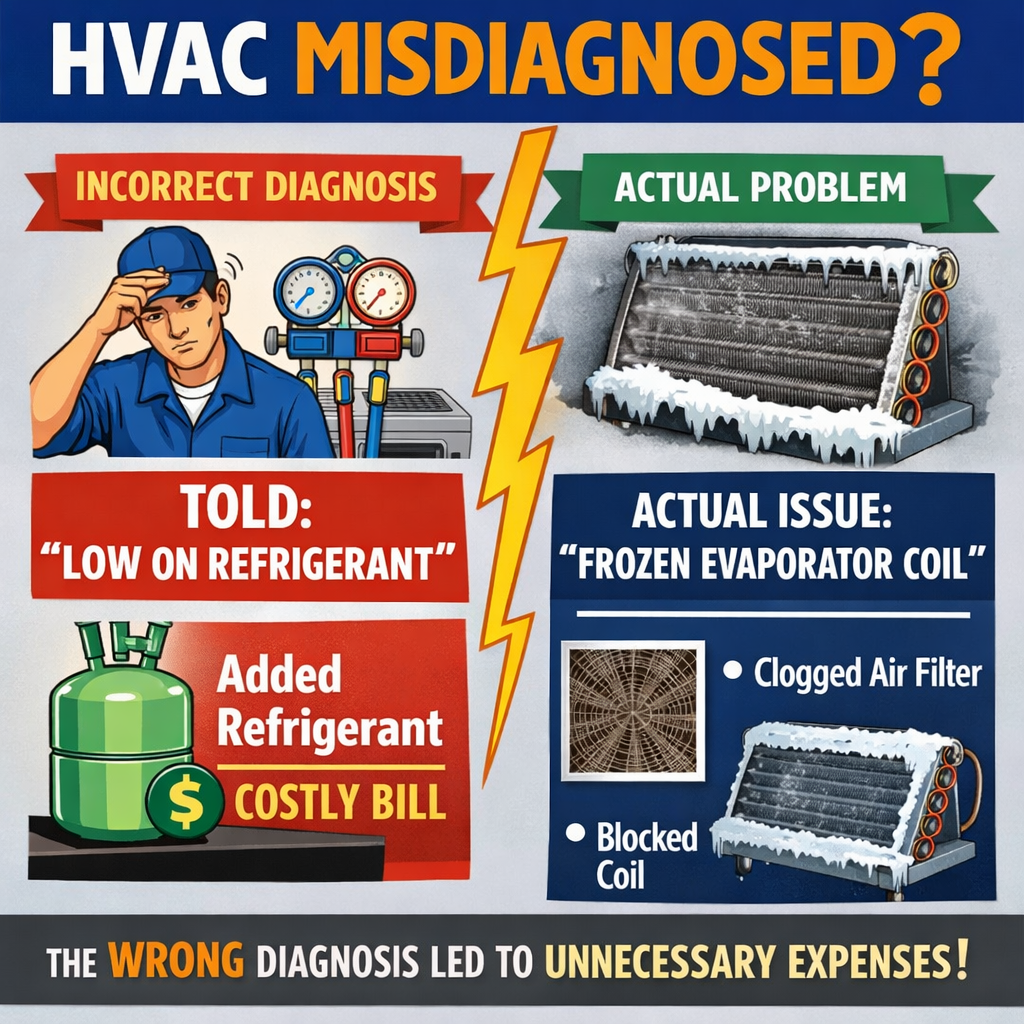
Airflow problems are one of the largest hidden efficiency losses in the Upper Ohio Valley.
In homes across Wintersville, Mingo Junction, and Follansbee, duct systems were often installed in stages and never balanced. Undersized returns, crushed flex duct, and blocked supplies force systems to work harder just to move air.
Correcting airflow allows existing equipment to operate closer to its intended performance and often improves comfort immediately.
Seal duct leaks to stop energy loss
Leaky ductwork sends conditioned air into basements, crawl spaces, or wall cavities instead of living areas.
In river-adjacent communities like Toronto, Brilliant, and Wellsburg, this wasted air also contributes to humidity problems. Sealing accessible duct connections reduces runtime, improves temperature consistency, and lowers energy use without changing equipment.
In older homes, duct sealing is one of the most reliable efficiency improvements available.
Control humidity to reduce cooling demand
Humidity control is a direct efficiency strategy in the Ohio Valley.
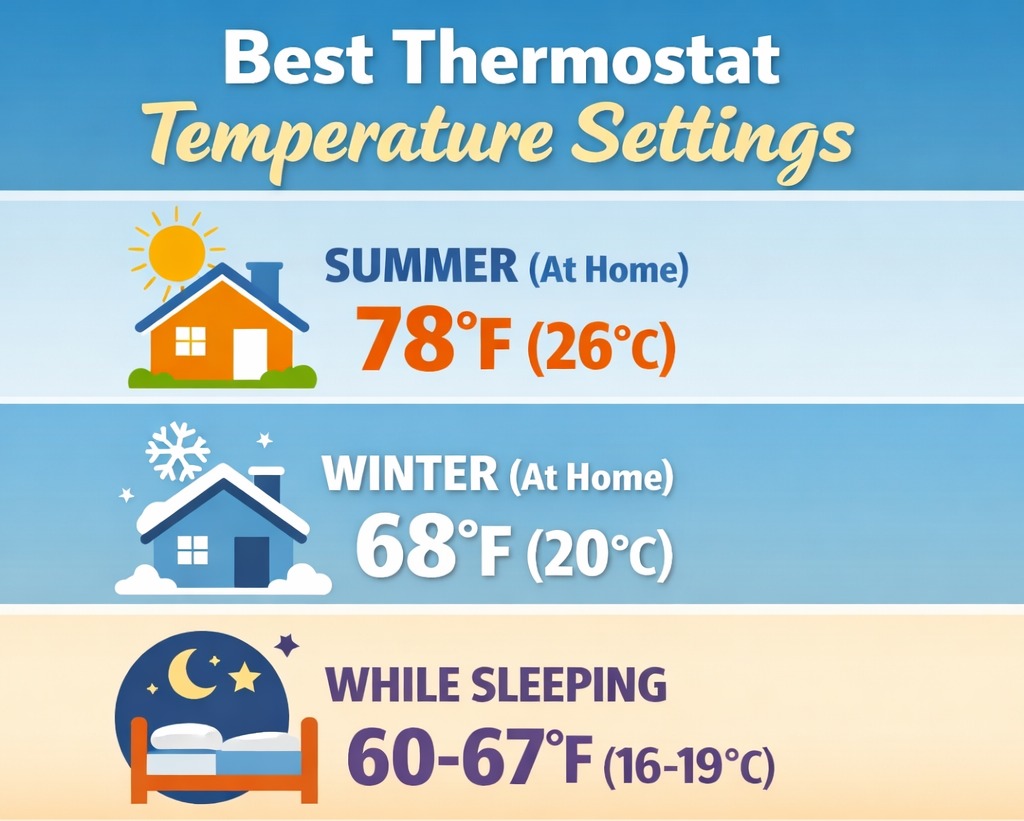
When moisture levels are high, systems must cool more aggressively to feel comfortable. Managing humidity allows higher thermostat settings to feel comfortable, which reduces runtime and energy use.
Here, longer and steadier run cycles matter more than pushing temperature lower.
Use thermostat and system features correctly
Many efficiency losses come from how systems are used rather than how they are built.
Frequent thermostat changes, large setbacks, and mismatched control settings increase cycling and wear. In hillside neighborhoods like Hooverson Heights, thermostat placement can also cause false readings that drive unnecessary runtime.
Steady settings and gradual adjustments allow systems to operate efficiently over time.
The correct order to improve HVAC efficiency
In most Ohio Valley homes, efficiency improvements work best in this order:
- Reduce cycling first
- Correct airflow second
- Seal duct losses next
- Fine-tune humidity and controls
Skipping steps often leads to disappointing results.
When efficiency upgrades are NOT the right first step
Efficiency improvements deliver limited results when foundational issues are ignored.
Upgrades may underperform when:
- Ductwork is severely undersized or leaking
- Insulation gaps dominate heat loss
- The system is improperly sized
- Older electrical service limits airflow or staging
In many Steubenville and Weirton homes, correcting airflow and cycling first produces stronger efficiency gains than adding features.
Who this guidance applies to most
This approach is most effective for older or mid-age homes with central HVAC systems, finished basements, mixed insulation levels, or uneven comfort between floors—which describes a large portion of housing across the Upper Ohio Valley.
What not to chase when improving efficiency
Do not chase higher efficiency ratings, new equipment, or added features before correcting airflow and cycling problems. In this region, equipment alone rarely fixes efficiency issues without proper setup.
A simple homeowner checklist for efficiency problems
Your HVAC system may be wasting energy if:
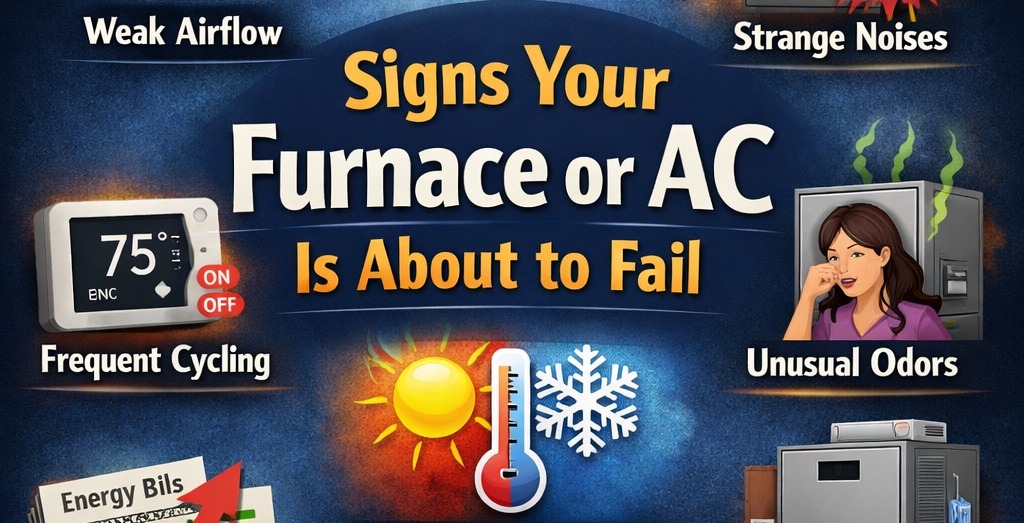
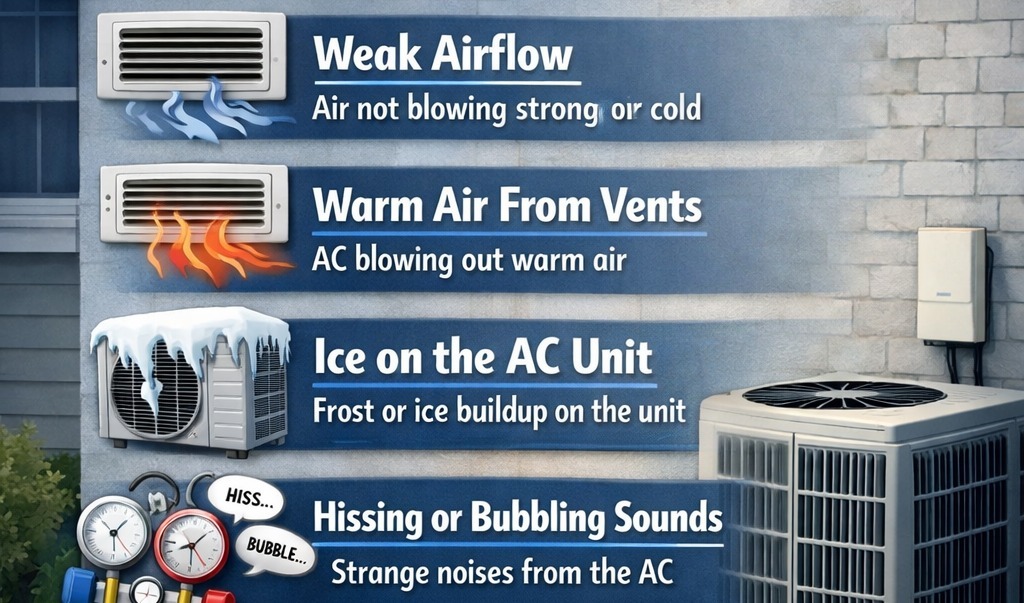
- It turns on and off frequently
- Some rooms are always uncomfortable
- The home feels damp in summer
- Energy bills spike during mild weather
Efficiency improvements usually help most when:
- Runtime is steady but costs are high
- Comfort is mostly good but uneven
- Humidity is a persistent issue
Cost vs. comfort: why efficiency feels confusing
Not every efficiency improvement affects comfort the same way.
Some changes lower energy use without improving comfort. Others improve comfort with modest bill changes. In the Ohio Valley, the strongest results come from balancing airflow, runtime, and moisture rather than focusing on a single efficiency metric.
Balanced efficiency reduces repair risk while improving daily comfort.
A repeated regional pattern we see
Across Steubenville, Weirton, New Cumberland, and Colliers, homes that correct airflow and reduce cycling consistently outperform homes that focus only on equipment upgrades.
This pattern appears repeatedly across housing styles and system ages. Efficiency here comes from how the system runs, not just what is installed.
Why Rheem systems support real efficiency improvements
Rheem systems are designed to adapt to changing conditions.
Variable-speed blowers and staged compressors allow Rheem equipment to reduce cycling and respond to real demand. These features perform especially well in Ohio Valley homes with moisture, terrain, and layout challenges.
When properly set up, they support practical efficiency gains instead of theoretical ones.
How Trust Shield and Trust Guardian warranties protect efficiency work
Improving efficiency often means systems run longer and more steadily.
Trust Shield Warranty protects key components that experience higher runtime under real operating conditions.
Trust Guardian Warranty adds labor protection, reducing financial risk if service is needed.
These protections matter most when systems are tuned for real-world operation.
FAQs: Improving HVAC Efficiency in the Ohio Valley
What is the fastest way to improve HVAC efficiency without replacing equipment?
Reducing short cycling and correcting airflow usually deliver the fastest gains in older homes.
Does sealing ductwork really make a difference?
Yes. Duct leaks are a major source of wasted energy and uneven comfort in Ohio Valley homes.
Will a new thermostat alone improve efficiency?
Not always. Thermostats help most when airflow, sizing, and system setup are already correct.
Are efficiency improvements worth it in older homes?
Yes, when they address airflow, moisture, and cycling rather than focusing only on ratings.
How this applies across the Upper Ohio Valley
These efficiency principles apply throughout the region, including:
- Wintersville, OH
- Toronto, OH
- Mingo Junction, OH
- Brilliant, OH
- Follansbee, WV
- Wellsburg, WV
- New Cumberland, WV
- Colliers, WV
- Hooverson Heights, WV
Across these towns, layout and moisture matter more than square footage.
Final guidance
The best ways to improve HVAC efficiency in Steubenville and Weirton focus on reducing cycling, improving airflow, sealing ducts, and managing humidity. These steps work because they address how Ohio Valley homes actually behave. When operation is corrected first, efficiency follows.
If your home still feels costly to operate or uncomfortable despite reasonable settings and regular maintenance, the issue is often airflow, moisture, or system setup rather than efficiency features alone. Honest Fix helps homeowners across the Upper Ohio Valley identify what is limiting efficiency and what needs to be corrected before energy waste and equipment wear increase.
Alex Largent is the Owner and Senior HVAC Efficiency Analyst at Honest Fix Heating, Cooling & Plumbing. With more than 20 years of field experience, NATE and EPA certifications, and a hands-on leadership style, Alex teaches his team to fix systems right the first time — with transparency, precision, and no upsells. He writes about HVAC diagnostics, home energy efficiency, and practical maintenance advice for homeowners across the Upper Ohio Valley. Read Alex Largent’s full bio to learn more about his expertise in the HVAC and Plumbing industry. Updated October 2025.