What Is the Best Thermostat Setting for HVAC in Different Seasons in Steubenville OH and Weirton WV?
January 21st, 2026
4 min read
By Alex Largent
Quick Answer
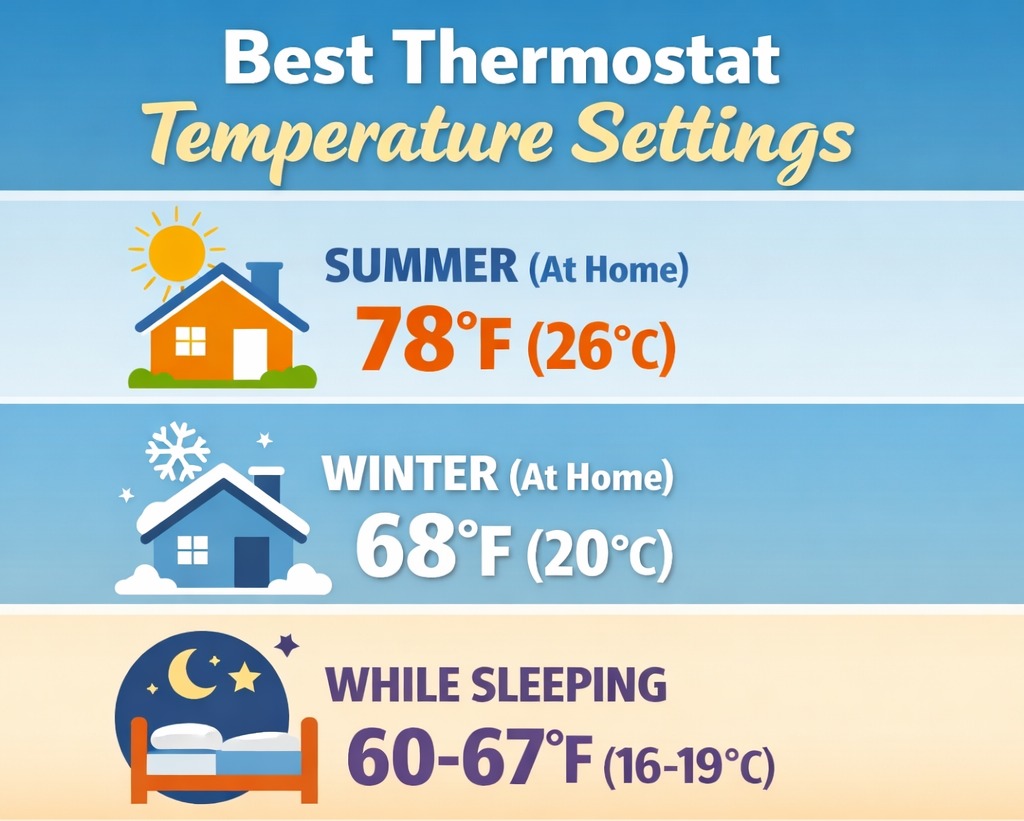
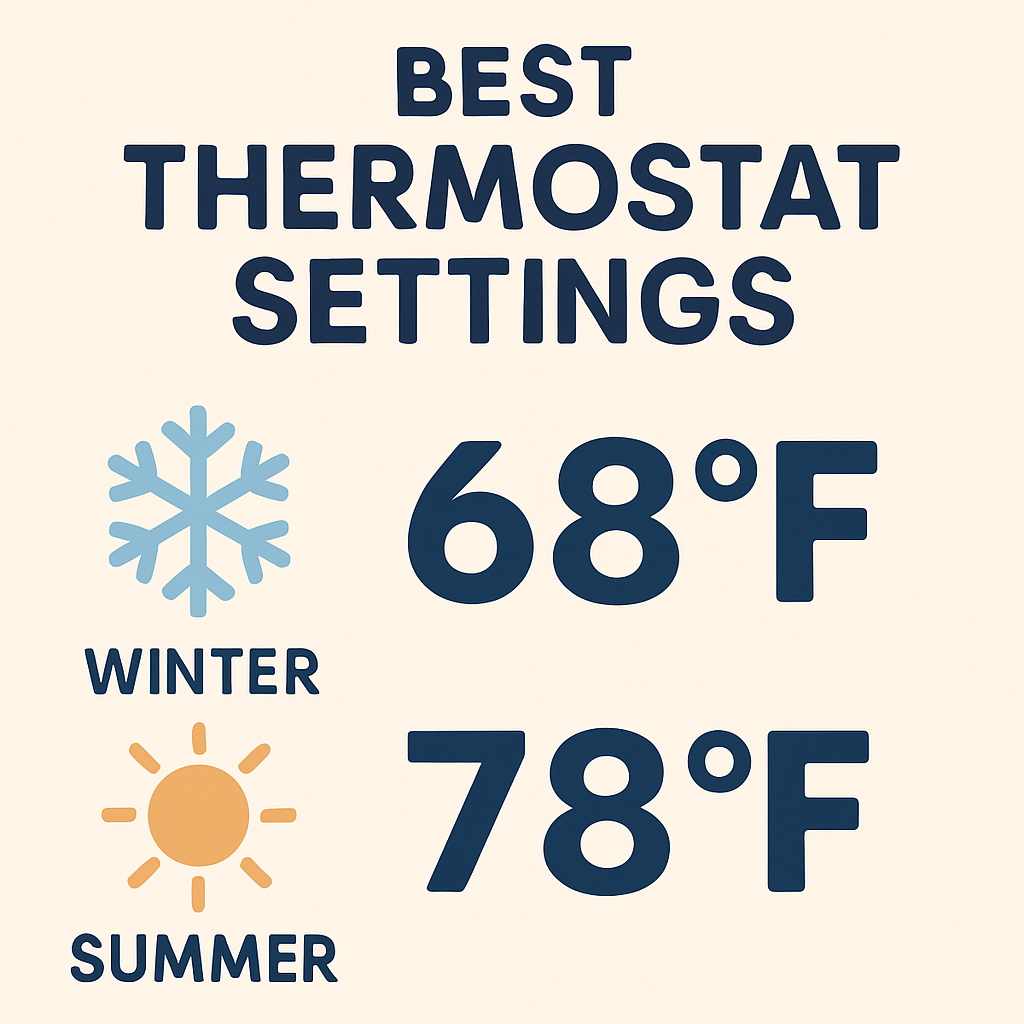
The best thermostat settings for homes in Steubenville and Weirton are 68–70°F in winter and 74–76°F in summer when occupied. Seasonal adjustments should be gradual, not extreme. In the Ohio Valley, humidity, home layout, and system type matter as much as the number itself. Smart setbacks work best with properly sized, variable-speed systems.
Thermostat settings that work in newer, flat regions often fail in the Ohio Valley. Homes in Steubenville and Weirton vary widely in insulation, duct design, and layout. Many sit near the river or on hillsides, which affects humidity levels and temperature balance between floors. The goal of seasonal thermostat settings here is steady comfort and controlled moisture, not constant adjustment.
Best thermostat settings for winter in the Ohio Valley
For most homes in Steubenville and Weirton, winter comfort and efficiency balance best between 68 and 70°F while occupied.
Lowering the thermostat too aggressively can cause long recovery cycles, especially in older brick homes and split-level layouts. Gradual setbacks of 2–4 degrees overnight or during work hours reduce energy use without forcing the system to run excessively in the morning.
In hillside neighborhoods like Hooverson Heights, uneven airflow between levels often makes extreme setbacks uncomfortable. Steady temperatures usually perform better.
Best thermostat settings for summer comfort and efficiency
In summer, 74–76°F is the most reliable range for balancing comfort, energy use, and humidity control.
In river-adjacent areas such as Toronto, Brilliant, and Wellsburg, setting the thermostat too low can increase humidity by causing short cycling. A slightly higher setting with longer run times allows the system to remove moisture more effectively.
Large daytime setbacks are not recommended unless the system and ductwork are designed to recover efficiently.
Why humidity changes how thermostat settings work
Humidity has a direct impact on how temperatures feel.
In the Ohio Valley, homes often feel uncomfortable because of moisture rather than temperature alone. When humidity is high, lowering the thermostat does not always improve comfort. Systems that run longer at lower output remove more moisture and allow higher thermostat settings to feel comfortable.
This is why steady settings often outperform constant adjustments in Steubenville and Weirton homes.
How system type affects ideal thermostat settings
Thermostat strategy should match the HVAC system.
- Single-stage systems perform best with steady settings and minimal setbacks
- Two-stage or variable-speed systems handle gradual setbacks more effectively
- Heat pumps prefer smaller adjustments to avoid efficiency loss
- Dual-fuel systems benefit from stable winter settings during cold snaps
In older homes across Wintersville, Mingo Junction, and Follansbee, mismatched thermostat strategies often cause comfort complaints.
A common seasonal thermostat mistake
A common belief is that frequent adjustments save energy.
In reality, constant manual changes increase cycling, reduce humidity control, and place added stress on system components. Over time, this wear shortens equipment life and increases repair risk.
A simple homeowner checklist for thermostat problems
You may need to rethink your thermostat strategy if:
- The system runs frequently but comfort is inconsistent
- The home feels damp in summer despite low settings
- Rooms on different levels feel very different
- Energy bills spike during mild weather
These signs usually point to setting strategy, airflow, or system design rather than thermostat accuracy.
Cost vs. comfort: how thermostat settings really affect bills
Lowering or raising the thermostat does not always reduce costs the way homeowners expect.
Aggressive setbacks can increase runtime during recovery, especially in older homes. Mild, consistent settings often use less energy over time and reduce wear on equipment.
In the Ohio Valley, comfort and cost are best balanced through steady operation paired with efficient system features rather than extreme temperature swings.
A repeated regional pattern we see
Across Steubenville, Weirton, New Cumberland, and Colliers, homes with steady thermostat settings and longer run times consistently report better comfort than homes with frequent adjustments.
This pattern holds regardless of system age. Stability reduces cycling, improves moisture control, and supports longer system life.
When thermostat changes alone are not enough
If a home has airflow restrictions, duct issues, insulation gaps, or sizing problems, thermostat adjustments alone will not resolve comfort or efficiency issues. In these cases, system setup matters more than the setting itself.
Why Rheem systems respond well to proper thermostat use
Rheem systems are designed to work efficiently with stable thermostat strategies.
Variable-speed and staged Rheem equipment adjusts output gradually, which supports steady temperatures and better humidity control. These systems perform best when thermostat changes are small and intentional rather than frequent and extreme.
How Trust Shield and Trust Guardian warranties support long-term performance
Frequent cycling caused by poor thermostat habits increases wear on HVAC components.
Trust Shield Warranty protects major components that experience higher stress under real operating conditions.
Trust Guardian Warranty adds labor protection, reducing unexpected repair costs tied to excessive cycling.
FAQs: Thermostat Settings for HVAC Systems
What is the best winter thermostat setting for older homes in Steubenville?
Most older homes are most comfortable between 68 and 70°F. Large setbacks often cause long recovery times and uneven heating.
Should I change thermostat settings when I leave for work?
Small setbacks of 2–4 degrees are usually effective. Large changes often increase runtime later, especially in Ohio Valley homes.
Is it better to leave the thermostat alone all day?
In many homes, yes. Steady settings often provide better comfort and similar or lower energy use than constant adjustments.
Do smart thermostats change the recommended settings?
Smart thermostats help manage gradual changes, but the same seasonal ranges still apply. They work best with variable-speed or staged systems.
How this applies across the Upper Ohio Valley
These thermostat principles apply throughout the region, including:
- Wintersville, OH
- Toronto, OH
- Mingo Junction, OH
- Brilliant, OH
- Follansbee, WV
- Wellsburg, WV
- New Cumberland, WV
- Colliers, WV
- Hooverson Heights, WV
Local layout, humidity, and airflow matter more than city lines.
Final guidance
The best thermostat settings for HVAC systems in Steubenville and Weirton change by season, but the strategy stays the same. Choose moderate temperatures, make gradual adjustments, and prioritize humidity control. In the Ohio Valley, steady operation delivers better comfort, lower wear, and more predictable energy use than constant thermostat changes.
If your home still struggles with comfort or humidity despite reasonable thermostat settings, the issue is often system setup, airflow, or control strategy rather than the thermostat itself. Honest Fix helps homeowners across the Upper Ohio Valley identify what is actually causing those problems and what needs to be corrected before comfort, efficiency, or equipment life are affected.
Alex Largent is the Owner and Senior HVAC Efficiency Analyst at Honest Fix Heating, Cooling & Plumbing. With more than 20 years of field experience, NATE and EPA certifications, and a hands-on leadership style, Alex teaches his team to fix systems right the first time — with transparency, precision, and no upsells. He writes about HVAC diagnostics, home energy efficiency, and practical maintenance advice for homeowners across the Upper Ohio Valley. Read Alex Largent’s full bio to learn more about his expertise in the HVAC and Plumbing industry. Updated October 2025.