Best Residential HVAC Systems for Steubenville OH and Weirton WV Homes
January 19th, 2026
3 min read
By Alex Largent
Quick Answer
For homes in Steubenville, Weirton, and nearby Ohio Valley neighborhoods, the most reliable HVAC systems are dual-fuel heat pumps with gas backup, variable-speed electric heat pumps, and ductless mini-splits where ductwork is limited. These systems handle river humidity, older construction, hillside airflow challenges, and mixed utility access better than single-stage or oversized equipment.
Choosing an HVAC system in Steubenville and Weirton is rarely simple. Much of the housing stock was built before modern insulation standards, basements were finished years later, and additions changed airflow paths. Proximity to the Ohio River increases moisture load, while hillside construction affects how air moves between floors. Comfort problems here usually come from layout and moisture, not just worn-out equipment.
Why dual-fuel systems work best in Steubenville and Weirton
Dual-fuel systems pair a heat pump with a gas furnace. The heat pump runs during mild and moderate weather, while the furnace takes over during colder stretches.
This setup fits Steubenville and Weirton homes because winter temperatures swing frequently. In older brick homes near downtown Steubenville or long-established Weirton neighborhoods, dual-fuel systems reduce gas usage without risking comfort during cold snaps. They also avoid electrical panel upgrades that are common in homes built before modern service standards.
Not the right fit for: homes without gas service or homes where ductwork cannot support central airflow.
When variable-speed heat pumps are the better choice
Variable-speed heat pumps are often the best option for electric-only homes or for homeowners reducing gas dependence.
They perform especially well in hillside areas like Hooverson Heights, where split-level layouts cause uneven temperatures. Longer, lower-speed run cycles improve humidity control and reduce temperature swings between floors. This matters in homes with bedrooms above garages or finished basements.
Not the right fit for: homes with very poor insulation and no plan to address envelope issues.
Why ductless mini-splits solve problems older systems cannot
Ductless mini-splits bypass ductwork entirely, making them effective where ducts are undersized, damaged, or never installed correctly.
They are commonly used in:
- Older Steubenville homes with later additions
- Finished basements that stay cool and damp
- Weirton homes with enclosed porches or converted rooms
Each indoor unit serves its own zone, which helps hillside homes where one side of the house sits partially below grade.
Not the right fit for: homes that already have properly sized, sealed duct systems serving all rooms evenly.
Comparing the most common system options
| System Type | Best For | Primary Benefit | Primary Limitation |
|---|---|---|---|
| Dual-fuel heat pump + gas furnace | Older homes with gas service | Reliable heat during cold snaps without high electric demand | Requires usable ductwork |
| Variable-speed heat pump | Electric-only or hillside homes | Better humidity control and steadier temperatures | Performance depends on insulation quality |
| Ductless mini-split | Homes with duct limitations or additions | Zoned comfort without duct changes | Higher cost per indoor unit |
A common misconception in the Ohio Valley
A frequent belief is that installing new equipment will automatically fix comfort problems. In Steubenville and Weirton homes, airflow limits, duct routing, and moisture are often the real issues.
New equipment cannot correct undersized ducts, blocked returns, or basement humidity on its own. When these conditions are ignored, even high-efficiency systems fail to deliver consistent comfort.
One cost driver that often surprises homeowners
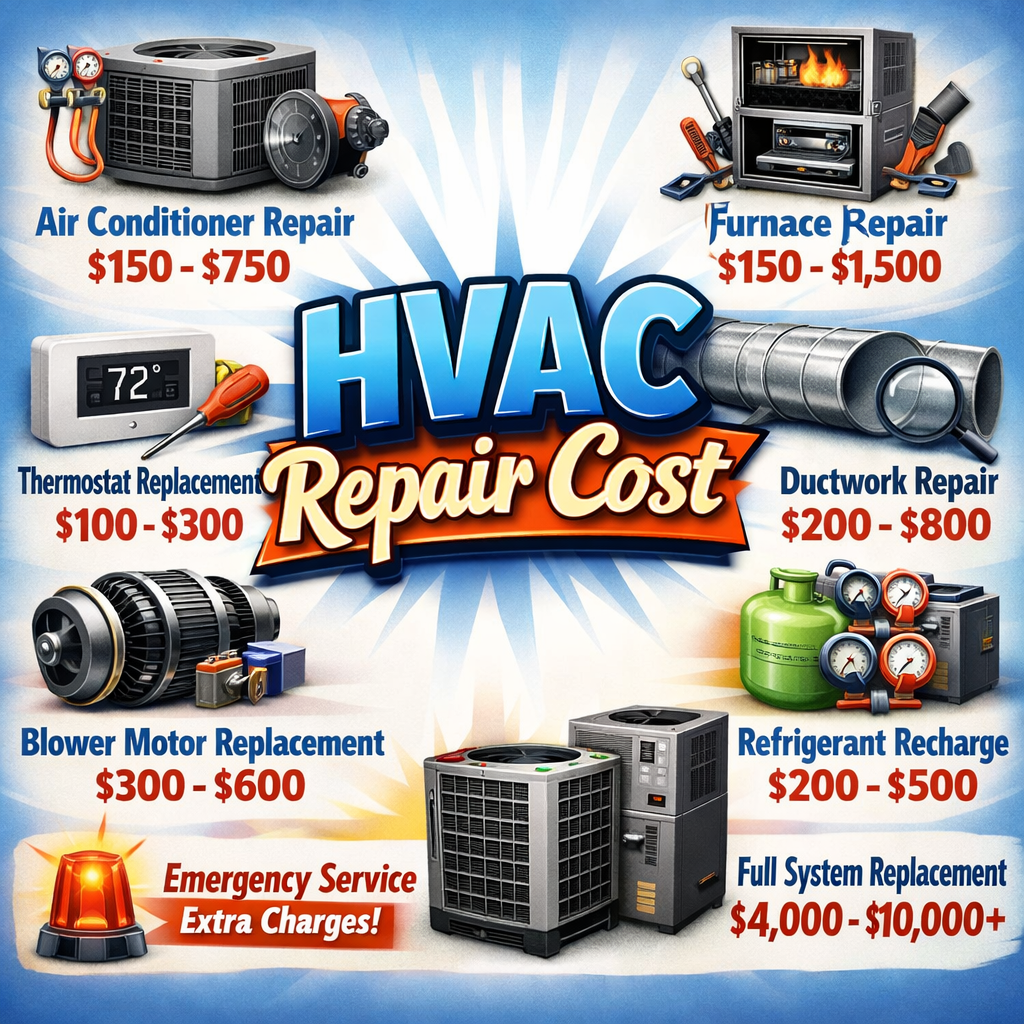
In older Weirton homes, limited electrical service is a major cost driver. Switching to a fully electric system without checking panel capacity can add significant, unexpected expense.
Matching the system to existing electrical limits is often the difference between a controlled project and one that exceeds budget.
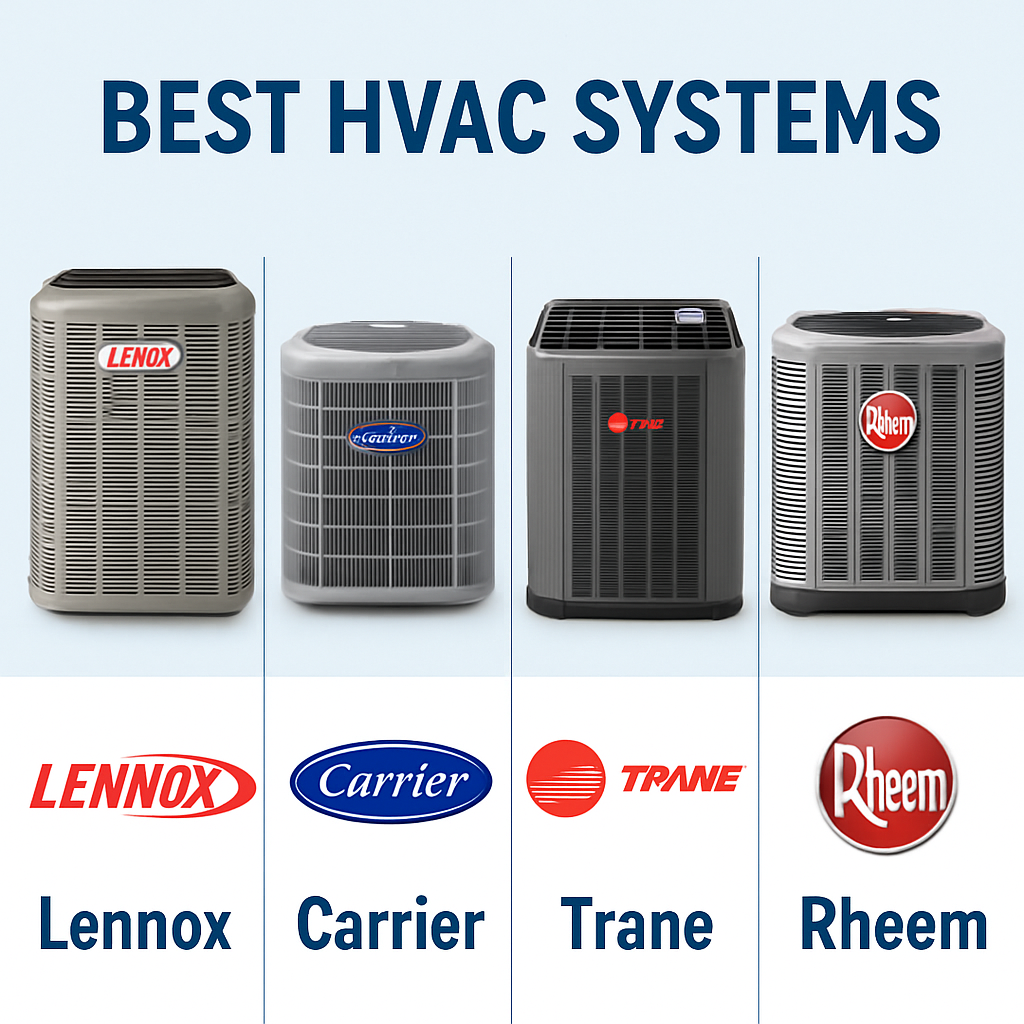
Why Rheem systems are a strong fit for this region
Rheem systems are designed for mixed climates with high humidity and wide temperature swings, which closely match Ohio Valley conditions.
They offer:
- Reliable variable-speed operation for moisture control
- Strong cold-weather heat pump performance
- Long-term parts support for older installations
- Compatibility with gas, electric, and hybrid designs
These traits matter in homes where equipment runs longer and works harder than average.
How Trust Shield and Trust Guardian warranties reduce real risk
Homes in the Ohio Valley place more strain on HVAC systems due to humidity, airflow resistance, and longer runtimes.
Trust Shield Warranty protects critical components beyond standard coverage, accounting for real operating conditions.
Trust Guardian Warranty includes labor protection, preventing unexpected repair costs when systems operate under higher stress.
These warranties are structured around how systems actually perform in this region.
Final guidance
The best residential HVAC system for Steubenville and Weirton homes is defined by fit, not labels. When system type, airflow, moisture load, and utility constraints are aligned—and protected with warranties designed for real-world use—long-term comfort follows across the Ohio Valley.
Alex Largent is the Owner and Senior HVAC Efficiency Analyst at Honest Fix Heating, Cooling & Plumbing. With more than 20 years of field experience, NATE and EPA certifications, and a hands-on leadership style, Alex teaches his team to fix systems right the first time — with transparency, precision, and no upsells. He writes about HVAC diagnostics, home energy efficiency, and practical maintenance advice for homeowners across the Upper Ohio Valley. Read Alex Largent’s full bio to learn more about his expertise in the HVAC and Plumbing industry. Updated October 2025.