Central HVAC vs. Ductless Systems in Steubenville OH and Weirton WV: What’s the Difference?
January 19th, 2026
3 min read
By Alex Largent
Quick Answer
Central HVAC systems heat and cool a home through ductwork from one main unit, while ductless systems heat or cool individual rooms without ducts. In Steubenville and Weirton, central systems usually fit homes with existing ductwork and gas service, while ductless options work better in older homes, additions, or spaces with uneven temperatures and limited duct access.
If you’re deciding between a central HVAC system and a ductless (mini-split) system, the right choice depends less on equipment brands and more on how homes in the Ohio Valley are built. Housing age, basements, hillsides, humidity, and electrical capacity all affect how each system performs across Steubenville, Weirton, and nearby towns.
This guide explains the real differences, costs, and common local mistakes so you can choose based on structure and use—not assumptions.
How Central HVAC Systems Work in the Ohio Valley
A central HVAC system uses one primary heating and cooling unit connected to ductwork that distributes air throughout the home. In this region, that most often means a gas furnace paired with central air conditioning, or a ducted heat pump.
Central systems tend to perform well in Steubenville neighborhoods with full basements and accessible duct runs, as well as Weirton homes built during the mid-1900s when ducted layouts became standard. When ductwork is properly sized and sealed, central HVAC delivers consistent whole-home comfort and supports whole-home filtration and humidity control.
A frequent local issue is assuming older ductwork is still adequate. Leaky returns, undersized supply lines, and unsealed basement ducts often cause uneven temperatures and higher operating costs, even when new equipment is installed.
How Ductless Systems Fit Older and Modified Homes
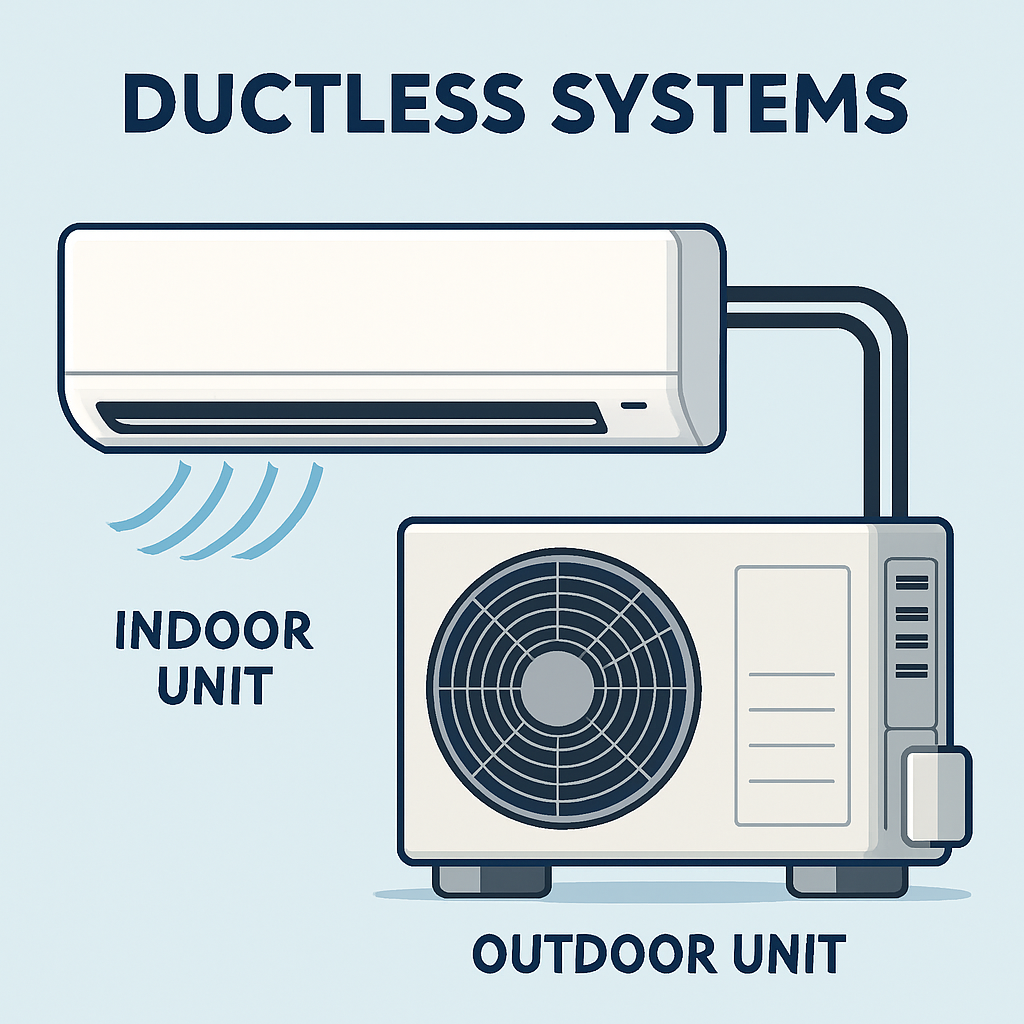
Ductless systems use an outdoor unit connected to one or more indoor units mounted on walls or ceilings. Each indoor unit conditions its own space, and no ductwork is required.
Ductless systems are commonly chosen for hillside homes, river-adjacent properties, and houses that were never designed for ducts. They are also widely used for finished basements, attic conversions, and additions in Wintersville, Toronto, and Mingo Junction, where extending ductwork is disruptive or impractical.
Because each zone operates independently, ductless systems help resolve hot and cold spots common in older layouts. Electrical capacity matters, though, and can be a limiting factor in homes with older service panels.
Comfort, Efficiency, and Maintenance Differences
Temperature Control
Central HVAC systems use a single thermostat unless zoning is added. Ductless systems allow room-by-room control, which can reduce energy use in spaces that are not occupied daily.
Energy Performance
Central system efficiency depends heavily on duct condition. Ductless systems avoid duct losses altogether, which can be useful during spring and fall when partial heating or cooling is needed.
Maintenance Needs
Central systems typically involve one indoor and one outdoor unit, making routine service straightforward. Ductless systems have multiple indoor units, each with filters that must be cleaned to maintain airflow and moisture control.
Cost Factors Specific to Steubenville and Weirton
Installed cost varies based on system size, home layout, and infrastructure. One unique local cost driver is electrical capacity. Many homes across Steubenville, Weirton, Follansbee, and Wellsburg still operate on 100-amp electrical service, which may limit how many ductless zones can be installed without upgrades.
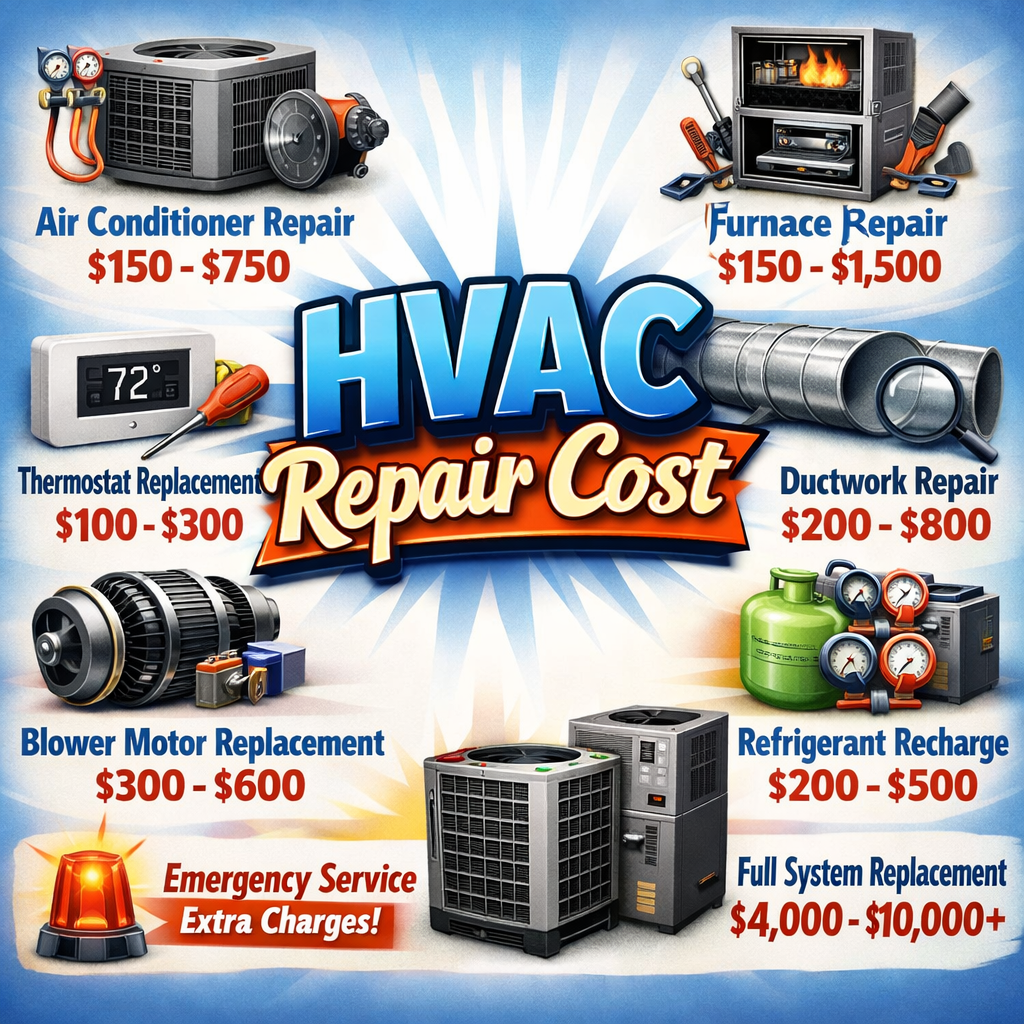
Central HVAC systems are often more cost-effective when existing ductwork is usable. Ductless systems avoid duct installation costs but increase in price as additional indoor zones are added.
Homeowners comparing upfront cost versus long-term ownership often benefit from reviewing pricing ranges and warranty coverage before making a final decision.
A Real Local Example
A 1950s brick home in Steubenville with a full basement and original ductwork often performs best with a properly sized central system after duct sealing and airflow corrections. In contrast, a hillside home in Weirton with a finished lower level and no return ducts may achieve better comfort by using a ductless system for that space while keeping a central system for the main floor.
These layout differences are common throughout Brilliant, New Cumberland, and Colliers, which is why system selection should always match the structure—not just efficiency ratings.
Who Each System Is—and Isn’t—a Good Fit For
Central HVAC Is Usually a Better Fit If:
- The home already has usable ductwork
- Room sizes and layouts are consistent
- Natural gas is available
- Whole-home filtration or humidity control is desired
Central HVAC Is Often Not a Good Fit If:
- The home has no ducts or failing ductwork
- Additions are far from main trunk lines
- The layout creates persistent hot and cold spots
Ductless Systems Are Usually a Better Fit If:
- The home was never designed for ducts
- Additions or finished basements need independent control
- Certain rooms are used intermittently
- Duct installation would require major structural changes
Ductless Systems Are Often Not a Good Fit If:
- Electrical capacity is limited
- A single thermostat is preferred
- Large open floor plans need uniform airflow
Warranties and Long-Term Reliability in the Ohio Valley
System choice should include long-term protection. Trust Shield warranties focus on core system components most affected by regional wear patterns, while Trust Guardian warranties extend coverage to labor and service needs. In a climate with humidity swings, hillsides, and older housing stock, these warranties help reduce long-term ownership risk—especially for multi-zone ductless systems.
Cities Where These Factors Apply
The same considerations apply across the Ohio Valley, including Steubenville, Weirton, Wintersville, Toronto, Mingo Junction, Follansbee, Wellsburg, Brilliant, New Cumberland, and Colliers.
Final Takeaway
There is no universal “better” option between central HVAC and ductless systems. The right choice depends on home layout, duct condition, electrical service, and how each space is actually used. When those factors are evaluated clearly, the best solution becomes obvious—and costly mistakes are avoided.
Next Steps
If you’re deciding between a central HVAC system and a ductless option, the right answer depends on your home’s layout, duct condition, and electrical capacity. Honest Fix provides clear, no-pressure guidance and exact quotes based on how homes in the Ohio Valley are actually built.
Schedule a visit at HonestFix.com or call (740) 825-9408 to get answers specific to your home.
Alex Largent is the Owner and Senior HVAC Efficiency Analyst at Honest Fix Heating, Cooling & Plumbing. With more than 20 years of field experience, NATE and EPA certifications, and a hands-on leadership style, Alex teaches his team to fix systems right the first time — with transparency, precision, and no upsells. He writes about HVAC diagnostics, home energy efficiency, and practical maintenance advice for homeowners across the Upper Ohio Valley. Read Alex Largent’s full bio to learn more about his expertise in the HVAC and Plumbing industry. Updated October 2025.