HEPA Filtration vs. Standard HVAC Filters in Steubenville OH and Weirton WV: What’s the Difference?
January 19th, 2026
3 min read
By Alex Largent
Quick Answer
Standard HVAC filters protect equipment by capturing larger dust and debris, while HEPA filtration systems are designed to remove extremely small airborne particles. The difference is not just filter quality, but system design. In Steubenville and Weirton, most homes do not need true HEPA filtration, and installing it requires dedicated equipment and airflow engineering beyond a standard HVAC filter slot.
Higher filtration only works when the system is designed to support it.
What Standard HVAC Filters Are Designed to Do
Standard HVAC filters are installed inside the system to:
- Protect the blower and coil
- Capture larger dust, lint, and debris
- Support basic indoor air cleanliness
Most homes use:
- Fiberglass filters
- Pleated filters with moderate efficiency ratings
These filters are meant to protect equipment first. They are not designed to capture microscopic particles or provide medical-grade air cleaning.
What HEPA Filtration Actually Means
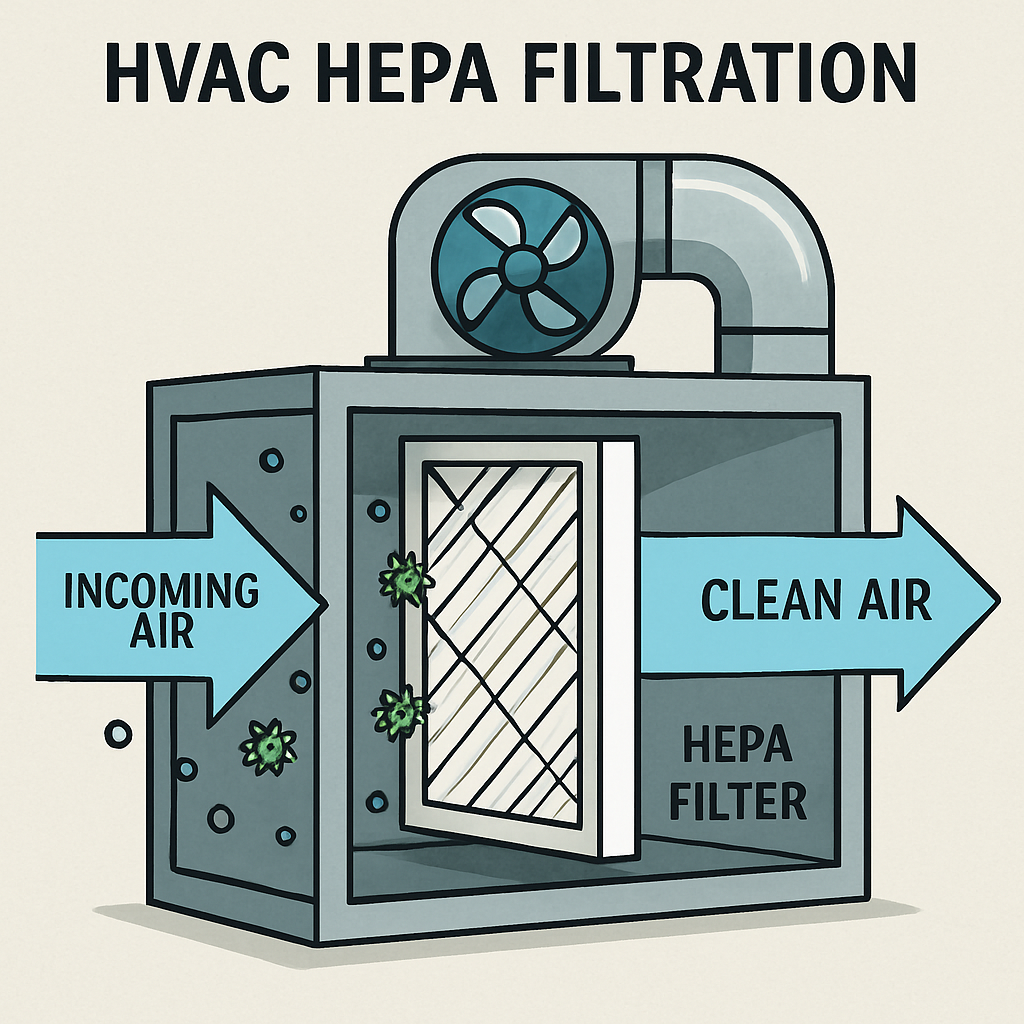
HEPA stands for High-Efficiency Particulate Air. True HEPA filtration captures 99.97% of particles at 0.3 microns.
Important distinctions:
- HEPA filters are far denser than standard HVAC filters
- They create significant airflow resistance
- They are not designed to fit into standard return filter slots
If a system was not designed to handle HEPA-level airflow resistance, HEPA filtration should not be added.
True HEPA filtration requires:
- A dedicated filtration cabinet or bypass system
- Additional ductwork
- Carefully engineered airflow control
Installing a HEPA filter where a standard filter belongs can restrict airflow and damage equipment.
Performance and Airflow Reality
Standard filters and HEPA filtration serve different roles.
- Standard filters: Balance airflow with basic particle capture
- HEPA systems: Prioritize microscopic particle removal and require controlled airflow
HEPA filtration does not make an HVAC system healthier by default.
If airflow is restricted, heating and cooling performance can decline, comfort can suffer, and system wear can increase.
Installation and System Compatibility
Standard HVAC Filters
- Designed for existing residential systems
- Easy to replace
- Minimal airflow impact when sized correctly
HEPA Filtration Systems
- Require separate housings and bypass designs
- Often include dedicated fans
- Must be engineered to avoid starving the HVAC system of airflow
Most residential HVAC systems are not built to support true HEPA filtration without modification.
Cost and Maintenance Differences
Standard Filters
- Low upfront cost
- Simple replacement
- Frequent changes required
HEPA Filtration
- Higher upfront installation cost
- More complex maintenance
- Expensive replacement filters
Maintenance consistency matters. A neglected HEPA system can restrict airflow and strain equipment just as easily as an improperly chosen standard filter.
Why Homeowners Ask About HEPA Filtration
Many homeowners explore HEPA filtration due to allergies, asthma, smoke exposure, pets, or general health concerns. These are valid reasons to think about air quality, but they do not automatically mean a home needs true HEPA filtration.
Matching the solution to the actual need is more important than the label on the filter.
Common Local Mistake to Avoid
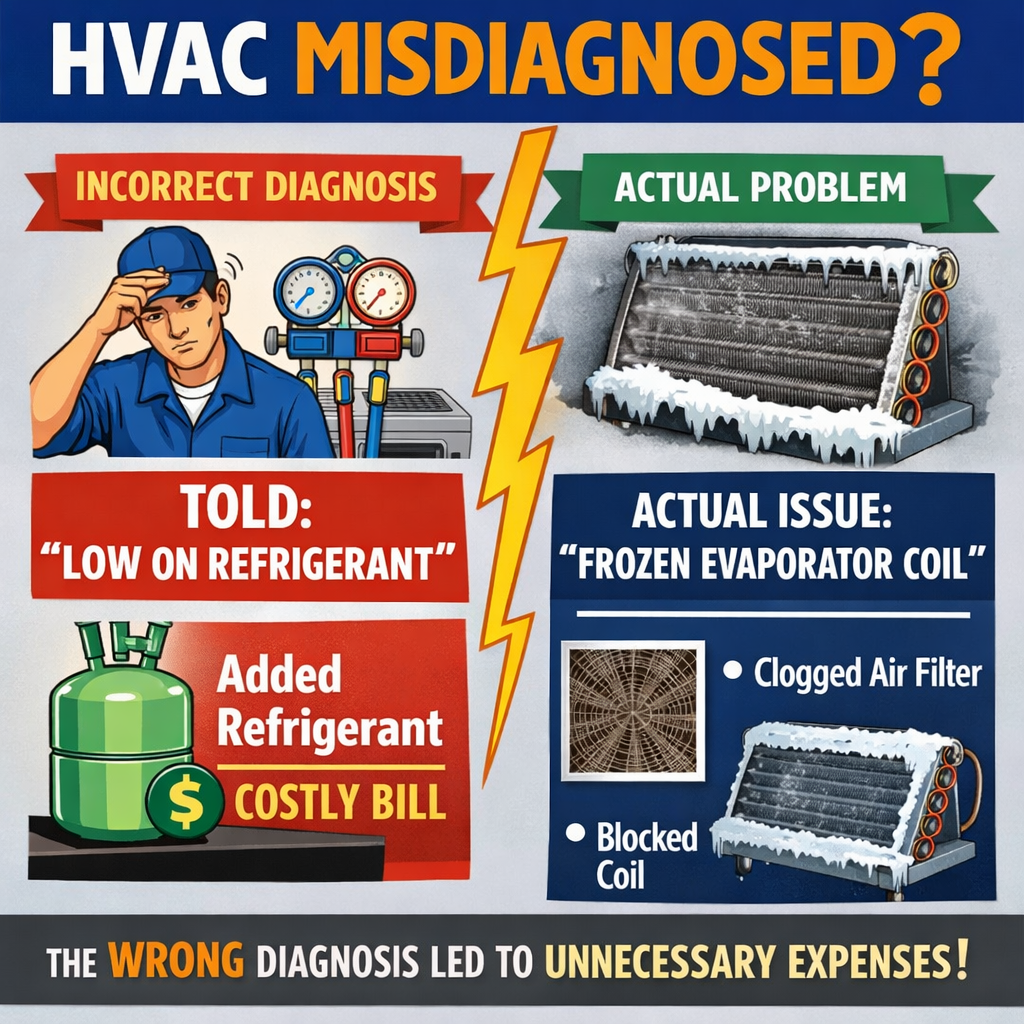
A common local mistake is installing a very dense or HEPA-style filter into a standard HVAC return. In Steubenville and Weirton homes, this often causes poor airflow, frozen coils, uneven temperatures, or premature blower failure.
Higher filtration is not better unless the system is designed for it.
Local Factors That Affect Filtration Choice
- Steubenville, OH: Older duct systems are sensitive to airflow restriction
- Weirton, WV: Multi-level homes depend on balanced airflow
- Wintersville, OH: Newer homes may support add-on IAQ systems
- Toronto, OH: River moisture increases particle buildup
- Mingo Junction, OH: Smaller systems are easily over-restricted
- Follansbee, WV: Compact duct layouts limit pressure tolerance
- Wellsburg, WV: Mixed housing stock requires system evaluation
- Brilliant, OH: Older equipment benefits from lower-resistance filtration
- New Cumberland, WV: Closet systems demand careful airflow planning
- Colliers, WV: Multi-story homes amplify imbalance issues
- Hooverson Heights, OH: Elevation and exposure increase dust infiltration
In the Ohio Valley, spring pollen, river humidity, and winter indoor air stagnation all influence filtration needs differently throughout the year.
A Real Local Example
A Steubenville homeowner installs a dense filter hoping to reduce allergy symptoms and instead experiences weak airflow and uneven heating. A properly designed HEPA bypass system—or a correctly sized standard filter—would improve air quality without compromising system performance.
Health and Air Quality Expectations
HEPA filtration is typically appropriate for:
- Severe respiratory sensitivities
- Medical-grade air quality needs
- Homes designed to support dedicated filtration systems
Standard HVAC filters are sufficient for:
- Most households
- Equipment protection
- Everyday indoor air concerns
Most residential homes do not require true HEPA filtration to maintain healthy indoor air.
Decision Shortcut for Ohio Valley Homes
If the goal is basic air cleanliness and system protection, a properly sized standard HVAC filter is usually the right choice. If the goal is medical-grade particle removal, a dedicated HEPA filtration system must be engineered into the HVAC design.
Filter upgrades should never compromise airflow.
Warranties and Long-Term Reliability
Airflow restriction caused by improper filtration can shorten equipment life and void warranties. Filtration decisions should always respect system design limits.
Honest Fix recommends filtration upgrades based on system capability and actual indoor air quality needs—not filter labels or trends.
FAQ
Is HEPA filtration worth it for homes in Steubenville and Weirton?
It can be, but only when installed as a dedicated system designed to handle HEPA airflow resistance. Most homes do not need true HEPA filtration.
Final Takeaway
Standard HVAC filters and HEPA filtration serve different purposes. Standard filters protect equipment and manage everyday dust. HEPA filtration targets microscopic particles but requires dedicated system design and higher investment. In the Ohio Valley, the best filtration choice balances air quality goals with airflow, comfort, and long-term system reliability.
Next Steps
If you’re considering an air filtration upgrade and want to understand what your HVAC system can safely support, Honest Fix can evaluate airflow, duct design, and air quality needs before recommending a solution.
Exact HVAC replacement quotes available at (740) 825-9408 or HonestFix.com/schedule-service.
Alex Largent is the Owner and Senior HVAC Efficiency Analyst at Honest Fix Heating, Cooling & Plumbing. With more than 20 years of field experience, NATE and EPA certifications, and a hands-on leadership style, Alex teaches his team to fix systems right the first time — with transparency, precision, and no upsells. He writes about HVAC diagnostics, home energy efficiency, and practical maintenance advice for homeowners across the Upper Ohio Valley. Read Alex Largent’s full bio to learn more about his expertise in the HVAC and Plumbing industry. Updated October 2025.