Quick Answer
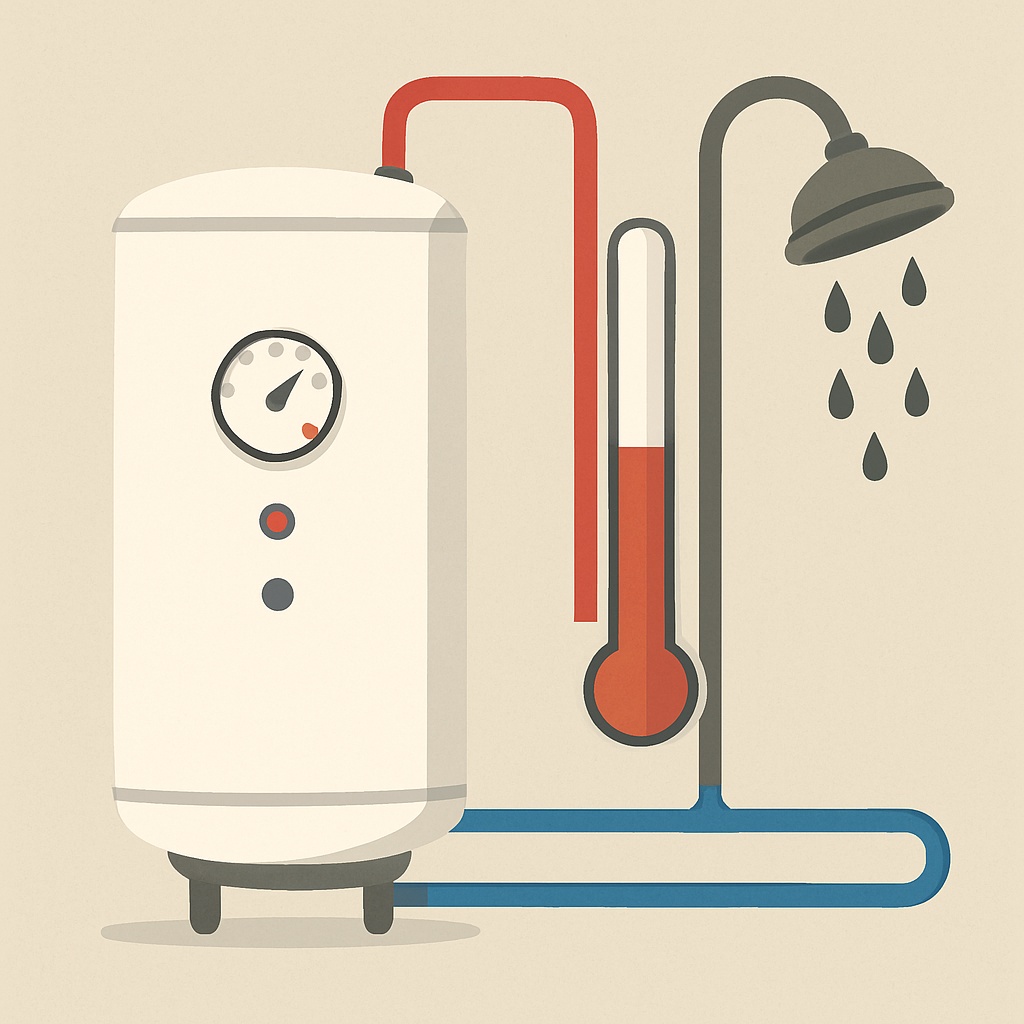
In Toronto homes, hot water usually disappears fast because sediment collects in the tank, heating elements weaken, dip tubes crack, or the tank is simply undersized. Hard water along the river flats, North River Avenue, and the Franklin Heights area speeds up these issues. Most problems are fixable unless the tank is leaking.
Hot-water loss is common in Toronto due to a mix of aging equipment and mineral-heavy water entering from the municipal supply. Homes near Ridge Avenue, Henley Street, and the downtown corridor often have older tanks installed in narrow basements. As sediment settles, it forms a barrier over the heating surfaces, shrinking the amount of usable hot water. The result is a short initial burst of heat followed by quick cooling, even when only one shower or appliance is running.
Dip tube wear is another frequent cause in local homes. When the tube breaks, cold water flows into the hot-water section at the top of the tank. Toronto residents often notice this as a steady shift from hot to lukewarm water within minutes, even though the tank still sounds like it is operating normally.
Tank size also plays a major role. Many Toronto homes—especially those built before the 1980s—still use 30- or 40-gallon tanks that no longer match updated bathrooms or growing households. In neighborhoods such as Franklin Heights and the Clark Street area, morning showers often run cold at consistent times. Moving to a larger tank or tankless unit usually solves these predictable shortages.
Gas water heaters can also lose output when burners fail to stay lit. Limited airflow in older riverfront basements can cause the burner to cycle off early, leaving the tank partly heated and unable to recover quickly between uses.
FAQs
Why does hot water cool so fast in my upstairs bathroom on the hillside streets?
Hillside plumbing runs are longer and lose heat before the water reaches upper floors, which highlights any weakness in the tank.
When should I consider replacing instead of repairing?
If the tank is leaking, heavily corroded, or past 12–15 years, replacement provides more reliable performance than repeated repairs.
Exact HVAC replacement quotes available at (740) 825-9408 or HonestFix.com/schedule-service.
Author: Alex Largent
Alex Largent
Alex Largent is the Owner and Senior HVAC Efficiency Analyst at Honest Fix Heating, Cooling & Plumbing. With more than 20 years of field experience, NATE and EPA certifications, and a hands-on leadership style, Alex teaches his team to fix systems right the first time — with transparency, precision, and no upsells. He writes about HVAC diagnostics, home energy efficiency, and practical maintenance advice for homeowners across the Upper Ohio Valley. Read Alex Largent’s full bio to learn more about his expertise in the HVAC and Plumbing industry. Updated October 2025.