Quick Answer
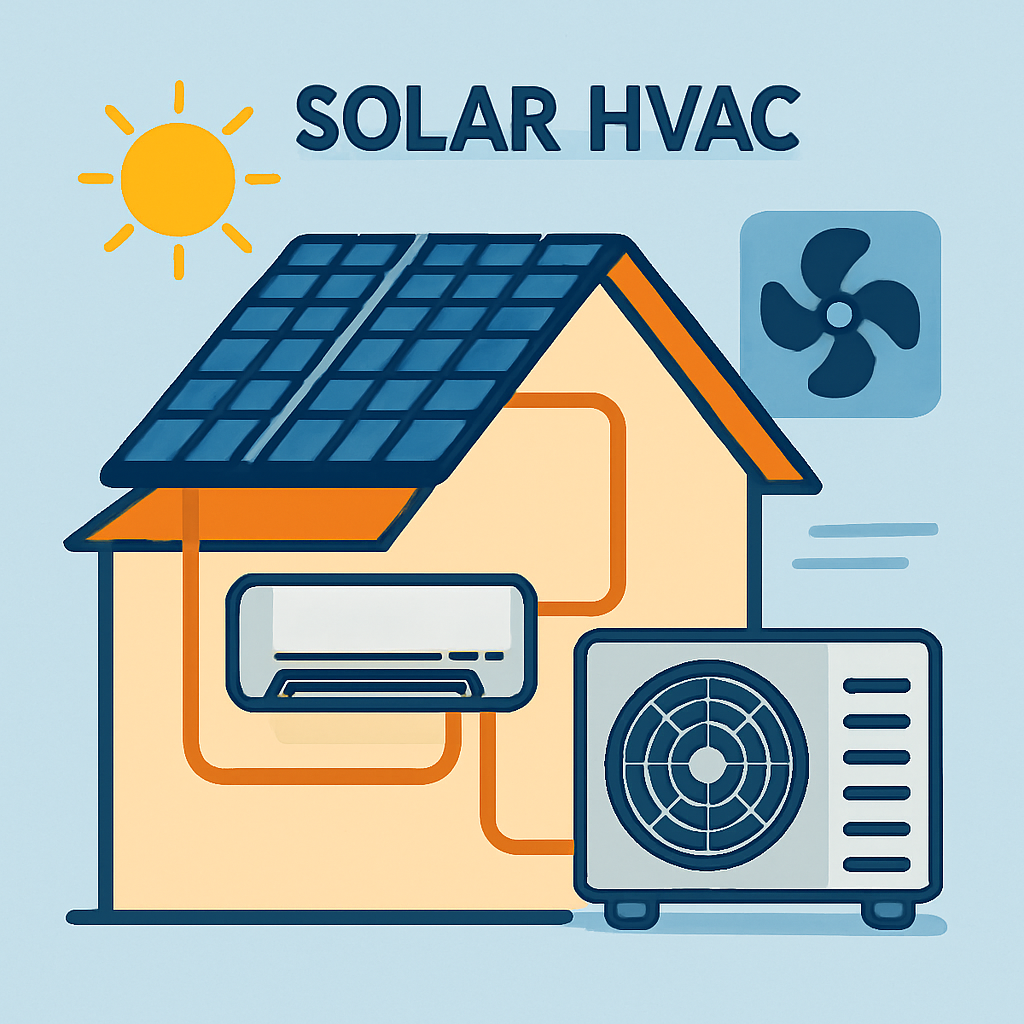
Solar-integrated HVAC systems use solar panels to offset some of the electricity required for heating and cooling, while conventional systems rely entirely on utility power or fuel. Solar panels do not directly heat or cool a home—they only offset electrical consumption when conditions allow. In Steubenville and Weirton, solar integration rarely produces reliable HVAC savings, while high-efficiency conventional systems deliver more predictable performance.
In the Ohio Valley, solar integration affects where energy comes from more than how comfortable the home feels.
How Solar-Integrated HVAC Systems Work
A solar-integrated HVAC system pairs a standard heating and cooling system—often a heat pump—with rooftop solar panels. The panels generate electricity that may offset HVAC power use during periods of adequate sunlight.
Key realities:
- Solar-integrated HVAC systems must remain fully connected to the electric grid to operate reliably
- HVAC systems still require full grid power when solar output is low
- Output varies by weather, season, and roof orientation
- Solar production does not align with peak winter heating demand
Many homeowners consider solar integration in pursuit of energy independence or protection from rising utility costs, even though HVAC operation itself does not change.
How Conventional HVAC Systems Differ
Conventional HVAC systems operate independently of solar production and rely on:
- Electricity from the utility
- Natural gas or propane for heating
- Continuous, predictable power availability
They deliver stable performance during cloudy weather, overnight hours, and winter conditions. In the Ohio Valley, where heating demand is highest during the least sunny months, this consistency is critical.
Why Solar Integration Rarely Performs Well Locally
In this region:
- Winter heating demand peaks when solar output is lowest
- Cloud cover and short daylight hours limit production
- Snow accumulation can reduce panel effectiveness
If the goal is reliable winter heating cost reduction, solar-integrated HVAC is usually not effective in the Ohio Valley. Solar integration does not change how an HVAC system heats or cools a home—it only offsets a portion of electrical use under favorable conditions.
Cost, Complexity, and Reliability Tradeoffs
Solar-Integrated HVAC Systems
Alex Largent
Alex Largent is the Owner and Senior HVAC Efficiency Analyst at Honest Fix Heating, Cooling & Plumbing. With more than 20 years of field experience, NATE and EPA certifications, and a hands-on leadership style, Alex teaches his team to fix systems right the first time — with transparency, precision, and no upsells. He writes about HVAC diagnostics, home energy efficiency, and practical maintenance advice for homeowners across the Upper Ohio Valley. Read Alex Largent’s full bio to learn more about his expertise in the HVAC and Plumbing industry. Updated October 2025.