Quick Answer:
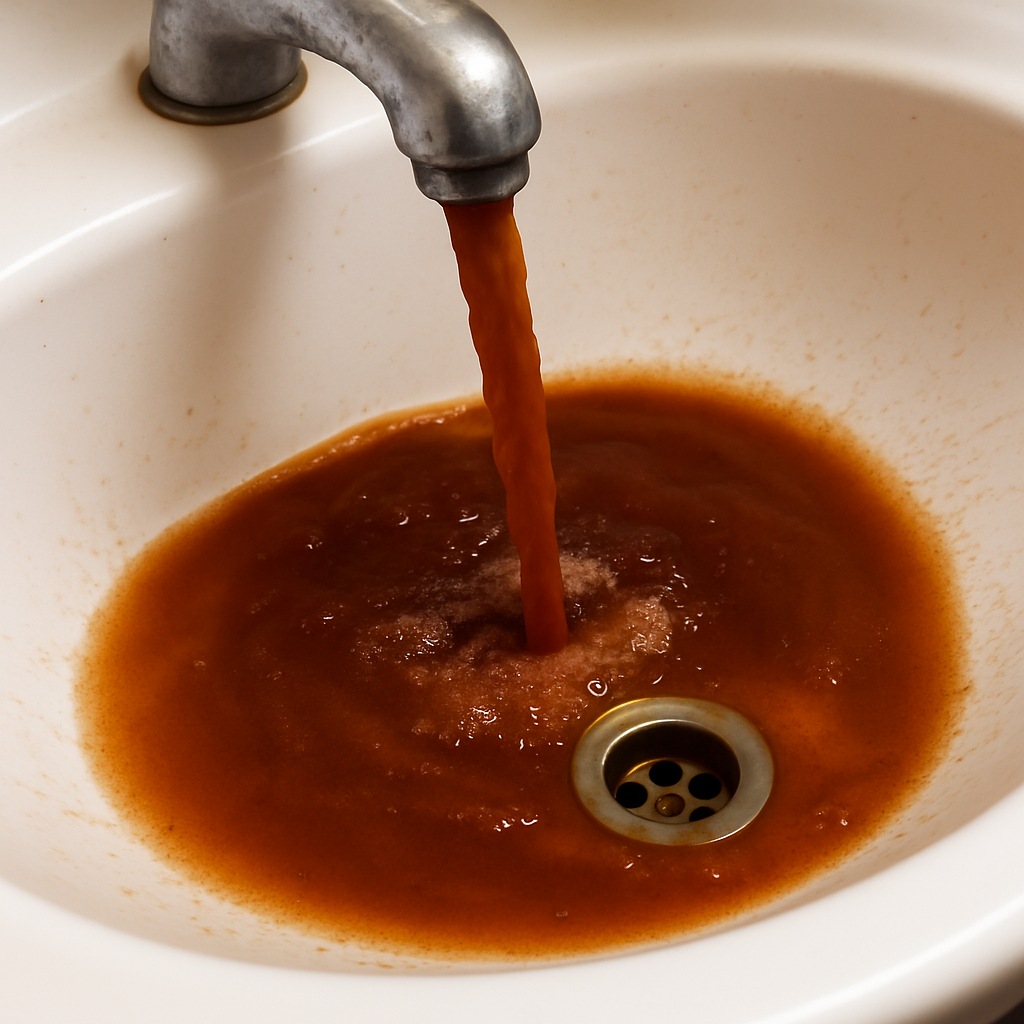
Brown or rusty water in Steubenville homes usually points to sediment buildup, corrosion inside the tank, or older galvanized pipes. If the issue appears only with hot water, your water heater is likely to blame. If both hot and cold are discolored, the cause may be in aging pipes or Jefferson County water mains after city line work.
Steubenville’s mix of older hilltop homes near Brady Estates and post-war houses along Sunset Boulevard often means aging plumbing paired with hard Ohio Valley water. Iron-rich minerals and steep elevation changes can stir sediment, while winter temperature swings stress older tanks and valves. Knowing whether the problem comes from your heater or your neighborhood supply is key to preventing damage.
Sediment and Hard Water: The Valley’s Most Common Cause
The Ohio River basin’s mineral content contributes to heavy sediment buildup inside water heaters. Calcium and iron settle at the bottom of tanks, overheating the burner and tinting the water brown. A yearly flush removes these layers before they thicken. Honest Fix technicians often find several inches of sludge in tanks from homes off University Boulevard or near John Scott Highway, especially when heaters are 8–12 years old.
Corrosion Inside Older Tanks
If brown water appears only on the hot side and doesn’t clear after draining a few gallons, corrosion inside the tank may be progressing. The anode rod—a metal core designed to prevent rust—can dissolve completely over time. Once that happens, the steel tank begins to corrode. Steubenville’s older natural-gas models are especially prone after a decade of service, and leaks may soon follow if left unchecked.
When City or Pipe Issues Are to Blame
If both hot and cold water show rust, the cause may lie beyond your heater. Many Steubenville homes built before 1960 still have galvanized pipes that flake internally. During water main repairs on Franklin Avenue or Pleasant Heights, sediment can enter the lines temporarily. Running cold water for several minutes or contacting the water department usually resolves it within a day.
FAQs
Q: My water turned brown after a city notice about maintenance—should I worry?
A: No immediate concern. City hydrant flushing or valve work often stirs mineral sediment. The water is usually safe but may stain laundry. Let it run clear before use.
Q: How much does it cost to fix rusty water from a water heater in Steubenville?
A: Minor flushes or anode rod replacements typically cost $250–$600. If the tank is corroded, replacements average $2925–$5950 depending on size and efficiency.
Exact HVAC replacement quotes available at (740) 825-9408 or HonestFix.com/schedule-service.
Author: Alex Largent
Alex Largent
Alex Largent is the Owner and Senior HVAC Efficiency Analyst at Honest Fix Heating, Cooling & Plumbing. With more than 20 years of field experience, NATE and EPA certifications, and a hands-on leadership style, Alex teaches his team to fix systems right the first time — with transparency, precision, and no upsells. He writes about HVAC diagnostics, home energy efficiency, and practical maintenance advice for homeowners across the Upper Ohio Valley. Read Alex Largent’s full bio to learn more about his expertise in the HVAC and Plumbing industry. Updated October 2025.