Quick Answer
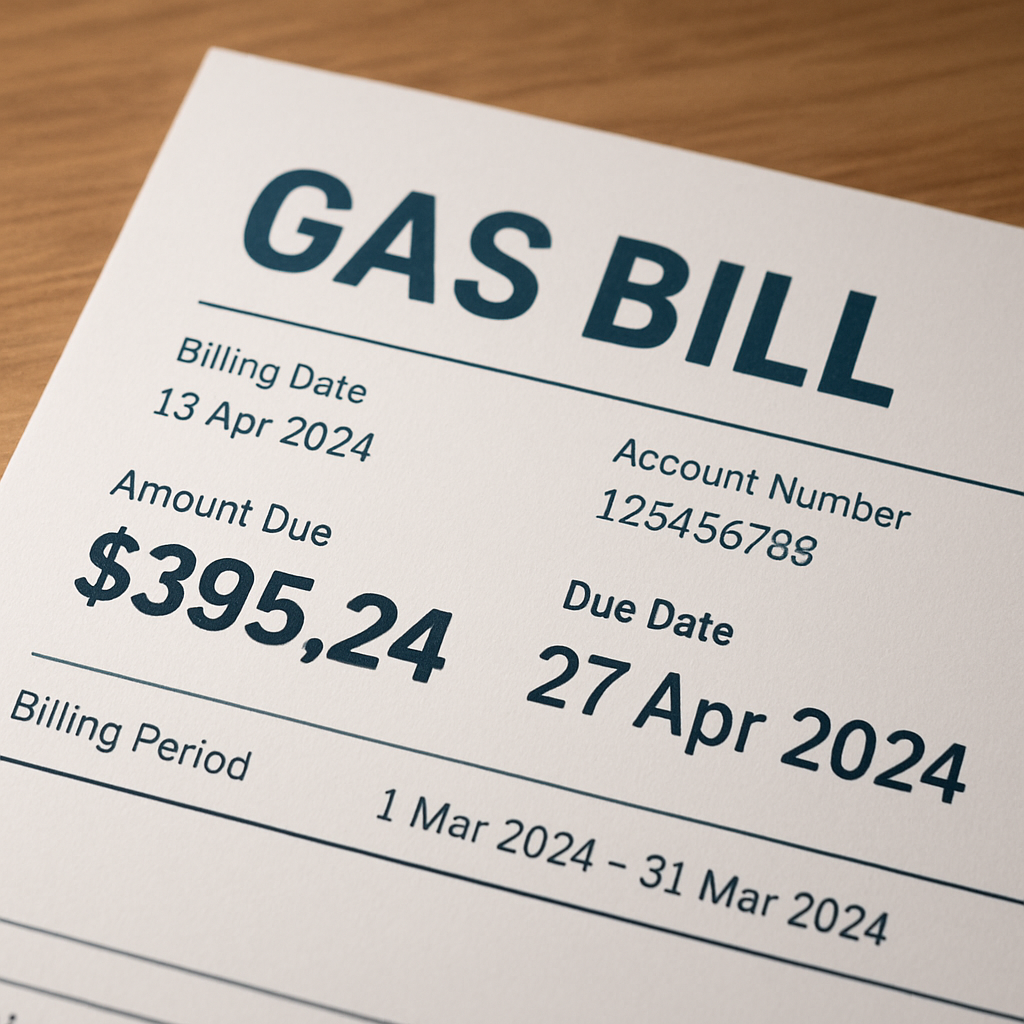
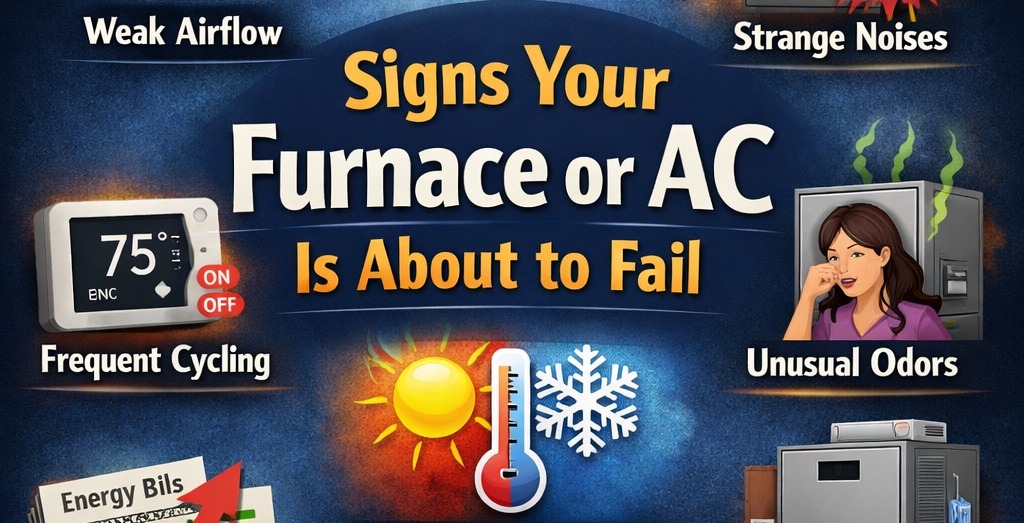
In New Cumberland, a sudden gas-bill spike usually means your furnace or water heater is running longer than normal. Clogged filters, short cycling, leaking ducts, and sediment inside gas water heaters all raise runtime—and higher runtime means higher fuel use, even with the same thermostat setting.
Homes around Ridge Avenue, the riverfront streets, and the neighborhoods near the high school often have older ductwork and mineral-heavy water that make these issues more noticeable.
Furnace and Duct Efficiency in New Cumberland
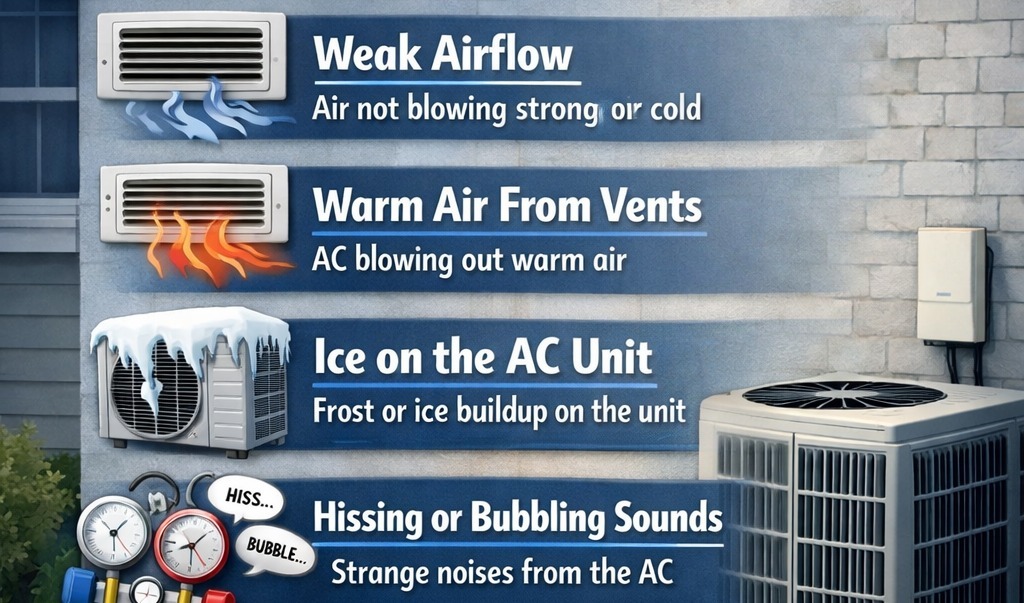
Filters that clog quickly reduce airflow and extend furnace cycles. Short cycling is another source of fuel waste, especially in older homes with oversized units.
Basement ducts in long-standing properties often leak warm air, forcing the furnace to reheat new air repeatedly.
Water Heater Sediment
Hard-water sediment forms quickly here, insulating the bottom of gas water heaters and causing longer burner cycles.
Rumbling or slow hot-water recovery usually indicates wasted fuel.
FAQs
Why does my bill rise during normal temperatures?
Hidden inefficiencies—airflow loss, leaks, or sediment—add runtime regardless of outdoor weather.
Exact HVAC replacement quotes available at (740) 825-9408 or HonestFix.com/schedule-service.
Author: Alex Largent
Alex Largent
Alex Largent is the Owner and Senior HVAC Efficiency Analyst at Honest Fix Heating, Cooling & Plumbing. With more than 20 years of field experience, NATE and EPA certifications, and a hands-on leadership style, Alex teaches his team to fix systems right the first time — with transparency, precision, and no upsells. He writes about HVAC diagnostics, home energy efficiency, and practical maintenance advice for homeowners across the Upper Ohio Valley. Read Alex Largent’s full bio to learn more about his expertise in the HVAC and Plumbing industry. Updated October 2025.