Quick Answer
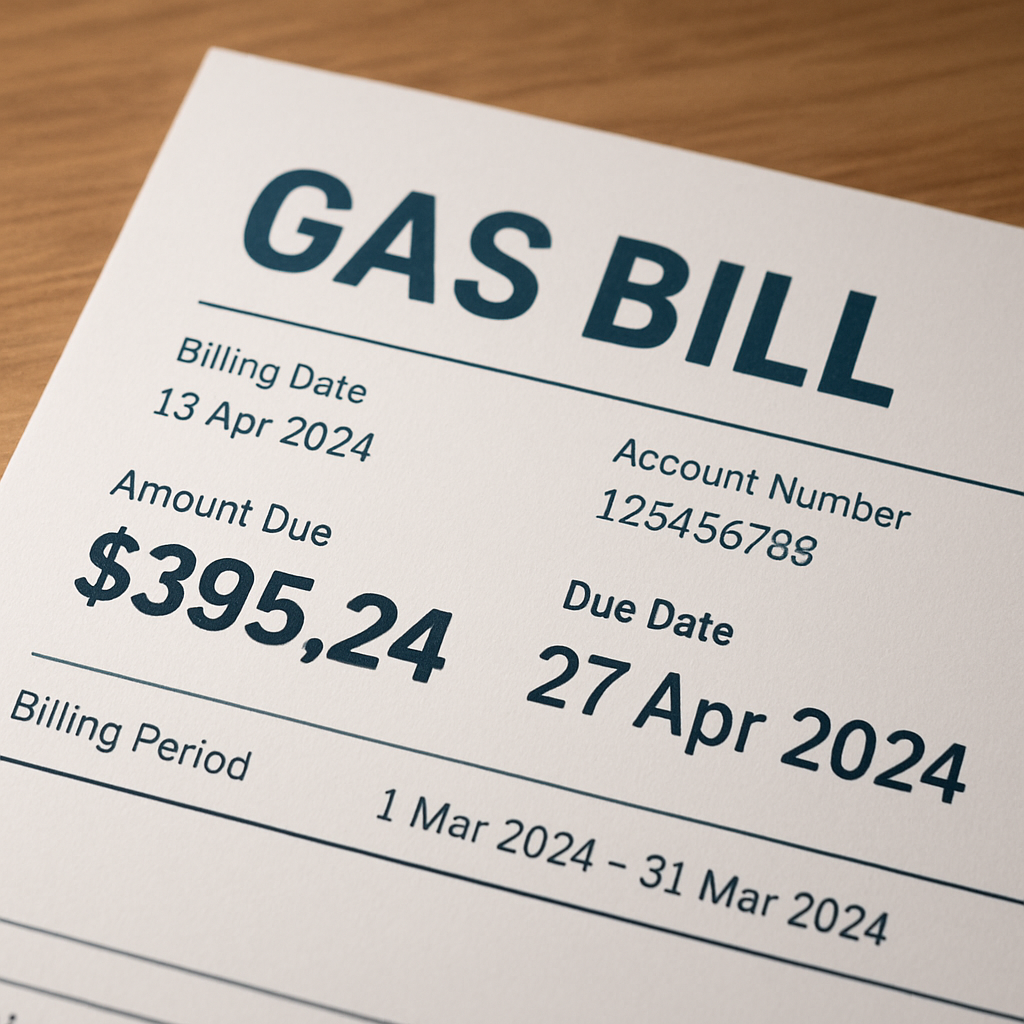
A sudden gas-bill increase in Wintersville usually means your furnace or water heater is running longer than normal. The most common causes are clogged furnace filters, short cycling, duct leaks in older basements, and sediment inside gas water heaters. Each issue raises runtime, which directly raises fuel use—even when the thermostat stays the same.
Wintersville homes—whether near Fernwood Road, Bantam Ridge, Leonard Avenue, or the residential pockets around Indian Creek schools—often have mixed-age ductwork, older insulation, and mineral-heavy water. These conditions make heating equipment work harder during cold snaps. When a bill spikes without a weather change, the system is typically losing efficiency somewhere inside the equipment.
Furnace Issues That Increase Gas Use in Wintersville
Restricted airflow is a leading factor. Many homes built before the 1990s have return ducts that allow filters to clog quickly. When airflow drops, the furnace stays on longer to reach set temperature.
Short cycling also raises fuel use. In several long-established neighborhoods, oversized systems restart frequently, wasting extra gas during each ignition. A failing limit switch or poor thermostat placement can intensify the pattern.
Duct Leakage in Older Basements
Basement duct leakage is common in Wintersville split-level and ranch-style homes. Aging metal ducts along Fernwood Road and John Scott Highway often loosen over time, allowing heat to escape into unconditioned areas.
When warm air leaks before reaching the living space, the furnace reheats replacement air repeatedly, increasing overall gas consumption.
Water Heater Sediment from Hard Water
Wintersville’s mineral-heavy water supply leads to sediment accumulation in gas water heaters. This buildup forces the burner to heat through a hardened layer before warming the tank.
Homeowners may notice rumbling sounds, slower hot-water recovery, or early runout—signs the burner is cycling more often and using more gas.
FAQs
Why does my bill climb even when temperatures stay steady?
Efficiency loss—airflow restrictions, leaks, or sediment—extends runtime regardless of outdoor conditions.
Is water-heater sediment common in Wintersville?
Yes. Mineral content in local water accelerates buildup, especially in older tanks.
Exact HVAC replacement quotes available at (740) 825-9408 or HonestFix.com/schedule-service.
Author: Alex Largent
Alex Largent
Alex Largent is the Owner and Senior HVAC Efficiency Analyst at Honest Fix Heating, Cooling & Plumbing. With more than 20 years of field experience, NATE and EPA certifications, and a hands-on leadership style, Alex teaches his team to fix systems right the first time — with transparency, precision, and no upsells. He writes about HVAC diagnostics, home energy efficiency, and practical maintenance advice for homeowners across the Upper Ohio Valley. Read Alex Largent’s full bio to learn more about his expertise in the HVAC and Plumbing industry. Updated October 2025.