Your water heater runs every day, all year, with no off-season, so wear builds up quietly until a leak or a cold shower forces the issue. A $129 water heater maintenance visit gets ahead of it, with a clear, honest read on your tank and a heads-up on anything that needs attention. Qualifying repairs are backed by Service Trust Guardian coverage.
Licensed Contractor · NATE-Certified · BBB Accredited · 5.0 ★ Google · Family-Owned
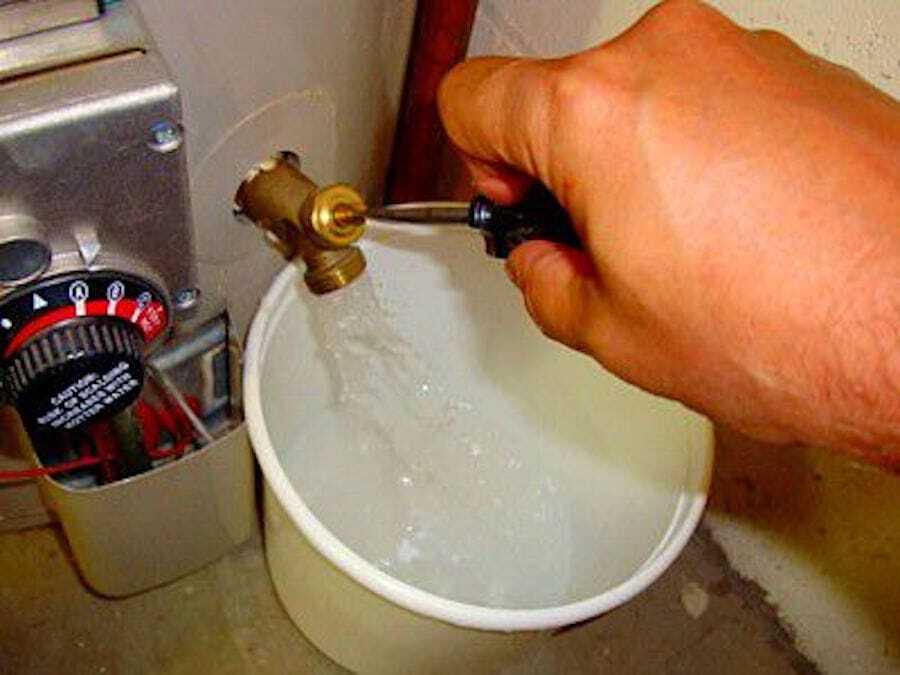
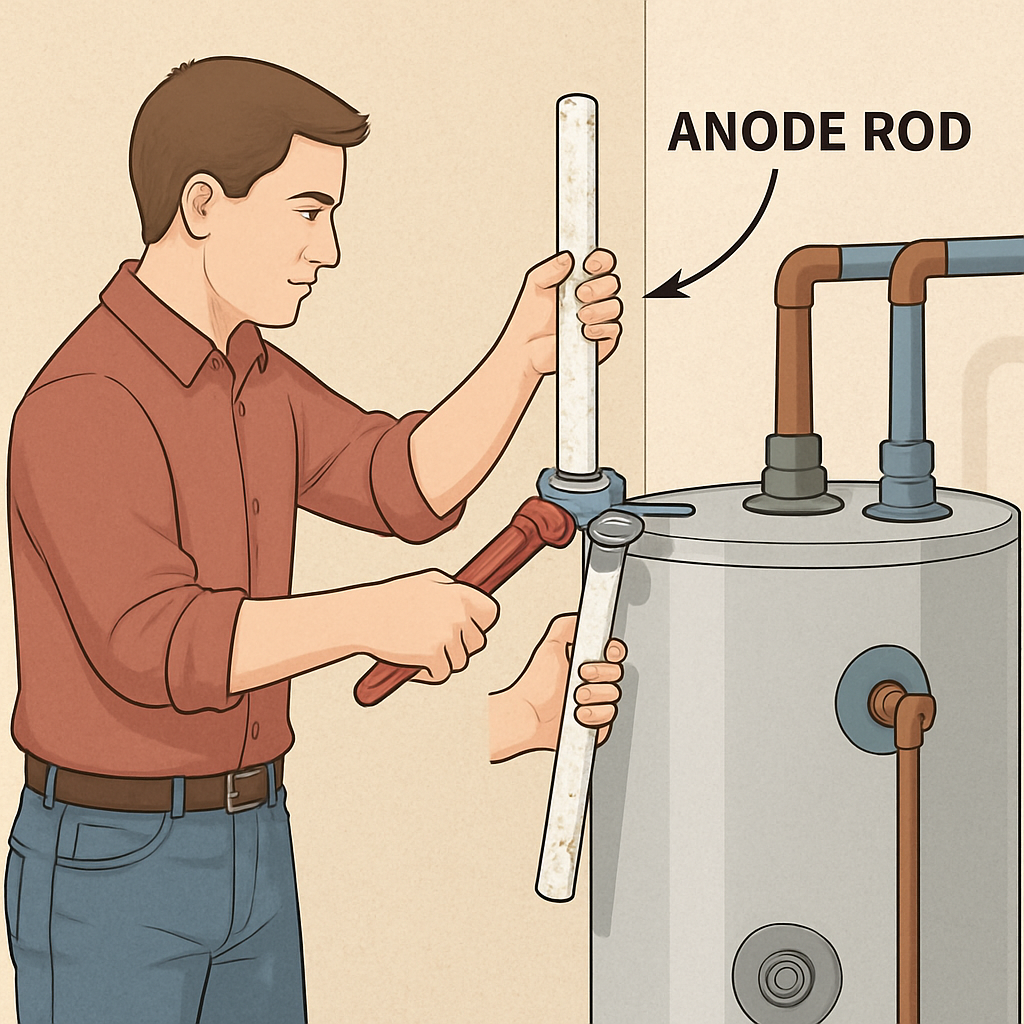
Your technician flushes the tank, inspects the anode rod, tests the T&P safety valve, and checks the burner or elements and connections. You leave with a written summary of your system's condition.
$129, flat, with a plain-language report on what your technician finds. Want ongoing coverage? The Priority Service Maintenance Plan ($19/month) includes your annual water heater tune-up.
You get the honest version: which findings can wait, which need attention now, and what each fix would take. Approved repairs are backed by Service Trust Guardian coverage.
Most water heater wear stays out of sight until it becomes a problem. Homes in the Steubenville and Weirton area draw hard water from the Ohio River, carrying iron and manganese that build up as sediment in a tank and scale in a tankless heat exchanger. By the time you notice cold showers or a puddle on the floor, the small fix has usually turned into a bigger one.
Sediment in a tank and scale in a tankless heat exchanger crowd out hot water and choke flow, so you run out faster than you used to.
That buildup insulates the heat from the water, so your unit works harder and your energy bill creeps up.
A spent anode lets a tank corrode from the inside, and untreated scale eats the tankless heat exchanger, the priciest part to replace.
A stuck T&P valve, unchecked venting, popping, or an off smell are early signals a tune-up catches before they become emergencies.
A water heater tune-up should do more than check a box. Honest Fix flushes the tank, inspects what is wearing, and explains the findings in plain language so you can make the right call before the system fails, not after.
Schedule Water Heater Tune-up Explore Our GuaranteesHonest Fix looks at how your water heater is performing, pulls the anode rod for inspection, and gives you clear findings, not vague answers.
If something is wearing (a depleted anode, a stuck T&P valve, a heating element on its way out), your technician points it out in plain terms so you can deal with it on your schedule, not during an outage.
Honest Fix helps you improve recovery rate, reduce strain on the heating element or burner, and keep your system running as well as it can. If a water heater repair visit is the better next step, your technician will tell you straight.
Qualifying repairs are backed by our Service Trust Guardian, including a 5-year labor warranty and a free return visit if the same issue comes back within 30 days. If the system is at end of life, Honest Fix can walk you through a new water heater without pressure.
Honest Fix logs every yearly visit, which protects your manufacturer warranty and helps the tank last longer. Ask about the Priority Service Maintenance Plan if you want yearly water heater maintenance bundled with your HVAC tune-ups.
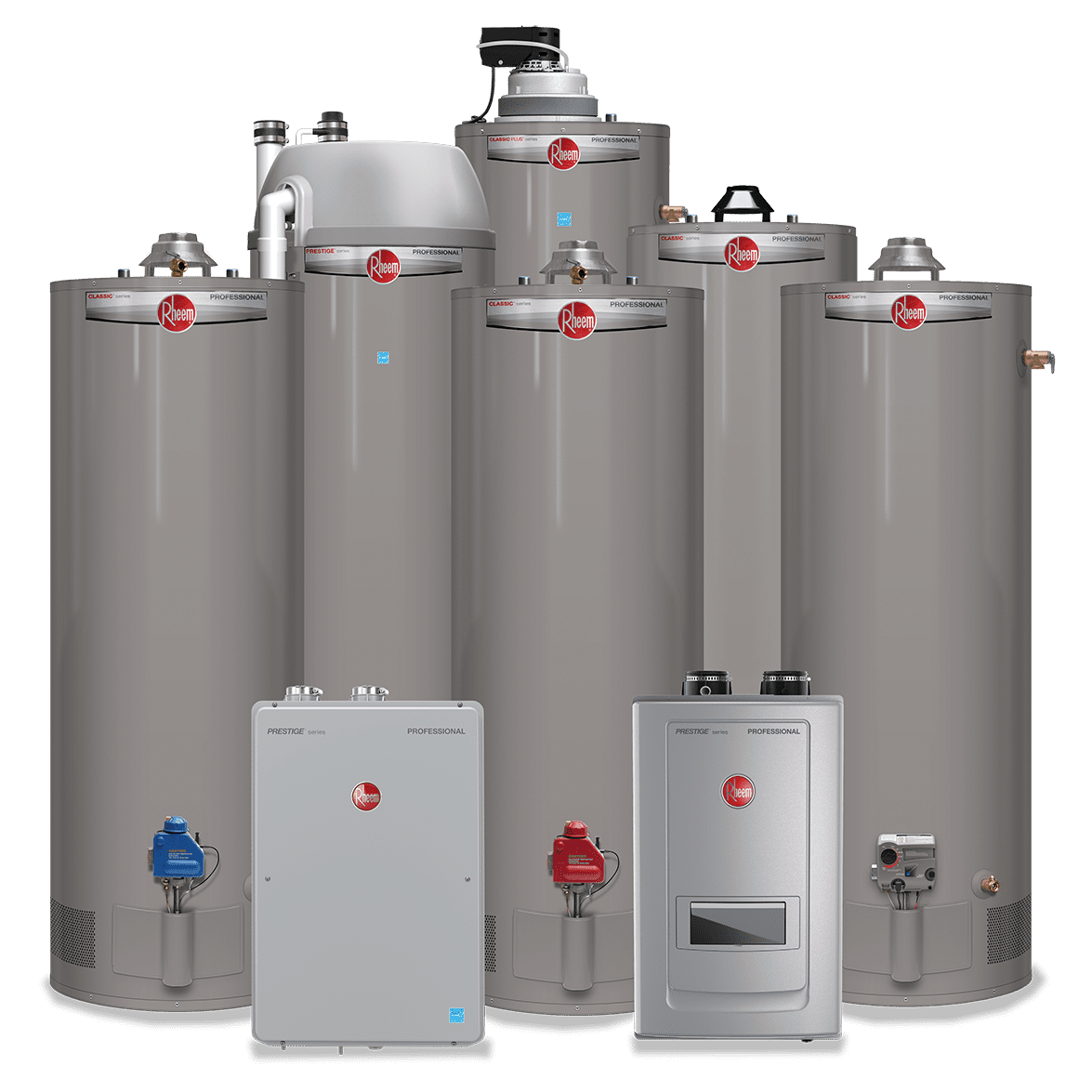
As a Rheem® Pro Plumber, Honest Fix services Rheem tank and tankless water heaters according to manufacturer specifications and local plumbing code.
For you, that means proper venting checks, correct gas pressure verification, accurate water line review, and a full maintenance pass done the right way. Your technician services your water heater to factory standards and stands behind the work.
Hot water should never be left to guesswork. Honest Fix maintains your system carefully, documents the work properly, and stands behind every visit.
Your technician works through the parts that affect performance, safety, and lifespan. The steps below are for a tank system; a tankless tune-up instead descales the heat exchanger, cleans the inlet filter, and checks the flow sensor.
Here's what you can expect:
A good water heater tune-up is not just about checking parts. It helps your system run more reliably, deliver hot water more consistently, and gives you a better chance to catch small issues before they turn into a leak or a no-hot-water morning.
Clearing sediment from a tank, or scale from a tankless heat exchanger, lets the heat reach the water the way the manufacturer designed, not through a layer of buildup.
Routine maintenance helps uncover smaller issues (a corroded anode, a worn element, a stuck T&P valve) before they turn into a leak or an outage.
A clean, well-tuned water heater usually has a better chance to operate with less wasted energy. That is meaningful for a system running every day, all year.
On a tank, maintaining the anode rod keeps it from corroding from the inside; on a tankless unit, regular descaling protects the heat exchanger. Staying on schedule adds years to either one.
You get a better understanding of how your water heater is running and whether anything needs attention now.
Yearly documented maintenance helps support warranty validity and keeps you current for service-related protections.
Allen P. - Water Heater & HVAC System Installation · Upper Ohio Valley · May 2026
Mary G. - Water Heater & HVAC Installation · Upper Ohio Valley · January 2026
Scheduling a water heater tune-up takes a minute, and the visit itself follows three plain steps. No mystery, no runaround, just a clear read on your water heater.
Pick a time that fits your week and Honest Fix puts your water heater on the calendar.
Your technician performs a detailed water heater tune-up that checks performance, safety, and early signs of wear.
Before your technician leaves, you get a clear explanation of what your tank needs now, what to keep an eye on, and what is in good shape.
A standard tune-up includes a sediment flush of the tank, an anode rod pull and inspection, a temperature and pressure (T&P) relief valve test, an expansion tank pre-charge check, a check of the burner or heating elements, a thermostat verification, and an inspection of the gas or electric connections. Your technician explains each finding in plain language before they pack up.
A water heater tune-up is $129. For that flat rate you get the full maintenance visit and a plain-language read on where your tank stands, so a worn anode or a tired heating element turns up on a scheduled visit instead of on a cold morning. Prefer to spread it out? The Priority Service Maintenance Plan folds your yearly water heater tune-up into $19 a month with priority scheduling and member pricing on repairs and equipment.
Most residential tank water heaters benefit from a yearly tune-up. Homes with hard water see more sediment buildup and may benefit from an inspection more often. Tankless systems should also be serviced yearly, with the inlet filter check as a standard task and descaling as needed to clear mineral buildup. If your water heater has not been maintained in several years, the first tune-up usually has more work involved.
Any time of year works because water heaters do not have a seasonal off-cycle. Many homeowners pair it with a furnace tune-up in fall or an AC tune-up in spring, so all the household maintenance lands on one visit. If you are noticing capacity loss, popping sounds, or rising energy bills, sooner is better.
Sometimes. The biggest efficiency gain comes from flushing sediment off the bottom of the tank. Once sediment is between the burner or heating element and the water, your unit has to work harder for the same amount of hot water. A tune-up restores the heat transfer path the manufacturer designed.
No. A tune-up catches early wear and addresses it before it turns into bigger problems, but parts still fail, especially on older units. What a tune-up does is help you make the repair-vs-replace decision earlier and with better information.
You hear it straight, before your technician leaves. They walk you through what they found on the tank: what is fine, what is worth keeping an eye on, and what should be handled now. If something needs fixing, approved repair work is backed by our Service Trust Guardian (full terms in the guarantee question below). Here is what a water heater repair visit looks like.
Often, yes. Manufacturers commonly require documented maintenance to honor full warranty terms on tank or tankless units. A documented yearly tune-up from Honest Fix gives you a record that helps support warranty validity if a covered part fails.
Think of it by how your water heater is behaving. A tune-up is preventive: the tank is still making hot water reliably and the visit keeps it there, so your technician flushes sediment, checks the anode rod and T&P valve, and catches wear before it spreads. A repair visit is for a water heater that has already gone wrong, like no hot water, a puddle at the base of the tank, rusty water, or popping and rumbling from sediment baked onto the burner. If a tune-up turns up something that needs a repair, your technician shows you exactly what they found and you decide the next move.
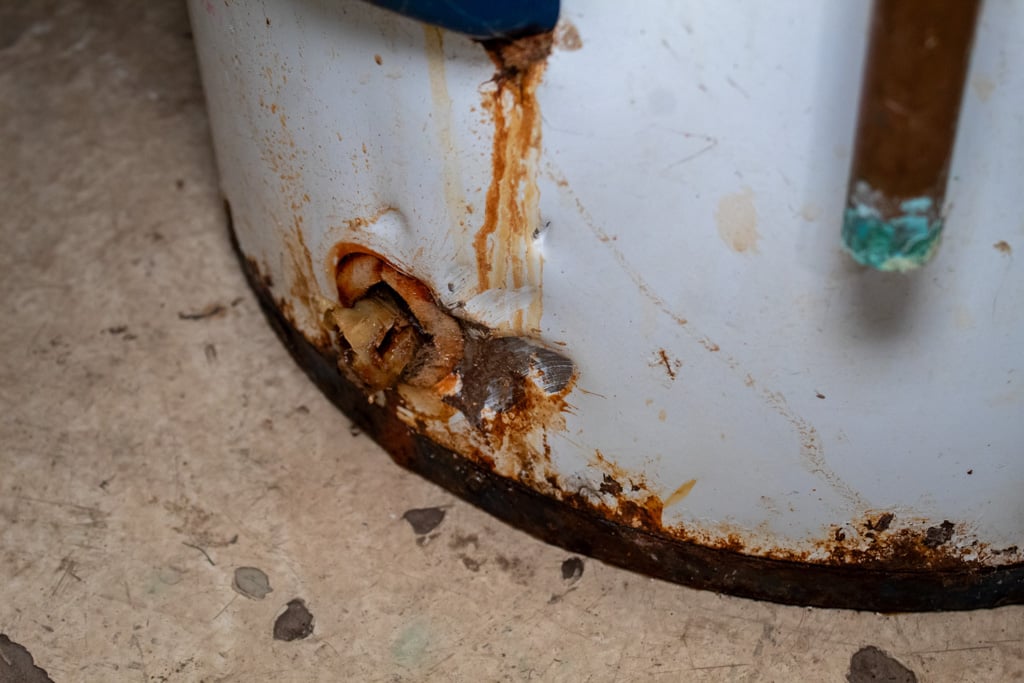
Then you need a repair visit, not a tune-up. A leak, water pooling at the base of the tank, no hot water, or heavy corrosion at the fittings are signs the water heater already has a problem to diagnose, and sometimes a replacement to weigh. A tune-up is for a tank that is working and you want to keep that way. If yours is not, get the repair handled first, then put it on a yearly tune-up schedule once it is healthy again.
Yes. The honest part comes first: you get a straight read on your tank, never a push toward work you do not need. If a repair does come out of the visit and you approve it, that repair carries Service Trust Guardian protection, a 5-year labor warranty, a 60-day satisfaction guarantee, and a free 30-day return visit if the same issue returns. The labor coverage holds as long as you keep your water heater on documented yearly maintenance with Honest Fix. See the full Service Trust Guardian terms.
Once a year is the right cadence for most homes in the Steubenville and Weirton area, and the hard, mineral-heavy water drawn from the Ohio River here is the reason. Draining removes the sediment that settles on the bottom of the tank and acts as an insulator between the burner or heating element and the water above it. Because local water carries more iron and manganese than the national average, twice a year is the safer cadence for many homes, and a documented yearly drain at minimum keeps capacity, efficiency, and tank lifespan where they should be.
Five things keep a water heater running well: drain the tank once a year to clear sediment, inspect the anode rod every 1 to 3 years and replace it once more than half of it is consumed, test the T&P relief valve once a year to make sure it opens and closes correctly, check around the connections and base of the tank for any moisture or corrosion, and keep the temperature set at 120 degrees (hot enough for daily use, low enough to limit scalding risk and slow scale formation). Most homeowners hand the first three off to a professional; the rest can be done in five minutes.
Most anode rods need replacement every 3 to 5 years, but the right answer depends on your water chemistry and how often you use hot water. Hard water and high usage shorten the rod's lifespan. The anode rod is the sacrificial part that corrodes so your tank does not. Once it is gone, the tank starts corroding from the inside, and that is what turns into a leak. During a maintenance visit, your technician pulls the anode rod, checks how much of it is left, and tells you straight whether it should be replaced now or still has life. As a rule, Honest Fix replaces the rod once more than half of it is consumed, before the tank starts corroding from the inside.
Tankless systems need yearly maintenance just like tank systems, but the tasks are different. A standard tankless maintenance visit covers cleaning the inlet water filter, checking the flow sensor, and inspecting the gas line, venting, and ignition control on gas tankless units. Tankless systems also need periodic descaling to remove mineral buildup from the heat exchanger, which is the most common cause of longer warm-up times, error codes during peak demand, and shorter system life. A standard tankless maintenance visit from Honest Fix is $129, or $239 when it includes descaling.
Explore clear, practical articles to help you make confident decisions about your home’s heating, cooling, and plumbing.
Hot water is easy to take for granted, right up until a cold shower or a puddle by the tank. A yearly tune-up keeps your water heater off that path: flush the sediment, check the anode rod and T&P valve, and handle small wear while it is still cheap to fix.
When you book, your technician gives your tank an honest once-over, explains what they find in plain words, and tells you what is worth doing now and what can wait. No pressure. No upsells. Just honest fixes.