The Engineering Truth: Why Rheem’s Direct Spark Ignition Beats the Competition
March 17th, 2026
4 min read
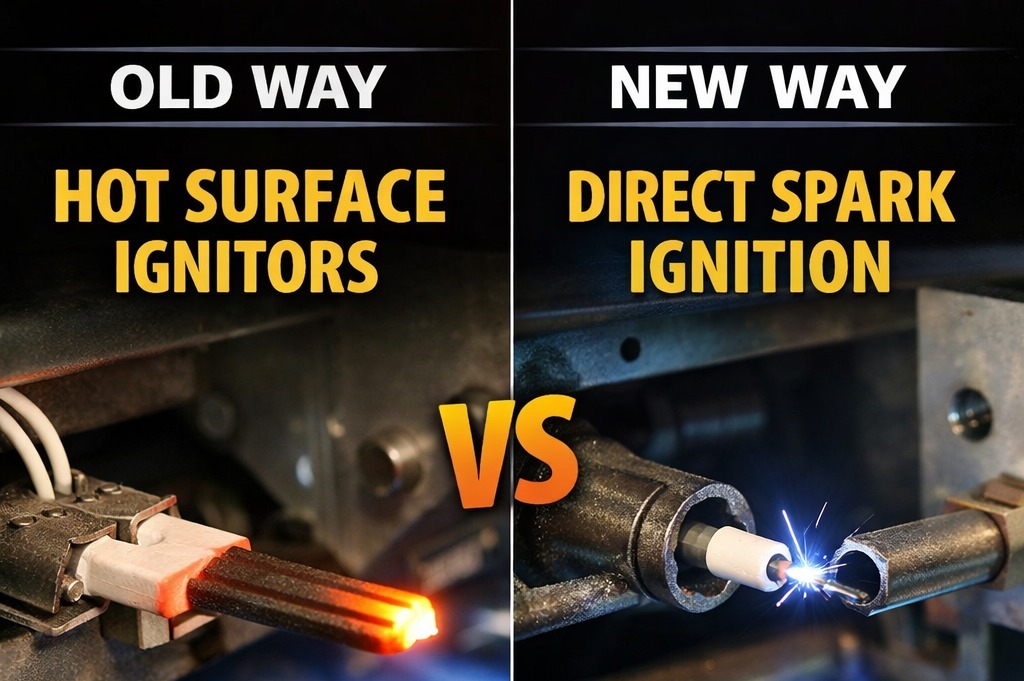
Why Rheem Direct Spark Ignition Is Different
Quick Answer:
Most furnaces ignite gas using Hot Surface Ignitors (HSI) that heat a fragile ceramic rod until it glows. Rheem uses Direct Spark Ignition (DSI), which creates a spark between metal electrodes to ignite the gas instantly. DSI systems typically last far longer, improving furnace reliability during cold winter conditions.
Why Furnace Ignition Reliability Matters
Quick Answer:
Ignition systems determine whether a furnace starts reliably in cold weather. When ignition components fail, the furnace cannot light the burners, causing complete heating loss during winter.
In my 30 years overseeing HVAC installations across Ohio, I’ve responded to countless late-night emergency calls.
Many of those calls happen during extreme cold snaps when temperatures drop well below zero across the Upper Ohio Valley.
The furnace is running normally all winter.
Then suddenly it stops lighting.
The most common culprit across the HVAC industry is the ignitor.
Most major manufacturers—including brands like Carrier and Trane—use Hot Surface Ignitors (HSI).
Rheem took a different engineering path.
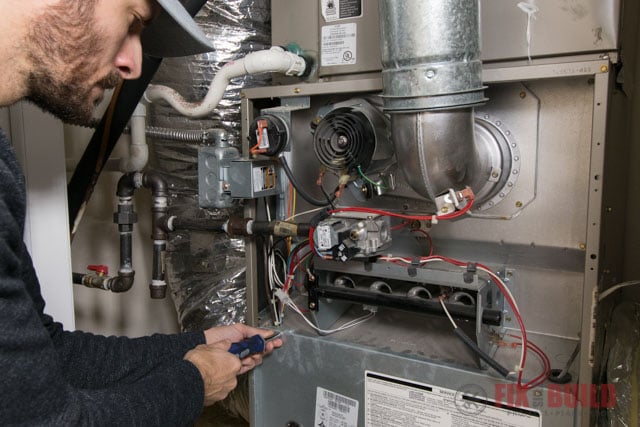
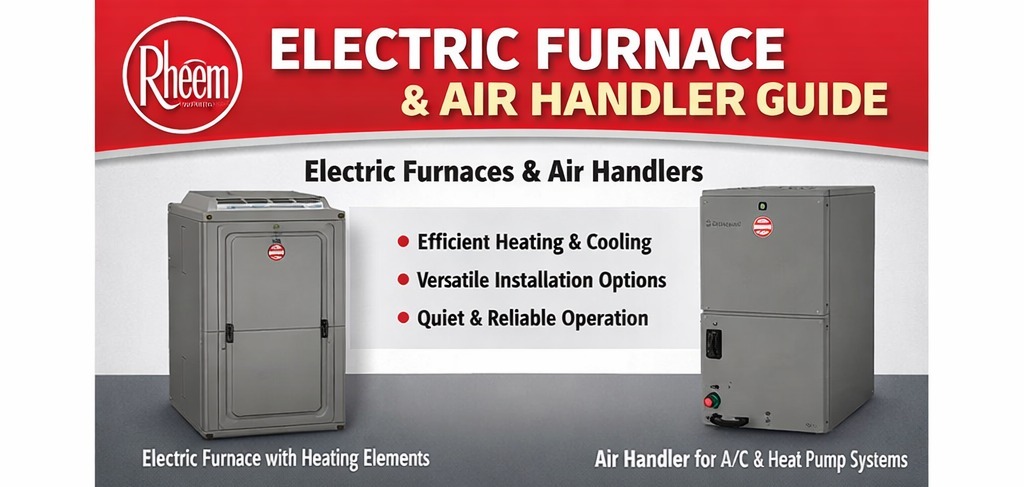
Modern Rheem furnaces use Direct Spark Ignition, which removes the fragile ceramic ignitor entirely.
At Honest Fix Heating, Cooling & Plumbing, we install these systems as a Rheem Pro Partner and Authorized Rheem Service Provider, ensuring ignition components are calibrated according to factory specifications.
Homeowners can verify equipment performance and certification through the Air-Conditioning, Heating, and Refrigeration Institute equipment directory:
https://www.ahridirectory.org
Efficiency guidance from the U.S. Department of Energy is available here:
https://www.energy.gov/eere/buildings/consumer-furnaces
What Is a Hot Surface Ignitor (HSI)?
Quick Answer:
A Hot Surface Ignitor is a ceramic heating element that glows extremely hot to ignite furnace gas. The ignitor acts like a lightbulb filament and gradually weakens after thousands of heating cycles.
HSI ignition systems operate similarly to an old incandescent lightbulb.
When the thermostat calls for heat:
- Electricity flows through a ceramic ignitor.
- The ignitor heats until it glows white hot.
- Gas flows across the ignitor and ignites.
This design is simple but has several weaknesses.
Why HSI Systems Often Fail
| Failure Cause | Explanation |
|---|---|
| Thermal fatigue | Repeated heating cycles make the ceramic brittle |
| Contamination | Skin oil or dust can cause cracking |
| Limited lifespan | Many ignitors fail after 3–5 years |
These failures are especially common in humid basement environments found throughout the Ohio Valley.
How Rheem Direct Spark Ignition Works
Quick Answer:
Direct Spark Ignition uses high-voltage electricity to create a spark across metal electrodes that ignite the gas immediately. This eliminates the fragile heating element used in Hot Surface Ignitor systems.
Instead of heating a ceramic rod, Rheem furnaces generate a high-voltage electrical spark.
This spark jumps between two metal electrodes positioned near the burners.
The spark ignites the gas instantly.
The process is similar to the ignition system used in:
- gas grills
- commercial kitchen ovens
- industrial burners
Because the system relies on metal electrodes instead of ceramic filaments, it tends to last much longer.
Why Direct Spark Ignition Is More Durable
| Feature | Hot Surface Ignitor | Rheem Direct Spark |
|---|---|---|
| Startup delay | 17–45 seconds | Nearly instant ignition |
| Fragility | Ceramic element | Metal electrodes |
| Typical lifespan | 3–5 years | Often life of furnace |
| Moisture resistance | Low | High |
This design advantage is part of Rheem’s PlusOne™ ignition platform used in Prestige and Endeavor furnace systems.
What Is Flame Rectification and Why It Matters
Quick Answer:
Flame rectification verifies that the furnace burners are actually lit. Rheem furnaces measure a small electrical signal through the flame sensor to confirm safe operation.
Even the most reliable ignition systems require monitoring.
Rheem furnaces confirm flame presence using flame rectification technology.
The control board measures a small electrical signal through the flame.
A healthy system should produce about:
2.0 microamps (µA)
If the signal drops below that level, the furnace shuts down the gas valve.
This prevents unburned gas from entering the system.
During annual maintenance, technicians often clean the flame sensor to maintain this signal.
Carbon buildup can weaken the reading and trigger nuisance shutdowns.
Why Federal HVAC Tax Credits Changed in 2026
Quick Answer:
Federal HVAC tax incentives under Sections 25C and 25D expired December 31, 2025 following passage of the One Big Beautiful Bill Act (OBBBA). Systems installed in 2026 typically no longer qualify for these credits.
Many HVAC websites still advertise federal tax credits.
However, the law changed in 2025.
IRS reference:
https://www.irs.gov/newsroom/one-big-beautiful-bill-provisions
Because of this change, most incentives now come from local utility programs rather than federal programs.
Where Ohio Homeowners Can Still Find Heating Incentives
Quick Answer:
Although federal credits ended, some local energy programs still provide assistance for heating upgrades or energy efficiency improvements.
One common program in the region is the Columbia Gas WarmChoice program.
https://www.columbiagasohio.com/energy-efficiency/for-your-home/income-eligible-weatherization
The program may provide:
- home energy inspections
- insulation improvements
- heating system upgrades for eligible households
Rheem Ignition System FAQs
Is Rheem the only brand that uses Direct Spark Ignition?
Quick Answer:
Rheem is one of the few major furnace manufacturers that standardizes Direct Spark Ignition across its residential product lines, while many competitors continue using Hot Surface Ignitors.
The design helps improve startup reliability during cold weather.
Why does my Rheem furnace make a clicking sound when it starts?
Quick Answer:
The clicking sound is the spark generated by the Direct Spark Ignition system. It is the electrical arc jumping between the electrodes to ignite the gas.
This sound is normal and indicates the ignition system is functioning correctly.
Can ignition problems cause carbon monoxide leaks?
Quick Answer:
Ignition failures usually prevent the furnace from starting. However, poorly maintained burners or delayed ignition can place stress on the heat exchanger over time.
Cracked heat exchangers can allow carbon monoxide to escape into the home.
Carbon monoxide safety information from the Consumer Product Safety Commission:
https://www.cpsc.gov/Safety-Education/Safety-Education-Centers/Carbon-Monoxide-Information-Center/Home-Heating-Equipment
How do I know if my HVAC technician understands Rheem ignition systems?
Quick Answer:
Technicians working on advanced furnace systems should hold recognized HVAC certifications and understand ignition calibration procedures.
Homeowners can verify technician credentials through North American Technician Excellence (NATE):
https://natex.org/contractor/verify-a-nate-id
What Guarantees Do You Offer?
Quick Answer:
Honest Fix protects homeowners with two major guarantee programs. New installations include a 15-year labor warranty, while repairs include a 5-year labor warranty, backed by written service guarantees.
Lifetime Trust Shield — Installations
Installation protection includes:
- 15-year labor warranty on HVAC systems
- 90-day money-back satisfaction guarantee
- no-lemon system replacement protection
- energy savings guarantee
Coverage requires annual maintenance.
Service Trust Guardian — Repairs
Repair coverage includes:
- 5-year labor warranty on qualifying repairs
- 60-day money-back service guarantee
- no overtime charges for emergency calls
- on-time arrival guarantee
These protections reduce the risk of repeat repairs.
Need an Ignition System Inspection?
At Honest Fix, we don’t rely on guesswork.
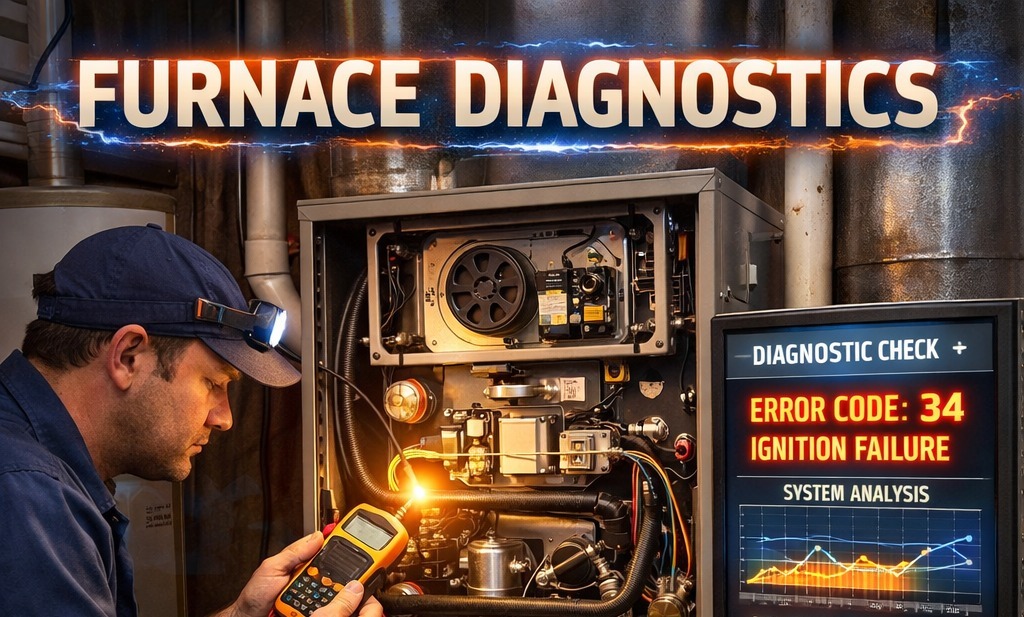
Our technicians use precision diagnostic tools to measure ignition performance, flame rectification signals, and combustion safety.
As a Rheem Pro Partner and Authorized Rheem Service Provider, we calibrate ignition systems according to Rheem factory specifications.
Whether you live in Steubenville, Weirton, Wintersville, or Toronto, we provide:
- free exact quotes
- professional furnace inspections
- ignition diagnostics and maintenance
Tired of unreliable furnace startup?
Contact Honest Fix today for a professional system evaluation.
Scott Merritt is a co-founder of Honest Fix Heating, Cooling and Plumbing and brings more than 30 years of experience across HVAC, leadership, and industry education. He serves in a senior leadership and oversight role, providing licensed guidance, reviewing HVAC educational content, and supporting technician training and documentation standards. Prior to co-founding Honest Fix, Scott founded and owned Fire & Ice Heating & Air Conditioning in Columbus, Ohio, which he operated for more than two decades before selling the company in 2025. During that time, he led programs and partnerships including Carrier Factory Authorized Dealer, Trane Comfort Specialist, and Rheem Pro Partner, helping establish high technical and training standards. Scott is the Ohio State HVAC license holder for Honest Fix and provides licensed oversight to help ensure work meets applicable codes and manufacturer requirements. Learn more about Scott’s background and role at Honest Fix by viewing his full leadership bio.