Rural Ohio Rheem Support: Propane Conversions, Oil Recalls & Replacement Math
March 17th, 2026
4 min read
Rural Rheem Furnace Options for Homes Without Natural Gas
Quick Answer:
Homes outside the natural gas grid often rely on propane (LP) or legacy heating oil furnaces. Modern Rheem systems can operate on propane with proper conversion kits, but older oil furnaces—especially models built between 2006 and 2008—may pose safety risks due to documented recalls. Rural homeowners should evaluate fuel efficiency, safety updates, and long-term operating costs before upgrading.
Why Rural Heating Systems Require Different Planning
Quick Answer:
Homes without natural gas service must rely on delivered fuels such as propane or heating oil, which fluctuate in price and require different furnace configurations. Proper fuel compatibility, burner sizing, and venting are critical for safety and efficiency.
Across Jefferson and Harrison counties, many homes sit outside the natural gas pipeline network.
Those homes often depend on:
- liquid propane (LP)
- heating oil
- or hybrid heating systems
Because these fuels burn differently than natural gas, furnace configuration becomes more important.
At Honest Fix Heating, Cooling & Plumbing, we help rural homeowners upgrade outdated systems as a Rheem Pro Partner and Authorized Rheem Service Provider, ensuring new installations meet manufacturer safety and efficiency standards.
Energy efficiency guidance for furnaces is available from the U.S. Department of Energy:
https://www.energy.gov/energysaver/furnaces-and-boilers
System performance and matched equipment ratings can also be verified through the Air-Conditioning, Heating, and Refrigeration Institute equipment directory:
https://www.ahridirectory.org
Why Many Contractors Recommend Replacing Oil Furnaces
Quick Answer:
Oil furnaces require more maintenance than gas or electric systems and produce heavier combustion residue. Aging oil systems may also lack modern safety controls and efficiency features found in newer heating equipment.
Many rural homes still operate Rheem or Ruud oil furnaces from the early 2000s.
These units can run for decades, but they require specialized maintenance:
- oil burner cleaning
- combustion tuning
- nozzle replacement
- high-voltage ignition service
Because of the cost and complexity of oil service, many contractors now recommend transitioning to:
- propane furnaces
- electric heat pumps
- hybrid heating systems
These systems typically offer cleaner combustion and simpler maintenance.
What Was the 2009 Rheem Oil Furnace Recall?
Quick Answer:
A recall issued by the Consumer Product Safety Commission identified certain Rheem and Ruud oil furnaces manufactured between 2006 and 2008 with a wiring defect. The issue could allow the oil burner to continue firing if the blower motor failed, creating an overheating risk.
According to CPSC Release #09-104, certain oil furnaces had a wiring issue affecting blower safety controls.
The Potential Hazard
If the blower motor stopped working, the oil burner could continue operating.
Without airflow, the heat exchanger could overheat and potentially cause a fire.
How to Identify Affected Models
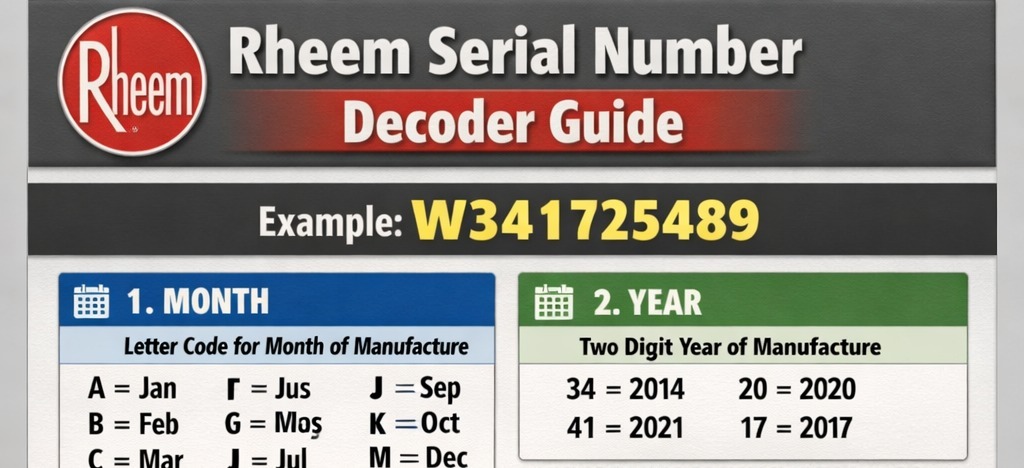
Check your furnace serial number.
If the four digits following the letter M fall between 0106 and 5208, the unit may have been included in the recall.
CPSC safety information:
https://www.cpsc.gov/Safety-Education/Safety-Education-Centers/Carbon-Monoxide-Information-Center/Home-Heating-Equipment
Because these units are now nearly 20 years old, many HVAC professionals recommend replacing them rather than continuing repairs.
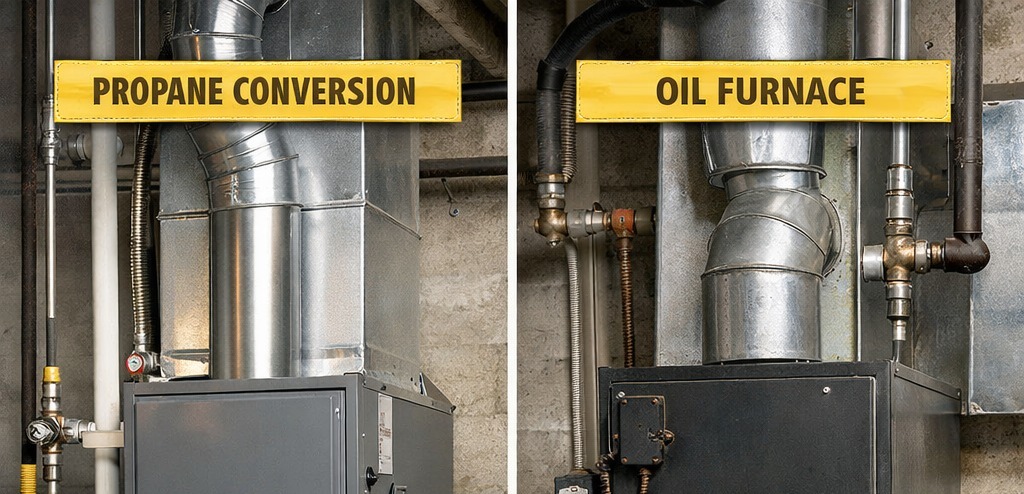
How Propane Furnace Conversions Work
Quick Answer:
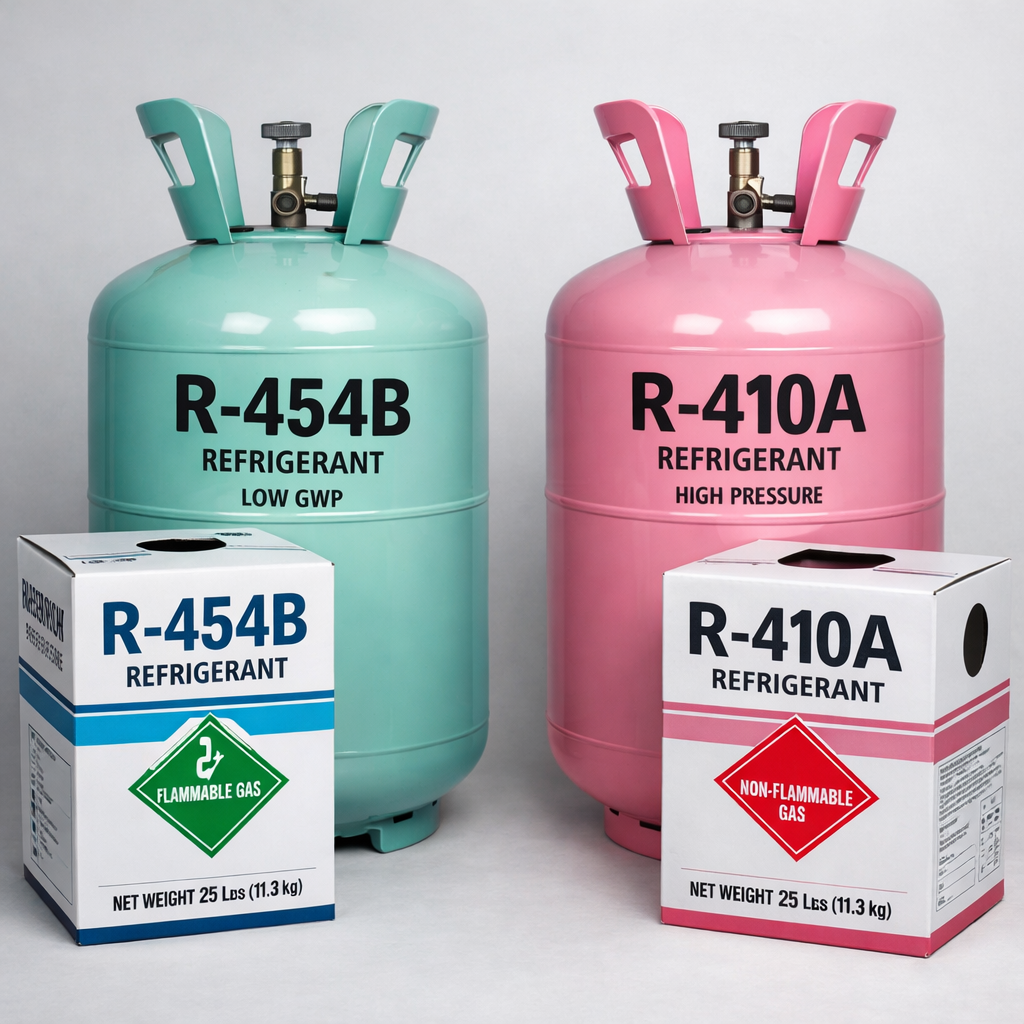
Propane operates at higher pressure than natural gas, so furnaces must use smaller burner orifices and specialized conversion kits. Without proper conversion components, combustion problems such as soot buildup and overheating can occur.
Modern Rheem furnaces are typically shipped configured for natural gas.
When installed in rural areas, technicians must convert the furnace to LP fuel.
Typical Propane Conversion Steps
- install smaller burner orifices
- adjust gas valve pressure
- install LP conversion kit
- verify combustion performance
On modern Rheem furnaces, the rating plate includes a fuel code indicating compatibility.
Some modulating furnaces require additional components such as stepper-valve kits to operate correctly on propane.
Skipping these steps can shorten equipment life and reduce efficiency.
Why High Efficiency Matters for Propane Heating
Quick Answer:
Because propane is typically more expensive than natural gas, high-efficiency furnaces with AFUE ratings of 95–98% are recommended to minimize fuel consumption and operating costs.
Propane is a delivered fuel.
Prices fluctuate based on:
- seasonal demand
- transportation costs
- supplier contracts
For rural homeowners, furnace efficiency becomes extremely important.
Example Comparison
| Furnace Efficiency | Fuel Waste | Operating Impact |
|---|---|---|
| 80% AFUE | 20% fuel loss | Higher propane costs |
| 95% AFUE | 5% fuel loss | Improved efficiency |
| 98% AFUE | 2% fuel loss | Maximum fuel savings |
Because propane costs more than natural gas in most regions, installing a high-efficiency furnace is often essential to control winter heating bills.
What Happened to Federal HVAC Tax Credits?
Quick Answer:
Federal HVAC tax credits under Sections 25C and 25D expired December 31, 2025 following passage of the One Big Beautiful Bill Act (OBBBA). Systems installed in 2026 generally do not qualify for the previous federal incentives.
Many HVAC websites still reference these programs.
However, the law changed in 2025.
IRS reference:
https://www.irs.gov/newsroom/one-big-beautiful-bill-provisions
Because of this change, many rural homeowners now rely on local assistance programs instead.
Are There Assistance Programs for Rural Ohio Homeowners?
Quick Answer:
Some rural households may qualify for energy efficiency assistance programs, which provide home inspections or heating system replacement support.
One program available in many Ohio communities is the Columbia Gas WarmChoice program.
https://www.columbiagasohio.com/energy-efficiency/for-your-home/income-eligible-weatherization
The program may provide:
- home energy inspections
- insulation improvements
- heating system upgrades for eligible households
Rural Rheem Furnace FAQs
Is propane more expensive than natural gas in Ohio?
Quick Answer:
Yes. Propane usually costs more than natural gas because it must be delivered by truck and stored on site. This makes furnace efficiency extremely important for controlling heating costs.
High-efficiency furnaces reduce propane consumption significantly during winter.
Can I keep using my oil furnace until it fails?
Quick Answer:
Many oil furnaces operate for 20 years or more, but aging systems lack modern safety controls and efficiency features. Rising oil prices and maintenance costs often make replacement a better long-term option.
Signs replacement may be necessary include:
- rusted heat exchangers
- soot buildup
- poor combustion performance
Do propane furnaces require special thermostats?
Quick Answer:
Some high-end modulating furnaces operate best with communicating thermostats, which allow the furnace to adjust heating output precisely.
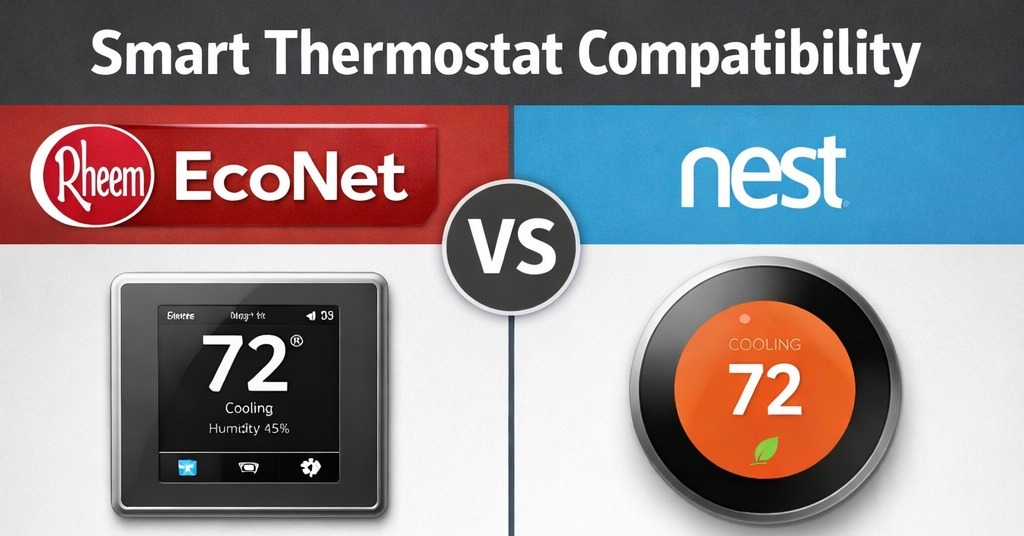
For example, Rheem modulating furnaces can use the EcoNet communicating thermostat to achieve full modulation performance.
Using standard thermostats may limit these features.
How do I verify my HVAC installer is qualified?
Quick Answer:
HVAC technicians working with propane or oil systems should hold recognized industry certifications and follow national fuel gas codes.
Homeowners can verify technician credentials through North American Technician Excellence (NATE):
https://natex.org/contractor/verify-a-nate-id
These certifications confirm training in modern HVAC installation standards.
What Guarantees Do You Offer?
Quick Answer:
Honest Fix protects homeowners with two major guarantee programs. New installations include a 15-year labor warranty, while repairs include a 5-year labor warranty, backed by written service guarantees.
Lifetime Trust Shield — Installations
Installation protection includes:
- 15-year labor warranty on new HVAC systems
- 90-day money-back satisfaction guarantee
- no-lemon system replacement protection
- energy savings guarantee
Coverage requires annual maintenance.
Service Trust Guardian — Repairs
Repair protection includes:
- 5-year labor warranty on qualifying repairs
- 60-day money-back service guarantee
- no overtime charges for emergency calls
- on-time arrival guarantee
These guarantees reduce the risk of repeat repair costs.
Need an Upgrade Quote for Your Rural Heating System?
At Honest Fix, we specialize in rural heating conversions and system replacements.
Our technicians perform Manual J load calculations to ensure your new furnace is correctly sized for your home and climate conditions.
As a Rheem Pro Partner and Authorized Rheem Service Provider, we install propane and hybrid heating systems according to Rheem engineering standards.
Whether you live in Steubenville, Weirton, Wellsburg, or rural Jefferson County, we offer:
- free exact quotes
- propane conversion consultations
- oil-to-propane or oil-to-electric upgrade options
Ready to move beyond heating oil?
Contact Honest Fix today.
Scott Merritt is a co-founder of Honest Fix Heating, Cooling and Plumbing and brings more than 30 years of experience across HVAC, leadership, and industry education. He serves in a senior leadership and oversight role, providing licensed guidance, reviewing HVAC educational content, and supporting technician training and documentation standards. Prior to co-founding Honest Fix, Scott founded and owned Fire & Ice Heating & Air Conditioning in Columbus, Ohio, which he operated for more than two decades before selling the company in 2025. During that time, he led programs and partnerships including Carrier Factory Authorized Dealer, Trane Comfort Specialist, and Rheem Pro Partner, helping establish high technical and training standards. Scott is the Ohio State HVAC license holder for Honest Fix and provides licensed oversight to help ensure work meets applicable codes and manufacturer requirements. Learn more about Scott’s background and role at Honest Fix by viewing his full leadership bio.