Rheem Furnace Pilot Light Guide: Relighting and Thermocouple Troubleshooting
March 17th, 2026
5 min read
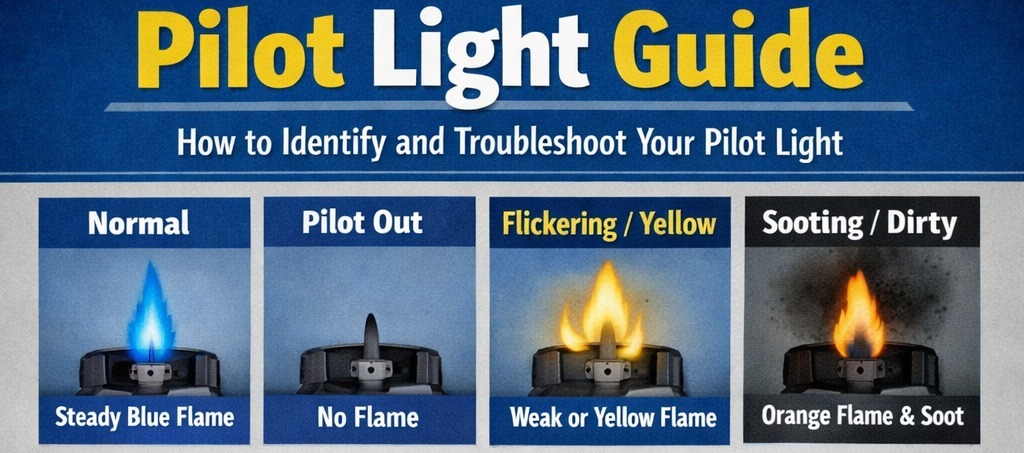
Rheem Furnace Pilot Light Troubleshooting Guide
Quick Answer:
Older Rheem furnaces built before the 1990s often use a standing pilot light and thermocouple safety circuit instead of modern electronic ignition. If the pilot won’t stay lit, the cause is usually a dirty pilot orifice, weak thermocouple signal, or airflow issue. Correct diagnosis ensures safe furnace operation.
Why Some Rheem Furnaces Still Use Pilot Lights
Quick Answer:
Standing pilot furnaces were common from the 1960s through the late 1980s. These systems use a continuously burning flame to ignite the burners when heat is needed. While reliable, they are less efficient than modern electronic ignition systems.
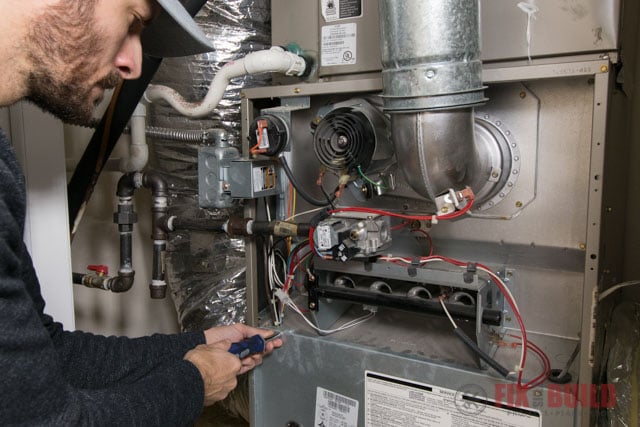
In my 30 years overseeing HVAC systems across Ohio, I’ve encountered many older Rheem furnaces still operating in homes across the Upper Ohio Valley.
Many of these systems were built in the 1980s and were designed for durability.
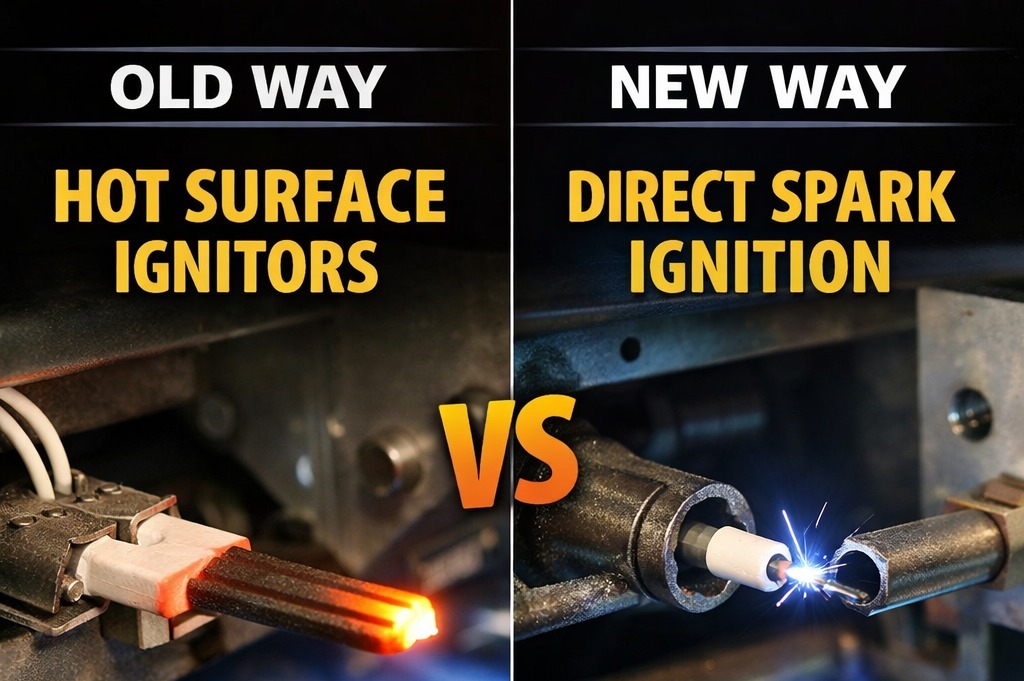
Unlike modern Rheem systems that use Direct Spark Ignition, these older furnaces rely on a standing pilot flame. When the pilot goes out, the furnace cannot start.
That doesn’t always mean the furnace needs replacement. Often the problem involves the thermocouple safety circuit.
At Honest Fix Heating, Cooling & Plumbing, we service both modern and legacy equipment as a Rheem Pro Partner and Authorized Rheem Service Provider, ensuring repairs follow manufacturer safety procedures.
Home heating safety guidelines from the U.S. Department of Energy:
https://www.energy.gov/energysaver/home-heating-systems
Original system efficiency ratings can also be verified through the Air-Conditioning, Heating, and Refrigeration Institute directory:
https://www.ahridirectory.org
How a Furnace Thermocouple Safety System Works
Quick Answer:
A thermocouple is a heat-sensitive safety device that confirms the pilot flame is present. When heated by the flame, it produces a small electrical signal that keeps the gas valve open. If the flame goes out, the signal stops and the gas valve shuts off.
The thermocouple is a small copper sensor positioned directly in the pilot flame. Its job is simple but critical.
When heated, the thermocouple generates a tiny electrical signal measured in millivolts. This signal tells the gas valve that the pilot flame is present.
If the flame disappears:
- the thermocouple cools
- the electrical signal stops
- the gas valve shuts off automatically
This prevents raw gas from filling the furnace cabinet.
Signs of a Failed Thermocouple
The most common symptom is simple.
The pilot lights successfully, but goes out immediately when the control knob is released.
When that happens, the thermocouple usually needs replacement.
Why a Rheem Pilot Light Won’t Stay Lit
Quick Answer:
A pilot light that repeatedly goes out is usually caused by contamination, drafts, or a failed thermocouple. Proper diagnosis involves inspecting the flame quality and burner assembly.
Repeated pilot outages usually point to a mechanical issue. A visual inspection of the burner assembly often reveals the cause.
Common Pilot Light Problems
| Symptom | Possible Cause | Required Fix |
|---|---|---|
| Weak orange flame | Dirty pilot orifice | Clean pilot assembly |
| Flickering flame | Draft or venting issue | Correct airflow problem |
| Flame goes out immediately | Failed thermocouple | Replace thermocouple |
| Soot around burner | Incorrect gas pressure | Perform manometer test |
A healthy pilot flame should be steady and blue, fully contacting the thermocouple tip.
Safety Warning
If you ever smell natural gas:
- do not attempt to relight the pilot
- leave the building immediately
- contact emergency services
Carbon monoxide and fuel safety guidance from the Consumer Product Safety Commission:
How to Safely Relight a Standing Pilot Furnace
Quick Answer:
Relighting a standing pilot furnace requires turning the gas control to OFF, waiting at least five minutes, and then lighting the pilot while holding the gas control knob to heat the thermocouple.
Older Rheem furnaces typically follow the same ignition procedure.
Standard Relighting Procedure
- Turn the thermostat to OFF.
- Turn the furnace gas control knob to OFF.
- Wait five minutes to allow gas to clear.
- Turn the knob to PILOT.
- Press and hold the knob down.
- Use a long lighter or match to light the pilot.
- Continue holding the knob for about 60 seconds.
- Release slowly and confirm the pilot remains lit.
- Turn the control knob to ON.
If the flame goes out when you release the knob, the thermocouple likely needs replacement.
Are Standing Pilot Furnaces Efficient?
Quick Answer:
Standing pilot furnaces burn a small amount of gas continuously. While reliable, this design is less efficient than modern furnaces with electronic ignition systems.
Because the pilot burns all day, it consumes fuel even when the furnace is idle.
Modern systems such as the Rheem Endeavor™ platform use Direct Spark Ignition, which eliminates the continuous pilot flame. This reduces gas consumption and improves efficiency.
Industry guidelines estimate furnace lifespans at roughly 15–20 years, meaning most pilot-light systems are now operating beyond their intended service life.
What Happened to Federal HVAC Tax Credits in 2026?
Quick Answer:
Federal HVAC tax incentives under Section 25C expired December 31, 2025 following passage of the One Big Beautiful Bill Act (OBBBA). New furnace installations in 2026 generally do not qualify for the previous federal tax credits.
Many HVAC websites still reference these incentives. However, the law changed in 2025.
IRS reference:
https://www.irs.gov/newsroom/one-big-beautiful-bill-provisions
Because of this change, most incentives now come from local energy programs.
Are There Energy Programs That Help Replace Old Furnaces?
Quick Answer:
Some households may qualify for assistance through local energy efficiency programs that provide inspections, upgrades, or replacement heating equipment.
One program available to many households in eastern Ohio is the Columbia Gas WarmChoice program:
https://www.columbiagasohio.com/energy-efficiency/for-your-home/income-eligible-weatherization
The program may provide:
- energy audits
- safety inspections
- heating system upgrades for qualifying households
Legacy Rheem Furnace FAQs
Is a standing pilot furnace wasteful?
Quick Answer:
Yes. Standing pilots burn fuel continuously, even when the furnace is not heating the home. This reduces efficiency compared with modern electronic ignition systems.
However, many homeowners value their reliability.
Can a pilot furnace be converted to electronic ignition?
Quick Answer:
No. Electronic ignition systems require different control boards, gas valves, and heat exchanger designs. Retrofitting a standing pilot furnace with modern ignition technology is not safe or cost-effective.
Replacement is usually the better option.
How do I know if my furnace is too old to operate safely?
Quick Answer:
Furnaces older than 20 years should be inspected carefully each year. Aging systems may develop heat exchanger cracks, which can leak carbon monoxide into the home.
Annual inspections help detect these problems early.
How do I verify my HVAC technician is qualified?
Quick Answer:
Technicians working on gas furnaces should hold recognized industry certifications and training in combustion safety.
Homeowners can verify technician credentials through North American Technician Excellence (NATE):
https://natex.org/contractor/verify-a-nate-id
What Guarantees Do You Offer?
Quick Answer:
Honest Fix protects homeowners with two major guarantee programs. New installations include a 15-year labor warranty, while repairs include a 5-year labor warranty, backed by written service guarantees.
Lifetime Trust Shield — Installations
Installation protection includes:
- 15-year labor warranty on HVAC installations
- 90-day money-back satisfaction guarantee
- no-lemon system replacement protection
- energy savings guarantee
Coverage requires annual maintenance.
Service Trust Guardian — Repairs
Repair coverage includes:
- 5-year labor warranty on qualifying repairs
- 60-day money-back service guarantee
- no overtime charges for emergency service
- on-time arrival guarantee
These protections reduce the risk of repeat repairs.
Need Help with a Pilot Light Furnace?
At Honest Fix, we believe older equipment deserves honest answers.
If your legacy Rheem furnace can be safely repaired with a simple thermocouple replacement, we’ll provide an exact quote to fix it.
If the furnace is unsafe, we’ll show you the diagnostic evidence so you understand the recommendation.
As a Rheem Pro Partner and Authorized Rheem Service Provider, our technicians follow professional combustion safety standards on every inspection.
Whether you live in Steubenville, Weirton, Wintersville, or Follansbee, we provide:
- free exact quotes
- legacy furnace inspections
- pilot light troubleshooting
Having trouble keeping your pilot lit?
Contact Honest Fix today for a professional furnace safety evaluation.
Scott Merritt is a co-founder of Honest Fix Heating, Cooling and Plumbing and brings more than 30 years of experience across HVAC, leadership, and industry education. He serves in a senior leadership and oversight role, providing licensed guidance, reviewing HVAC educational content, and supporting technician training and documentation standards. Prior to co-founding Honest Fix, Scott founded and owned Fire & Ice Heating & Air Conditioning in Columbus, Ohio, which he operated for more than two decades before selling the company in 2025. During that time, he led programs and partnerships including Carrier Factory Authorized Dealer, Trane Comfort Specialist, and Rheem Pro Partner, helping establish high technical and training standards. Scott is the Ohio State HVAC license holder for Honest Fix and provides licensed oversight to help ensure work meets applicable codes and manufacturer requirements. Learn more about Scott’s background and role at Honest Fix by viewing his full leadership bio.