Rheem Electric Heating & Air Handlers: The All-Electric Blueprint for Ohio Homeowners
March 17th, 2026
5 min read
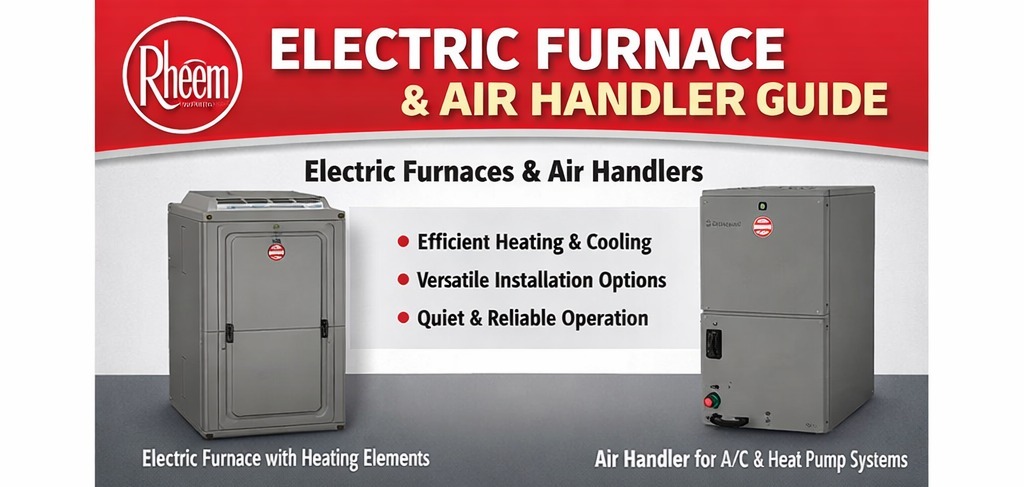
Electric Furnace Systems Explained for Ohio Homeowners
Quick Answer:
Most “electric furnaces” are actually air handlers paired with electric resistance heat strips. These systems are commonly used with heat pumps and provide auxiliary heat during extreme cold. Proper staging of the heat strips, airflow control, and thermostat wiring determine comfort and efficiency in Ohio’s winter climate.
What People Mean When They Search for an “Electric Furnace”
Quick Answer:
When homeowners search for an electric furnace, they are usually referring to an air handler with electric heat strips. The air handler circulates air through the home while electric resistance elements provide heat when the heat pump cannot keep up during cold weather.
In my 30 years designing HVAC systems across Ohio, I’ve learned that the phrase “electric furnace” creates confusion.
Most homes using electric heating actually rely on an air handler combined with electric resistance heating elements. These systems are typically paired with heat pumps.
The air handler moves air through the home, while electric heat strips provide auxiliary or emergency heat when outdoor temperatures drop too low.
At Honest Fix Heating, Cooling & Plumbing, we install and service these systems as a Rheem Pro Partner and Authorized Rheem Service Provider, ensuring airflow, electrical capacity, and staging are correctly configured.
Homeowners can verify system ratings through the Air-Conditioning, Heating, and Refrigeration Institute equipment directory:
https://www.ahridirectory.org
Efficiency information for electric resistance heating is available from the U.S. Department of Energy:
https://www.energy.gov/energysaver/electric-resistance-heating
What Components Make Up a Rheem Electric Heating System?
Quick Answer:
A Rheem electric heating system usually includes an air handler, electric heat strip kit, sequencer control, and variable-speed blower motor. These components work together to provide staged heating during cold weather.
In Ohio homes, common Rheem air handler models include systems like the RH1T series or the modern Endeavor™ platform. These units function as the indoor component of a heat pump system.
Key Components of an Electric Heating System
| Component | Function |
|---|---|
| Air handler | Circulates air through the duct system |
| Electric heat strips | Provide auxiliary or emergency heat |
| Sequencer | Stages heating elements to prevent electrical overload |
| Constant CFM blower | Maintains consistent airflow across heating elements |
Because electric resistance heating uses large electrical loads, these systems must be carefully matched to the home’s electrical capacity.
Why Electric Heat Strip Sizing Matters in Ohio
Quick Answer:
Electric heat strips are sized in kilowatts (kW) based on the home’s heating load. Larger homes or colder climates may require 10 kW to 25 kW of supplemental heating capacity.
Electric heat strips function similarly to the heating element in an electric oven. They generate heat by passing electricity through resistance coils.
Typical sizes include:
- 5 kW
- 10 kW
- 15 kW
- 20 kW
- 25 kW
Homes across the Upper Ohio Valley often require larger auxiliary heat capacity because winter temperatures can drop well below freezing.
Correct sizing depends on a Manual J load calculation, which measures how much heat the home loses during cold weather.
Undersized heat strips may struggle to maintain indoor temperatures during extreme cold.
How Thermostat Wiring Controls Electric Heat Stages
Quick Answer:
Electric heating systems use thermostat terminals such as W1, W2, and W3 to activate multiple stages of electric heat strips. Each stage adds additional heating capacity during colder conditions.
Electric heating systems rely on staged operation. Instead of activating all heating elements at once, the system adds stages gradually.
Electric Heat Staging Terminals
| Terminal | Function | Typical Use |
|---|---|---|
| W1 | First stage auxiliary heat | Activates first heat strip |
| W2 | Second stage auxiliary heat | Adds additional heating capacity |
| W3 / E | Emergency heat | Bypasses heat pump and runs electric heat only |
Proper staging prevents large electrical surges and ensures the system operates safely.
If the wiring is incorrect, homeowners may not be using their full heating capacity. This can cause homes to recover slowly after temperature setbacks during extreme winter conditions.
Why Variable-Speed Airflow Is Critical for Electric Heat
Quick Answer:
Electric heating elements require steady airflow to prevent overheating. Variable-speed blowers adjust airflow automatically to maintain safe temperatures and improve comfort.
Modern Rheem air handlers use constant CFM blower motors. These motors automatically adjust airflow based on system conditions.
This is important because electric heat strips produce intense heat. Without adequate airflow, the heating elements can overheat.
Variable-speed motors help prevent:
- overheating shutdowns
- burning odors
- premature element failure
They also improve temperature consistency throughout the home.
How 2026 Tax Law Changes Affect Electric Heating Upgrades
Quick Answer:
Federal HVAC tax credits under Sections 25C and 25D expired December 31, 2025 after passage of the One Big Beautiful Bill Act (OBBBA). Electric heating upgrades installed in 2026 generally no longer qualify for federal incentives.
Many homeowners still expect federal rebates for heating upgrades. However, the law changed in 2025.
IRS reference:
https://www.irs.gov/newsroom/one-big-beautiful-bill-provisions
Because of this change, many homeowners now rely on utility programs instead of federal incentives.
Are There Local Energy Rebates for Electric Heating?
Quick Answer:
Some electric utilities provide rebates for energy-efficient equipment or smart thermostats that help reduce peak energy demand.
For example, AEP Ohio offers programs such as Power Rewards, which provide incentives for compatible smart thermostats:
https://www.aepohio.com/PowerRewards.aspx
These programs help manage electricity demand during peak usage periods.
Electric Heating Safety Standards
Quick Answer:
Electric heating systems must meet electrical load requirements and follow safety guidelines to prevent overheating or electrical hazards.
Safety guidance for residential heating equipment is provided by the Consumer Product Safety Commission:
Even though electric systems do not burn fuel, proper installation and electrical protection are still critical.
Electric Heating FAQs
Can you manually light an electric furnace?
Quick Answer:
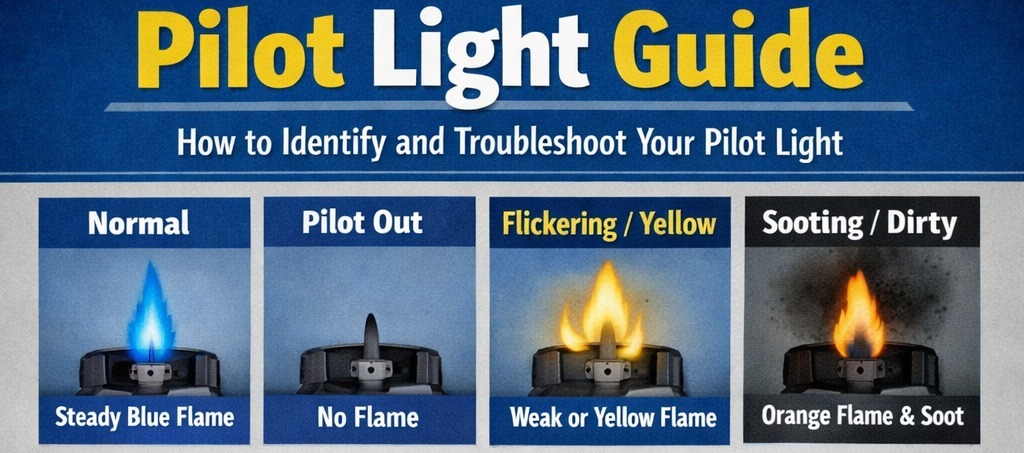
No. Electric heating systems do not use gas or flames. They generate heat using electric resistance elements.
If your furnace requires lighting a pilot or ignition system, it is likely a gas furnace, not an electric system.
Why does my air handler wait before blowing warm air?
Quick Answer:
Most air handlers delay the blower motor for 20–30 seconds to allow heating elements to warm up before airflow begins.
This prevents cold air from blowing into the home during startup.
How long do Rheem electric air handlers last?
Quick Answer:
Electric air handlers often last 20–25 years because they do not contain burners or heat exchangers. However, the outdoor heat pump paired with the system typically lasts 12–15 years.
Regular maintenance helps maximize system lifespan.
How can I tell if a heating element has failed?
Quick Answer:
If the system runs but the home does not reach its target temperature, one of the electric heat strips may not be operating.
Technicians test heating elements using amperage measurements to confirm each stage is drawing the correct electrical load.
Homeowners can verify technician credentials through North American Technician Excellence (NATE):
https://natex.org/contractor/verify-a-nate-id
What Guarantees Do You Offer?
Quick Answer:
Honest Fix protects homeowners with two major guarantee programs. New installations include a 15-year labor warranty, while repairs include a 5-year labor warranty, both backed by written service guarantees.
Lifetime Trust Shield — Installations
Installation protection includes:
- 15-year labor warranty on HVAC systems
- 90-day money-back satisfaction guarantee
- no-lemon replacement protection
- energy savings guarantee
Coverage requires annual maintenance.
Service Trust Guardian — Repairs
Repair coverage includes:
- 5-year labor warranty on qualifying repairs
- 60-day money-back service guarantee
- no overtime charges for emergency calls
- on-time arrival guarantee
These protections reduce the risk of repeat repair costs.
Need an Electric Heating System Inspection?
All-electric heating systems require precise coordination between airflow, electrical load, and thermostat staging.
At Honest Fix, we verify:
- electrical capacity
- heat strip staging
- airflow performance
- thermostat configuration
As a Rheem Pro Partner and Authorized Rheem Service Provider, we install and commission electric air handler systems according to Rheem engineering standards.
Whether you live in Steubenville, Weirton, Wintersville, or Wellsburg, we provide:
- free exact quotes
- electric heating inspections
- system performance testing
Considering an all-electric heating upgrade?
Contact Honest Fix today for a professional evaluation.
Scott Merritt is a co-founder of Honest Fix Heating, Cooling and Plumbing and brings more than 30 years of experience across HVAC, leadership, and industry education. He serves in a senior leadership and oversight role, providing licensed guidance, reviewing HVAC educational content, and supporting technician training and documentation standards. Prior to co-founding Honest Fix, Scott founded and owned Fire & Ice Heating & Air Conditioning in Columbus, Ohio, which he operated for more than two decades before selling the company in 2025. During that time, he led programs and partnerships including Carrier Factory Authorized Dealer, Trane Comfort Specialist, and Rheem Pro Partner, helping establish high technical and training standards. Scott is the Ohio State HVAC license holder for Honest Fix and provides licensed oversight to help ensure work meets applicable codes and manufacturer requirements. Learn more about Scott’s background and role at Honest Fix by viewing his full leadership bio.