Quick Answer
When an AC thermostat isn’t working properly, the most common causes are power loss, wiring problems, incorrect settings, sensor issues, or communication failures with the HVAC system. In Toronto, OH, river-adjacent humidity, older homes, and basement-installed equipment make thermostat-related issues more common than many homeowners expect.
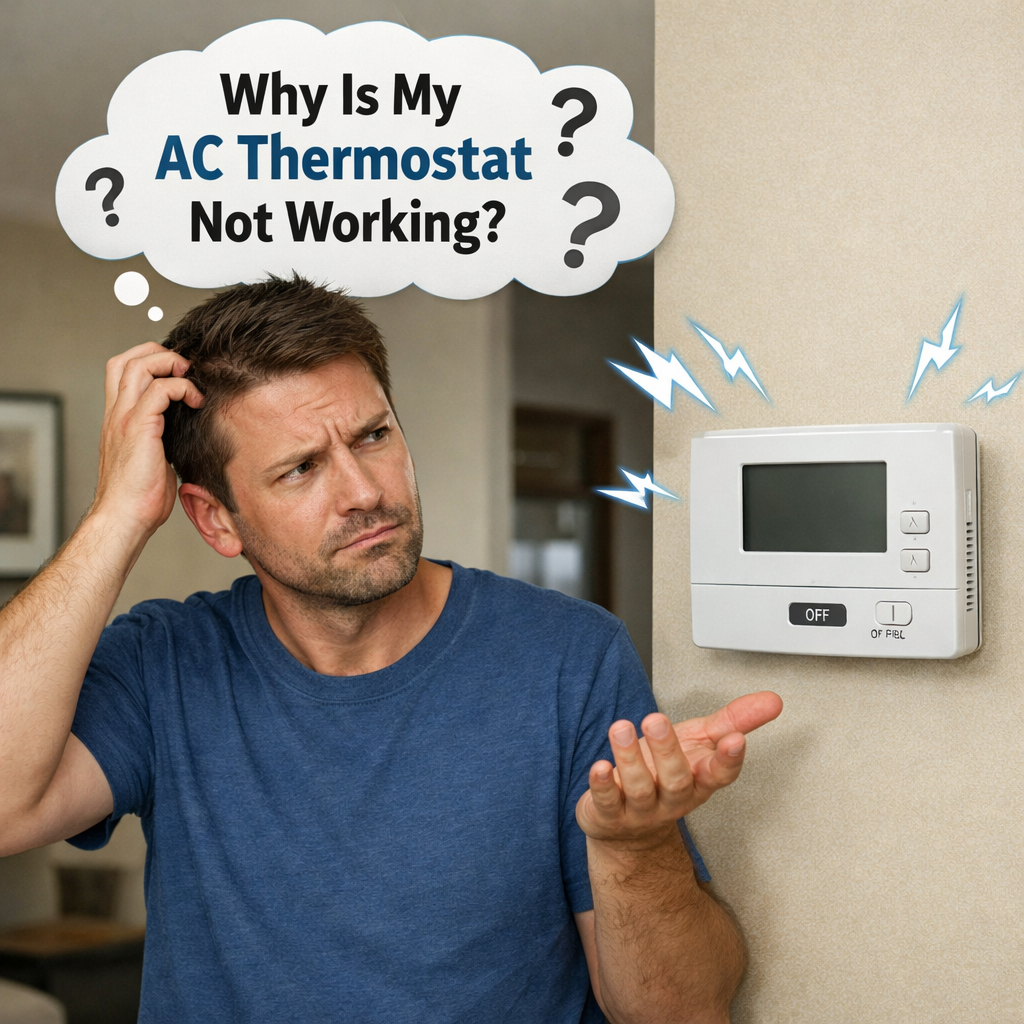
If your AC won’t respond to thermostat changes, runs at odd times, or seems to ignore temperature settings, the thermostat may be involved—but it’s often reacting to another underlying issue.
This article is meant to help Toronto homeowners understand thermostat problems clearly, without pushing unnecessary replacements.
In many homes near the river, the thermostat is working correctly but responding to system or environmental conditions.
Why Thermostat Problems Are Common in Toronto Homes
Toronto has a mix of older homes near the Ohio River and hillside properties above it. Many HVAC systems were added or upgraded years after construction, with thermostats replaced independently during remodels or efficiency upgrades.
In Toronto, basement humidity, aging low-voltage wiring, and piecemeal system updates increase the likelihood of thermostat communication problems.
A Toronto-Specific Cost Driver
A common local cost driver is thermostat wiring routed through damp basements or utility rooms, where moisture exposure over time can degrade insulation and cause intermittent signal loss.
A Real Toronto Example
A homeowner near North Fourth Street called because their AC would cool intermittently but ignore thermostat adjustments during humid afternoons.
What we found:
- Thermostat installed correctly
- Original wiring running through a damp basement wall
- Moisture-related corrosion causing signal dropouts
The thermostat was fine—the wiring environment was the issue.
How Thermostat Problems Usually Show Up
Most thermostat-related issues follow this pattern:
power issue → communication issue → incorrect system response → comfort problems
Understanding this sequence helps avoid unnecessary thermostat replacement.
Big Problem #1: The Thermostat Has No Power or Loses Power
If the thermostat loses power, it cannot control the AC.
In Toronto homes, this commonly comes from:
- Corroded low-voltage wiring connections
- Condensate safety switches triggered by humidity
- Weak or dead batteries
- Loose connections behind the thermostat
A blank or flickering screen is a clear warning sign.
Big Problem #2: Wiring Issues Between the Thermostat and the AC
Thermostats rely on clean, uninterrupted communication.
Damaged or moisture-affected wiring can cause:
- AC not responding to thermostat
- Thermostat clicking but AC not turning on
- Short cycling or delayed starts
This is especially common in basement-routed wiring.
Big Problem #3: Incorrect Settings or Mode Conflicts
Sometimes the thermostat is functioning—but settings create confusion.
Common issues include:
- Fan set to “on” instead of “auto”
- Programmable schedules overriding manual changes
- Heat/cool mode conflicts during spring or fall
These problems often look like thermostat failure.
Big Problem #4: Thermostat Location or Sensor Problems
Thermostats depend on accurate temperature readings.
If the sensor is influenced by drafts, sunlight, or humidity pockets, the AC won’t behave correctly.
In Toronto homes, this often occurs when thermostats are:
- Installed near stairwells from basements
- Mounted on exterior walls facing the river
- Located near kitchens or laundry areas
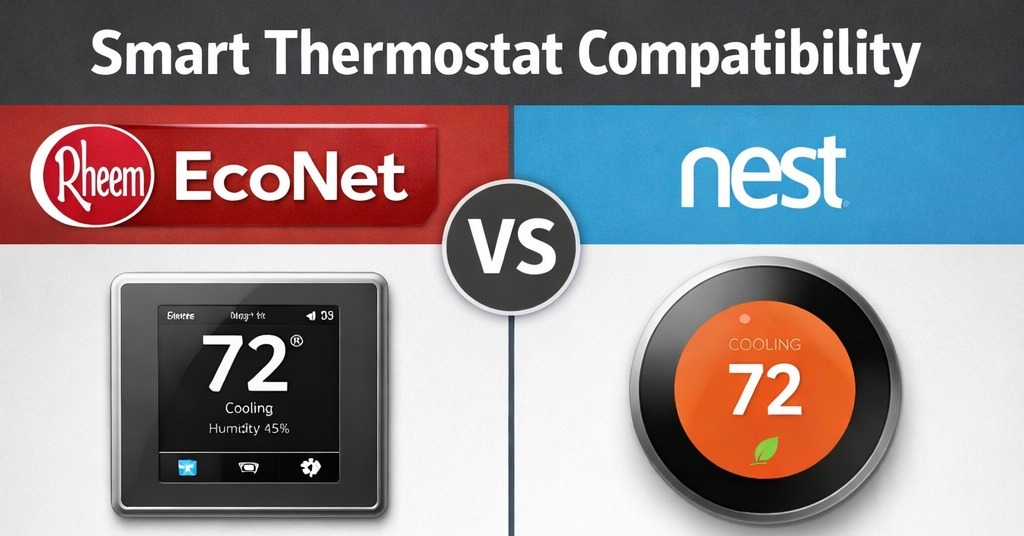
Big Problem #5: Thermostat and System Compatibility Issues
Not all thermostats work with all systems.
Compatibility problems often occur when:
- Smart thermostats are added to older AC systems
- Multi-stage systems use basic thermostats
- Wiring configurations don’t match equipment design
These issues can cause unpredictable system behavior.
When It’s NOT Actually a Thermostat Problem
Sometimes the thermostat is doing its job and reacting to a system condition.
Problems that can mimic thermostat failure include:
- Frozen evaporator coils
- Tripped condensate overflow switches
-
Scott Merritt
Scott Merritt is a co-founder of Honest Fix Heating, Cooling and Plumbing and brings more than 30 years of experience across HVAC, leadership, and industry education. He serves in a senior leadership and oversight role, providing licensed guidance, reviewing HVAC educational content, and supporting technician training and documentation standards. Prior to co-founding Honest Fix, Scott founded and owned Fire & Ice Heating & Air Conditioning in Columbus, Ohio, which he operated for more than two decades before selling the company in 2025. During that time, he led programs and partnerships including Carrier Factory Authorized Dealer, Trane Comfort Specialist, and Rheem Pro Partner, helping establish high technical and training standards. Scott is the Ohio State HVAC license holder for Honest Fix and provides licensed oversight to help ensure work meets applicable codes and manufacturer requirements. Learn more about Scott’s background and role at Honest Fix by viewing his
full leadership bio.