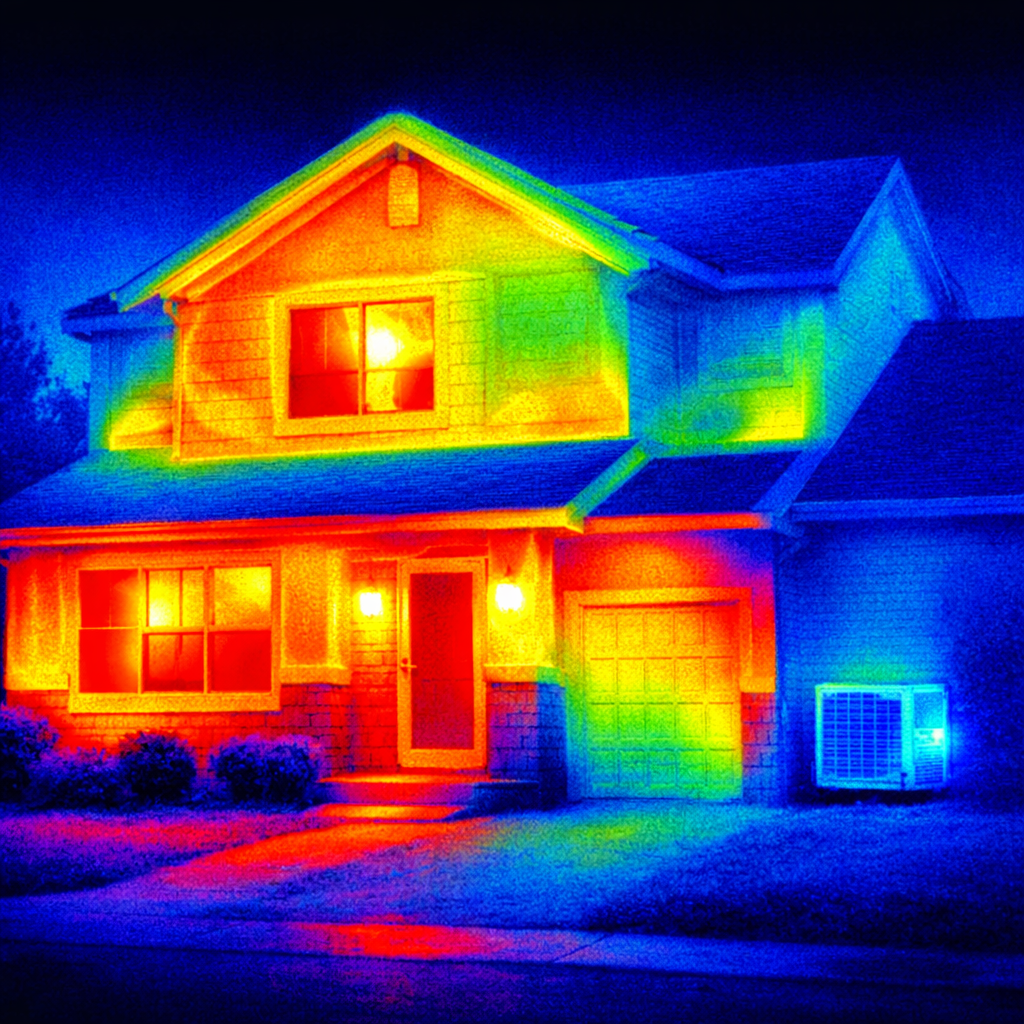
Why Is My HVAC Bill Suddenly Higher Than Usual in Colliers, WV?
January 4th, 2026
3 min read
By Alex Largent
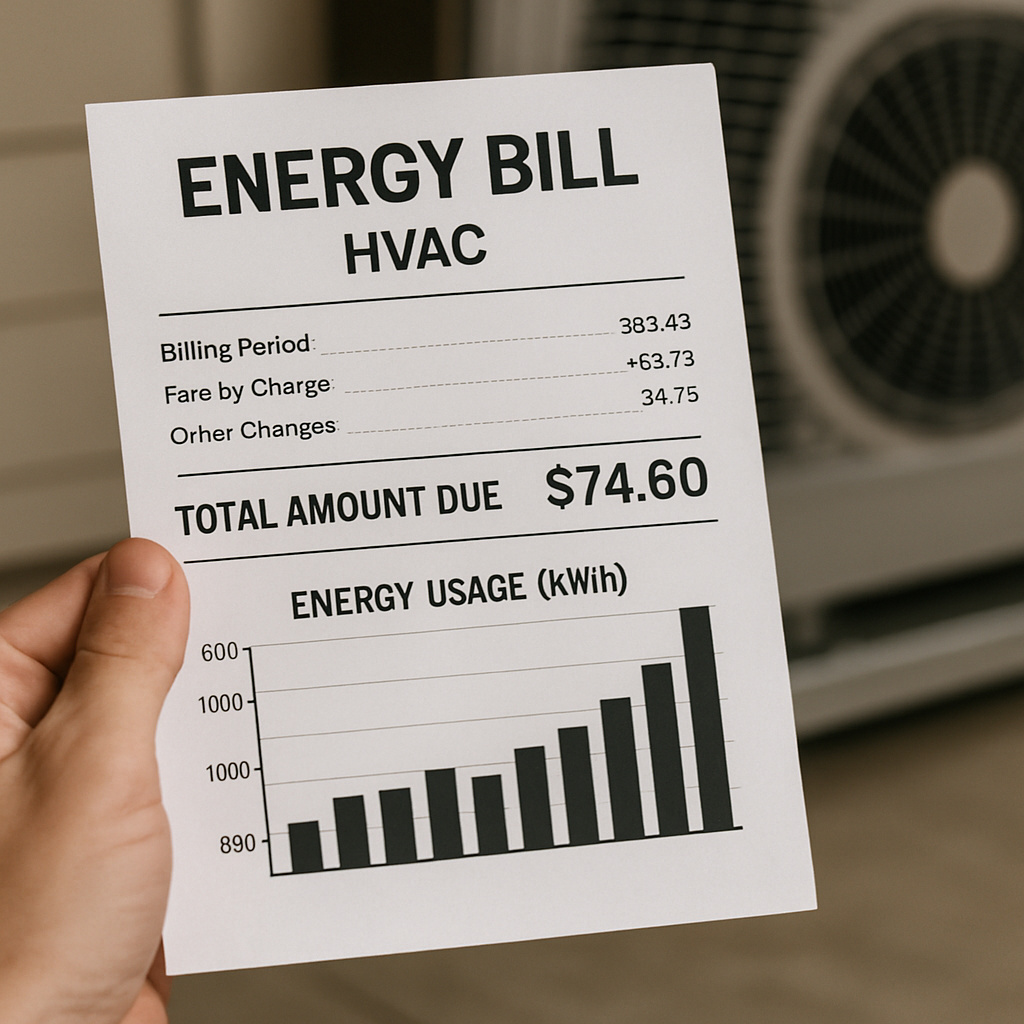
Quick Answer
A sudden increase in your HVAC bill in Colliers is most often caused by longer system run times from weather swings, airflow restrictions, or energy loss common in older rural Ohio Valley homes. These issues raise energy use before you notice changes in indoor comfort.
If your HVAC bill jumped in Colliers and nothing inside your home feels different, you’re not alone. This is a common issue here, and it’s rarely tied to thermostat settings or daily habits.
In Colliers, sudden HVAC cost increases are usually connected to older rural home layouts, longer duct runs, electrical limitations, and exposure to weather. Below are the most common problems behind these spikes, why they’re easy to miss, and what actually fixes them.
Why HVAC Bills Spike Suddenly in Colliers Homes
Open Terrain and Weather Exposure Increase Run Time
Colliers homes are more exposed to wind and temperature swings than homes in denser towns.
With fewer wind breaks and more open land, homes lose heat faster in winter and gain heat faster in summer. That forces HVAC systems to run longer to recover.
What we commonly see:
- Furnaces running longer during cold snaps
- AC systems cycling more frequently on mild but breezy days
- Higher energy usage without thermostat changes
Key point: exposure increases run time, not temperature settings.
Older Rural Homes Lose Energy in Predictable Places
Many Colliers homes were built between the 1940s and 1980s and expanded over time, not designed around a single HVAC plan.
A typical local setup:
- Ranch or farmhouse-style layout
- Partial basement or crawlspace
- HVAC system added after original construction
- Long duct runs to additions or upper levels
Common hidden energy losses:
- Duct leakage in crawlspaces or basements
- Poorly sealed floor systems
- Under-insulated attics
- Return air pulling from unconditioned spaces
Result: the HVAC system runs longer just to maintain basic comfort.
Airflow Restrictions Hit Long Duct Systems Harder
Airflow problems are magnified in homes with long or uneven duct runs—common in Colliers.
We frequently find:
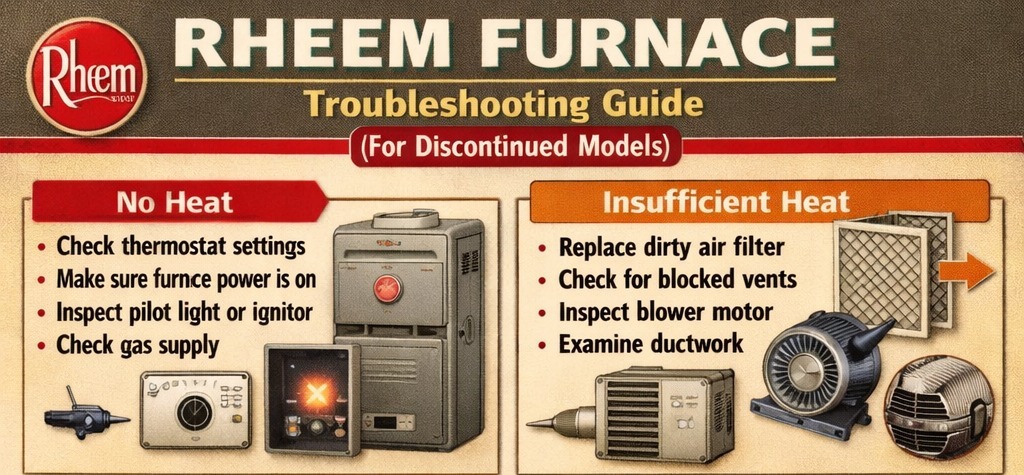
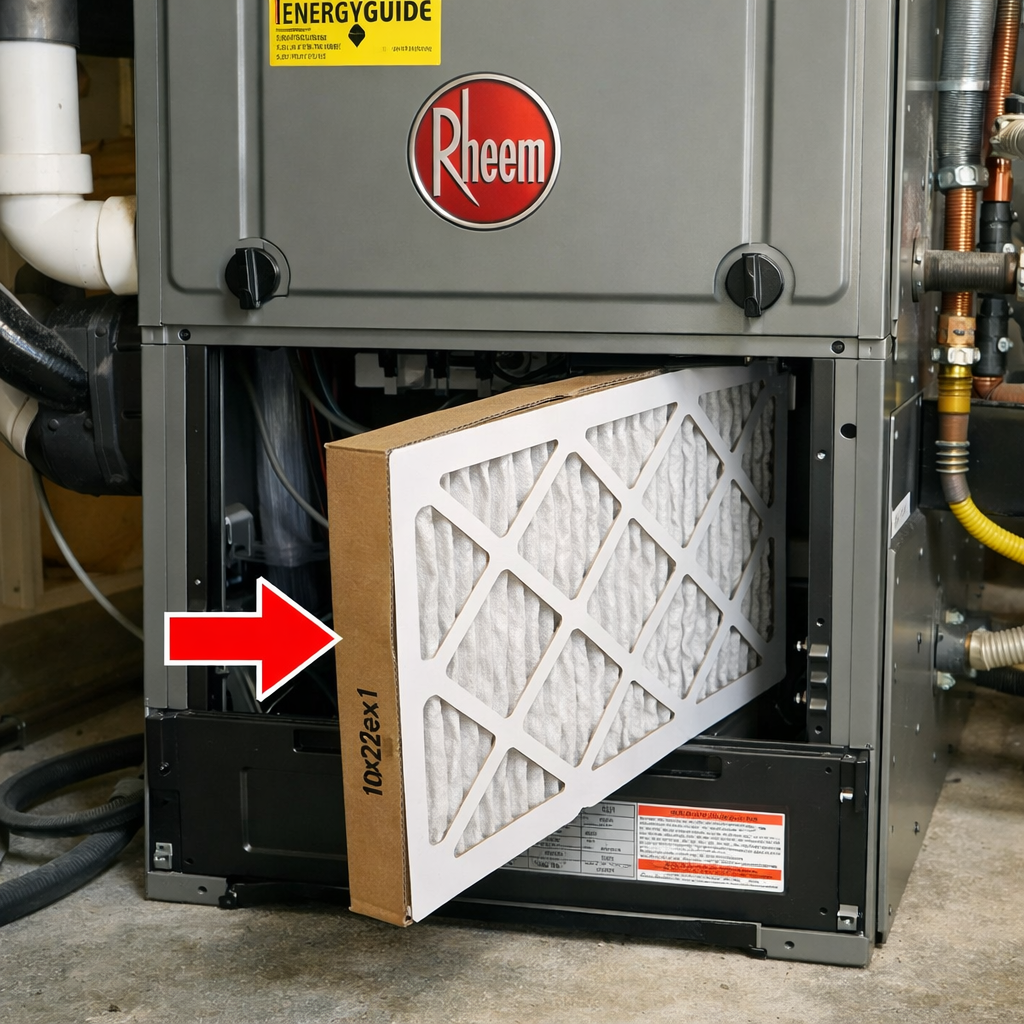
- Filters restricting airflow on older systems
- Dirty coils from dust drawn in through crawlspaces
- Closed vents in unused rooms or additions
- Duct sections undersized for added square footage
Neighborhood-specific issue:
Many homes have additions that were never balanced with the original duct system.
Common homeowner mistake:
Closing vents in unused rooms, which increases static pressure and system strain.
Electrical Limitations Increase Energy Use
Some Colliers homes still operate on older electrical infrastructure.
When electrical systems struggle to deliver consistent voltage:
- Motors draw more power
- Components run hotter
- Systems operate less efficiently
This shows up as higher energy usage without a clear mechanical failure.
Quiet Mechanical Issues That Reduce Efficiency
Many HVAC systems raising energy bills are still running—but not efficiently.
Examples we catch early:
- Weak capacitors increasing electrical draw
- Blower motors losing efficiency
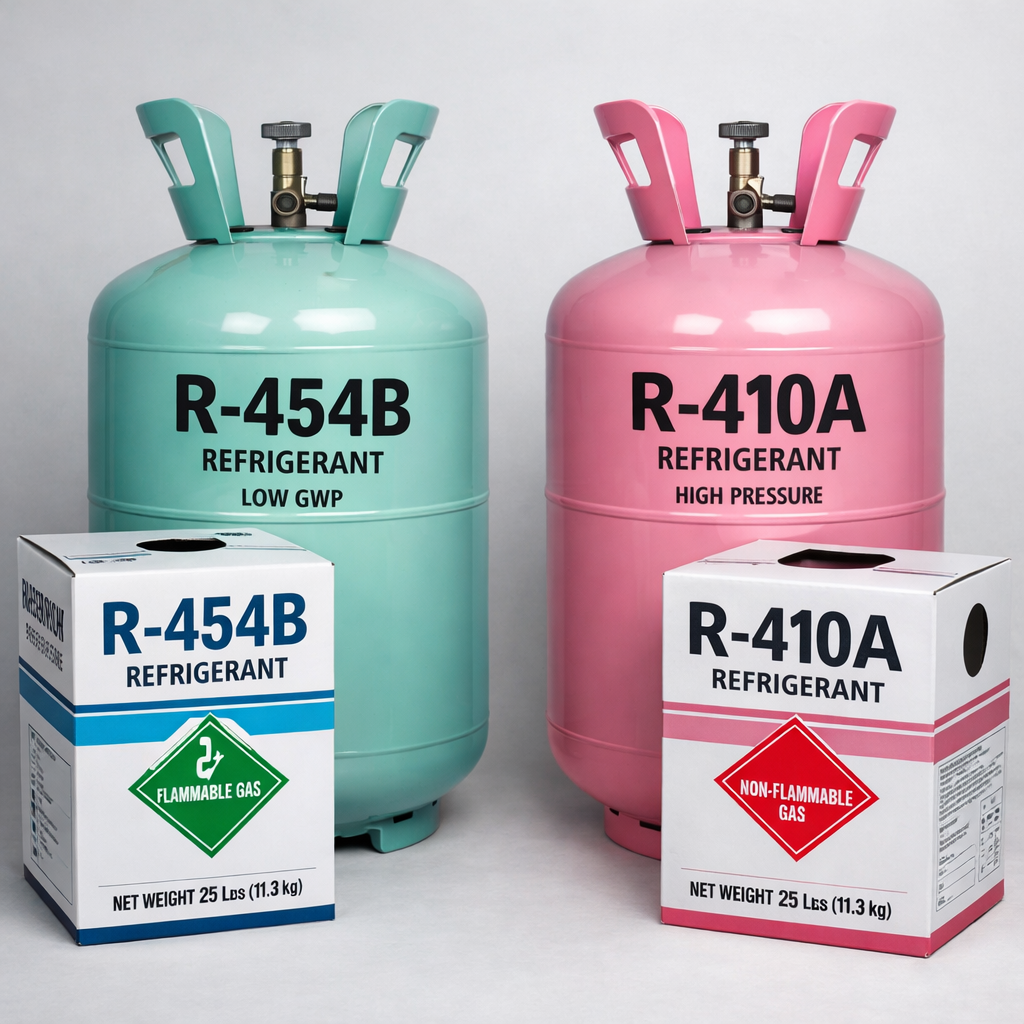
- Refrigerant charge drifting out of range
- Furnaces short-cycling due to airflow imbalance
Why this matters:
Efficiency loss appears on the bill before breakdowns occur.
A Colliers-Specific Cost Driver Homeowners Miss
Crawlspace and duct exposure.
Homes with crawlspaces often experience:
- Greater temperature swings under the floor
- Duct losses before air reaches living spaces
- Increased heating and cooling demand
This drives up run time without obvious warning signs.
What Changed—Even If You Didn’t Touch the Thermostat?
This is what confuses most homeowners.
In most cases:
- You didn’t change thermostat settings
- You didn’t misuse the system
- One quiet variable changed—weather exposure, airflow, or efficiency
That’s why the increase feels sudden.
What You Can Check Right Now
Before assuming the system is failing, start here:
- Compare energy usage (kWh or therms), not just cost
- Check filter type and how long it’s been installed
- Look under the home or in the basement for loose ducts
- Notice rooms that are slower to heat or cool
If nothing stands out, the issue is usually technical—not behavioral.
How This Compares Across the Upper Ohio Valley
We see similar patterns in:
- Steubenville, OH
- Wintersville, OH
- Toronto, OH
- Mingo Junction, OH
- Brilliant, OH
- Weirton, WV
- Follansbee, WV
- Wellsburg, WV
- New Cumberland, WV
Older homes, exposure to weather, and airflow challenges create similar HVAC cost surprises across the region.
Frequently Asked Questions
Why didn’t my comfort change if my bill went up?
Efficiency loss shows up on the utility bill before it affects indoor comfort.
Does a higher HVAC bill mean I need a new system?
Not automatically. Many increases are caused by airflow, duct, or electrical efficiency issues—not system age alone.
What guarantees do you offer?
For repairs and diagnostics, Honest Fix provides:
- 60-day money-back satisfaction guarantee
- 5-year labor warranty on covered repairs
- No overtime charges
- On-time arrival guarantee
- Clean work area guarantee
We explain everything before work starts and stand behind our work.
The Bottom Line
A sudden HVAC bill increase in Colliers is almost never random.
It’s usually tied to weather exposure, older home design, airflow restriction, or a developing efficiency issue.
The fastest way to stop overpaying is identifying the real cause—without guessing or replacing equipment unnecessarily.
Call Honest Fix today for a free exact quote.
Learn about our guarantees before you decide.
Alex Largent is the Owner and Senior HVAC Efficiency Analyst at Honest Fix Heating, Cooling & Plumbing. With more than 20 years of field experience, NATE and EPA certifications, and a hands-on leadership style, Alex teaches his team to fix systems right the first time — with transparency, precision, and no upsells. He writes about HVAC diagnostics, home energy efficiency, and practical maintenance advice for homeowners across the Upper Ohio Valley. Read Alex Largent’s full bio to learn more about his expertise in the HVAC and Plumbing industry. Updated October 2025.