Why Is My HVAC Blowing Cold Air in Winter or Warm Air in Summer in Follansbee, WV?
January 11th, 2026
4 min read
By Alex Largent
Quick Answer
If your HVAC is blowing cold air in winter or warm air in summer in Follansbee, it’s usually caused by airflow restrictions, thermostat or wiring issues, safety shutoffs, or electrical limits common in older Ohio Valley homes. The system is often protecting itself, not failing—but ignoring it can lead to larger repairs.
Why This Problem Is So Common in Follansbee Homes
Follansbee homes combine older construction with floodplain and river-adjacent conditions that affect HVAC performance.
Many houses were built between the 1940s and 1970s and include features that directly influence heating and cooling behavior:
- Slab-on-grade or shallow crawlspace foundations
- Homes near the river with higher humidity
- Older duct systems added after construction
- Electrical services near capacity
- Limited space for proper return airflow
When an HVAC system in Follansbee blows the wrong temperature, it’s usually reacting to these built-in constraints—not breaking down without warning.
This is typically a protection response by the system.
What This Usually Isn’t
This problem is rarely caused by a failed thermostat or a sudden equipment breakdown.
In most Follansbee homes, wrong-temperature air is tied to airflow limits, safety shutoffs, or electrical constraints—not immediate system failure.
5 Real Reasons Your HVAC Blows the Wrong Air
1. The System Is in a Safety or Defrost Mode
This is the most common reason homeowners notice cold air in winter.
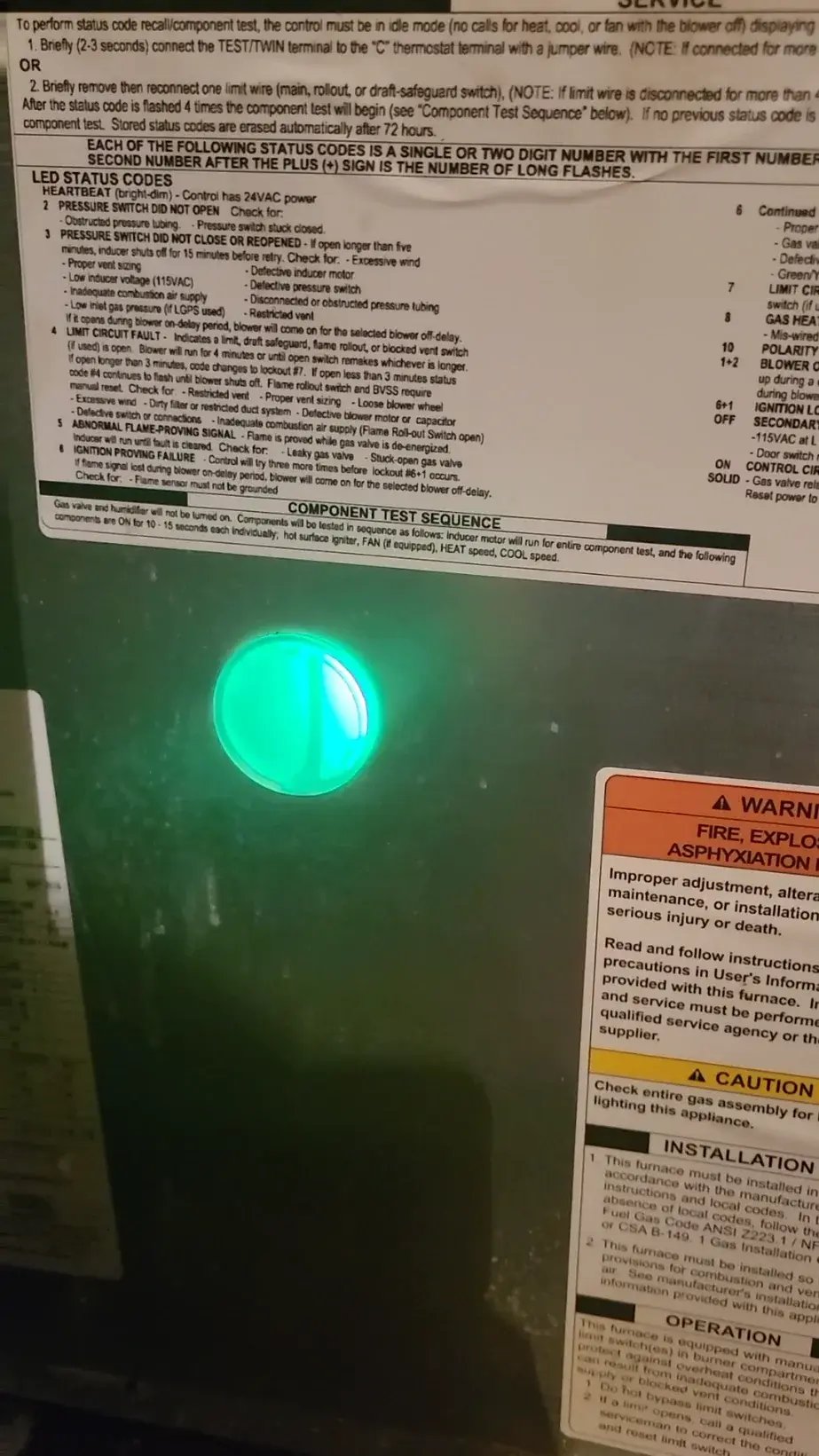
Modern furnaces and heat pumps shut off heating or cooling output when they detect unsafe conditions such as:
- Overheating
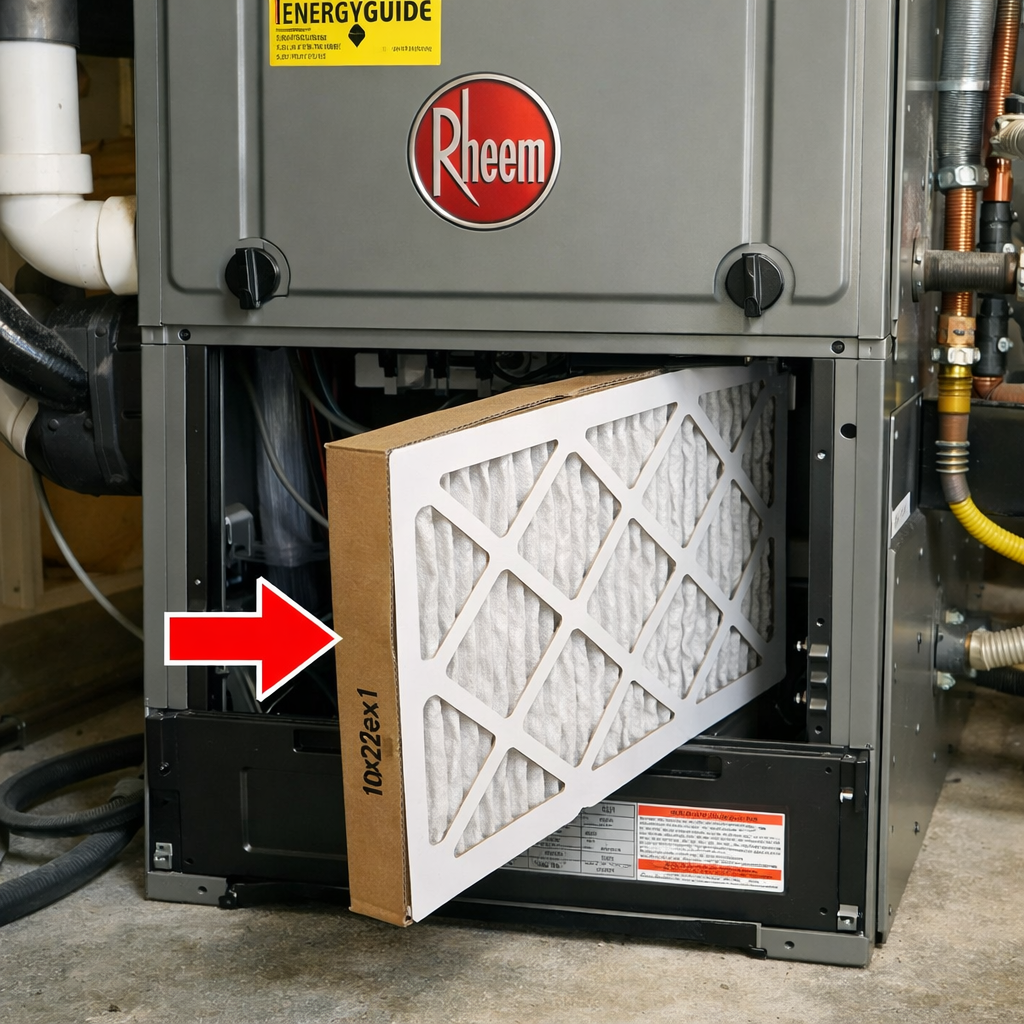
- Restricted airflow
- Frozen coils
- Flame or pressure sensor issues
When this happens, the blower may continue running even though heating or cooling has stopped.
Cause → outcome:
When airflow drops below safe limits, the system shuts off heating or cooling output while the fan continues to run.
Local example:
A 1960s slab home near Main Street had a furnace that kept blowing cool air. The cause was a severely undersized return duct pulling dense, cool air from a utility space. The system was preventing internal damage.
2. Thermostat or Wiring Configuration Problems
Thermostat issues are common in Follansbee homes with renovations.
We often find:
- Thermostats installed near exterior walls
- Older wiring reused during upgrades
- Heat pump settings programmed incorrectly
These problems can cause:
- Cool air during heating cycles
- Improper mode switching
- Backup heat not engaging when needed
The system is often responding to incorrect signals rather than failing.
3. Airflow Restrictions From Slab and Crawlspace Layouts
Airflow challenges are common in slab and crawlspace homes.
Common causes include:
- Limited return duct space
- Long duct runs through tight areas
- Blocked or closed dampers
- Dirty blower wheels or coils
Restricted airflow leads to:
- Cold air complaints in winter
- Frozen coils and warm air in summer
Without proper airflow, the system cannot regulate temperature safely.
4. Electrical Limits in Older Follansbee Neighborhoods
Electrical capacity is a frequent limiting factor here.
Many homes still operate with:
- 100-amp or smaller electrical service
- Shared HVAC and appliance circuits
During periods of high demand, voltage drops can cause:
- AC compressors not starting
- Electric heat shutting off
- Intermittent system operation
In these cases, the HVAC system is reacting to electrical limits—not mechanical failure.
5. Oversized or Poorly Matched Equipment
Oversized systems are common after quick replacements.
This often causes:
- Short cycling
- Uneven temperatures
- Poor humidity control
- Frequent safety shutoffs
This is especially common in:
- Slab homes
- Houses with ductwork added later
- Homes where airflow was never redesigned
The system may be too large for the ductwork and layout it’s connected to.
Why This Happens More in Slab and River-Adjacent Homes
Homes built on slabs or near the river often experience:
- Cooler floor-level air
- Higher humidity loads
- Longer system run times
Without proper airflow balance, these conditions push systems into safety shutoffs.
How This Is Usually Diagnosed Correctly
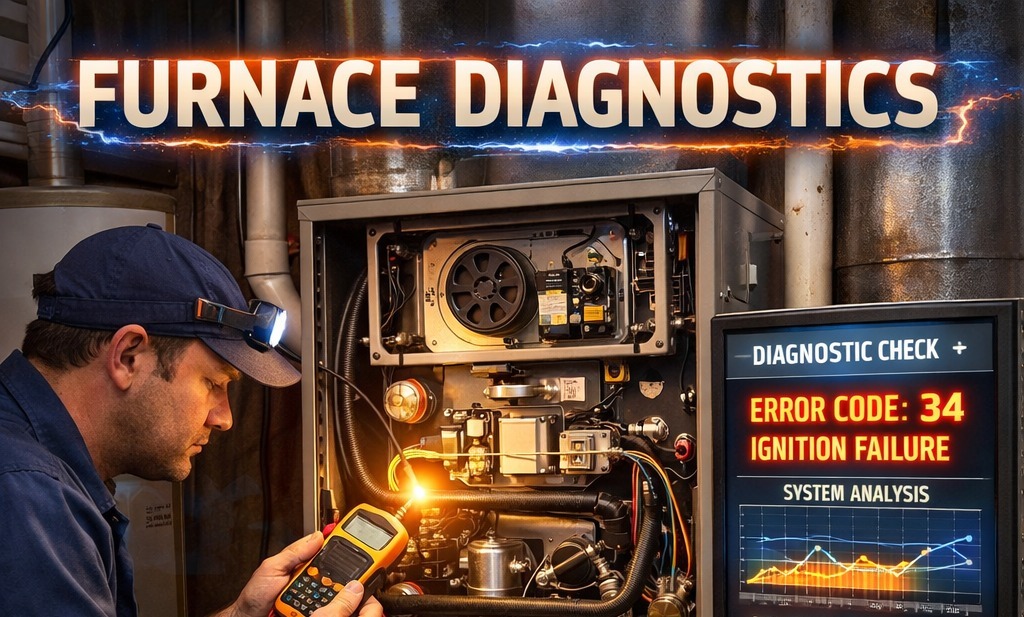
Accurate diagnosis starts with measurements, not guesses.
In most cases, the first step is checking temperature rise and static pressure. These readings quickly show whether airflow or safety limits are causing the problem.
If those numbers are off, replacing parts won’t solve the issue.
What This Usually Costs to Fix in Follansbee
There is no single price because cost depends on the cause, not the symptom.
Factors that increase cost locally include:
- Duct changes in slab or crawlspace homes
- Electrical corrections or service limitations
- Moisture-related airflow issues
- Older equipment with limited part availability
Factors that keep costs lower include:
- Early diagnosis
- Airflow corrections
- Thermostat or control fixes
- Routine maintenance
Replacing equipment without proper testing is one of the most expensive mistakes homeowners make.
A Common Follansbee Mistake That Makes This Worse
Many homeowners assume humidity or cold floors mean the system is undersized.
This often leads to:
- Oversized replacements
- Continued comfort problems
- Higher long-term costs
If the air feels wrong, the system is telling you something—ignoring it only raises the price.
What We Won’t Do
We won’t recommend replacing a system until airflow, controls, and electrical limits are properly checked.
That’s how real problems get fixed.
Neighborhood-Specific Issues We See Often
- Slab homes: limited return air paths
- River-adjacent homes: higher humidity stress
- Older wiring: voltage drops during peak usage
- Add-on rooms: never included in original duct design
This Same Issue Affects Nearby Ohio Valley Cities
We also see this problem regularly in:
- Steubenville, OH
- Wintersville, OH
- Toronto, OH
- Mingo Junction, OH
- Brilliant, OH
- Weirton, WV
- Wellsburg, WV
- New Cumberland, WV
- Colliers, WV
Homes across the Upper Ohio Valley share many of the same challenges.
Frequently Asked Questions
Is it normal for a furnace to blow cold air briefly?
Yes. Short bursts during startup or defrost cycles are normal. Continuous cold air is not.
Does this mean I need a new HVAC system?
Not always. Many cases involve airflow, wiring, or setup issues rather than full system failure.
What guarantees do you offer?
- Repairs and service are covered by our Service Trust Guardian
- New installations are covered by our Lifetime Trust Shield
All guarantees are explained clearly before any work begins.
What to Do Next
When your HVAC blows the wrong temperature, it’s sending a clear signal.
A proper diagnosis checks:
- Airflow
- Electrical supply
- Safety controls
- System setup
Not just parts.
Call Honest Fix today for a free exact quote.
Learn about our guarantees before you decide.
Alex Largent is the Owner and Senior HVAC Efficiency Analyst at Honest Fix Heating, Cooling & Plumbing. With more than 20 years of field experience, NATE and EPA certifications, and a hands-on leadership style, Alex teaches his team to fix systems right the first time — with transparency, precision, and no upsells. He writes about HVAC diagnostics, home energy efficiency, and practical maintenance advice for homeowners across the Upper Ohio Valley. Read Alex Largent’s full bio to learn more about his expertise in the HVAC and Plumbing industry. Updated October 2025.